Bukwangsa Co. — Supplier
About Bukwangsa Co. - Agriculture Products Supplier in South Korea (Republic Of Korea)
South Korea is the base of Bukwangsa Co., an imported supplier listed with nine active products. The catalogue focuses on agricultural netting solutions, including green net, mosquito net, film net, dust net, black net, windbreak net, double‑fabric net, standard net and mono net. Each product is identified by a code (e.g., B‑104, B‑203) and is classified under the broader agriculture products category. The range covers both coloured and functional nets designed for crop protection, pest control, and environmental shielding. The company’s listing does not provide HS codes, but the items fall within the typical netting HS chapter for agricultural use.
The nine net products represent a variety of mesh constructions and material treatments commonly used in farming and horticulture. For example, mosquito nets are usually woven from fine‑mesh polyethylene or polypropylene with mesh apertures around 1 mm, while windbreak nets often use a heavier gauge fabric with UV‑stabilised coating. Dust nets typically employ low‑density polyethylene film to trap particulates, and double‑fabric nets combine two layers for added strength. The product codes suggest a systematic cataloguing approach, and the supplier’s imported tier indicates that the goods are sourced for resale in other markets.
Product Range and Specialties of Bukwangsa Co.
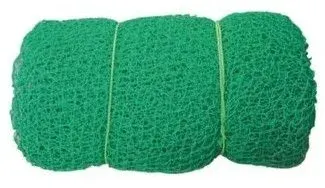
Bukwangsa Co.’s catalogue lists nine netting products: B‑104 green net, B‑203 mosquito net, B‑201 film net, B‑206 dust net, B‑107 black net, B‑208 windbreak net, B‑103 double fabrics net, B‑109 net and B‑202 mono net. In the agricultural netting sector, such items are typically manufactured from polypropylene or polyethylene with UV inhibitors, and are offered in mesh sizes ranging from 0.5 mm to 5 mm depending on the intended use. Common grades include UV‑resistant (often rated for 300 hours of exposure), water‑proof film nets, and heavy‑weight windbreak fabrics measured in grams per square metre (e.g., 150 - 300 g/m²). Buyers often specify colour for crop concealment (green, black) and request double‑layer construction for added durability. Standard industry specifications reference ISO 9001 quality management and, where applicable, Oeko‑Tex Standard 100 for textile safety.
Trade and Export Information - Bukwangsa Co.
South Korea exports agricultural netting primarily to markets in Southeast Asia, the Middle East, and Europe, where intensive horticulture and greenhouse operations drive demand for pest‑control and climate‑management fabrics. Net products fall under HS Chapter 63 (Made‑up textile articles) or Chapter 39 (Plastic articles) depending on material, and buyers typically require compliance with ISO 9001 and, for EU destinations, CE marking or REACH registration. Shipping is commonly performed in 20‑ft or 40‑ft containers, with netting packed in rolled or folded form, protected by moisture‑resistant wrapping. Importers often request test certificates for UV resistance, tensile strength (typically 150 - 300 MPa), and mesh uniformity before clearing customs.
Sourcing from Bukwangsa Co. - Buyer Guidance
When sourcing from Bukwangsa Co., buyers should request detailed product data sheets that list material type, mesh size, UV‑stabilisation level, tensile strength and weight per square metre. Samples of each net type enable verification of colour, flexibility and durability, while third‑party test reports for UV ageing, tear resistance and fire retardancy are standard documents in this segment. Confirm the supplier’s ability to provide ISO 9001 certification and any region‑specific certificates such as CE or REACH, especially for shipments to the European Union. Clarify packaging dimensions, container loading plans and lead times, which typically range from 30 to 60 days for bulk orders of rolled nets.
Frequently Asked Questions About Bukwangsa Co.
What net products are listed by Bukwangsa Co.?
Bukwangsa Co. lists nine netting items identified by codes B‑104 through B‑208, covering green net, mosquito net, film net, dust net, black net, windbreak net, double‑fabric net, standard net and mono net.
Which materials are commonly used for these nets?
The nets are generally manufactured from polypropylene or polyethylene, often with UV‑inhibitor additives to improve outdoor durability.
What typical specifications should a buyer verify?
Buyers should check mesh aperture (commonly 0.5 mm - 5 mm), tensile strength (150 - 300 MPa), fabric weight (150 - 300 g/m²), UV resistance (minimum 300 hours exposure), and colour consistency.
What certifications are normally required for agricultural nets?
International buyers usually request ISO 9001 quality‑management certification, and for EU markets CE marking or REACH compliance may be needed; Oeko‑Tex Standard 100 is also common for textile safety.
How are the nets typically packaged for export?
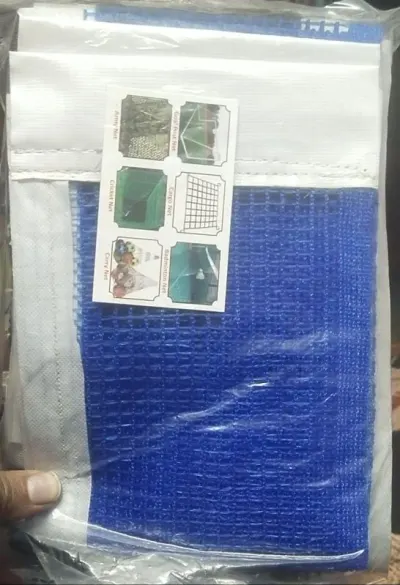
Nets are rolled or folded, placed in moisture‑resistant poly bags or shrink‑wrapped, and loaded into 20‑ft or 40‑ft containers, with total net weight per container often ranging from 2 tonnes to 5 tonnes depending on fabric gauge.
What is the usual minimum order quantity and lead time?
Suppliers of agricultural netting often set a minimum order of one full container load, and production plus preparation typically requires 30 to 60 days from order confirmation.
How can a buyer request a sample?
Buyers can ask Bukwangsa Co. to send a small rolled sample of the specific net type, specifying mesh size and colour, to evaluate material quality and dimensional accuracy before placing a bulk order.




 , South Korea (Republic Of Korea)