Budi Setiawan — Supplier
About Budi Setiawan - Herbs Supplier in Indonesia
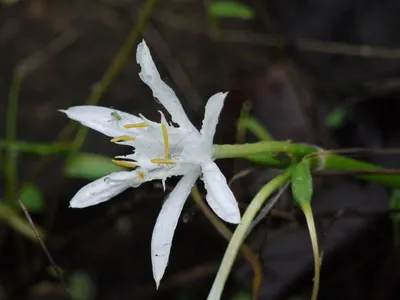
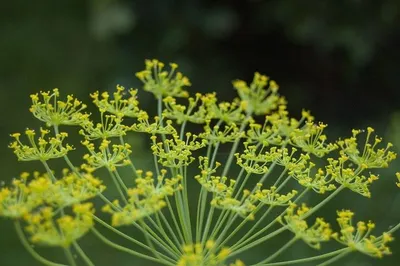
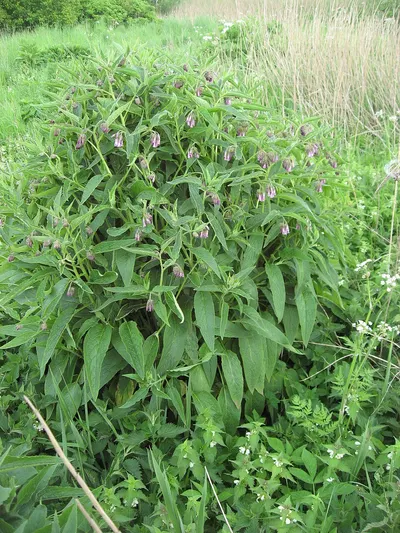
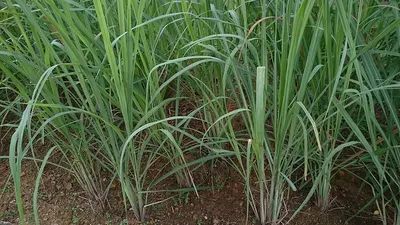
Indonesia, a country known for its rich biodiversity, is home to Budi Setiawan, a supplier with 5 active products. The company lists a range of herbs, including Smallanthus Sonchifolius, Tinospora Cordifolia, Andrographis Paniculata, Cymbopogon Citratus, and Anredera Cordifolia. These products are part of the larger categories of Herbs, Industrial Chemicals, and Plants & Plant Extracts. Buyers from regions such as Europe, North America, and Asia, which typically import herbs and botanicals for pharmaceutical, food, and cosmetic applications, may be interested in these products.
The herbs listed by Budi Setiawan are commonly used in various industries, including pharmaceuticals, food and beverages, and cosmetics. For example, Smallanthus Sonchifolius is used as a natural sweetener, while Tinospora Cordifolia is used in traditional medicine. The company's products are likely to be of interest to buyers looking for quality, naturally sourced ingredients.
Product Range and Specialties of Budi Setiawan
Budi Setiawan's product range includes a variety of herbs, each with its own unique characteristics and uses. For example, Smallanthus Sonchifolius is known for its sweet taste and is often used as a natural sweetener, while Tinospora Cordifolia is valued for its medicinal properties. Buyers can expect to find products that meet typical industry standards for herbs, including specifications for moisture content, purity, and heavy metal contamination. Common grades for these products include dried, powdered, and extract forms, with varying levels of processing and quality control.
In the herbs and botanicals category, buyers often look for products that are certified as organic, non-GMO, and sustainably sourced. They may also require documentation, such as certificates of origin, phytosanitary certificates, and test reports, to ensure compliance with regulatory requirements and quality standards.
Trade and Export Information - Budi Setiawan
Exporters of herbs and botanicals from Indonesia, like Budi Setiawan, typically ship their products to regions such as Europe, North America, and Asia, where they are used in various industries. The HS code families for these products, such as 1211 for plants and plant parts, are used to classify and regulate international trade. Buyers should be aware of the relevant certifications and standards required for these products, such as ISO 22000 for food safety and GMP for pharmaceuticals. Incoterms, such as FOB and CIF, are commonly used in international trade to define the terms of delivery and payment.
The Indonesian government has implemented regulations and standards for the export of herbs and botanicals, including requirements for packaging, labeling, and documentation. Buyers should ensure that they comply with these regulations and standards to avoid delays or penalties in the export process.
Sourcing from Budi Setiawan - Buyer Guidance
When sourcing from Budi Setiawan, buyers should request specifications, samples, and test reports to verify the quality and authenticity of the products. They should also ask for documentation, such as certificates of origin and phytosanitary certificates, to ensure compliance with regulatory requirements. It is recommended that buyers verify the company's trust tier and active product count to ensure that they are dealing with a reputable supplier.
Buyers should be aware of the typical quality parameters for herbs and botanicals, such as moisture content, purity, and heavy metal contamination. They should also request information on the company's quality control processes and certifications, such as ISO 9001 or GMP, to ensure that the products meet their requirements.
Frequently Asked Questions About Budi Setiawan
What types of herbs does Budi Setiawan supply?
Budi Setiawan supplies a range of herbs, including Smallanthus Sonchifolius, Tinospora Cordifolia, Andrographis Paniculata, Cymbopogon Citratus, and Anredera Cordifolia. These herbs are commonly used in pharmaceutical, food, and cosmetic applications.
What are the typical industry standards for herbs and botanicals?
Typical industry standards for herbs and botanicals include specifications for moisture content, purity, and heavy metal contamination. Buyers should also look for certifications, such as organic, non-GMO, and sustainably sourced, to ensure compliance with regulatory requirements and quality standards.
What documentation should I request from Budi Setiawan?
Buyers should request documentation, such as certificates of origin, phytosanitary certificates, and test reports, to ensure compliance with regulatory requirements and quality standards. They should also ask for information on the company's quality control processes and certifications.
What are the typical lead times and MOQ for herbs and botanicals?
Typical lead times for herbs and botanicals can range from a few days to several weeks, depending on the product and quantity. MOQs can also vary, but are typically around 100-500 kg. Buyers should confirm these details with Budi Setiawan before placing an order.
How are herbs and botanicals typically packaged and shipped?
Herbs and botanicals are typically packaged in dried, powdered, or extract forms, and shipped in containers such as bags, drums, or cartons. Buyers should confirm the packaging and shipping details with Budi Setiawan to ensure compliance with regulatory requirements and quality standards.
What certifications and standards are required for herbs and botanicals?
Certifications and standards required for herbs and botanicals can include ISO 22000 for food safety, GMP for pharmaceuticals, and organic, non-GMO, and sustainably sourced certifications. Buyers should confirm the relevant certifications and standards with Budi Setiawan to ensure compliance with regulatory requirements and quality standards.
Can I request a custom formulation or product from Budi Setiawan?
Buyers can request a custom formulation or product from Budi Setiawan, but should confirm the company's capabilities and limitations before placing an order. They should also provide detailed specifications and requirements for the custom product, including quantity, quality, and packaging.




 , Indonesia