BIO EKO LIFE — Supplier
About BIO EKO LIFE - Sunflower Oil Supplier in Ukraine
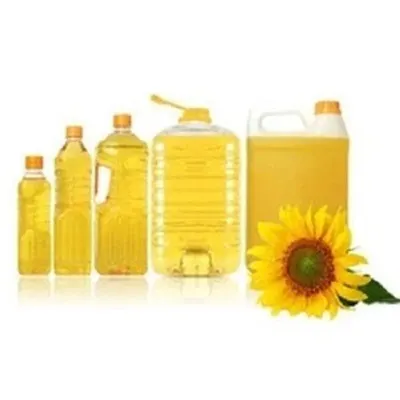
Ukraine lists five active products under BIO EKO LIFE. The catalogue covers Sunflower Oil Refined, Sugar, Flour, Milk Powder and Honey, reflecting the supplier’s focus on staple food commodities and edible oils.
The product titles correspond to standard HS code families: vegetable oils (chapter 15), sugars (chapter 17), cereal flours (chapter 11), dairy powders (chapter 04) and honey (chapter 04). Each entry is presented without additional branding, allowing buyers to match the items to typical import specifications.
Product Range and Specialties of BIO EKO LIFE
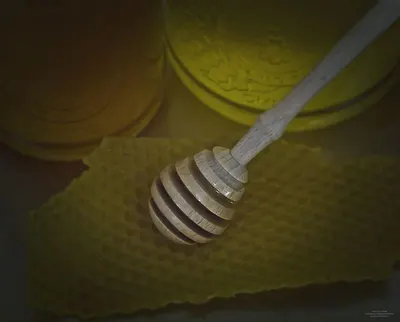
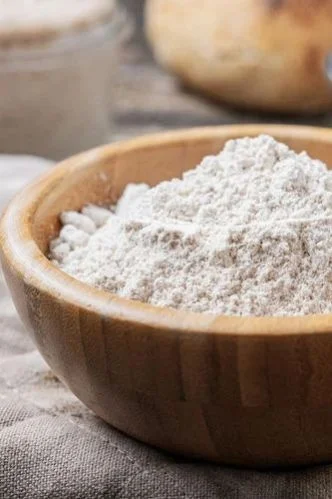
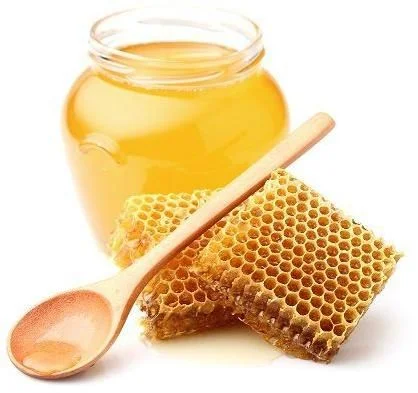
BIO EKO LIFE’s catalogue includes refined sunflower oil, which in international trade is usually specified with free fatty acid content below 0.1 %, iodine value around 120 g I₂/100 g and a smoke point near 232 °C. Refined sugar is commonly traded to the ICUMSA 45 grade, with moisture under 0.04 % and ash below 0.02 %. Flour listings generally refer to wheat flour with ash 0.5‑0.6 % and protein 10‑12 % (sometimes labelled as “type 550” or “type 650”). Milk powder is typically skimmed, containing 250‑280 g protein per kg and moisture under 5 %. Honey exported from Ukraine is often monofloral, with moisture content below 20 % and a diastase activity meeting EU standards.
Trade and Export Information - BIO EKO LIFE
Ukraine is a recognized exporter of edible oils, sugars, cereals, dairy powders and honey, with primary markets in the European Union, the Middle East and North Africa. The relevant HS codes are 1509 (Refined sunflower oil), 1701 (Sugar), 1101 (Wheat flour), 0402 (Skim milk powder) and 0409 (Honey). Buyers frequently require certifications such as ISO 22000, HACCP, and EU food‑safety compliance, plus any organic or non‑GMO attestations that the supplier can provide. Standard export packaging includes 200 L steel drums for oil, bulk 25 kg polypropylene bags for sugar, flour and milk powder, and tin cans or 200 kg drums for honey. Typical Incoterms are FOB or CIF, with shipment by sea in 20 ft or 40 ft containers depending on volume.
Sourcing from BIO EKO LIFE - Buyer Guidance
When sourcing from BIO EKO LIFE, request the latest laboratory analysis for each product: free fatty acid and peroxide value for oil, ICUMSA grade report for sugar, moisture and protein content for flour and milk powder, and pollen count and moisture for honey. Verify that the supplier can provide ISO 22000 or HACCP certificates, as well as any country‑specific phytosanitary or origin certificates required by the importing jurisdiction. Confirm packaging details (drum size, bag type, labeling) and ensure that the shipment complies with the HS code declarations to avoid customs delays.
Frequently Asked Questions About BIO EKO LIFE
What HS codes are used for BIO EKO LIFE’s products?
The standard HS codes are 1509 for refined sunflower oil, 1701 for sugar, 1101 for flour, 0402 for milk powder and 0409 for honey.
Which quality grades should a buyer expect for the refined sunflower oil?
Typical export grades specify free fatty acid < 0.1 %, iodine value around 120 g I₂/100 g and a smoke point of about 232 °C.
What documentation is recommended before placing an order?
Buyers should request a recent ISO 22000 or HACCP certificate, a product analysis report, and any required phytosanitary or origin certificates for the destination country.
What are the usual packaging formats for the sugar and flour?
Both sugar and flour are commonly packed in 25 kg polypropylene bulk bags, suitable for container loading and easy handling at the port.
Which markets commonly import Ukrainian honey?
European Union members, Gulf Cooperation Council states and North African countries are the main importers of Ukrainian honey.
What minimum order quantities (MOQ) are typical for milk powder?
Export shipments often start at a full 20 ft container, which can hold roughly 12 000 kg of milk powder, but smaller bulk bag orders are also accepted depending on the buyer’s logistics.
Which certifications are usually required for the flour?
Importers generally request a certificate of analysis showing protein 10‑12 % and ash 0.5‑0.6 %, along with ISO 22000 food‑safety certification.
How is the sunflower oil usually shipped?
The oil is most often loaded in 200 L steel drums, which are then palletised for transport in a 20 ft or 40 ft container under FOB or CIF terms.




 , Ukraine