Biju Thadathil Farm Resort — Supplier
About Biju Thadathil Farm Resort - Honey Supplier in India
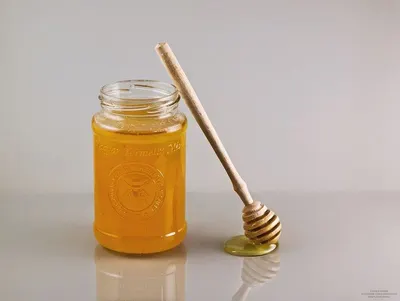
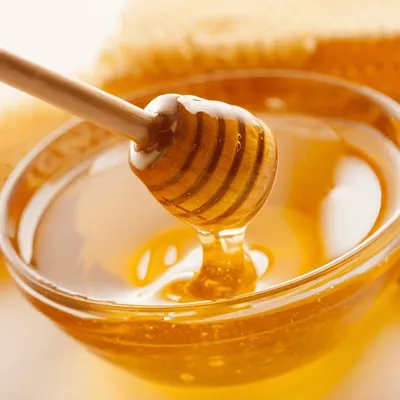
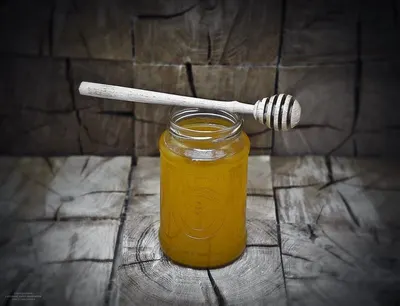
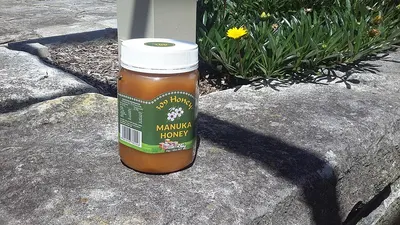
India is the origin of Biju Thadathil Farm Resort, a farm‑based supplier that currently lists 18 active honey products. The catalogue covers a variety of monofloral and multifloral honeys sourced from different botanical origins across the Indian sub‑continent. Each entry is identified by its floral source, such as Litchi, Tulsi, Ajwain, and Kashmir White, and includes a specialized product line of Manuka honey. The supplier also offers a 15 g honey spoon for retail packaging. All products fall under the broader honey category as defined in trade classifications.
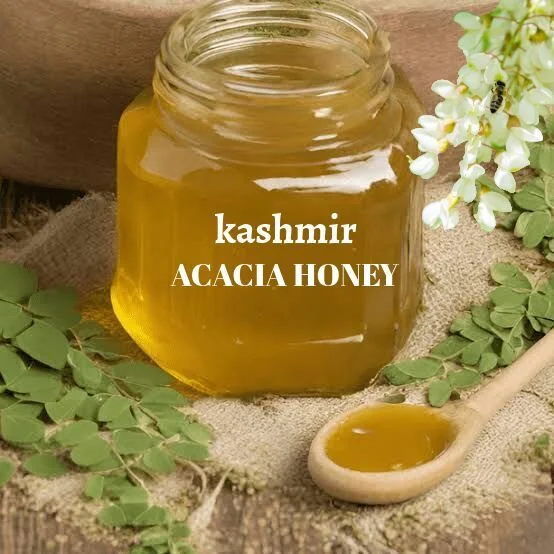
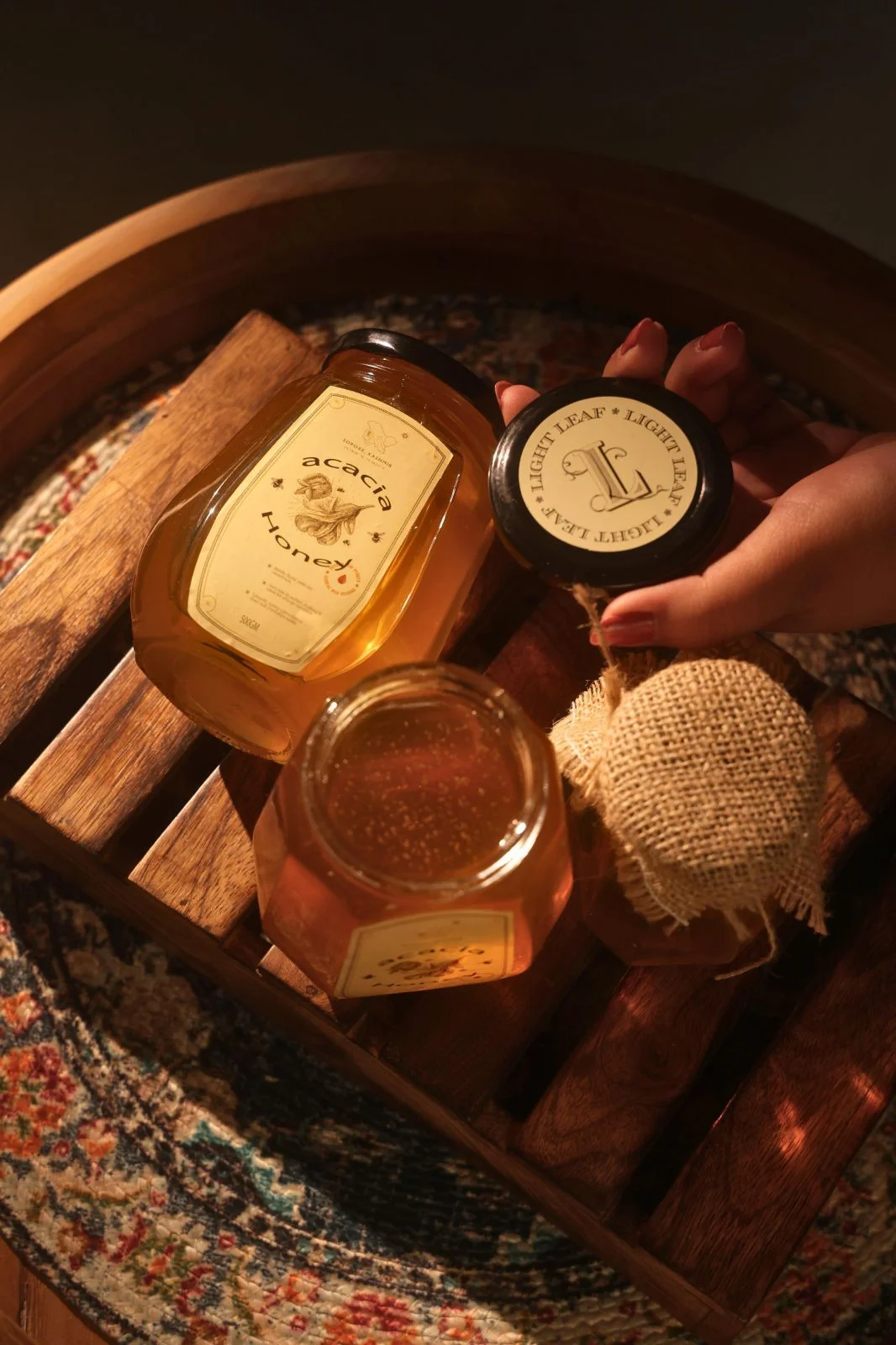
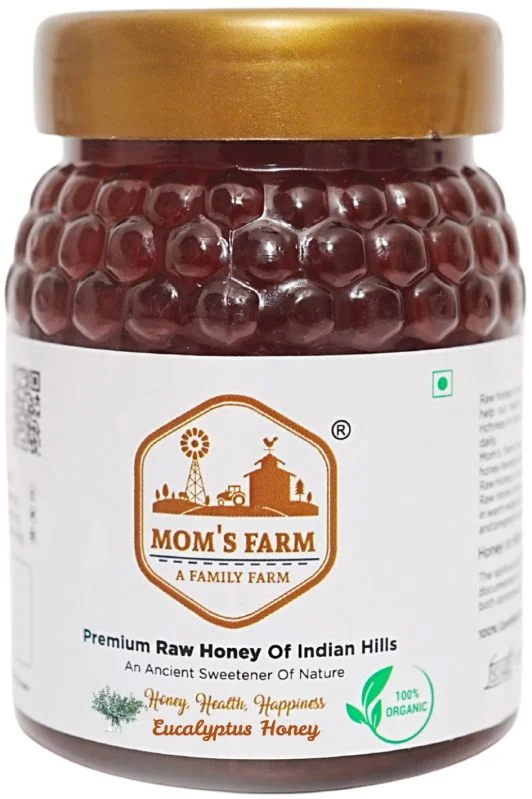
The product range comprises Multiflora Farm Honey, Litchi Honey, Tulsi Honey, Ajwain Honey, Kashmir White Honey, Rosewood Honey, Neem Honey, Himalayan Honey, Eucalyptus Honey, Berry/Sidr Honey, Wild Forest Honey, Acacia Honey, Kashmir Multiflora Honey, Jamun Honey, Stingless Bee Honey, Natural Bee Honey, Manuka Honey, and a Honey Spoon - 15 g. These items correspond to the HS chapter 04 for natural honey, although specific HS codes are not listed in the supplied data. The catalogue distinguishes between regular bee‑derived honey and specialty Manuka honey, which is marketed separately. No additional product attributes such as moisture content or UMF grade are supplied.
Product Range and Specialties of Biju Thadathil Farm Resort
The catalogue lists a broad spectrum of Indian honeys, each named after its dominant nectar source. In the honey trade, monofloral varieties such as Acacia, Eucalyptus, and Sidr are typically evaluated for moisture content below 20 %, diastase activity above 8 units, and hydroxymethylfurfural (HMF) levels under 40 mg kg⁻¹. Manuka honey is commonly graded by the Unique Manuka Factor (UMF) or MGO content, with premium grades starting at UMF 10+. Buyers also look for pollen spectrum analysis to verify botanical origin. Typical packaging for these products includes 250 g or 500 g glass jars, 1 kg tin cans, and bulk 25 kg food‑grade drums for industrial buyers.
Industry practice for honey export includes compliance with ISO 22000 food‑safety management and HACCP plans, as well as optional organic certification (USDA‑NOP or EU‑organic) when required by the destination market. Bulk shipments are usually palletised with 12‑inch drums, while retail‑size jars are packed in carton cases of 12 or 24 units. Labelling must meet the Codex Alimentarius standards for country of origin, net weight, and botanical source, and may include a QR code linking to a laboratory analysis report.
Trade and Export Information - Biju Thadathil Farm Resort
India is a growing exporter of natural honey, and the majority of shipments are classified under HS code 0409.00 (Natural honey, not containing added sugar). Primary import regions for Indian honey include the European Union, the United States, the Middle East, and Southeast Asian countries. Importers typically require a phytosanitary certificate, a certificate of origin, and a laboratory analysis confirming moisture, HMF, and pollen profile. Additional certifications such as ISO 22000, HACCP, and, where applicable, organic or fair‑trade certificates are commonly requested by buyers in regulated markets.
Logistically, a standard 20‑ft container can accommodate approximately 1 000 kg of honey in 25 kg drums, while a 40‑ft container can hold up to 2 000 kg. Freight is usually arranged on a CIF basis to major ports such as Rotterdam, New York, Dubai, and Singapore. Indian exporters must comply with the Food Safety and Standards Authority of India (FSSAI) regulations, which align with Codex standards for honey quality and safety.
Sourcing from Biju Thadathil Farm Resort - Buyer Guidance
When sourcing honey from this supplier, buyers should request a recent laboratory report covering moisture content, HMF level, diastase activity, and pollen analysis to confirm the declared floral source. For Manuka honey, the report should also include the UMF or MGO rating and a certificate of authenticity. Buyers are advised to verify that the supplier can provide the required phytosanitary certificate and any additional certifications demanded by the destination country, such as ISO 22000 or organic certification, before confirming the order.
Typical minimum order quantities for bulk honey range from 500 kg to 1 000 kg, depending on packaging format. Lead times for production and packaging are generally 30‑45 days after receipt of a confirmed purchase order and required documentation. Buyers should confirm packaging specifications (e.g., glass jar size, drum material) and arrange for temperature‑controlled transport if the shipment is destined for markets with strict food‑safety inspections.
Frequently Asked Questions About Biju Thadathil Farm Resort
What types of honey are listed in the catalogue?
The catalogue includes 17 named honey varieties - such as Multiflora Farm, Litchi, Tulsi, Ajwain, Kashmir White, Rosewood, Neem, Himalayan, Eucalyptus, Berry/Sidr, Wild Forest, Acacia, Kashmir Multiflora, Jamun, Stingless Bee, Natural Bee - plus Manuka honey and a 15 g honey spoon.
Does the supplier provide Manuka honey with a UMF grade?
Manuka honey is listed, but the supplied data does not specify a UMF or MGO rating. Buyers should request the UMF grade and a supporting laboratory analysis before purchase.
Which HS code applies to these honey products?
Honey products are generally classified under HS chapter 04, specifically HS code 0409.00 for natural honey, which covers the items listed in the catalogue.
What certifications are typically required for importing honey from India?
Importers usually ask for a phytosanitary certificate, a certificate of origin, and a food‑safety certificate such as ISO 22000 or HACCP. Organic or fair‑trade certifications are required only if the buyer’s market mandates them.
What is the usual packaging for bulk orders?
Bulk honey is commonly shipped in food‑grade 25 kg steel drums or 200 kg polyethylene containers. Retail formats are packed in 250 g or 500 g glass jars, often placed in cardboard cartons of 12 or 24 units.
What are typical minimum order quantities and lead times?
Bulk orders typically start at 500 kg, while smaller retail‑size orders may be accepted from 200 kg. Lead time from order confirmation to shipment is generally 30‑45 days, depending on packaging and documentation requirements.
How should a buyer verify the floral source of the honey?
Buyers should request a recent pollen spectrum analysis report, which identifies the predominant botanical source and confirms the product’s monofloral claim. The report, together with moisture and HMF data, provides a comprehensive quality verification.




 , India