Big Plantations — Verified Supplier
About Big Plantations - Agriculture Supplier in India
India is a major source of agricultural and herbal products, and Big Plantations lists 18 active items across its catalogue. The company’s catalogue includes Moringa oleifera leaves and seeds, Pedalium murex, Piper longum, dry Indian gooseberry (amla), a variety of dried flowers such as rose, jasmine, chamomile, marigold, hibiscus, calendula and tagetes, as well as dry lemon grass and Athea officinalis. It also offers several herbal extracts and products, including Tinospora cordifolia, and spice items like Black Pepper GL550 and whole Black Cardamom pods. The product list spans the top categories Agriculture, Dried Flowers, Pepper, Herbal Extracts, Herbal Products and Black Cardamom. All items are presented without specific certifications in the supplier profile.
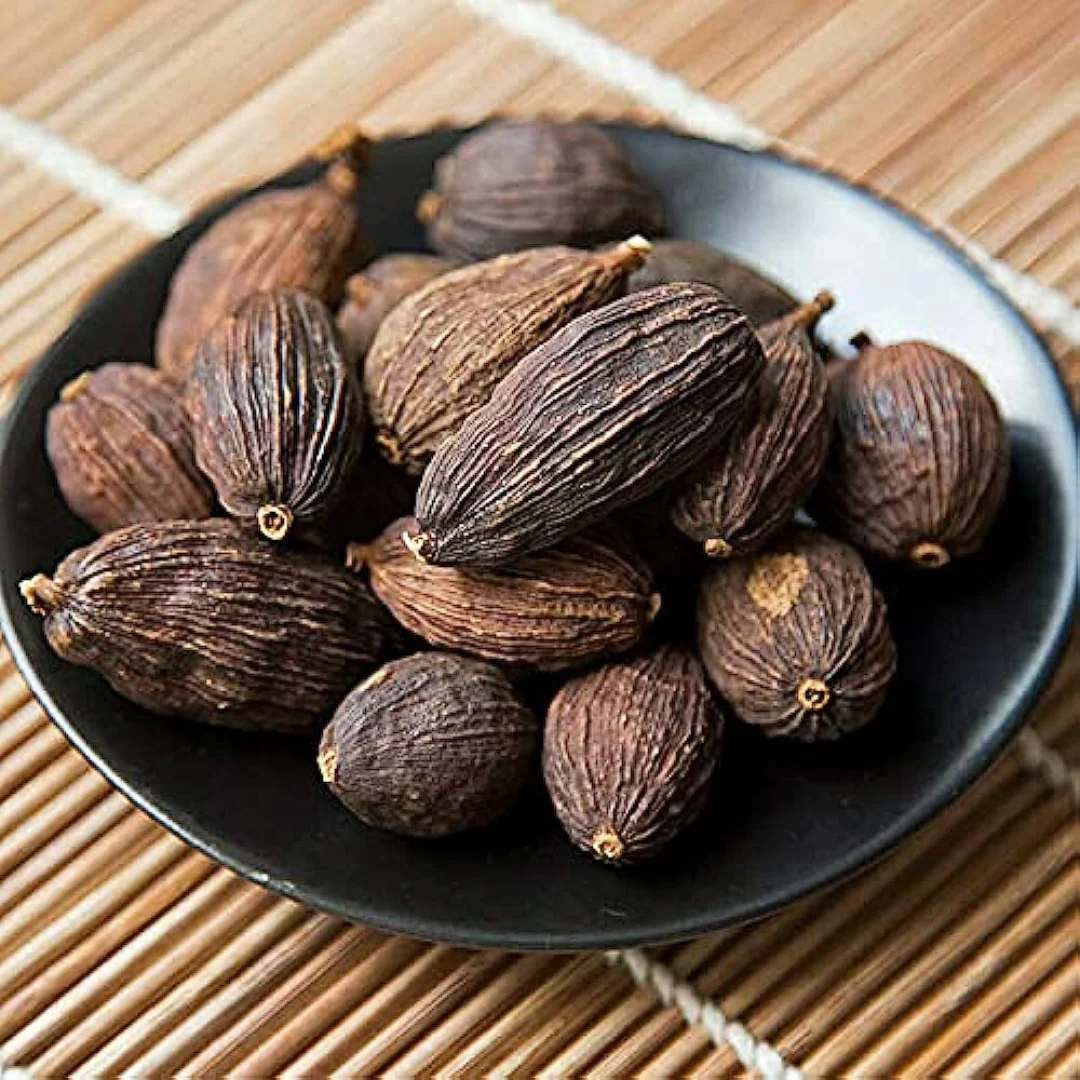
The only product with a supplied HS code is Whole Black Cardamom Pods, classified under HS 0908.30 as dried whole pods of Amomum subulatum. Other listed items fall under related HS chapters such as 0905 for pepper, 1211 for dried herbs and spices, and 1305 for other vegetable preparations, although exact codes are not provided. The catalogue reflects a focus on dried plant material and spice products that are commonly exported from India. Buyers can expect standard bulk packaging such as jute or polypropylene bags, and container loads typical for spice trade. The supplier is marked as an imported tier with a harbor trust rating.
Product Range and Specialties of Big Plantations
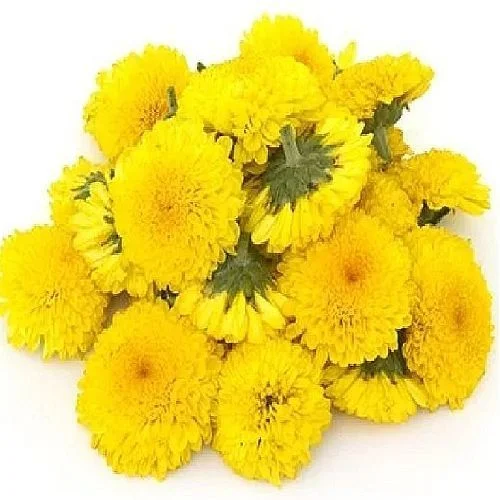
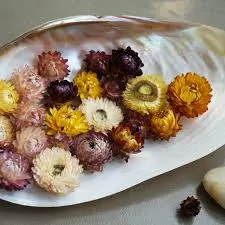
The catalogue covers dried botanical material that is typical of Indian spice and herbal sectors. Dried flowers such as rose, jasmine, chamomile and marigold are usually graded by colour intensity, petal integrity and moisture content below 8 %, with premium grades labelled “A” or “Super‑Premium”. Black Pepper GL550 is a high‑grade long‑kernel pepper often measured for essential oil content (≥45 %) and size (≥10 mm). Whole Black Cardamom pods are normally assessed for moisture below 12 %, pod length above 6 mm and free from mould. Herbal products like Tinospora cordifolia and Pedalium murex are frequently standardized to marker compounds (e.g., berberine, flavonoids) and supplied in powdered or sliced form with particle size 0.5‑2 mm. Bulk shipments are usually packed in 25 kg polypropylene bags or 1 ton jute sacks, suitable for 20‑ft or 40‑ft container loading.
Trade and Export Information - Big Plantations
India ranks among the top global exporters of spices, dried flowers and herbal extracts, with the European Union, United States, Middle East and Southeast Asia accounting for the largest share of demand. HS chapter 09 (e.g., 0905 for pepper, 0908 for cardamom) and chapter 12 (e.g., 1211 for dried herbs) dominate customs declarations for the products listed by Big Plantations. Importers typically require certificates such as ISO 9001, HACCP, FSSAI licence, phytosanitary certificate and, where applicable, organic certification (e.g., USDA‑NOP or EU‑EU). Standard logistics involve FOB or CIF terms, with goods loaded in 20‑ft containers (≈18 ton) for dried flowers or 40‑ft containers (≈35 ton) for bulk spices. Indian exporters also follow the Bureau of Indian Standards (BIS) guidelines for spice purity, moisture and pesticide residue limits, which are inspected by customs authorities in destination markets.
Sourcing from Big Plantations - Buyer Guidance
When sourcing from Big Plantations, buyers should request a recent phytosanitary certificate, a full product specification sheet and laboratory analysis reports covering moisture, ash, pesticide residues and any relevant marker compounds. For spice items like Black Pepper GL550 and Black Cardamom, buyers commonly verify size distribution, essential oil content and foreign matter limits before confirming order quantities. Minimum order quantities in the Indian spice trade are typically 500 kg for pepper and cardamom and 1 000 kg for bulk dried flowers, with lead times ranging from 30 to 45 days after sample approval. Packaging should be inspected for integrity of jute or polypropylene bags, and buyers may ask for a pre‑shipment inspection report to ensure compliance with BIS or EU standards.
Frequently Asked Questions About Big Plantations
What product categories does Big Plantations list?
The supplier lists items across Agriculture, Dried Flowers, Pepper, Herbal Extracts, Herbal Products and Black Cardamom, totaling 18 active products.
Is a HS code provided for any product?
Yes, Whole Black Cardamom Pods are listed with HS code 0908.30 and described as dried whole pods of Amomum subulatum.
Which certifications should a buyer request for these Indian spice and herbal products?
Buyers should ask for ISO 9001, HACCP, FSSAI licence, phytosanitary certificate and, if required, organic certification such as USDA‑NOP or EU‑EU.
What are typical packaging formats for the listed items?
Bulk items are normally packed in 25 kg polypropylene bags or 1 ton jute sacks, which are consolidated into 20‑ft or 40‑ft containers for ocean freight.
What are common minimum order quantities and lead times?
Typical MOQs are 500 kg for pepper and cardamom, 1 000 kg for dried flower batches, with lead times of 30‑45 days after sample acceptance.
How can a buyer verify product quality before shipment?
Request a recent laboratory analysis covering moisture, ash, pesticide residues and, for spices, essential oil content; a pre‑shipment inspection report can also be arranged.
Which markets commonly import the types of products offered by Big Plantations?
The European Union, United States, Middle East and Southeast Asian countries are the principal import markets for Indian dried flowers, spices and herbal extracts.
What Incoterms are typically used for shipping these goods from India?
Buyers usually negotiate FOB (Free on Board) or CIF (Cost, Insurance and Freight) terms, depending on the preferred responsibility for freight and insurance.




 , India