Balaji Exim — Verified Supplier

About Balaji Exim - Peanuts Supplier in India

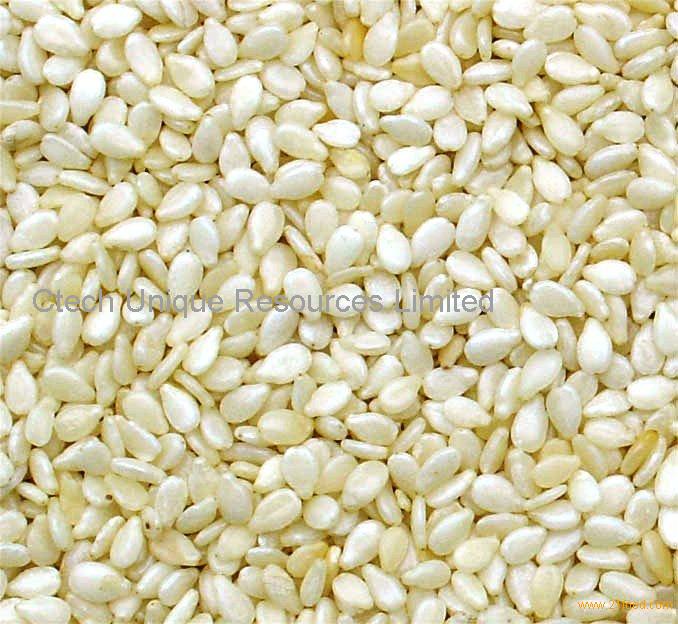
Balaji Exim operates from India and currently lists 18 distinct agricultural and industrial products. The catalogue includes peanuts, crude peanut oil, groundnut meal, soybean meal, corn gluten meal, sesame seeds, cumin seeds, coriander seeds, fenugreek seeds, mustard seeds, turmeric finger, dry red chilli, chickpeas, maize, raw cotton, reclaim rubber, bagasee products and Ld milky granules. The supplier is classified as an imported tier with a harbor trust tier, indicating participation in cross‑border trade channels. Each entry follows the standard commodity naming used in international trade for nuts, oilseeds, spices, legumes, cereals, textile raw material and rubber.

The product mix reflects India’s major export categories, where oilseed kernels such as peanuts, sesame and mustard generate significant foreign‑exchange earnings, and spice seeds like cumin, coriander and turmeric rank among high‑value agricultural exports. Inclusion of reclaim rubber and raw cotton aligns with India’s diversified raw‑material export portfolio that serves automotive, textile and manufacturing industries worldwide.

Product Range and Specialties of Balaji Exim

Balaji Exim’s catalogue spans several commodity families: edible nuts (peanuts), oilseed meals (soybean meal, corn gluten meal, groundnut meal), seed oils (crude peanut oil), spice seeds (cumin, coriander, fenugreek, mustard, turmeric finger, dry red chilli), legumes (chickpeas), cereals (maize), textile raw material (raw cotton) and industrial rubber (reclaim rubber). In the global market, peanuts are typically graded A‑A‑B based on size, moisture below 5 % and aflatoxin limits of 10 µg/kg. Soybean and corn meals are evaluated for protein content (44‑48 % for soybean meal, 30‑35 % for corn gluten meal) and low oil residuals. Sesame and mustard seeds are often traded with oil content specifications of 45‑55 % and moisture under 6 %.

Typical quality specifications for the listed spices include moisture below 12 %, essential oil content (e.g., cumin 1‑2 %) and compliance with maximum pesticide residue limits set by the importing country. Raw cotton is usually measured by staple length (mm) and micronaire value, while reclaim rubber is assessed for ash content and tensile strength.

Trade and Export Information - Balaji Exim

India is a leading exporter of oilseeds, spice seeds and legume kernels to regions such as the Middle East, Southeast Asia, the European Union and the United States. Buyers typically require phytosanitary certificates, a certificate of origin and, for food‑grade items, compliance with HACCP or ISO 22000 food safety standards. Shipping is commonly arranged in 20‑ft or 40‑ft containers using polypropylene or jute bags (25 kg‑50 kg) for nuts and seeds, while bulk containers are used for reclaimed rubber and cotton bales. The HS‑code chapters relevant to these commodities include Chapter 12 (oilseeds and nuts), Chapter 09 (spices), Chapter 10 (cereals) and Chapter 40 (rubber).

Indian exporters often work with freight forwarders familiar with the Incoterms CIF or FOB, and they must ensure compliance with destination‑country import regulations such as maximum pesticide residues for spices or aflatoxin limits for peanuts. The country’s established port infrastructure in Mumbai, Chennai and Mundra facilitates efficient loading of containerised bulk agricultural goods.

Sourcing from Balaji Exim - Buyer Guidance

Prospective buyers should request a recent Certificate of Analysis that details moisture, oil content, protein levels and any contaminant testing (aflatoxin for peanuts, pesticide residues for spices). A phytosanitary certificate issued by the Indian Plant Quarantine authority is standard for all seed and legume shipments. Verifying the supplier’s ability to provide ISO 22000 or HACCP documentation can help confirm food‑safety compliance.

Typical minimum order quantities range from 10 metric tonnes for bulk spices to 20 metric tonnes for oilseed kernels, with lead times of 30‑45 days after order confirmation. Packaging is usually in 25 kg‑50 kg polypropylene bags for nuts and seeds, and in standard cotton bales for raw cotton. Buyers should confirm container loading plans and request pre‑shipment inspection reports if required by the importing country.

Frequently Asked Questions About Balaji Exim

What product categories does Balaji Exim list for export?

The supplier lists peanuts, crude peanut oil, groundnut meal, soybean meal, corn gluten meal, sesame seeds, cumin seeds, coriander seeds, fenugreek seeds, mustard seeds, turmeric finger, dry red chilli, chickpeas, maize, raw cotton, reclaim rubber, bagasee products and Ld milky granules.

How can a buyer obtain a sample of the peanuts or spices?

Buyers can request a sample by specifying the desired grade (e.g., A‑grade peanuts or premium cumin) and the supplier will arrange shipment of a 5 kg or 10 kg sample in sealed poly bags, typically under an FOB term.

Which certifications should a buyer ask for when ordering food‑grade items?

Typical certifications include a Certificate of Analysis, phytosanitary certificate, and food‑safety compliance such as ISO 22000 or HACCP. Export documentation may also include a certificate of origin.

What are the common quality parameters for soybean meal and corn gluten meal?

Soybean meal is usually evaluated for 44‑48 % protein, 1‑2 % oil, moisture below 12 % and low fiber. Corn gluten meal is assessed for 30‑35 % protein, 2‑3 % oil, moisture under 13 % and high lysine content.

What packaging formats are used for the oilseed and spice shipments?

Oilseed kernels and spice seeds are commonly packed in 25 kg or 50 kg polypropylene bags, stacked on pallets for container loading. Reclaimed rubber is shipped in bulk sacks or as bales, while raw cotton is packed in standard 50 kg bales.

Which Incoterms are typically applied to Balaji Exim’s exports?

Exports are usually quoted on FOB (Free on Board) from Indian ports such as Mumbai or Chennai, and buyers may also negotiate CIF (Cost, Insurance, Freight) depending on market practice.

What are the typical lead times and minimum order quantities?

Lead times range from 30 to 45 days after order confirmation. Minimum order quantities are generally 10 metric tonnes for spices and 20 metric tonnes for oilseed kernels, though larger volumes are common for bulk commodities.

Are there any specific import restrictions for the listed commodities?

Importing countries often enforce maximum pesticide residue limits for spices and aflatoxin limits for peanuts. Buyers should verify the destination country’s regulations and request compliance test results as part of the pre‑shipment documentation.


Other Suppliers in Peanuts

Top Trusted Suppliers

Related Products in Peanuts

Trending in Parent Category

More Suppliers in Parent Category

Related Products

Other Suppliers

EximNext
58.4K+ live requirements
Register Free🎁 5 free buy-lead credits
Post Requirement
🌍 Trusted by 224.4K+ businesses in 200+ countries|
58.4K+ active requirements right now
✉️ [email protected]
|
Sell on EximNextPost Requirement
EximNext
AgricultureApparelConstructionElectronicFoodHomeIndustrialMineralsMiscellaneous
🔥 Deals|✨ AI Match|🏭 Suppliers|📋 Buy Leads|💰 Trade Finance|⭐ Upgrade
58.4K+ live RFQs·194.4K+ suppliers
🎁 5 free credits →
EximNext
EximNext
Register Free
🎁 5 free buy-lead credits
Sign In
📋Post Requirement💬Get QuotesAI Match📋RFQ Marketplace
All Categories
Services & Tools
🏭Supplier Directory🔥Today's Deals💰Trade FinanceMembership
Sell on EximNext
AboutContactBlogHelp
🏭

Balaji Exim

Harbor
Country flag , India
🛡️
81/100
Trust Score

Balaji Exim Product Catalog

Showing 12 of 18 products
View all products →
Ld milky granules
Harbor
Ld milky granules
Contact
MOQ: 1 Unit
Bagasee Products
Harbor
Bagasee Products
Contact
MOQ: 1 Unit
Groundnut Meal/ Peanut Meal
Harbor
Groundnut Meal/ Peanut Meal
Contact
MOQ: 1 Unit
Dry Red Chilli
Harbor
Dry Red Chilli
Contact
MOQ: 1 Unit
Crude Peanut Oil
Harbor
Crude Peanut Oil
Contact
MOQ: 1 Unit
Row Cotton
Harbor
Row Cotton
Contact
MOQ: 1 Unit
Reclaim Rubber
Harbor
Reclaim Rubber
Contact
MOQ: 1 Unit
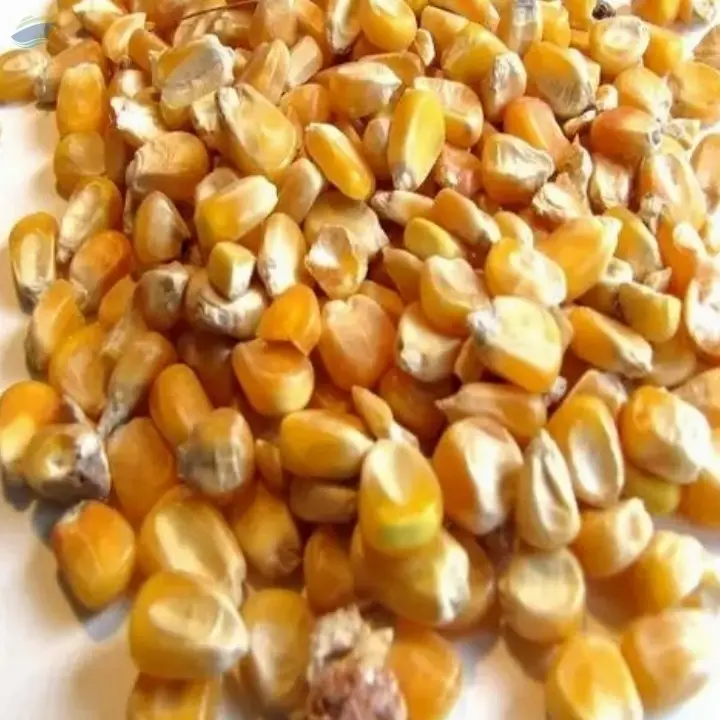
Maize
Harbor
Maize
Contact
MOQ: 1 Unit
Chick Peas
Harbor
Chick Peas
Contact
MOQ: 1 Unit
Turmeric Finger
Harbor
Turmeric Finger
Contact
MOQ: 1 Unit
Mustard Seeds
Harbor
Mustard Seeds
Contact
MOQ: 1 Unit
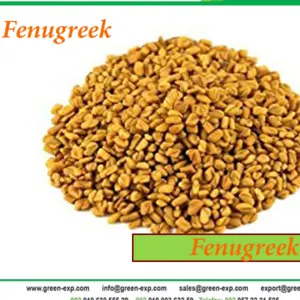
Fenugreek Seeds
Harbor
Fenugreek Seeds
Contact
MOQ: 1 Unit

About Balaji Exim - Peanuts Supplier in India

Balaji Exim operates from India and currently lists 18 distinct agricultural and industrial products. The catalogue includes peanuts, crude peanut oil, groundnut meal, soybean meal, corn gluten meal, sesame seeds, cumin seeds, coriander seeds, fenugreek seeds, mustard seeds, turmeric finger, dry red chilli, chickpeas, maize, raw cotton, reclaim rubber, bagasee products and Ld milky granules. The supplier is classified as an imported tier with a harbor trust tier, indicating participation in cross‑border trade channels. Each entry follows the standard commodity naming used in international trade for nuts, oilseeds, spices, legumes, cereals, textile raw material and rubber.

The product mix reflects India’s major export categories, where oilseed kernels such as peanuts, sesame and mustard generate significant foreign‑exchange earnings, and spice seeds like cumin, coriander and turmeric rank among high‑value agricultural exports. Inclusion of reclaim rubber and raw cotton aligns with India’s diversified raw‑material export portfolio that serves automotive, textile and manufacturing industries worldwide.

Product Range and Specialties of Balaji Exim

Balaji Exim’s catalogue spans several commodity families: edible nuts (peanuts), oilseed meals (soybean meal, corn gluten meal, groundnut meal), seed oils (crude peanut oil), spice seeds (cumin, coriander, fenugreek, mustard, turmeric finger, dry red chilli), legumes (chickpeas), cereals (maize), textile raw material (raw cotton) and industrial rubber (reclaim rubber). In the global market, peanuts are typically graded A‑A‑B based on size, moisture below 5 % and aflatoxin limits of 10 µg/kg. Soybean and corn meals are evaluated for protein content (44‑48 % for soybean meal, 30‑35 % for corn gluten meal) and low oil residuals. Sesame and mustard seeds are often traded with oil content specifications of 45‑55 % and moisture under 6 %.

Typical quality specifications for the listed spices include moisture below 12 %, essential oil content (e.g., cumin 1‑2 %) and compliance with maximum pesticide residue limits set by the importing country. Raw cotton is usually measured by staple length (mm) and micronaire value, while reclaim rubber is assessed for ash content and tensile strength.

Trade and Export Information - Balaji Exim

India is a leading exporter of oilseeds, spice seeds and legume kernels to regions such as the Middle East, Southeast Asia, the European Union and the United States. Buyers typically require phytosanitary certificates, a certificate of origin and, for food‑grade items, compliance with HACCP or ISO 22000 food safety standards. Shipping is commonly arranged in 20‑ft or 40‑ft containers using polypropylene or jute bags (25 kg‑50 kg) for nuts and seeds, while bulk containers are used for reclaimed rubber and cotton bales. The HS‑code chapters relevant to these commodities include Chapter 12 (oilseeds and nuts), Chapter 09 (spices), Chapter 10 (cereals) and Chapter 40 (rubber).

Indian exporters often work with freight forwarders familiar with the Incoterms CIF or FOB, and they must ensure compliance with destination‑country import regulations such as maximum pesticide residues for spices or aflatoxin limits for peanuts. The country’s established port infrastructure in Mumbai, Chennai and Mundra facilitates efficient loading of containerised bulk agricultural goods.

Sourcing from Balaji Exim - Buyer Guidance

Prospective buyers should request a recent Certificate of Analysis that details moisture, oil content, protein levels and any contaminant testing (aflatoxin for peanuts, pesticide residues for spices). A phytosanitary certificate issued by the Indian Plant Quarantine authority is standard for all seed and legume shipments. Verifying the supplier’s ability to provide ISO 22000 or HACCP documentation can help confirm food‑safety compliance.

Typical minimum order quantities range from 10 metric tonnes for bulk spices to 20 metric tonnes for oilseed kernels, with lead times of 30‑45 days after order confirmation. Packaging is usually in 25 kg‑50 kg polypropylene bags for nuts and seeds, and in standard cotton bales for raw cotton. Buyers should confirm container loading plans and request pre‑shipment inspection reports if required by the importing country.

Frequently Asked Questions About Balaji Exim

What product categories does Balaji Exim list for export?

The supplier lists peanuts, crude peanut oil, groundnut meal, soybean meal, corn gluten meal, sesame seeds, cumin seeds, coriander seeds, fenugreek seeds, mustard seeds, turmeric finger, dry red chilli, chickpeas, maize, raw cotton, reclaim rubber, bagasee products and Ld milky granules.

How can a buyer obtain a sample of the peanuts or spices?

Buyers can request a sample by specifying the desired grade (e.g., A‑grade peanuts or premium cumin) and the supplier will arrange shipment of a 5 kg or 10 kg sample in sealed poly bags, typically under an FOB term.

Which certifications should a buyer ask for when ordering food‑grade items?

Typical certifications include a Certificate of Analysis, phytosanitary certificate, and food‑safety compliance such as ISO 22000 or HACCP. Export documentation may also include a certificate of origin.

What are the common quality parameters for soybean meal and corn gluten meal?

Soybean meal is usually evaluated for 44‑48 % protein, 1‑2 % oil, moisture below 12 % and low fiber. Corn gluten meal is assessed for 30‑35 % protein, 2‑3 % oil, moisture under 13 % and high lysine content.

What packaging formats are used for the oilseed and spice shipments?

Oilseed kernels and spice seeds are commonly packed in 25 kg or 50 kg polypropylene bags, stacked on pallets for container loading. Reclaimed rubber is shipped in bulk sacks or as bales, while raw cotton is packed in standard 50 kg bales.

Which Incoterms are typically applied to Balaji Exim’s exports?

Exports are usually quoted on FOB (Free on Board) from Indian ports such as Mumbai or Chennai, and buyers may also negotiate CIF (Cost, Insurance, Freight) depending on market practice.

What are the typical lead times and minimum order quantities?

Lead times range from 30 to 45 days after order confirmation. Minimum order quantities are generally 10 metric tonnes for spices and 20 metric tonnes for oilseed kernels, though larger volumes are common for bulk commodities.

Are there any specific import restrictions for the listed commodities?

Importing countries often enforce maximum pesticide residue limits for spices and aflatoxin limits for peanuts. Buyers should verify the destination country’s regulations and request compliance test results as part of the pre‑shipment documentation.

About Balaji Exim - Peanuts Supplier in India

Balaji Exim operates from India and currently lists 18 distinct agricultural and industrial products. The catalogue includes peanuts, crude peanut oil, groundnut meal, soybean meal, corn gluten meal, sesame seeds, cumin seeds, coriander seeds, fenugreek seeds, mustard seeds, turmeric finger, dry red chilli, chickpeas, maize, raw cotton, reclaim rubber, bagasee products and Ld milky granules. The supplier is classified as an imported tier with a harbor trust tier, indicating participation in cross‑border trade channels. Each entry follows the standard commodity naming used in international trade for nuts, oilseeds, spices, legumes, cereals, textile raw material and rubber.

The product mix reflects India’s major export categories, where oilseed kernels such as peanuts, sesame and mustard generate significant foreign‑exchange earnings, and spice seeds like cumin, coriander and turmeric rank among high‑value agricultural exports. Inclusion of reclaim rubber and raw cotton aligns with India’s diversified raw‑material export portfolio that serves automotive, textile and manufacturing industries worldwide.

Product Range and Specialties of Balaji Exim

Balaji Exim’s catalogue spans several commodity families: edible nuts (peanuts), oilseed meals (soybean meal, corn gluten meal, groundnut meal), seed oils (crude peanut oil), spice seeds (cumin, coriander, fenugreek, mustard, turmeric finger, dry red chilli), legumes (chickpeas), cereals (maize), textile raw material (raw cotton) and industrial rubber (reclaim rubber). In the global market, peanuts are typically graded A‑A‑B based on size, moisture below 5 % and aflatoxin limits of 10 µg/kg. Soybean and corn meals are evaluated for protein content (44‑48 % for soybean meal, 30‑35 % for corn gluten meal) and low oil residuals. Sesame and mustard seeds are often traded with oil content specifications of 45‑55 % and moisture under 6 %.

Typical quality specifications for the listed spices include moisture below 12 %, essential oil content (e.g., cumin 1‑2 %) and compliance with maximum pesticide residue limits set by the importing country. Raw cotton is usually measured by staple length (mm) and micronaire value, while reclaim rubber is assessed for ash content and tensile strength.

Trade and Export Information - Balaji Exim

India is a leading exporter of oilseeds, spice seeds and legume kernels to regions such as the Middle East, Southeast Asia, the European Union and the United States. Buyers typically require phytosanitary certificates, a certificate of origin and, for food‑grade items, compliance with HACCP or ISO 22000 food safety standards. Shipping is commonly arranged in 20‑ft or 40‑ft containers using polypropylene or jute bags (25 kg‑50 kg) for nuts and seeds, while bulk containers are used for reclaimed rubber and cotton bales. The HS‑code chapters relevant to these commodities include Chapter 12 (oilseeds and nuts), Chapter 09 (spices), Chapter 10 (cereals) and Chapter 40 (rubber).

Indian exporters often work with freight forwarders familiar with the Incoterms CIF or FOB, and they must ensure compliance with destination‑country import regulations such as maximum pesticide residues for spices or aflatoxin limits for peanuts. The country’s established port infrastructure in Mumbai, Chennai and Mundra facilitates efficient loading of containerised bulk agricultural goods.

Sourcing from Balaji Exim - Buyer Guidance

Prospective buyers should request a recent Certificate of Analysis that details moisture, oil content, protein levels and any contaminant testing (aflatoxin for peanuts, pesticide residues for spices). A phytosanitary certificate issued by the Indian Plant Quarantine authority is standard for all seed and legume shipments. Verifying the supplier’s ability to provide ISO 22000 or HACCP documentation can help confirm food‑safety compliance.

Typical minimum order quantities range from 10 metric tonnes for bulk spices to 20 metric tonnes for oilseed kernels, with lead times of 30‑45 days after order confirmation. Packaging is usually in 25 kg‑50 kg polypropylene bags for nuts and seeds, and in standard cotton bales for raw cotton. Buyers should confirm container loading plans and request pre‑shipment inspection reports if required by the importing country.

Frequently Asked Questions About Balaji Exim
What product categories does Balaji Exim list for export?
The supplier lists peanuts, crude peanut oil, groundnut meal, soybean meal, corn gluten meal, sesame seeds, cumin seeds, coriander seeds, fenugreek seeds, mustard seeds, turmeric finger, dry red chilli, chickpeas, maize, raw cotton, reclaim rubber, bagasee products and Ld milky granules.
How can a buyer obtain a sample of the peanuts or spices?
Buyers can request a sample by specifying the desired grade (e.g., A‑grade peanuts or premium cumin) and the supplier will arrange shipment of a 5 kg or 10 kg sample in sealed poly bags, typically under an FOB term.
Which certifications should a buyer ask for when ordering food‑grade items?
Typical certifications include a Certificate of Analysis, phytosanitary certificate, and food‑safety compliance such as ISO 22000 or HACCP. Export documentation may also include a certificate of origin.
What are the common quality parameters for soybean meal and corn gluten meal?
Soybean meal is usually evaluated for 44‑48 % protein, 1‑2 % oil, moisture below 12 % and low fiber. Corn gluten meal is assessed for 30‑35 % protein, 2‑3 % oil, moisture under 13 % and high lysine content.
What packaging formats are used for the oilseed and spice shipments?
Oilseed kernels and spice seeds are commonly packed in 25 kg or 50 kg polypropylene bags, stacked on pallets for container loading. Reclaimed rubber is shipped in bulk sacks or as bales, while raw cotton is packed in standard 50 kg bales.
Which Incoterms are typically applied to Balaji Exim’s exports?
Exports are usually quoted on FOB (Free on Board) from Indian ports such as Mumbai or Chennai, and buyers may also negotiate CIF (Cost, Insurance, Freight) depending on market practice.
What are the typical lead times and minimum order quantities?
Lead times range from 30 to 45 days after order confirmation. Minimum order quantities are generally 10 metric tonnes for spices and 20 metric tonnes for oilseed kernels, though larger volumes are common for bulk commodities.
Are there any specific import restrictions for the listed commodities?
Importing countries often enforce maximum pesticide residue limits for spices and aflatoxin limits for peanuts. Buyers should verify the destination country’s regulations and request compliance test results as part of the pre‑shipment documentation.

🏭
Balaji Exim
Country flag , India
Harbor
81/100
Trust Score
📦
18
Products
Free to contact — no commission
Escrow payment available
Verified business identity
Compare more suppliers
Post a requirement — get 10 quotes free
Let verified suppliers compete for your business. Free, fast, no commitment.
EximNext Verified Supplier
Business identity verified
Physical address confirmed
Financial history checked
Certifications authenticated
Trade references validated
Due Diligence
Verify this supplier's real shipping history.
Every shipment, every buyer, every port. Trade data that can't be faked.
Run due diligence →
Discover More

Related Suppliers & Products

Explore similar suppliers, related products and trending categories

Other Suppliers in Peanuts

Top Trusted Suppliers

Related Products in Peanuts

Trending in Parent Category

More Suppliers in Parent Category

Stay ahead in global trade
Weekly market insights & new supplier alerts.
EximNext
Exim Next is a leading global B2B marketplace, connecting over 205,000 verified suppliers and buyers across 200+ countries. As a trusted import export marketplace, it serves as the essential B2B portal for businesses worldwide, empowering them to expand their international reach. With Exim Next, businesses can trade smarter and grow faster.
SECURE PAYMENTS
VISAMastercardPayPalSWIFTL/CEscrow
Follow us
© 2026 EximNext