Badun — Supplier
About Badun - Woolen Clothing/Sweater Supplier in Turkey
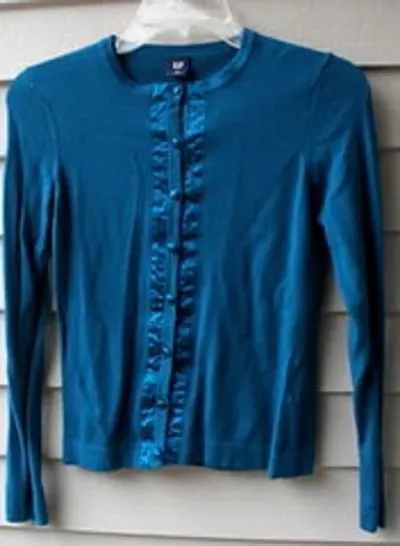
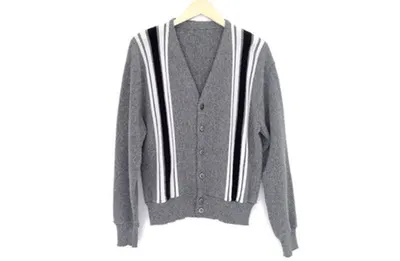
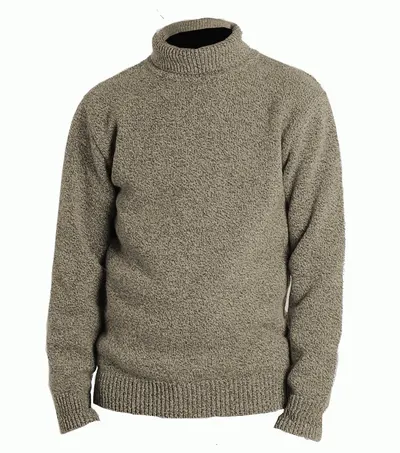
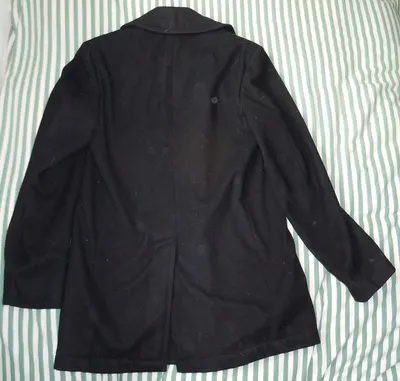
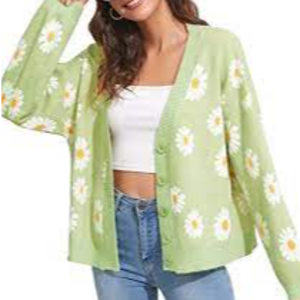
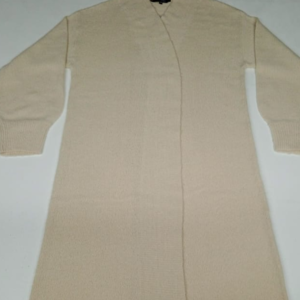
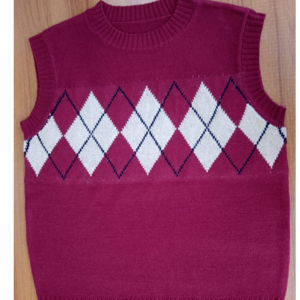
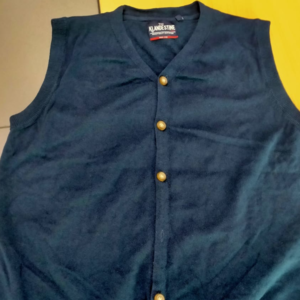
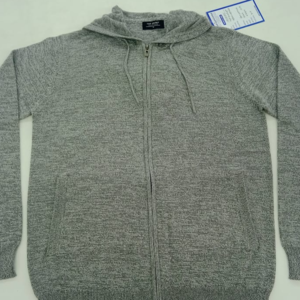
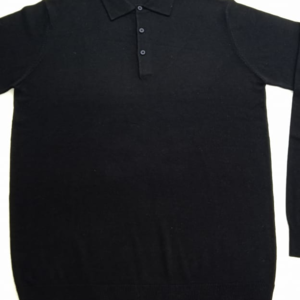
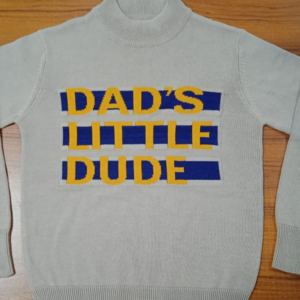
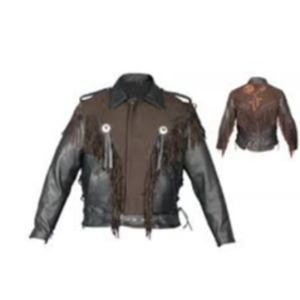
Turkey hosts Badun, an imported supplier that currently lists five active wool‑based apparel products. The catalogue includes generic Sweaters, a Ladies woolen jacket, a Ladies cardigan, a separate Sweater entry, and a Gents pullover, all falling under the Woolen Clothing/Sweater category. Each item is identified as a knitted or crocheted garment made primarily from wool fibers, which aligns with the HS chapter 61 family for woolen knitted apparel. Badun’s product count of five indicates a focused offering rather than a broad apparel line.
The supplier’s catalogue differentiates between gender‑specific items (ladies jacket, ladies cardigan, gents pullover) and unisex sweater styles, reflecting typical market segmentation in the woolen garment sector. While no specific HS codes are provided per product, the entire range would be classified under HS 61.09 for sweaters of wool, a common tariff heading for Turkish exporters. Badun’s presence in the Turkish market places it among a country that ranks among the top European wool producers and garment exporters.
Product Range and Specialties of Badun
Badun’s listed items comprise Sweaters, a Ladies woolen jacket, a Ladies cardigan, an additional Sweater entry, and a Gents pullover. All products are expected to be knitted garments, using wool as the primary material, and are marketed as seasonal outerwear or layering pieces. The catalogue does not specify blend ratios, but typical Turkish woolen garments use 100 % wool or wool‑cotton blends ranging from 70 % to 90 % wool content.
In the broader woolen clothing market, buyers encounter standard weight classes measured in grams per square metre (GSM); sweaters and jackets usually fall between 250 g/m² and 350 g/m², while cardigans may be lighter at 180 g/m² to 250 g/m². Common quality grades reference fiber fineness (e.g., Merino 18 µm or coarser) and yarn count (Nm / Tex). Industry certifications such as Oeko‑Tex Standard 100, ISO 9001 for quality management, and, where applicable, the Global Organic Textile Standard (GOTS) are frequently requested for wool garments destined for European markets.
Trade and Export Information - Badun
Turkey’s wool textile sector benefits from a well‑developed supply chain, with most exports routed to the European Union, the Gulf Cooperation Council, and Russia. Woolen garments from Turkey typically ship under FOB Istanbul or CIF Mediterranean ports, using 20‑foot or 40‑foot containers that can hold 1,000 - 1,200 sweater units depending on packaging. HS chapter 61, especially sub‑heading 61.09, governs customs duties and statistical reporting for knitted wool sweaters, and importers often require a Certificate of Origin and a Commercial Invoice that cites this HS code.
Buyers importing Turkish woolen apparel generally request compliance documents such as Oeko‑Tex test reports, shrinkage test results (ASTM D3105), and colorfastness to washing (ISO 105‑C06). Packaging standards include poly‑bagging each item, followed by bulk packing in double‑wall corrugated boxes, with labeling that lists fiber content, care instructions, and size. Common Incoterms for the region are FOB Istanbul for bulk orders and CIF for smaller shipments, allowing buyers to manage freight and insurance according to their logistics preferences.
Sourcing from Badun - Buyer Guidance
When sourcing from Badun, request detailed specifications for each garment, including fiber composition (e.g., 100 % wool or wool‑cotton blend), GSM weight, finished dimensions, and available size ranges. Obtain a pre‑production sample and ask for laboratory test reports covering shrinkage, pilling resistance (ASTM D4970), and any required Oeko‑Tex or ISO certifications before confirming bulk quantities.
Verify that the supplier can provide a Certificate of Origin and a commercial invoice that references HS 61.09 for woolen knitted garments. Clarify the minimum order quantity, which typically starts at 500 pieces per style for Turkish knitwear, and confirm lead times of 30‑45 days from order confirmation to shipment. Ensure packaging meets your market’s labeling and material requirements to avoid customs delays.
Frequently Asked Questions About Badun
What types of woolen garments does Badun list in its catalogue?
Badun lists Sweaters, a Ladies woolen jacket, a Ladies cardigan, an additional Sweater entry, and a Gents pullover, all classified under woolen knitted apparel.
How many active products does Badun currently offer?
The supplier has five active product listings in the Woolen Clothing/Sweater category.
Which HS code family would Badun’s products fall under?
Turkish woolen knitwear such as Badun’s sweaters and jackets is typically classified under HS chapter 61, sub‑heading 61.09 for knitted garments of wool.
What certifications are commonly required for Turkish wool sweaters?
Importers often request Oeko‑Tex Standard 100, ISO 9001 quality management certificates, and test reports for shrinkage, pilling, and colorfastness.
What are typical packaging and shipping methods for these garments?
Items are usually poly‑bagged, placed in double‑wall corrugated boxes, and shipped in 20‑ft or 40‑ft containers under FOB Istanbul or CIF Mediterranean ports.
What documentation should a buyer ask for before placing an order?
Buyers should ask for a detailed product specification sheet, fiber composition certificate, Oeko‑Tex test report, Certificate of Origin, and a commercial invoice that cites HS 61.09.
What is a common minimum order quantity for Turkish woolen knitwear?
The industry standard for bulk orders from Turkish knitwear suppliers is around 500 pieces per style, though exact MOQ should be confirmed with Badun.
What lead time can a buyer expect for Badun’s products?
Typical lead times range from 30 to 45 days from order confirmation to shipment, depending on order size and any required sample approvals.




 , Turkey