Anyang Daguan Metal Material Co. Ltd — Verified Supplier
About Anyang Daguan Metal Material Co. Ltd - Zinc Ingots Supplier in China
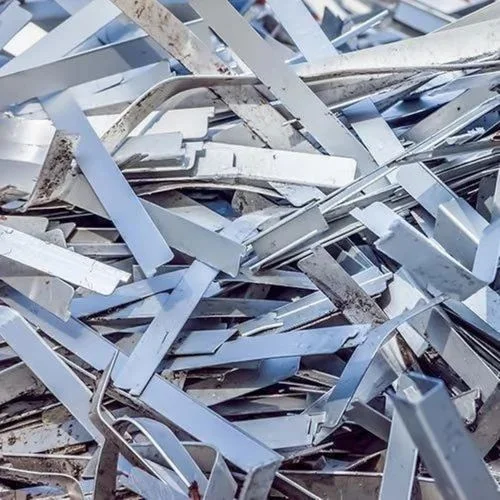
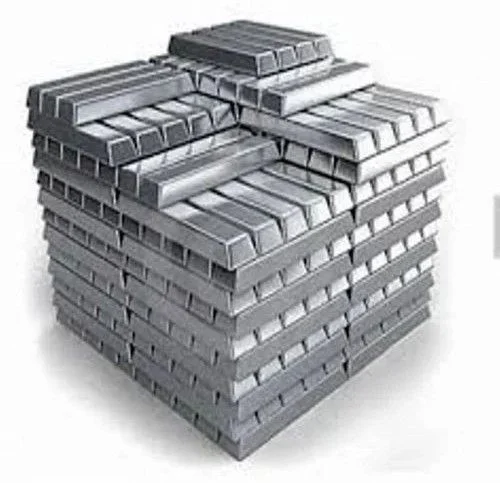
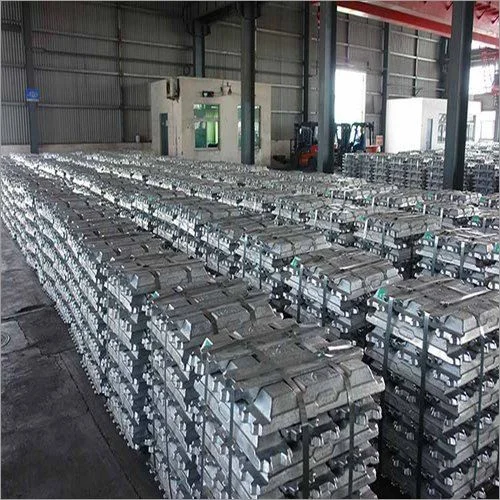
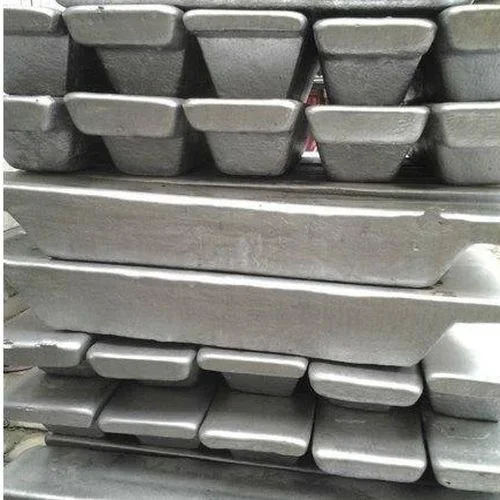
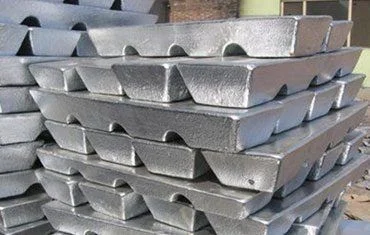
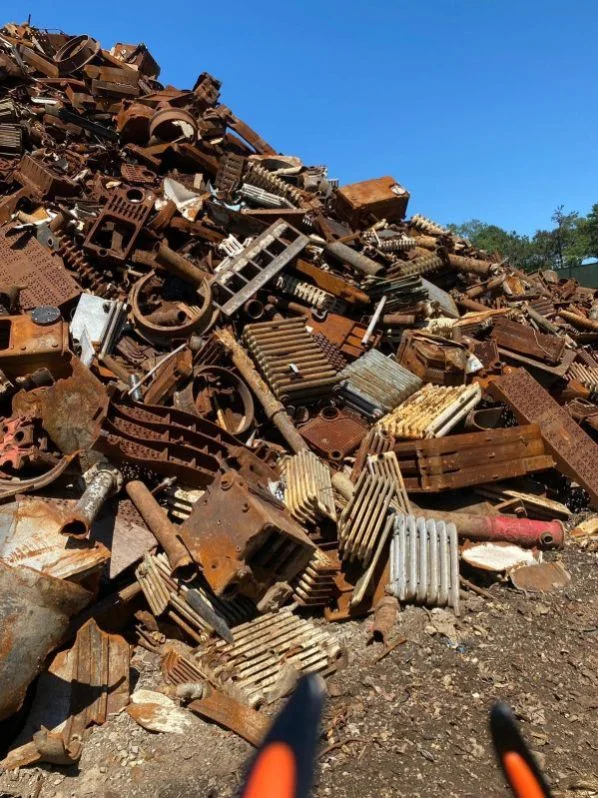
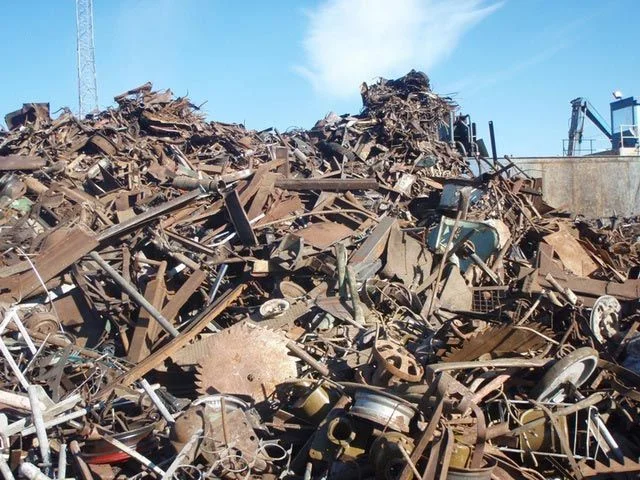
Anyang Daguan Metal Material Co. Ltd is based in China and currently lists 16 distinct metal products. The catalogue covers primary base metals such as zinc ingots, aluminum ingots and sheets, copper cathode and wire scrap, as well as specialty metals including cobalt, nickel and tin. Each product is classified under the relevant HS‑code families for non‑ferrous metals, for example zinc ingots fall under HS 7901, aluminum products under HS 7601‑7604, and copper cathode under HS 7403. The supplier’s top categories include zinc ingots, aluminum ingots, aluminum scrap, aluminum sheets, copper wire scrap, copper cathode, cobalt and nickel ore. The product list reflects both primary metal forms (ingots, bars) and recycled forms (scrap).
Product Range and Specialties of Anyang Daguan Metal Material Co. Ltd
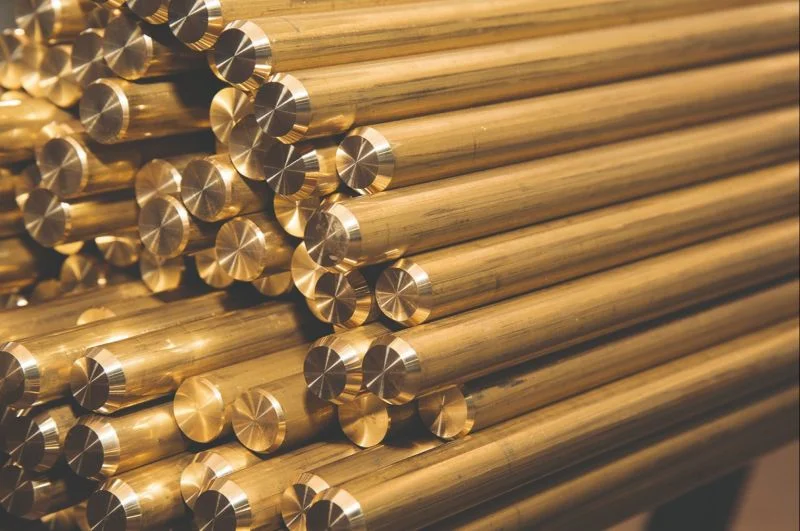
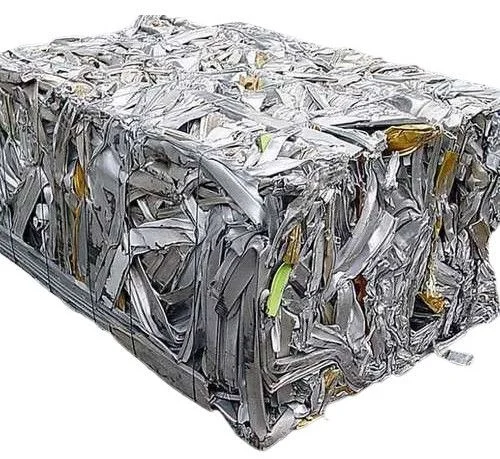
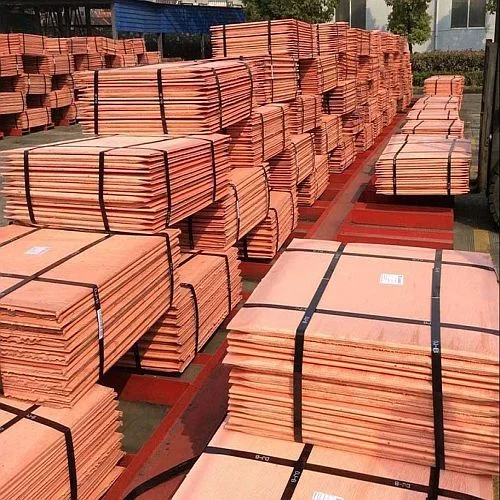
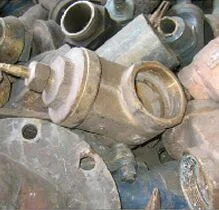
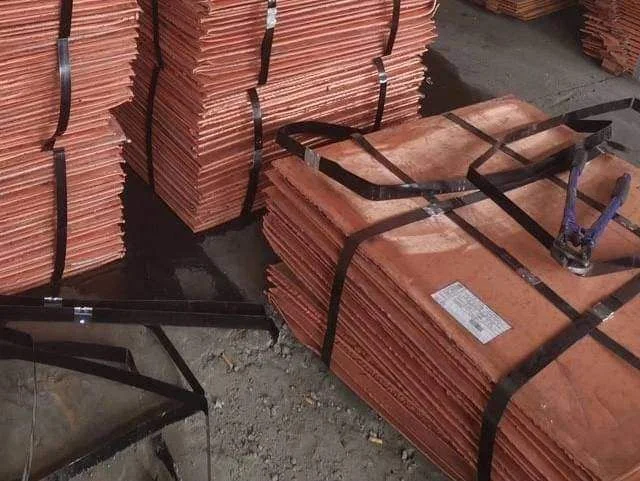
The detailed catalogue records items such as Aluminum Scrap (HS 7602.00, recycled aluminum of various grades), Aluminum Bar (HS 7604.29, alloy 6061/6063), Zinc Ingot (HS 7901.12, electrolytic zinc 99.995% SHG) and Copper Cathode (HS 7403.11, electrolytic copper 99.99% LME Grade A). Other entries include cobalt metal pieces (HS 8105.20, 99.5‑99.8% purity), nickel metal pieces (HS 7502.10, grade 200/210, 99.5‑99.99% purity) and tin ingot (HS 8001.10, 99.90% purity). The catalogue also lists zinc alloy ingot (HS 7901.20, Zamak‑type alloy), magnesium ingot (HS 8104.11, AZ91D alloy) and lead ingot (HS 7801.10, 99.97% minimum purity). In the broader industry, aluminum alloys 6061 and 6063 are commonly supplied to meet ASTM B221 sheet specifications, while electrolytic copper cathodes are graded to LME standards. Zinc ingots of 99.995% purity are typically required for galvanizing and are inspected against ISO 9001 quality management criteria.
Trade and Export Information - Anyang Daguan Metal Material Co. Ltd
China is a major exporter of non‑ferrous base metals, and shipments of zinc, aluminum, copper and specialty metals from Chinese ports are routinely directed to Europe, North America, Japan, South Korea and Southeast Asian manufacturing hubs. The HS‑code families present in this catalogue (e.g., 7601‑7604 for aluminum, 7901 for zinc, 7403‑7404 for copper) are subject to standard customs valuation and may require certificates of origin, material safety data sheets and compliance with REACH or RoHS where applicable. Buyers often request ISO 9001 or ISO 14001 certification to verify environmental and quality management, and many importers stipulate third‑party assay reports for purity verification. Bulk ingots and bars are typically packed in wooden crates or steel drums and shipped in 20‑ft or 40‑ft containers, while scrap is loaded in bulk containers or open‑top vessels under FOB or CIF terms.
Sourcing from Anyang Daguan Metal Material Co. Ltd - Buyer Guidance
When sourcing from this supplier, buyers should obtain a mill test report (MTR) that details the exact chemical composition and mechanical properties of each metal grade. Requesting a material safety data sheet (MSDS) and any available REACH or RoHS compliance statements will help confirm regulatory suitability. Verify the HS code listed matches the intended customs classification and ask for a recent certificate of origin if preferential duty treatment is required. For alloy‑specific orders, confirm that the supplier can meet the specified alloying element percentages (e.g., Si, Cu, Mg in aluminum alloys) before finalizing the purchase.
Frequently Asked Questions About Anyang Daguan Metal Material Co. Ltd
What aluminum products are listed in the catalogue?
The catalogue includes Aluminum Scrap (HS 7602.00) of various recycled grades, Aluminum Bar (HS 7604.29) made from alloy 6061/6063, Aluminum Alloy Ingot (HS 7601.20) and Electrolytic Aluminum Ingot (HS 7601.10) with 99.7% purity. Buyers typically compare these grades against ASTM B221 or EN 485 standards for sheet and extrusion applications.
Which copper items are available from the supplier?
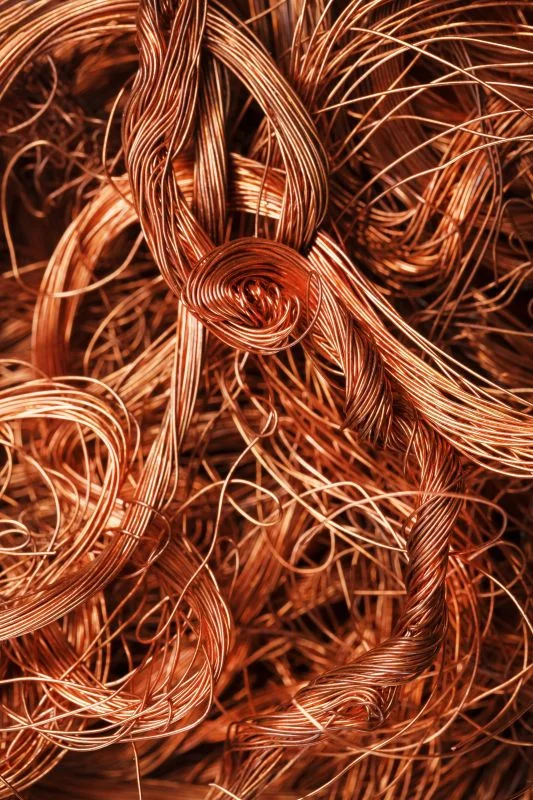
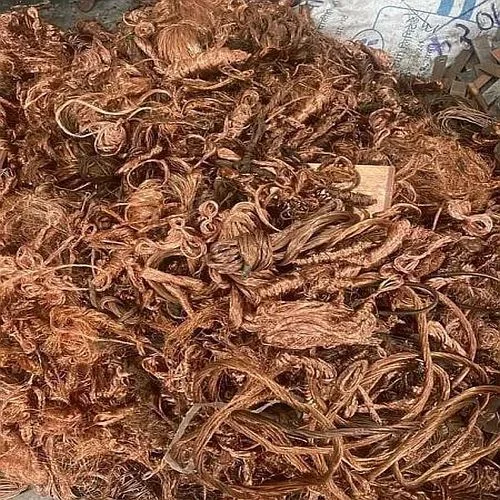
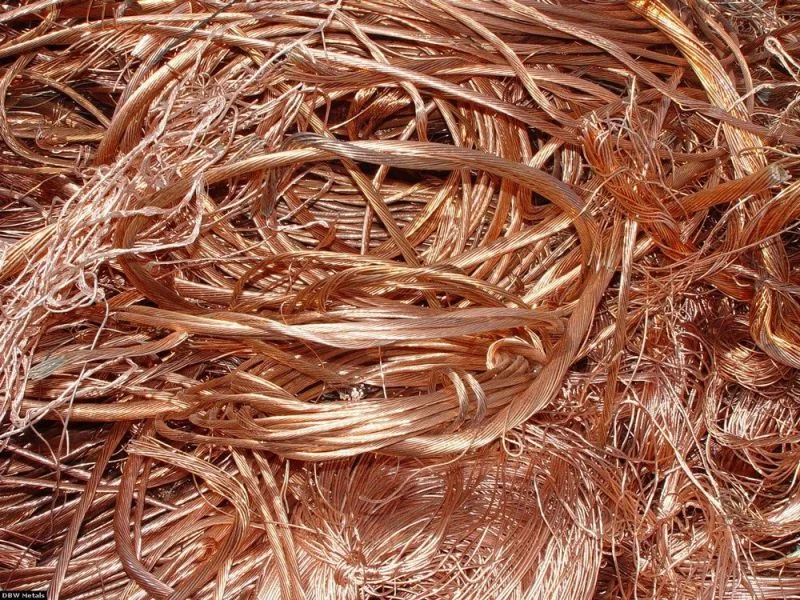
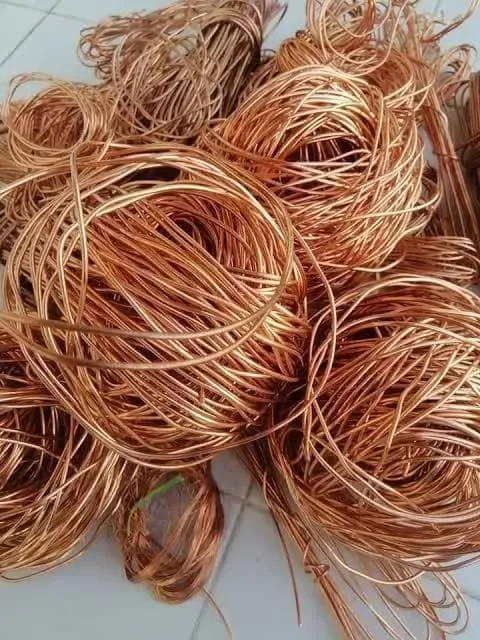
Two copper products are listed: Copper Wire Scrap (HS 7404.00) with a minimum copper content of 99.9% and Copper Cathode (HS 7403.11) meeting LME Grade A specifications of 99.99% purity. Industry practice is to request an assay certificate and a mill test report for each batch.
Does the supplier offer specialty metals?
Yes, the supplier lists cobalt metal pieces (HS 8105.20, 99.5‑99.8% purity), nickel metal pieces (HS 7502.10, grade 200/210, 99.5‑99.99% purity), tin ingot (HS 8001.10, 99.90% purity), antimony, magnesium, cadmium, lead and zinc alloy ingots. These metals are commonly used in alloying, battery production and specialty coating applications.
What documentation should a buyer request before purchase?
Buyers should ask for a mill test report (MTR) confirming chemical composition, a material safety data sheet (MSDS) for handling guidance, and any third‑party assay certificates such as ISO 9001 or REACH compliance. A certificate of origin may also be required for customs duty preferences.
What are typical shipping and packaging methods for these metals?
Ingot and bar shipments are usually packed in wooden crates or steel drums and loaded into 20‑ft or 40‑ft containers, while scrap is often shipped in bulk containers or open‑top vessels. Export terms are commonly quoted as FOB or CIF, depending on the buyer’s preference.
What minimum order quantities are usually expected?
For ingot and bar grades, buyers often encounter MOQs of 5‑10 metric tonnes, whereas aluminum scrap can be ordered in increments as low as 1 tonne. Exact MOQs should be confirmed with the supplier for each specific product.
How long is the typical lead time from order to shipment?
Lead times for ready‑stock ingots are typically 10‑15 days, while alloy‑specific batches may require 30‑45 days after order confirmation. Lead times can vary based on production scheduling and shipping arrangements.
Which regions are the main importers of Chinese non‑ferrous metals?
Major import markets include the United States, European Union members, Japan, South Korea and Southeast Asian countries such as Vietnam and Thailand. These regions often require compliance with local standards such as ASTM, EN and JIS, and may request additional testing certificates.




 , China