Amanda — Verified Supplier
About Amanda - Herbal Extracts Supplier in None
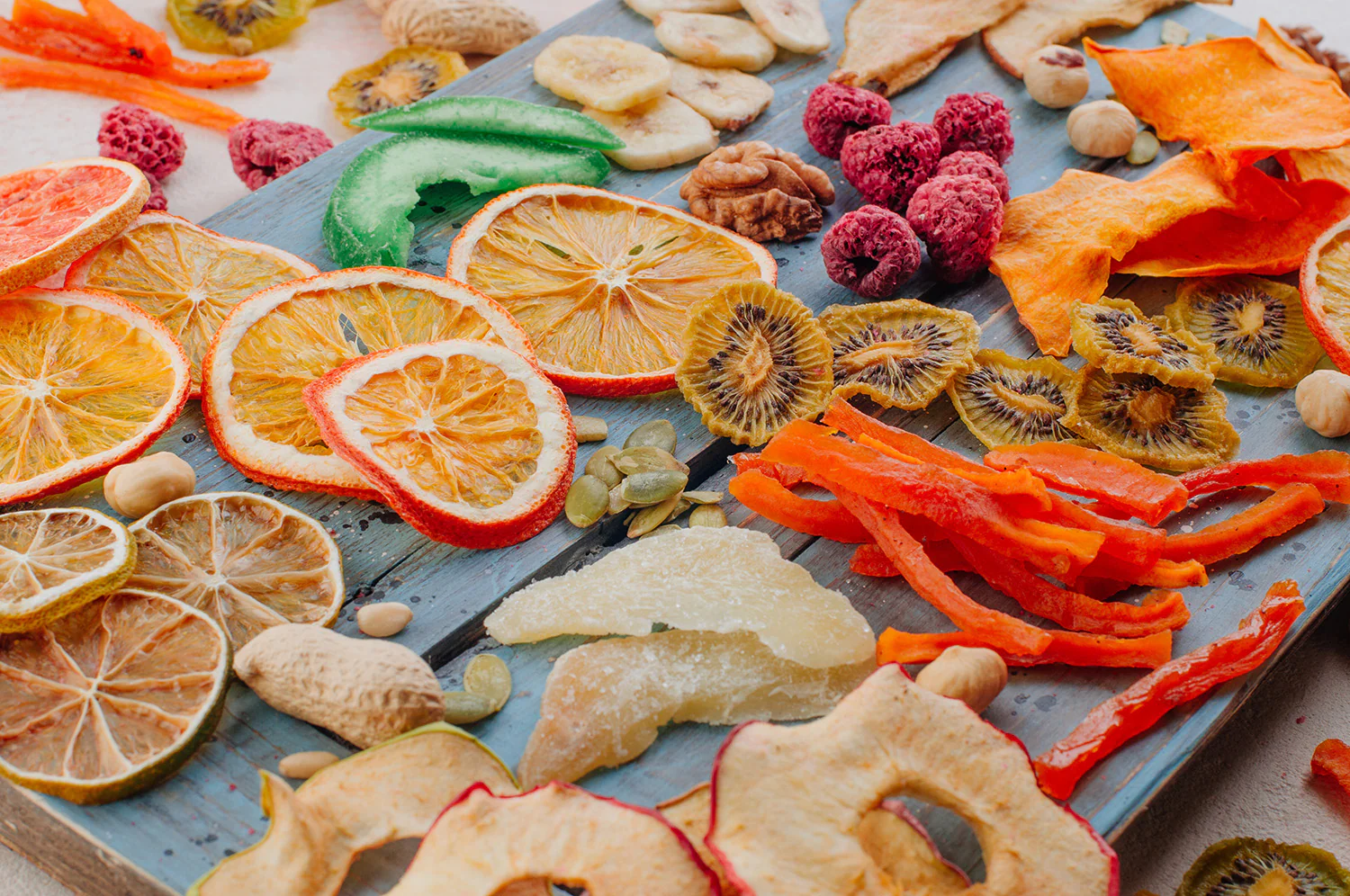
Amanda, located in None, offers a diverse range of 9 products, including Herbal Extracts, Herbal Products, Tea, Dehydrated Fruits, Fruit Powder, Green Tea, Saffron, Industrial Chemicals. The company's catalogue features specific products such as Ziziphus Jujuba Jujube, Barley Grass Juice Powder, and Green Tea Camellia Sinensis / Polyphenols. With a focus on herbal and tea products, Amanda's offerings cater to various industries and regions. The company's active product count and diverse range make it a notable supplier in the herbal extracts and tea markets.
Amanda's product range includes Chinese Tea & Tea Leaf/Tea bag, Stigma Croci /Saffron, Black Tea/Green Tea/Slimming Tea, Nervonic Acid//Selacholeic Acid, and Aloe Vera Gel /herbs. These products are likely to be of interest to buyers in regions that typically import herbal extracts and tea products, such as Europe, North America, and Asia. The HS code families involved in the trade of these products are crucial for customs clearance and regulatory compliance.
Product Range and Specialties of Amanda
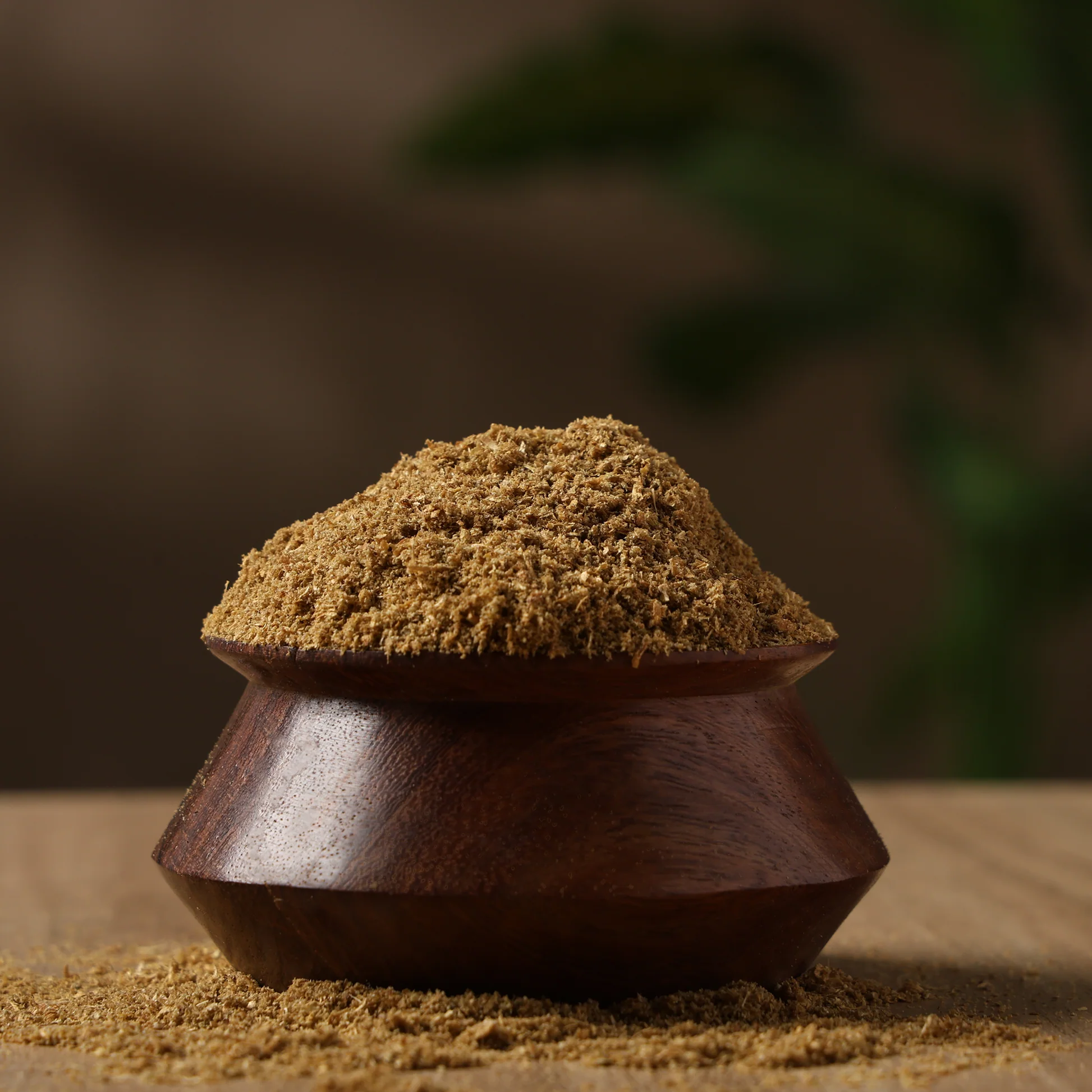
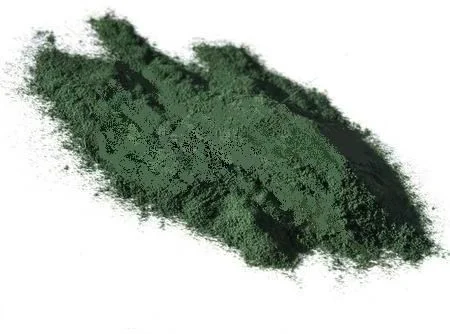
Amanda's catalogue features a range of herbal extracts and tea products, including Green Tea Camellia Sinensis / Polyphenols, which typically have a polyphenol content of 20-30%. The company's Barley Grass Juice Powder may have a moisture content of 5% and a particle size of 100-200 mesh. Buyers of these products usually require specifications, such as heavy metal limits, microbiological contamination limits, and pesticide residue limits. For example, the EU's maximum residue limit for pesticides in herbal extracts is 0.1 mg/kg.
The company's Industrial Chemicals products, such as Nervonic Acid//Selacholeic Acid, may have a purity of 95-99% and a melting point of 50-70°C. Buyers of these products typically require certifications, such as ISO 9001:2015, and compliance with regulations, such as REACH and GHS.
Trade and Export Information - Amanda
Exporters of herbal extracts and tea products, like Amanda, typically require compliance with regulations, such as the EU's Food Supplements Directive and the US's Dietary Supplement Health and Education Act. The HS code families involved in the trade of these products, such as 1211.00.00 for plants and parts of plants, are crucial for customs clearance and regulatory compliance. Buyers in regions, such as Europe, North America, and Asia, usually require certifications, such as ISO 22000:2005, and compliance with standards, such as GMP and HACCP.
The logistics and packaging of these products are critical to ensure quality and safety. For example, herbal extracts are typically packaged in airtight containers, such as drums or bags, and shipped in 20 ft or 40 ft containers. The Incoterms, such as FOB or CIF, and the payment terms, such as L/C or T/T, are also important considerations for buyers and sellers.
Sourcing from Amanda - Buyer Guidance
Buyers sourcing from Amanda should request specifications, such as heavy metal limits, microbiological contamination limits, and pesticide residue limits, for the company's herbal extracts and tea products. They should also verify the company's compliance with regulations, such as REACH and GHS, and certifications, such as ISO 9001:2015. Additionally, buyers should confirm the MOQ, lead time, and packaging and shipping details to ensure smooth and safe delivery of the products.
Buyers should also be aware of the typical quality parameters and tests for the products they are sourcing. For example, the moisture content of herbal extracts should be below 10%, and the particle size should be within a specific range. The polyphenol content of Green Tea Camellia Sinensis / Polyphenols should be within the range of 20-30%. By requesting and verifying these specifications and certifications, buyers can ensure they are sourcing quality products from Amanda.
Frequently Asked Questions About Amanda
What is the typical moisture content of Amanda's herbal extracts?
The typical moisture content of Amanda's herbal extracts is below 10%. However, the exact moisture content may vary depending on the specific product and production batch.
What certifications should buyers request from Amanda?
Buyers should request certifications, such as ISO 9001:2015, and compliance with regulations, such as REACH and GHS, to ensure the quality and safety of the products.
What is the typical particle size of Amanda's Barley Grass Juice Powder?
The typical particle size of Amanda's Barley Grass Juice Powder is 100-200 mesh.
What is the MOQ for Amanda's products?
The MOQ for Amanda's products may vary depending on the specific product and production batch. Buyers should confirm the MOQ with Amanda before placing an order.
What is the lead time for Amanda's products?
The lead time for Amanda's products may vary depending on the specific product and production batch. Buyers should confirm the lead time with Amanda before placing an order.
What packaging and shipping options does Amanda offer?
Amanda offers various packaging and shipping options, including airtight containers, such as drums or bags, and shipping in 20 ft or 40 ft containers. Buyers should confirm the packaging and shipping details with Amanda before placing an order.
What are the typical quality parameters and tests for Amanda's products?
The typical quality parameters and tests for Amanda's products include moisture content, particle size, polyphenol content, and microbiological contamination limits. Buyers should request and verify these specifications to ensure they are sourcing quality products from Amanda.
How can buyers verify Amanda's compliance with regulations and certifications?
Buyers can verify Amanda's compliance with regulations and certifications by requesting documentation, such as certificates of analysis and compliance statements, and by checking the company's certifications and compliance status with relevant regulatory bodies.