Al Sandouq Al Thahabi — Verified Supplier
About Al Sandouq Al Thahabi - Mixed Food & Raw Material Supplier in United Arab Emirates
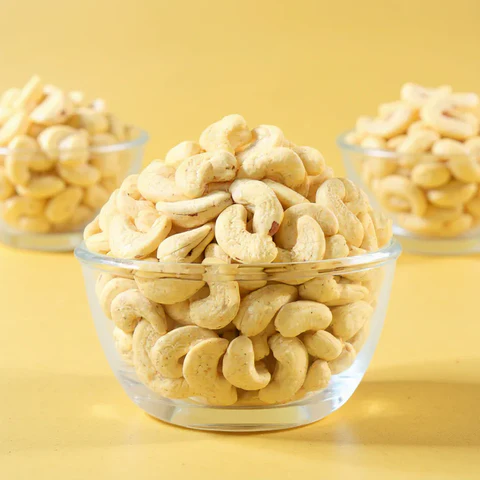
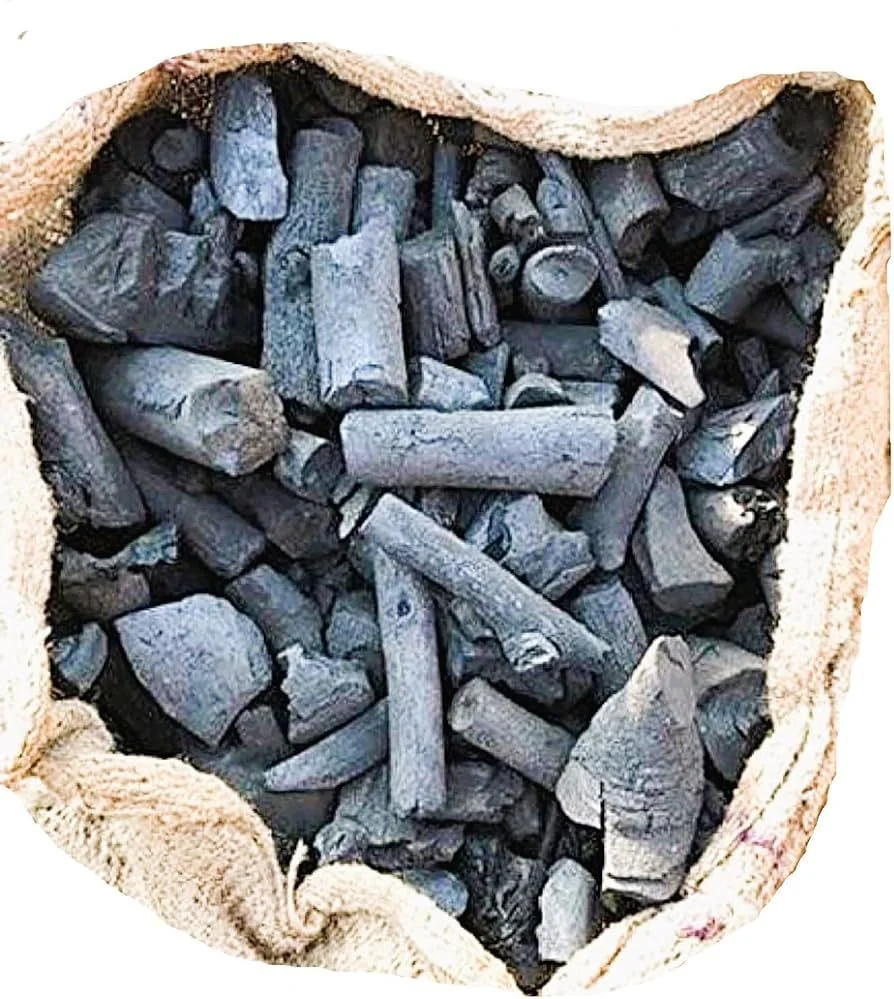
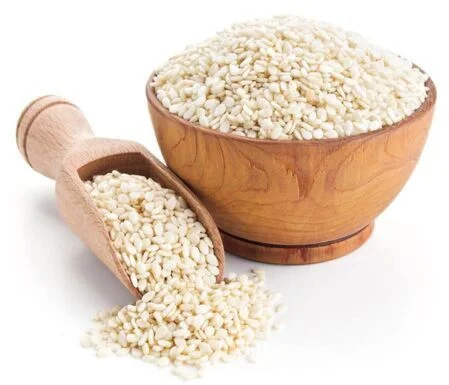
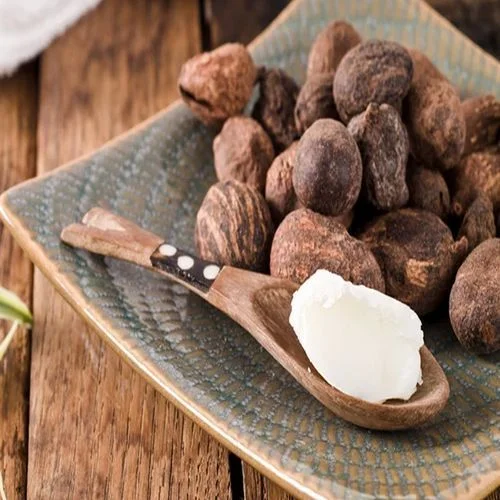
The supplier is based in the United Arab Emirates and currently lists six active products. The catalogue includes Raw Cashew Nuts, Hard Wood Charcoal, WHITE SESAME SEEDS, Golden Sesame Seeds, Shea Butter, and Dry Hibiscus Flower. These items fall under the broader categories of cashew nuts, wood charcoal, sesame seeds, shea butter, and dried flowers as indicated in the top‑category list. Each product is identified by its generic name without additional HS‑code detail in the supplied data. The supplier is classified in the “harbor” trust tier, indicating a mid‑level verification level on the platform.
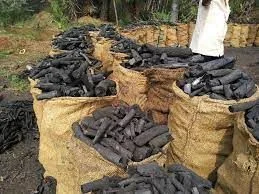
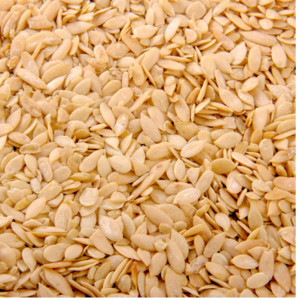
Al Sandouq Al Thahabi’s product list reflects common bulk commodities that are frequently traded from the Gulf region. The two sesame seed entries differentiate by color, while the cashew entry is listed as raw, suggesting an unprocessed kernel. The charcoal is described as hard wood, implying a high carbon content product used for fuel or industrial applications. Shea butter is presented without specification of refinement, and the hibiscus flower is listed as a dried botanical material. All six items are typical export goods that require standard commodity documentation.
Product Range and Specialties of Al Sandouq Al Thahabi
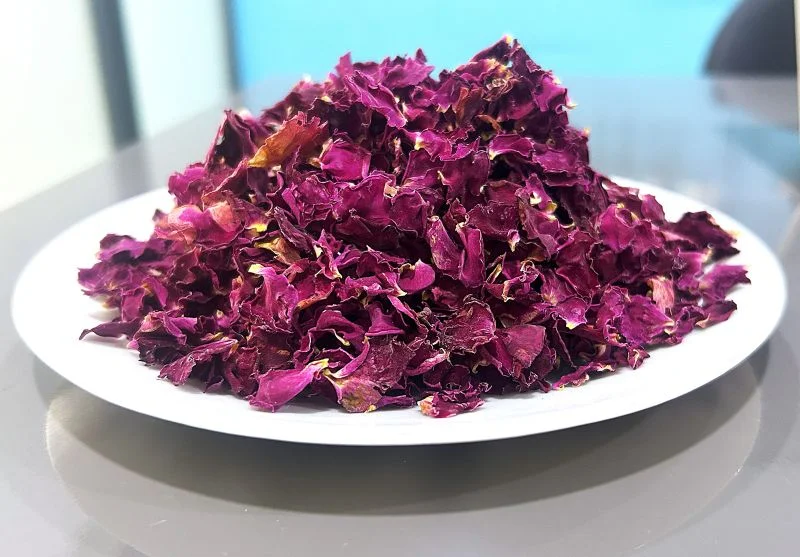
The catalogue covers raw cashew nuts, which in international trade are classified under HS chapter 08 and are usually graded by size (e.g., 8‑10 mm) and shell‑on weight. Wood charcoal appears under HS 44 and is commonly measured by bulk density and carbon content, with hard wood varieties targeting a carbon purity of 80 % or higher. WHITE and Golden sesame seeds fall under HS 12 001 and are typically sold in grades such as ICUMSA 45 for white seeds and ICUMSA 70 for golden seeds, with moisture limits of 5 % max. Shea butter is a fatty substance listed under HS 15 009, generally offered as crude or refined; crude shea butter commonly contains 45‑55 % oleic acid and a free fatty acid value below 5 %. Dry hibiscus flower is catalogued under HS 12 111 and is usually shipped with moisture content below 12 % and a particle size of 1‑5 mm.
Trade and Export Information - Al Sandouq Al Thahabi
Exporters of cashew nuts, sesame seeds, wood charcoal, shea butter and dried flowers from the United Arab Emirates typically ship to the European Union, North America and South‑East Asian markets. The relevant HS chapters (08 for nuts, 12 for seeds and flowers, 44 for charcoal, 15 for fats) are subject to phytosanitary checks, import permits and, where applicable, organic or fair‑trade certification. Buyers often request certificates of analysis confirming moisture, aflatoxin levels for nuts and seeds, carbon content for charcoal, and iodine value for shea butter. Standard packaging includes 20 ft or 40 ft containers with bulk bags (e.g., 1 ton polypropylene bags for nuts and seeds) or wooden crates for charcoal. Common Incoterms used by UAE exporters are FOB Dubai Port or CIF for destination ports, with freight forwarding handled by regional logistics firms.
The UAE’s strategic location and established port infrastructure support efficient trans‑shipment to the Gulf Cooperation Council, the Middle East and further to Europe. While the supplier’s specific target markets are not listed, industry practice shows that EU importers require compliance with EU food safety regulations (e.g., EU 2023/2006) and that charcoal imports often need to meet ISO 9001 quality management standards.
Sourcing from Al Sandouq Al Thahabi - Buyer Guidance
When sourcing Raw Cashew Nuts, request a recent phytosanitary certificate, a moisture test result (typically ≤ 5 %) and size grading documentation. For sesame seeds, buyers should ask for an ICUMSA grade certificate, moisture analysis and a mycotoxin test report. Wood charcoal purchasers normally verify carbon content (≥ 80 %) and bulk density, and may request a fire‑resistance test if the charcoal is intended for industrial use. Shea butter buyers usually request a free‑fatty‑acid value, peroxide number and, if refined, an oxidative stability test. For Dry Hibiscus Flower, confirm moisture content (≤ 12 %) and a pesticide residue analysis. In all cases, obtaining a sample batch and a third‑party laboratory report before finalizing a contract is standard practice.
Documentation such as a Certificate of Origin, a commercial invoice and a packing list should accompany any shipment. Verify that the supplier can provide HS‑code declarations matching the product description to avoid customs delays.
Frequently Asked Questions About Al Sandouq Al Thahabi
What HS codes are applicable to the products listed by Al Sandouq Al Thahabi?
Typical HS codes are 0801 for raw cashew nuts, 4401 for hard wood charcoal, 1201 for white and golden sesame seeds, 1509 for shea butter, and 1211 for dried hibiscus flower. The supplier’s catalogue does not list specific codes, so buyers should confirm the exact HS classification before shipment.
Can I obtain a sample of the raw cashew nuts before placing a bulk order?
Yes, standard practice is to request a small sample (e.g., 5 kg) accompanied by a laboratory analysis for moisture, size grading and aflatoxin levels. The supplier can arrange shipment of the sample under agreed Incoterms.
What quality specifications are common for white sesame seeds?
White sesame seeds are often sold to an ICUMSA 45 grade, with moisture not exceeding 5 % and a maximum of 0.1 % foreign matter. Buyers usually ask for an ICUMSA certificate and a recent moisture test.
Which certifications should I request for the shea butter?
Buyers typically request an ISO 22000 or HACCP compliance statement, a free‑fatty‑acid value (≤ 5 %), and, if organic, a certified organic audit report. The supplier’s data does not list certifications, so they should be confirmed.
How is hard wood charcoal packaged for export?
Export shipments of hard wood charcoal are commonly packed in bulk bags of 1 ton or in wooden crates, with moisture content below 10 % and a carbon purity of at least 80 %. Packaging details should be verified with the supplier.
What documentation is needed for importing dried hibiscus flowers?
Importers generally require a phytosanitary certificate, a Certificate of Origin, and a laboratory report showing moisture ≤ 12 % and pesticide residues within EU limits. The supplier should be able to provide these documents upon request.
Which regions usually import the product categories offered by this supplier?
The primary import regions for UAE‑origin cashew nuts, sesame seeds and shea butter are the European Union and the United States, while wood charcoal is often shipped to Middle Eastern and African markets. Dried hibiscus flowers are commonly exported to North America and Europe for use in food and beverage applications.




 , United Arab Emirates