Agrovita Foods P Ltd — Verified Supplier
About Agrovita Foods P Ltd - Turmeric Supplier in
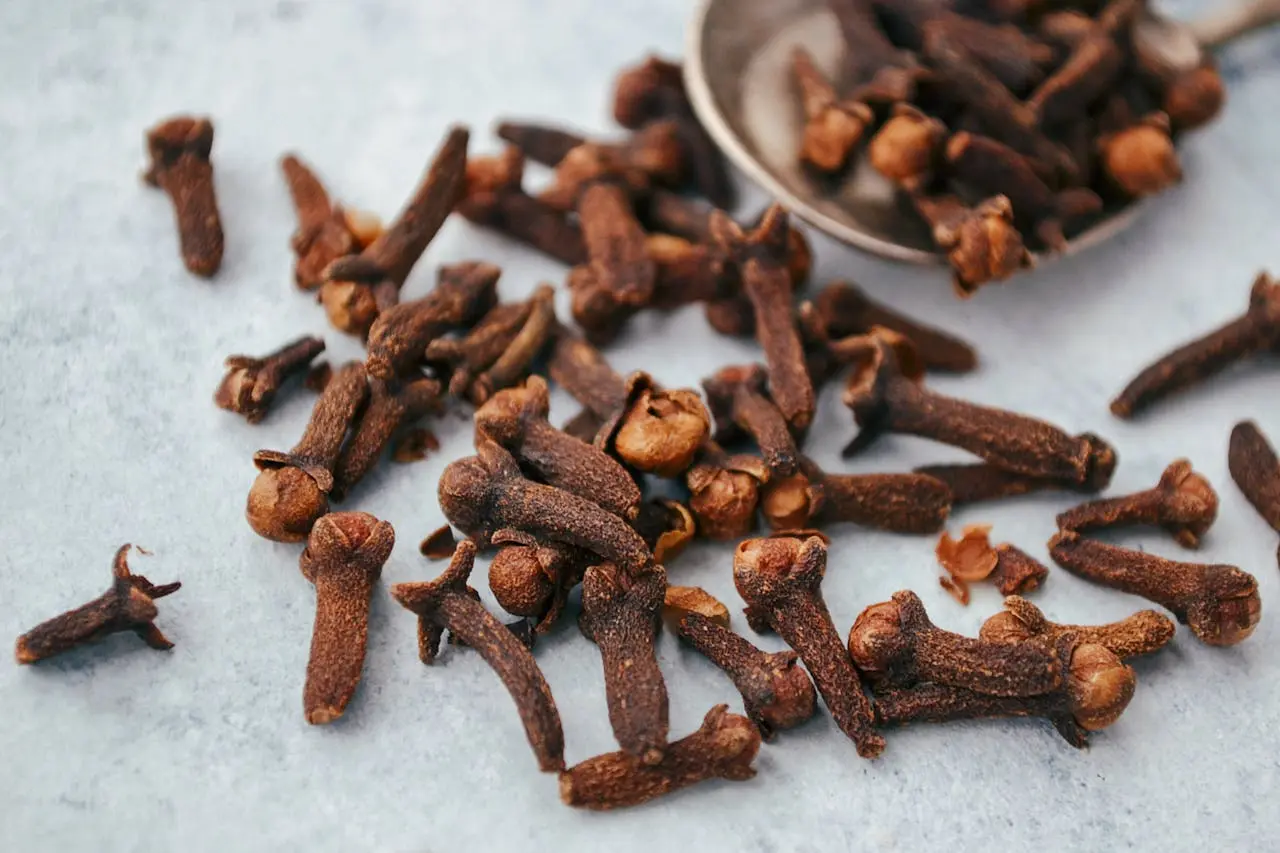
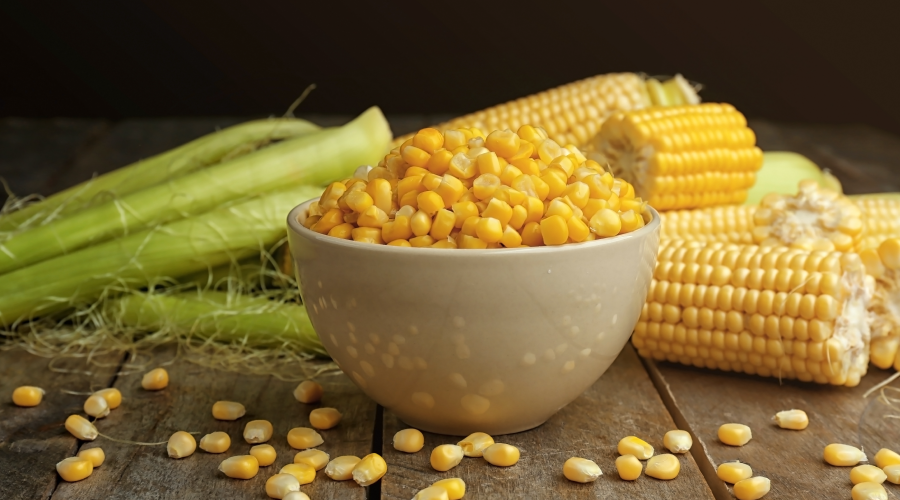
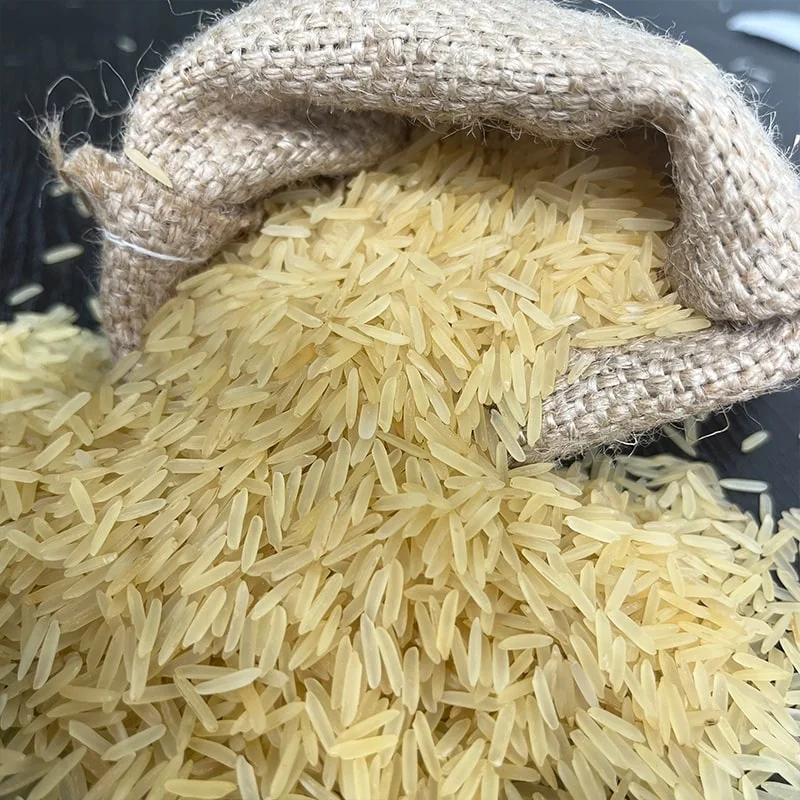
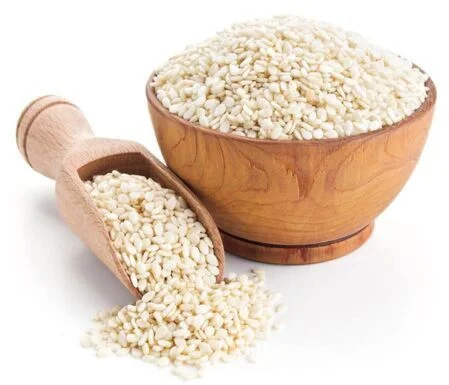
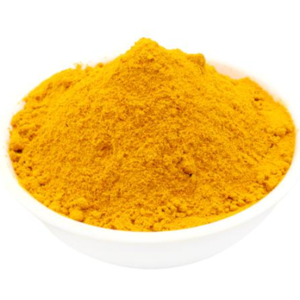
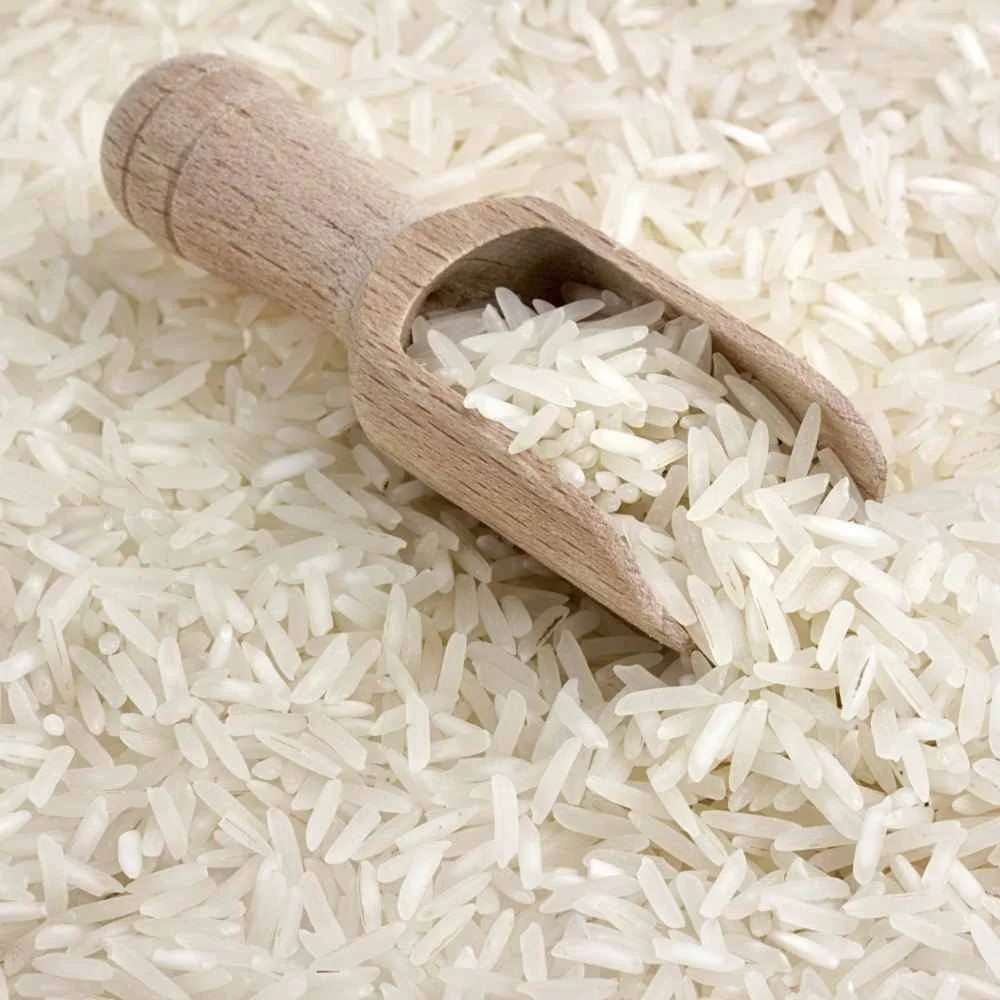
Agrovita Foods P Ltd is listed without a disclosed country of origin, yet the supplier currently lists 17 distinct agricultural items in its catalogue. The active product count of 17 includes a mix of spices, seeds, legumes, grains and functional ingredients, each recorded under standard HS chapters such as 09 for spices, 10 for cereals, and 12 for oil‑seeds. The catalogue explicitly names Turmeric, Red Chilli, Coriander Seeds, Cumin Seeds, Fresh Ginger, Black Pepper, Fennel Seeds, Swarna Parboiled Rice, Chick pea, Pigeon Pea, Guar Gum, Ashwagandha, Peanut, Corn, Sesame, Cloves and Soybean. Each entry is presented as a separate product line without additional sub‑variants or HS codes in the supplied data. The supplier’s product set reflects common export groups: ground and whole spices, seed commodities and pulses, a parboiled rice variety and a food‑grade hydrocolloid (Guar Gum). The catalogue does not include any declared certifications, so buyers should verify standard quality certificates typical for these categories. The breadth of 17 items indicates a diversified portfolio that can serve multiple food‑processing and ingredient sourcing needs across different market segments.
Product Range and Specialties of Agrovita Foods P Ltd
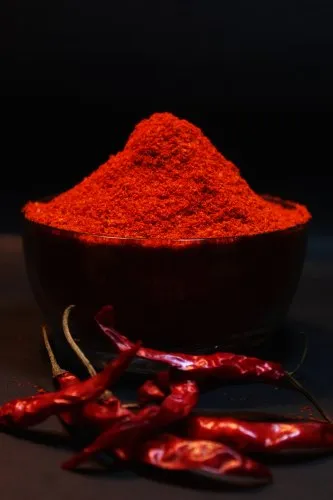
The listed items cover primary spice categories such as Turmeric (often marketed as ICUMSA 45 or 60 grade), Red Chilli (generally grade A with capsaicin content 0.1‑0.5%), Coriander and Cumin seeds (commonly graded by moisture <12% and oil content >5%). Fresh Ginger is typically evaluated for fibrous content and pungency measured in gingerol mg/kg, while Black Pepper is usually supplied as whole peppercorns meeting ISO 6678 specifications. Seed commodities like Fennel, Sesame and Cloves follow standard moisture limits (≤7%) and essential‑oil yields that buyers track. The grain segment includes Swarna Parboiled Rice, Chick pea, Pigeon Pea, Corn and Soybean, each generally classified by kernel size (e.g., rice length 6‑7 mm) and moisture <14%. Guar Gum is a food‑grade hydrocolloid with typical viscosity of 300 - 500 cP at 2 % solution and purity ≥95%. Industry practice groups these products under HS chapters 0901‑0905 for spices, 1001‑1005 for cereals and pulses, and 1201‑1209 for oil‑seeds and nuts. Typical grades, such as ICUMSA 45 for Turmeric or ISO 6678 for Pepper, are widely requested in import contracts, and buyers often ask for certificates of analysis that confirm moisture, ash, and microbial limits.
Trade and Export Information - Agrovita Foods P Ltd
Exporters of South‑Asian spice and pulse commodities commonly ship to the European Union, the United States, the Middle East and Southeast Asian food‑manufacturing hubs. Logistics for bulk spices and seeds usually involve 20‑ft or 40‑ft containers with inner bulk bags of 500 kg, while rice and legumes may be palletized in 25 kg polypropylene bags. Standard Incoterms applied are FOB or CIF, with buyers frequently requiring phytosanitary certificates, a Certificate of Origin and a third‑party laboratory test report. Regulatory frameworks such as the EU’s Food Hygiene Regulation (EC) No 852/2004 and the US FDA Food Safety Modernization Act often mandate residue testing for pesticide limits, aflatoxin levels for nuts and mycotoxin screening for legumes. Although Agrovita Foods P Ltd does not list specific certifications, typical export documentation includes ISO 9001 quality system certificates, HACCP plans and, where applicable, organic or non‑GMO attestations requested by the buyer.
Sourcing from Agrovita Foods P Ltd - Buyer Guidance
When sourcing from this supplier, buyers should request a recent Certificate of Analysis that details moisture, ash, volatile oil content and any microbial or pesticide test results for each spice or seed. For grain and legume items, a phytosanitary certificate and a test report for aflatoxin (≤10 µg/kg for peanuts, ≤4 µg/kg for other nuts) are standard. Since no certifications are disclosed, it is prudent to ask the supplier to provide copies of any ISO, HACCP or organic certifications that apply to the specific product batch. Verify packaging integrity - bulk bags should be woven polypropylene with inner liners, and moisture barriers are essential for rice and pulses to prevent spoilage during transit. Confirm lead times, which typically range from 30 to 60 days for harvested spices and 45 to 75 days for processed grains, and align them with the buyer’s production schedule.
Frequently Asked Questions About Agrovita Foods P Ltd
What spice and seed products does Agrovita Foods P Ltd offer?
The supplier lists 17 items, including Turmeric, Red Chilli, Coriander Seeds, Cumin Seeds, Fresh Ginger, Black Pepper, Fennel Seeds, Sesame, Cloves and other spice seeds.
Are there any grain or pulse products in the catalogue?
Yes, Swarna Parboiled Rice, Chick pea, Pigeon Pea, Corn, Soybean and Peanut are included among the 17 products.
What documentation should a buyer request before purchasing?
Buyers should request a Certificate of Analysis for each product, a phytosanitary certificate for grains and legumes, and any applicable ISO/HACCP or organic certificates.
What are typical packaging formats for these commodities?
Spices and seeds are usually packed in 500 kg woven polypropylene bulk bags, while rice and pulses are commonly shipped in 25 kg polypropylene bags on pallets.
Which HS chapters generally cover the listed products?
Spices fall under HS chapter 09, cereals and pulses under chapter 10, and oil‑seeds, nuts and related products under chapter 12.
What are common minimum order quantities (MOQ) and lead times?
MOQs often start at one 20‑ft container (≈20 tonnes) for bulk spices, while lead times range from 30 days for fresh ginger to 75 days for processed rice.
Which markets typically import these types of goods?
The European Union, United States, Middle East and Southeast Asian food‑manufacturing regions are the primary import markets for South‑Asian spice and pulse consignments.
What certifications are usually required for these products?
Buyers usually require HACCP compliance, ISO 9001 quality system certification, and product‑specific certificates such as organic, non‑GMO or residue‑free test reports.