Agriculture›
 Apparel and fashion accessories›
 Construction & real estate›💡Electronic & Electrical›🍎Food & Beverages›🛋️Home furnishing & supplies›⚗️Industrial goods & chemical›🪨Minerals & metals›📦Miscellaneous›Agriculture›Apparel and fashion accessories›Construction & real estate›💡Electronic & Electrical›🍎Food & Beverages›🛋️Home furnishing & supplies›⚗️Industrial goods & chemical›🪨Minerals & metals›📦Miscellaneous›
Afreen Kollection Product Catalog
About Afreen Kollection - Ladies Salwar, Suits, Dupattas & Sarees Supplier in India
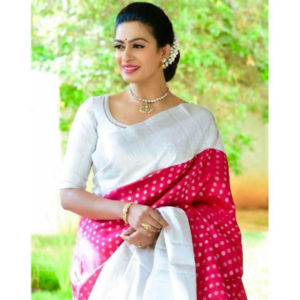
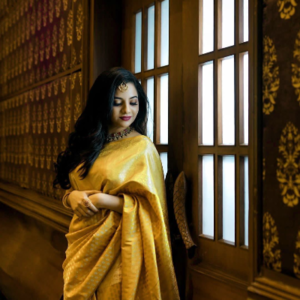
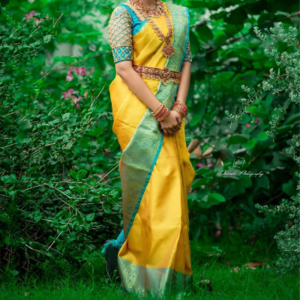
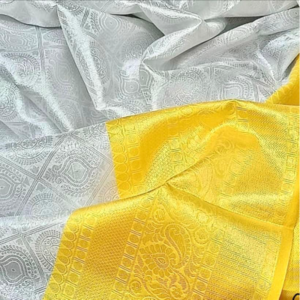
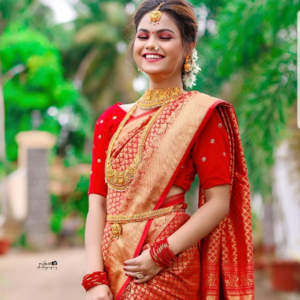
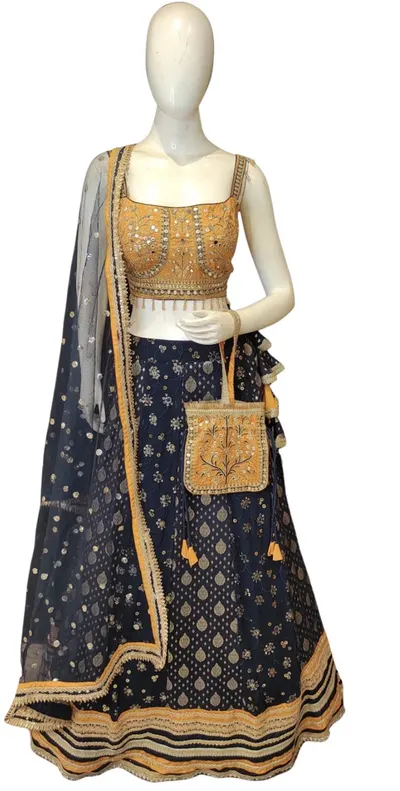
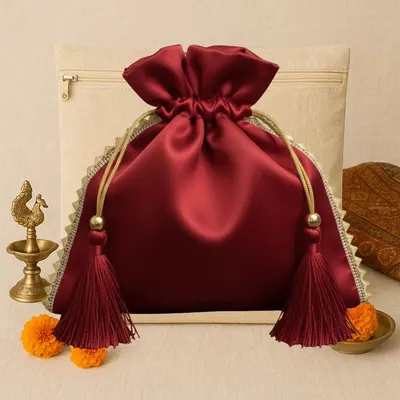
Afreen Kollection operates from India and currently lists six distinct products in its catalogue. The active product count of six encompasses items such as Tomato Red Colour Lehnga, Lemon Crystal Lehnga Choli, Wedding Fancy Pouch, Indian Ethnic Hand Work Crystal Stone Saree, Indian Ethnic Three Piece Lehenga Choli Set, and Caftan With Crystal, Zerkons, Stones Hand Work. These offerings are grouped under the supplier’s top categories of Ladies Salwar, Suits, Dupattas & Sarees, Wedding Dresses & Accessories, and Sarees. The product list reflects a focus on Indian ethnic apparel and related accessories rather than mass‑market garments. No HS‑code identifiers are supplied in the source data.
The catalogue items represent typical Indian ethnic wear formats, including lehengas with coordinated choli tops, crystal‑embellished sarees, and decorative wedding pouches. Design descriptions point to the use of fabrics such as silk, chiffon, georgette, or cotton blends that are standard in Indian couture. The inclusion of a caftan featuring crystal, zerkons and stone hand work indicates the use of ornamental hardware commonly applied to upscale festive garments. Product specifications such as fabric weight, thread count, or size ranges are not detailed in the provided facts. Consequently, buyers must seek additional technical data before confirming orders.
Product Range and Specialties of Afreen Kollection
Afreen Kollection’s catalogue comprises six products: two lehnga‑choli sets in red and lemon crystal finishes, a three‑piece lehenga‑choli ensemble, a crystal‑stone embroidered saree, a wedding‑style decorative pouch, and a crystal‑adorned caftan. Lehenga and choli combinations are traditionally crafted from silk, satin, or blended fabrics with a typical weight of 150‑250 gsm for the skirt and 80‑120 gsm for the blouse. Industry standards for such ethnic wear often reference ICUMSA sugar‑white silk grades (e.g., 45 - 60) or Oeko‑Tex Standard 100 certification for textile safety. Crystal and stone embellishments are usually attached using hand stitching or machine‑applied beading, and buyers frequently assess the durability through pull‑test values of 10‑15 N per stitch. Sarees with hand‑work crystals commonly use silk or chiffon bases with a fabric width of 5.5‑6 m and a typical weight of 70‑100 gsm. Wedding pouches and caftans fall under accessory and outer‑wear categories, often packaged in individual cardboard boxes with protective tissue to prevent damage to decorative elements. Standard HS codes for these items are 6204.62 (women’s dresses of synthetic fibers) and 6307.90 (other made‑up textile articles) which guide customs classification for Indian exporters. Exporters from India typically provide a commercial invoice, packing list, and a certificate of origin to satisfy buyer requirements in Europe, the Middle East, and North America. Commonly requested quality documents include a fabric composition certificate, a lab report for colour fastness to washing (ISO 105‑B02), and a weight verification sheet. While Afreen Kollection does not list specific certifications, buyers can request Oeko‑Tex or ISO 9001 compliance as part of the due‑diligence process.
Frequently Asked Questions About Afreen Kollection
What product categories does Afreen Kollection offer?
Afreen Kollection lists six items that fall under Indian ethnic wear, including lehenga‑choli sets, a crystal‑embellished saree, a wedding decorative pouch and a crystal‑adorned caftan, which are grouped under Ladies Salwar, Suits, Dupattas & Sarees, Wedding Dresses & Accessories and Sarees.
How can I obtain a sample of a lehenga or saree?
Buyers should request a size‑graded sample directly from the supplier, specifying the fabric type, colour and embellishment details. The supplier can ship the sample in a protective poly‑bag inside a sturdy cardboard box, typically under FOB terms.
Which certifications are commonly required for these garments?
Importers usually ask for Oeko‑Tex Standard 100 or ISO 9001 certification, as well as a fabric composition certificate and colour‑fastness test reports. These documents confirm compliance with textile safety and quality standards.
What HS codes are relevant for the products in this catalogue?
The garments such as lehengas and sarees are generally classified under HS heading 6204 (women’s dresses, ensembles) while accessories like the wedding pouch fall under HS 6307 (other made‑up textile articles). Exact sub‑headings depend on material composition.
What packaging is typical for crystal‑embellished items?
To protect delicate crystal and stone work, items are usually placed in individual poly‑bag liners and then packed in corrugated boxes with cushioning material. Labels often indicate “handle with care” and include the country of origin.
 India
Related Suppliers & Products
Explore similar suppliers, related products and trending categories