Adjacent Properties Corp. — Verified Supplier
About Adjacent Properties Corp. - Corn Supplier in United States
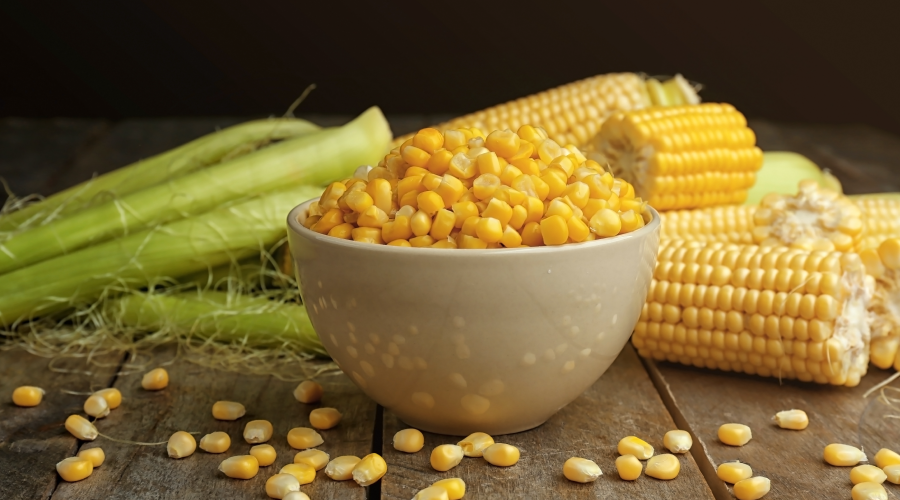
The United States supplier Adjacent Properties Corp. lists seven active products across its catalogue. Its portfolio includes Yellow Corn (Maize), White Corn (Maize), RBD Palm Oil, Cassava Pellets, Wood Pellets, Soybean and Cassava Chips. The corn items fall under HS chapter 10 (e.g., HS 1005), while the listed Cassava Chips carry HS code 0714.10. The company groups its offerings under the categories Corn, Palm Oil, Animal & Cattle Feed, Briquette, Soybean and Chips.
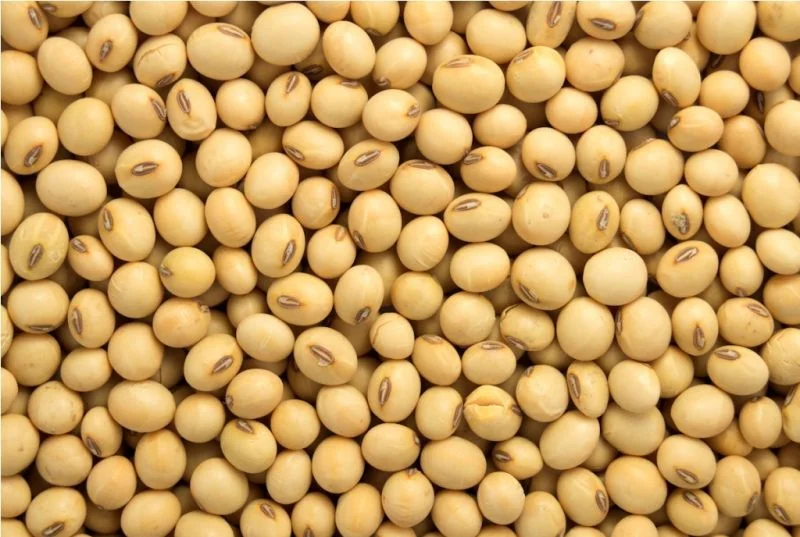
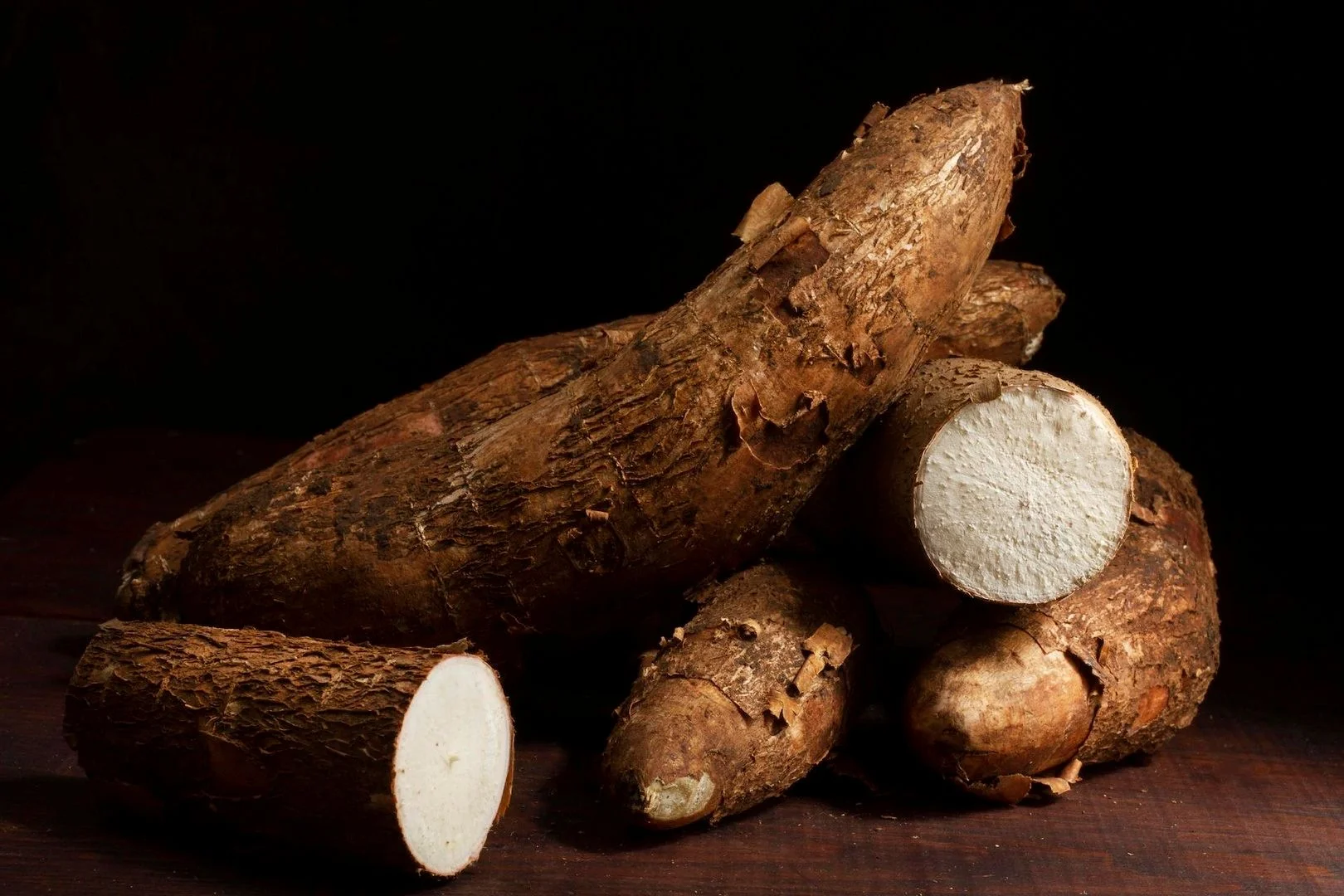
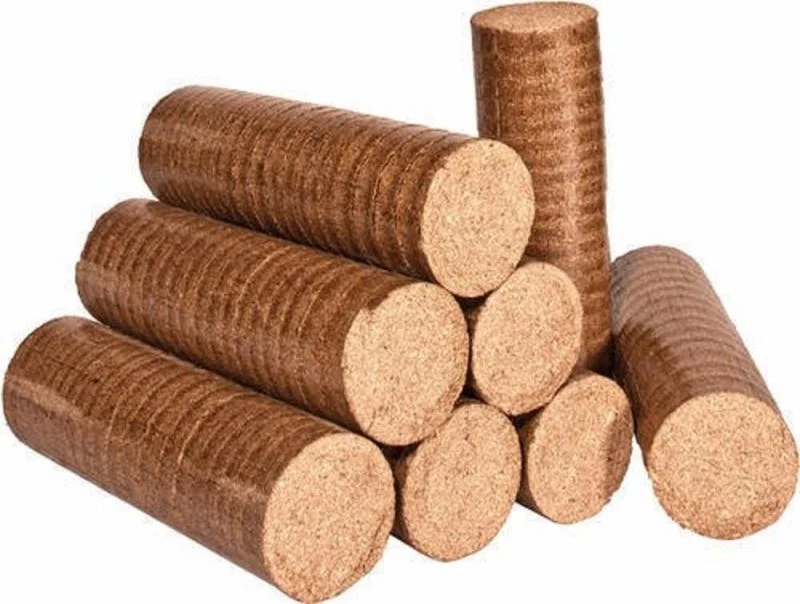
In the catalogue, Yellow Corn and White Corn are presented as separate maize grades. RBD Palm Oil is offered as refined, bleached and deodorised oil suitable for food processing. Cassava Pellets and Wood Pellets are supplied as bulk fuel briquettes, and Soybean appears as a raw legume commodity. Cassava Chips are described as dried material derived from fresh cassava root, classified under HS 0714.10. No additional product attributes such as branding or processing claims are provided.
Product Range and Specialties of Adjacent Properties Corp.
Adjacent Properties Corp. provides standard commodity grades that align with typical international specifications. Yellow Corn and White Corn are usually traded as US No. 2 or No. 3 grades with moisture limits of 14 % or lower and aflatoxin limits of 20 ppb. RBD Palm Oil commonly meets a free‑fatty‑acid level of ≤0.1 % and an iodine value between 55 and 65, with a cloud point around 10 °C. Cassava Pellets and Wood Pellets are generally produced with moisture content of 10‑12 %, bulk density of 0.6‑0.8 t/m³ and particle size of 6‑8 mm, packed in 1‑ton bulk bags or 20‑ft containers. Soybean traded internationally often has protein content of 36‑40 % and oil content of 18‑20 %, with moisture ≤12 %. Cassava Chips are dried to 10‑12 % moisture and sized 5‑10 mm, shipped in 25 kg woven bags under HS 0714.10.
Trade and Export Information - Adjacent Properties Corp.
The United States is a major exporter of corn, delivering to Latin America, East Asia and the European Union under HS 1005. Buyers in these regions typically require phytosanitary certificates, SGS inspection reports and compliance with Codex Alimentarius limits for mycotoxins. Refined palm oil, although not a primary US crop, is produced for niche food‑processing markets and is usually shipped to the Middle East and North‑America under HS 1511, with buyers requesting free‑fatty‑acid and peroxide‑value test results. Biomass pellets such as cassava and wood pellets fall under HS 4401 and are exported to Europe and Africa for renewable‑energy projects; common documentation includes ISO 9001 quality certificates, material safety data sheets and carbon‑footprint statements. Standard logistics involve FOB US Gulf ports or CIF to the buyer’s port, using 20‑ft or 40‑ft containers that can hold 18‑22 metric tons of grain or 25‑30 tons of pellets.
Sourcing from Adjacent Properties Corp. - Buyer Guidance
When sourcing from Adjacent Properties Corp., buyers should request a full specification sheet for each commodity, including moisture, impurity and contaminant limits. For corn, ask for mycotoxin (aflatoxin B1) test results and a germination rate if intended for feed. Palm oil buyers normally require free‑fatty‑acid, iodine value and peroxide‑value certificates from an accredited lab. Pellet purchasers should verify calorific value, ash content and bulk density, while soybean buyers need protein, oil and moisture analyses. It is prudent to obtain a third‑party inspection report (e.g., SGS, Bureau Veritas) and a phytosanitary certificate before shipment. Typical minimum order quantities are 20 metric tons for bulk grain or oil and 1 ton for pellets, with lead times of 30‑45 days after order confirmation.
Frequently Asked Questions About Adjacent Properties Corp.
What corn grades does Adjacent Properties Corp. list?
The catalogue includes Yellow Corn (Maize) and White Corn (Maize), which correspond to standard US No. 2/3 grades used in international trade.
Which HS code applies to the Cassava Chips offered?
Cassava Chips are classified under HS code 0714.10, covering dried vegetables and certain roots.
What typical quality parameters are buyers expected to verify for RBD Palm Oil?
Buyers usually check free‑fatty‑acid (≤0.1 %), iodine value (55‑65), peroxide value (≤10 meq O₂/kg) and a cloud point around 10 °C.
What documentation is commonly required for corn shipments?
A phytosanitary certificate, SGS inspection report, and laboratory analysis for moisture and aflatoxin limits are standard requirements.
What are the usual packaging formats for the pellets?
Pellets are typically packed in 1‑ton bulk bags or loaded directly into 20‑ft containers, with moisture content kept at 10‑12 %.
What minimum order quantity and lead time should a buyer expect?
Minimum orders are generally 20 metric tons for corn or oil and 1 ton for pellets, with a lead time of about 30‑45 days after order confirmation.
Which certifications should a buyer request for these commodities?
Buyers should request ISO 9001 or HACCP certificates, third‑party lab test reports, and, where applicable, a phytosanitary certificate and country‑of‑origin declaration.
What are the typical shipping terms used for these products?
Exporters from the United States commonly use FOB at Gulf ports or CIF to the buyer’s destination, employing 20‑ft or 40‑ft containers for grain and oil, and bulk containers for pellets.




 , United States