Aakshat International — Supplier
About Aakshat International - Basmati Rice Supplier in India
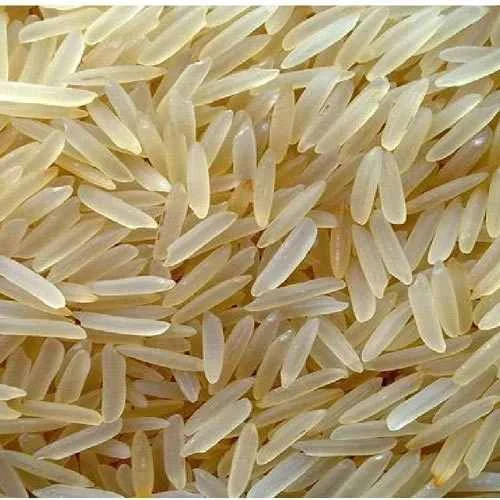
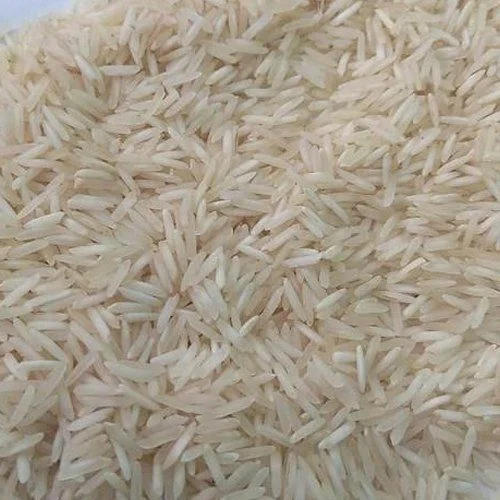
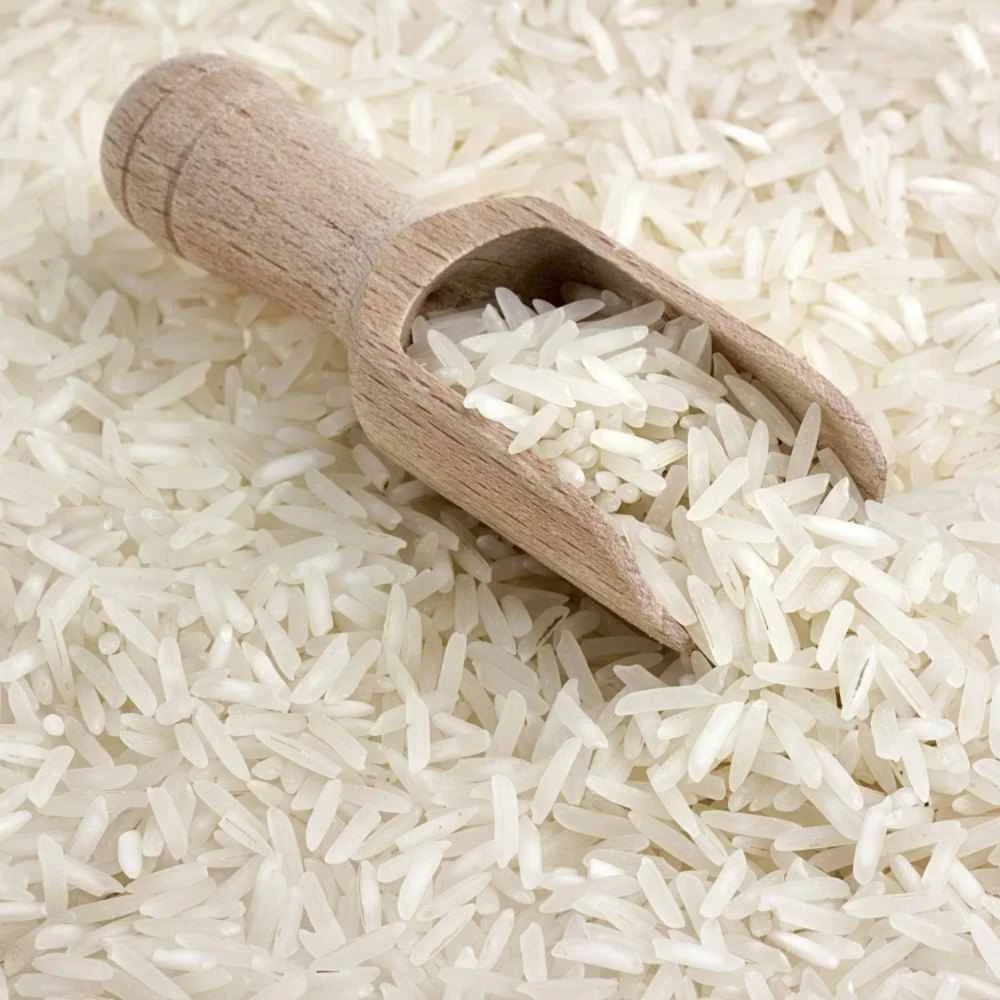
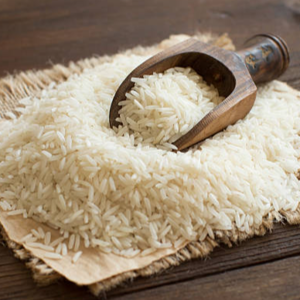
India hosts the supplier Aakshat International, which lists ten active products across its catalogue. All listed rice items fall under HS chapter 1006.30, covering milled, parboiled and whole grain basmati varieties. The product titles include Kabula Basmati Dubar, Kesar Basmati Resort, 801 High King Golden, Yes Boss PR SELLA Rice, Olympic Sella, Daawat Parmal Rice, Dhaka Resort, Baadshah Resort White, Kabula Mogra and Aaksah Tim Tim Kani. Each entry specifies material types such as long‑grain white basmati, parboiled sella basmati and whole‑grain rice, all derived from Oryza sativa.
The catalogue concentrates on Basmati rice, with a secondary mention of pepper in the top‑category list, though no pepper items appear in the current product set. All ten rice products are classified under the same HS code 1006.30, indicating they are milled or parboiled basmati rice destined for international trade. The supplier’s trust tier is recorded as “harbor,” reflecting a moderate level of verified reliability within the marketplace.
Product Range and Specialties of Aakshat International
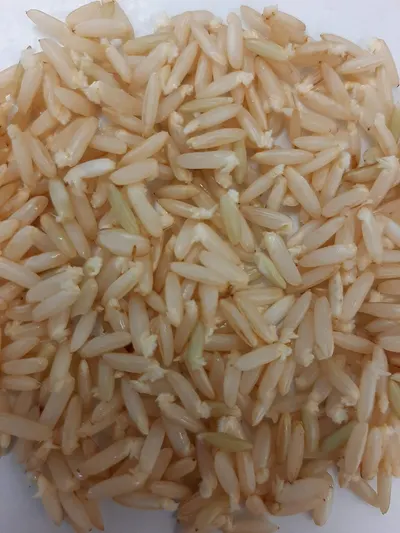
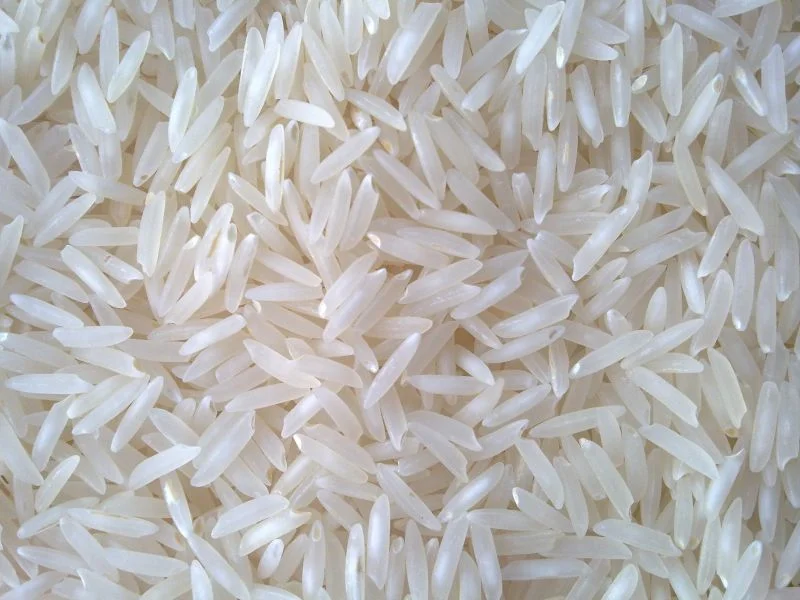
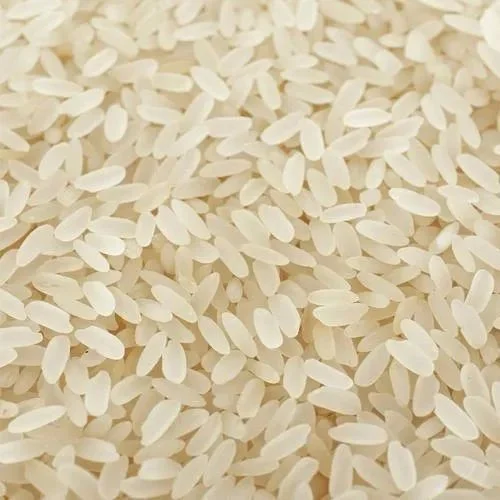
Aakshat International’s catalogue presents ten basmati rice items, each identified by a distinct brand name but sharing the HS code 1006.30. The material descriptions range from long‑grain white basmati to parboiled sella basmati and whole‑grain variants. In the Indian basmati market, buyers typically differentiate products by grain length (standard basmati exceeds 7 mm), aroma measured in 2‑acetyl‑1‑pyrroline (2‑AP) units, moisture content (12‑14 % for milled rice), and broken grain percentage (often below 5 %). Common packaging sizes are 25 kg polypropylene bags, and a 20‑foot container can hold approximately 800‑1,000 such bags depending on packing density.
Industry standards for basmati rice also reference the Indian Standard IS 16309, which defines permissible limits for foreign matter, pesticide residues and aflatoxin. Buyers frequently request certification to ISO 22000 or FSSC 22000 for food safety management, and may also seek organic or non‑GMO documentation when required. The listed products, covering both raw and parboiled forms, align with these typical specifications, allowing importers to match them against market grade expectations such as “Export‑Grade Basmati” (broken ≤ 5 %, moisture ≤ 14 %).
Trade and Export Information - Aakshat International
India is a leading exporter of basmati rice, with major destination regions including the Gulf Cooperation Council (UAE, Saudi Arabia, Qatar), Europe (UK, Netherlands, Germany), and North America. HS code 1006.30 is routinely inspected by customs authorities for compliance with phytosanitary requirements and residue limits set by the Codex Alimentarius. Export shipments are commonly packed in 25 kg bags placed on wooden pallets, sealed in moisture‑resistant liners, and shipped under FOB or CIF terms. Container loading typically follows the 20‑ft or 40‑ft standard, with a 40‑ft container accommodating up to 1,800 kg of rice per pallet layer.
Importers generally request a phytosanitary certificate, a certificate of origin, and a laboratory analysis report confirming moisture, broken percentage and pesticide residues. Certifications such as ISO 22000, HACCP or FSSC 22000 are frequently required by buyers in the EU and GCC markets. Indian exporters also adhere to the Export Inspection Council (EIC) guidelines, which include random sampling and laboratory testing prior to shipment. These regulatory steps help ensure that rice entering the global supply chain meets safety and quality expectations.
Sourcing from Aakshat International - Buyer Guidance
When sourcing from Aakshat International, buyers should ask for a recent laboratory report covering moisture (12‑14 %), broken grain (< 5 %), and pesticide residue levels consistent with Codex limits. Requesting a phytosanitary certificate and a certificate of origin will satisfy most customs authorities in the target markets. If specific aroma strength is required, inquire about the 2‑AP value, which is a standard metric for basmati fragrance.
Potential buyers should also verify the packaging format (25 kg PP bags, sealed on pallets) and confirm the container loading plan to avoid over‑packing. Minimum order quantities for basmati rice often start at 5 metric tons, but larger volumes (e.g., 20 metric tons) may be needed to achieve optimal freight rates. Samples of each product can be requested in 5 kg quantities to evaluate grain length, aroma and cooking quality before confirming the full order.
Frequently Asked Questions About Aakshat International
What HS code is used for the rice products listed by Aakshat International?
All ten rice items are classified under HS code 1006.30, which covers milled, parboiled and whole‑grain basmati rice.
Which certifications should a buyer request from this supplier?
Buyers should request food‑safety certifications such as ISO 22000, FSSC 22000 or HACCP, as well as a phytosanitary certificate and a laboratory analysis report for moisture, broken percentage and pesticide residues.
What is the typical packaging for the listed basmati rice?
The rice is normally packed in 25 kg polypropylene bags, stacked on wooden pallets, and sealed with moisture‑resistant liners for container loading.
What quality parameters are standard for export‑grade basmati rice?
Export‑grade basmati usually has grain length ≥ 7 mm, moisture 12‑14 %, broken grain ≤ 5 %, and aroma measured by 2‑AP levels compliant with Indian Standard IS 16309.
What are common destination markets for Indian basmati rice?
Major import markets include the Gulf states (UAE, Saudi Arabia, Qatar), European countries (UK, Netherlands, Germany) and North America (USA, Canada).
What is a typical minimum order quantity for these rice products?
Buyers often start with a minimum order of 5 metric tons, though larger volumes such as 20 metric tons are common for full‑container loads.
How are shipments usually arranged for this supplier?
Shipments are typically organized under FOB or CIF terms, using 20‑ft or 40‑ft containers, with each 20‑ft container holding roughly 800‑1,000 bags of 25 kg each.
Can samples be obtained before placing a full order?
Aakshat International can provide 5 kg sample packs of each rice variety to allow buyers to assess grain length, aroma and cooking characteristics.




 , India