Agriculture›
 Apparel and fashion accessories›
 Construction & real estate›💡Electronic & Electrical›🍎Food & Beverages›🛋️Home furnishing & supplies›⚗️Industrial goods & chemical›🪨Minerals & metals›📦Miscellaneous›Agriculture›Apparel and fashion accessories›Construction & real estate›💡Electronic & Electrical›🍎Food & Beverages›🛋️Home furnishing & supplies›⚗️Industrial goods & chemical›🪨Minerals & metals›📦Miscellaneous›
A.M Food Chemical Co., Ltd.
⚓ Harbor , ChinaNew supplier / no reviews yet
A.M Food Chemical Co., Ltd. Product Catalog
About A.M Food Chemical Co., Ltd. - Food Chemicals Supplier in China
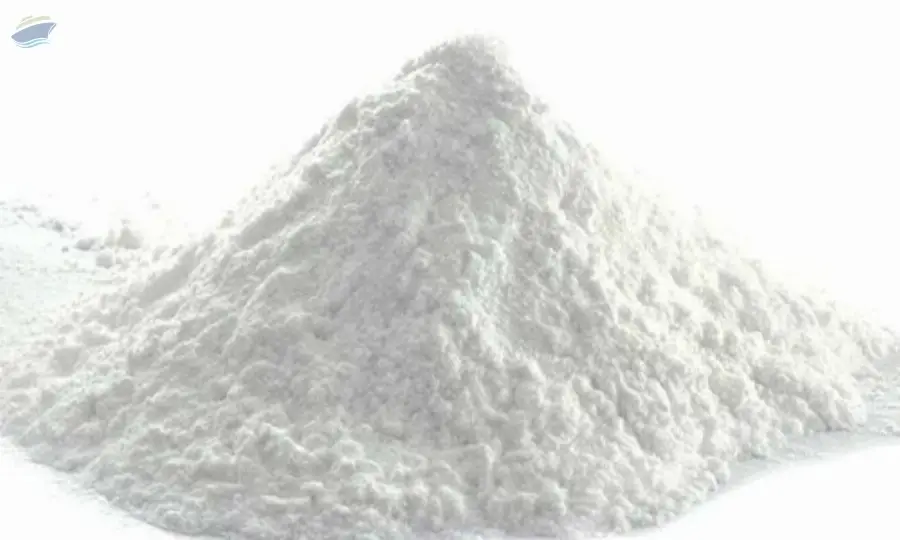
China is the source country for A.M Food Chemical Co., Ltd., which currently lists five active products in its catalogue. The product portfolio includes calcium propionate, sodium calcium, monocalcium phosphate, dicalcium phosphate and tricalcium phosphate. All items are classified under the Food Chemicals segment and are also linked to the calcium chloride family in the supplier’s internal categorisation. The catalogue does not provide HS codes, but the chemicals belong to the organic and inorganic chemical HS chapters. The supplier is recorded as an imported tier with a harbor trust rating.
The five chemicals span two HS code families: organic preservatives such as calcium propionate are covered by HS chapter 29, while the calcium phosphates fall under HS chapter 28 for inorganic chemicals. Typical specifications for calcium propionate include a purity of 99 % or higher, moisture below 0.5 % and compliance with food‑grade standards. Calcium phosphates are commonly supplied with a purity range of 98 % - 99 %, particle size distribution between 45 µm and 150 µm, and are used as mineral supplements in animal feed and food fortification. Sodium calcium, listed without a detailed description, is generally offered as a food‑grade inorganic compound with purity levels comparable to other calcium salts. Buyers can expect these products to be shipped in bulk bags or 25 kg drums according to standard industry practice.
Product Range and Specialties of A.M Food Chemical Co., Ltd.
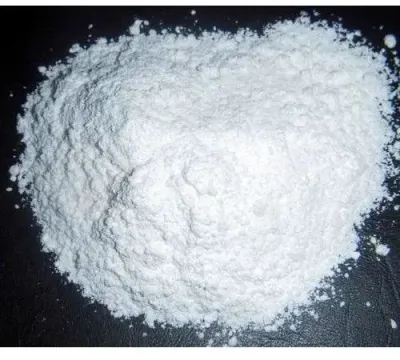
A.M Food Chemical Co., Ltd.’s catalogue features calcium propionate, a widely used antimicrobial preservative in bakery and dairy formulations, typically supplied at 99 % purity and meeting Codex Alimentarius specifications. The sodium calcium entry likely refers to a calcium‑based inorganic salt employed as an anti‑caking or buffering agent, which industry standards usually demand a minimum purity of 98 % and low moisture content. The three calcium phosphates - mono‑, di‑ and tricalcium phosphate - are standard mineral additives; monocalcium phosphate is often graded for feed with a phosphorus content of 22 % P₂O₅, dicalcium phosphate for feed or food with 23 % P₂O₅, and tricalcium phosphate for food fortification with 18 % P₂O₅, all generally requiring particle sizes below 150 µm. Across these categories, common material forms include fine powders and granules suitable for bulk handling.
Frequently Asked Questions About A.M Food Chemical Co., Ltd.
What product categories does A.M Food Chemical Co., Ltd. offer?
The supplier lists five food‑chemical products: calcium propionate, sodium calcium, monocalcium phosphate, dicalcium phosphate and tricalcium phosphate, all used as preservatives, anti‑caking agents or mineral supplements.
Which HS codes apply to these chemicals?
Calcium propionate falls under HS 2922.41 (organic chemicals), while the calcium phosphates are classified under HS 2833.20 (inorganic chemicals). Sodium calcium would also be covered by the HS 2833 series for inorganic calcium salts.
What quality specifications should a buyer verify?
Buyers should check batch purity (generally ≥ 98 %), moisture content (< 0.5 % for calcium propionate and similar limits for phosphates), particle size (≤ 150 µm for phosphates), and compliance with Codex or local food‑additive regulations.
Which certifications are typically required for these food chemicals?
Importers normally request ISO 9001, GMP/HACCP, a Certificate of Analysis, and, depending on the market, FDA food‑additive registration or EU food‑contact material approval.
What documentation is needed before shipment?
Standard documents include a Certificate of Analysis, Material Safety Data Sheet, Certificate of Origin, and any required food‑safety certificates such as a GMP audit report or regulatory approval letters.
ChinaRelated Suppliers & Products
Explore similar suppliers, related products and trending categories