Agriculture›
Apparel and fashion accessories›
Construction & real estate›💡Electronic & Electrical›🍎Food & Beverages›🛋️Home furnishing & supplies›⚗️Industrial goods & chemical›🪨Minerals & metals›📦Miscellaneous›
Agriculture›
Apparel and fashion accessories›
Construction & real estate›💡Electronic & Electrical›🍎Food & Beverages›🛋️Home furnishing & supplies›⚗️Industrial goods & chemical›🪨Minerals & metals›📦Miscellaneous›

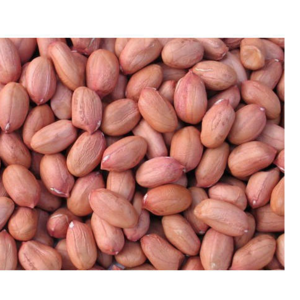
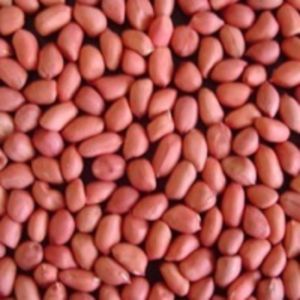
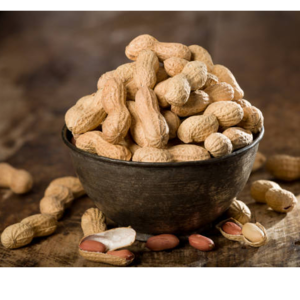
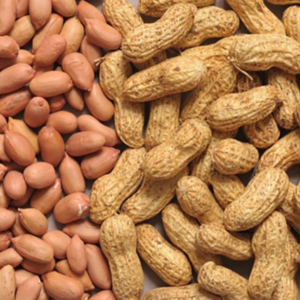
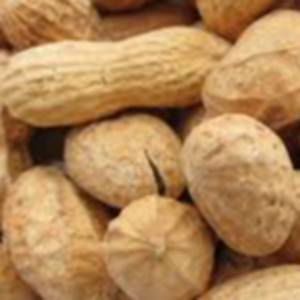
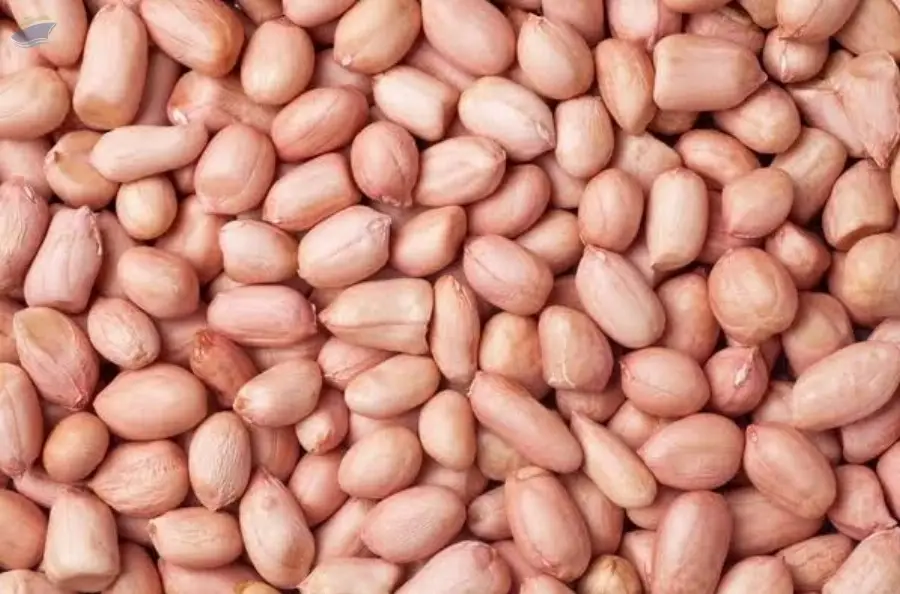
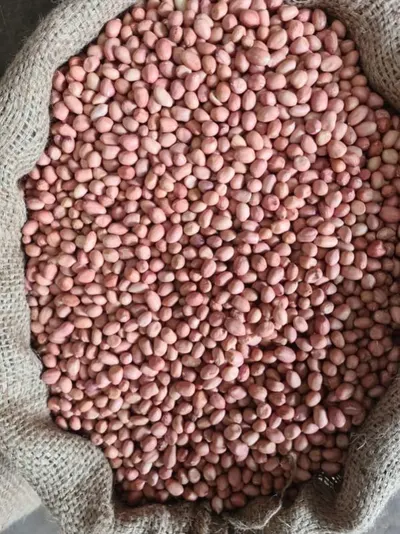
Groundnut cultivated in Ethiopia forms part of the five major crops grown across the country. The commercial zone stretches between latitude 4°N and 4°S, at altitudes up to 1,065 metres above sea level, with annual rainfall between 500 and 1,250 millimetres. Production is concentrated in the eastern regions of Hararghe, Metekel Zone and Eastern Wollega, where sowing usually begins in March and harvesting is completed by June. The nuts are harvested at the peak of maturity, providing a consistent kernel size for processing.
Ethiopian groundnut typically exhibits a moisture content of 4-6%, a shelling percentage of 45-55% and kernel lengths ranging from 12 to 16 millimetres. International buyers often reference an aflatoxin limit of less than 20 parts per billion as a safety benchmark. Standard export packaging consists of 25 kg polypropylene bags that protect against moisture and pests. These attributes align with common specifications for raw edible nuts destined for oil extraction, snack manufacturing and confectionery applications.
Importers usually source the nuts for edible oil presses, roasted snack producers and ingredient suppliers for bakery blends. Buyers in Europe, the Middle East and Africa look for consistent quality, traceable origin and compliance with food‑safety standards. Trade terms are typically negotiated on an FOB basis from Ethiopian ports such as Djibouti, with payment secured by letters of credit. Because the listing does not disclose minimum order quantities, lead times or certification status, prospective buyers should request these details directly from the supplier.
| Growing regions | Eastern Hararghe, Metekel Zone, Eastern Wollega |
| Latitude range | typical 4°N to 4°S |
| Altitude limit | typical up to 1,065 m a.s.l |
| Annual rainfall | typical 500-1,250 mm |
| Harvest month | June |
| Moisture content | typical 4-6% |
| Aflatoxin limit | standard < 20 ppb |
| Kernel length | typical 12-16 mm |
| Shelling percentage | typical 45-55% |
| Packaging | standard 25 kg polypropylene bags |
Mahlet Tesfaye is listed with a harbour trust tier and is based in Ethiopia; the address field repeats the country name several times, confirming the supplier’s local presence. The profile records a response rate of 0.00 per cent, indicating no replies have been logged to date.
The supplier offers groundnut harvested from the eastern Ethiopian zones noted for favourable climate conditions. The listing does not provide details on minimum order quantities, lead times, certifications or any third‑party audit results, so buyers should verify these parameters directly with the supplier.
| Business Type | Supplier |
| Year Established | Recently Joined |
| Employees | Contact Supplier |
| Annual Revenue | Contact Supplier |
| Main Products | View Products Tab |
| Major Markets | Global |
| Response Time | Contact Supplier |
| Response Rate | New Supplier |
Before placing an order, verify the exact origin of the nuts, request recent moisture and aflatoxin test certificates, and obtain a sample for visual inspection. Confirm that the supplier can meet any specific food‑safety standards required in your market, such as HACCP or ISO 22000, and ask for a detailed product specification sheet that matches the figures presented here.
Logistics for Ethiopian groundnut usually involve freight from the port of Djibouti or the inland terminal at Addis Ababa. Buyers should agree on Incoterms such as FOB or CIF, clarify the expected lead time which can vary with the seasonal harvest calendar, and negotiate payment terms that may include a letter of credit or advance payment. Shipping volumes and container loading plans should be discussed early to avoid delays.
Quality assurance is best supported by a third‑party inspection agency that can verify moisture, aflatoxin levels, shelling percentage and packaging integrity on arrival. Request a pre‑shipment lab report and consider arranging an on‑site audit if large volumes are planned. Maintaining records of certificates and inspection results will streamline customs clearance and protect the buyer’s reputation.
Active buying requirements from importers looking for Similar products
Compare alternatives, find similar products and connect with suppliers
Securing a reliable supply chain for Groundnut is critical for maintaining your business operations. Mahlet Tesfaye, a supplier located in Ethiopia, provides high-quality Groundnut ready for international export. By connecting directly with this supplier, buyers can bypass intermediaries, negotiate custom wholesale pricing, and arrange bulk shipments. This product is a key offering within the Groundnuts industry, catering to distributors, wholesalers, and importers worldwide.
Navigating the complexities of global sourcing is easier when you have direct access to the right manufacturers and exporters. When importing Groundnut from Ethiopia, buyers can discuss shipping logistics, packaging requirements, and preferred payment terms directly with Mahlet Tesfaye. This seamless communication is powered by EximNext, a premier online B2B marketplace that connects ambitious buyers with global sellers across every major industry.
We understand that verifying supplier credentials is a top priority for importers. Mahlet Tesfaye is part of our extensive network of vetted international exporters. Browse more products in the Groundnuts category or discover new suppliers across the Groundnuts sector. Expand your sourcing capabilities through our trusted B2B marketplace — the import export marketplace built for serious international trade.
When importing Groundnut from Ethiopia, buyers should consider shipping terms (FOB, CIF, EXW), customs documentation requirements, and payment security. Contact the supplier to discuss the best logistics options for your destination country.
Click the "Request Quotation" button to contact Mahlet Tesfaye directly. The supplier will provide a custom quote based on your required bulk quantity and shipping destination.
Yes, Mahlet Tesfaye provides Groundnut for bulk export from Ethiopia. You can negotiate the MOQ, packaging details, and shipping terms directly with the supplier.
Shipping terms such as FOB, CIF, or EXW can be negotiated directly with Mahlet Tesfaye. Contact the supplier to discuss the best logistics options for importing Groundnut to your country.
Send a direct message to Mahlet Tesfaye through our platform to request a product sample before committing to a large wholesale order.
Mahlet Tesfaye is a registered supplier on EximNext. Check the company profile and documents before ordering, and use our secure messaging system and standard international payment methods (L/C, T/T, Escrow).
Request a detailed product data sheet including grade, purity, dimensions, material composition, and applicable industry standards from Mahlet Tesfaye.
Many suppliers on EximNext, including Mahlet Tesfaye, offer custom packaging and private label options for bulk wholesale orders.
Common payment methods include Letter of Credit (L/C), Telegraphic Transfer (T/T), Documents against Payment (D/P), and Escrow services.
Yes, EximNext hosts a wide network of Groundnuts manufacturers, exporters, and wholesalers across 200+ countries.
Click "Request Quotation" or "Contact Supplier" on this page. Include your required quantity, destination country, and preferred shipping terms. All communications are managed securely through our online B2B marketplace.
Discover more products in Groundnuts from suppliers worldwide.