Import Brass Scrap — Buy in Bulk from Supplier in Bangladesh
Similar Products
- Gun metal
- Brass scrap
- Honey brass
- Brass Scrap
- 100% Pure Yellow Brass Scrap
- Clean Brass Yellow Scraps
- Brass Copper Scrap
- Brass Scrap
- Handmade Brass utensils
- Brass Hardware Door Handle, Cabinet Handle, Knobs, Lock Body
- 5.5" 146mm High Quality Forged Steel Grinding Balls in Copper Mines in Zambia and Congo
- Brass utensils
Related Products
- Zinc scrap
- Zinc turning scrap
- UNS N10665 (2.4617),Hastelloy B-2,Alloy B2
- 718 Inconel Seamless Pipes And Fittings
- Hastelloy G-35 Alloy, UNS N06035, W.Nr. 2.4643
- 440C Stainless Steel Strip
- Medical Tubes, Wholesale Medical Tubes, Buy Medical Tubes.
- Aluminum Alloy Ingot 6061-T6
- Structural Steel H-Beam ASTM A992
- Kashmiri Red Chilli Powder
- insulated Copper Wire Cable Scrap
- Hms 1 & 2 Scrap
Trending in Sub-Category
- Copper Cathode
- Copper Wire Scrap
- Battery Operated Rail Drilling Machine - (CHAKRADHAR INDUSTRIES (CDI)
- Hydraulic Rail Tensor (Non-infringing type) - (CHAKRADHAR INDUSTRIES (CDI)
- Rail Profile Grinding machine - (CHAKRADHAR INDUSTRIES (CDI)
- Abrasive Rail Cutting disc - (CHAKRADHAR INDUSTRIES (CDI)
- Frog and Switch rail grinding machine - (CHAKRADHAR INDUSTRIES (CDI)
- A7 Aluminium Ingot
- Metalware
- stainless steel seamless tubes
- SEAMLESS STEEL PIPE
- 310S Seamless stainless steel pipe
Top Suppliers for this Product
Compare Other Sellers
More Suppliers in Category
Related Products
- Zinc scrap
- Zinc turning scrap
- 718 Inconel Seamless Pipes And Fittings
- UNS N10665 (2.4617),Hastelloy B-2,Alloy B2
- Hastelloy G-35 Alloy, UNS N06035, W.Nr. 2.4643
- Zinc plating production line
- Wire rod
- 440C Stainless Steel Strip
- Zinc Chloride
- Medical Tubes, Wholesale Medical Tubes, Buy Medical Tubes.
- Aluminum Alloy Ingot 6061-T6
- Structural Steel H-Beam ASTM A992
- Kashmiri Red Chilli Powder
- insulated Copper Wire Cable Scrap
- Hms 1 & 2 Scrap
- Copper Wire Scrap
- Copper Cathode
- WHITE PHENYL CONCENTRATE
- Battery Operated Rail Drilling Machine - (CHAKRADHAR INDUSTRIES (CDI)
- Hydraulic Rail Tensor (Non-infringing type) - (CHAKRADHAR INDUSTRIES (CDI)
- Frog and Switch rail grinding machine - (CHAKRADHAR INDUSTRIES (CDI)
- Abrasive Rail Cutting disc - (CHAKRADHAR INDUSTRIES (CDI)
- Rail Profile Grinding machine - (CHAKRADHAR INDUSTRIES (CDI)
- A7 Aluminium Ingot
- Metalware
- Stainless Steel Tubes
- Stainless steel round tube
- Stainless steel square tube
- stainless steel seamless pipes
- 304L stainless steel pipe
- STAINLESS STEEL RECTANGULAR TUBES
- STAINLESS STEEL WELDED PIPE
- SEAMLESS STEEL PIPE
- stainless steel seamless tubes
- 310S Seamless stainless steel pipe
- RATKIL ZINC PHOSPHIDE-TECHNICAL , RATKIL GRANULES
- Duplex pipes/plates/rods
- FOIL PAPER
- Blue Crystal 3mm Wire Wrapped Rosary Style Chain
- Yeast Extract Powder
- Pole Line Transmission Components
- Zinc Sulphate 21% (Zinc Sulphate Heptahydrate)
- COPPER CATHODE
- Zinta Glow Ouick wash Detergent powder
- Zinta Glow Detergent Matic Liquid Top Load
- Zinta Glow Detergent Matic Liquid Front Load
- Zinc Sulphate Heptahydrate (Z
- Chelated Zinc as Zn EDTA (Zn 12%)
- Zinc
- Copper Cathode
- Lithium ore 7%
- Ilmenite Ore or Titanium Sand
- ASTM F136 Medical Titanium Alloy Plate And Sheet
- Zinc oxide
- DRC-Origin Copper Cathode LME Registered
- DRC-Origin Copper Cathode LME Registered
- copper and wire scrap
- Copper Ingots 6N (99.9999%)
- Gold Dore
- ZINC OXIDE
- 3D CNC Wire Bending Machine
- 3D Wire Bending Machines For Sale
- Wire Hook Hanger Making Machines Manufactures
- Manganese
- Nickel
- Adam
- Gold bar
- Gold bar & Nuggets
- Aluminium ingots
- Metal Material - Material Service
- Buy Ambien 10mg Online - Game-Changer Zoltrate Tablets
- Strip Sensor 20 Meters
- Calcium Zinc Particle Additives for Transparent Hoses and Light Strips
- Seamless Pipe
- Steel, Copper and Aluminum products.
- Premium High-Polyphenol Extra Virgin Olive Oil (EVOO) - Early Harvest.
- Hydraulic Cantilever Suspension Formwork for Prestressed Concrete Segment Casting
- Lithium Spodumene (SC6)
- ZINC
- Quality Used Rail Scrap HMS 1 2 Scrap/HMS 1&2 Used Railway
- Drained Lead-Acid Car Battery Scrap Material
- High Purity Copper Wire Scrap 99.99%,Cheap Copper Scrap 99% 99.95%
- Wholesale Pure 99.7% A7 Aluminum Ingots 99.9% A8 Aluminum Ingots
- edge banding
- 0.4mm 1050 1060 3003 thin aluminum strip is suitable for blinds
- Polished aluminum mirror coil for sale 1050 1100 3003 5052 high brightness mirror aluminum coil
- PRIMERS AND PRIMER-CONCENTRATES
- Seamless Steel Pipe (SMLS) ASTM A106/A53
- Seamless Steel Pipe (SMLS) ASTM A106/A53
- Gold
- POTHZONE 3-0-30 NK FERTILISER SOLUTION
- Seamless steel pipe galvanized steel circular tube PL530
- Aluminum strip aluminum foil hot-rolling plate coil PL941
- Bushing Aluminum Tube SYI-A01
- Stamping Parts SYI-P01
- Aluminum Extrusion 6063 Scrap
- MILLBERRY COPPER WIRE SCRAP
- Mineral water, natural, table drinking water “Zhiveya Kristalnaya”, still
- Organic Pomegranate Concentrate 20cl/25cl
- Mazut Gost73
Top Verified Suppliers
- Hindalco Industries Limited · India
- Comfort Rubber Gloves Sdn Bhd · Malaysia
- Boegger Industrial Limited · China
- Tianjin xinyue steel group · China
- Ponik Holding Sp. Z.O.O. · Poland
- Viet Trung Import- Export & Trading JSC · Viet Nam
- Emarc India · India
- Soupin Jean Stephane · France
- Cygnet International Holding (U) Ltd. · Uganda
- Shandong Huamin Steel Ball Joint-stock Co., Ltd. · China
- Threeway Steel Co., Ltd. · China
- Kore20 LLC · United States
- Aameena agate · India
- A M Trading Mother Company · India
- Greatway Exim · India
- AVDHESH INDUSTRIES · India
- Manan steel and metals · India
- BLOOMSBURY PETROLEUM LIMITED · United Kingdom
- PMR PETROLEUM TRADING FZ LLC · Germany
- Msb overseas · India
- Gold Europa Portugal Lda · Portugal
- AE Solar Co., Ltd. · China
- Hang Jing Co., Ltd. · Taiwan
- Impex Commodities Australia Ltd Pty · Australia
- Swift Thirty-Six Enterprises Ltd · Kenya
- CPSR RECYCLING PARTNERS LLC. · United States
- Fazcom · Tunisia
- Youssef barbeesh est · Lebanon
- Go Create Commodities · United Kingdom
- The Hitchcock Group · United States
Related Buy Leads
- Scrap — 10000 Ton/Tons (Australia)
- Copper Scrap — 1 Twenty-Foot Container (British Indian Ocean Territory)
- Scrap — 20 Ton/Tons Monthly (British Indian Ocean Territory)
- Zirconium Scrap — 1 Twenty-Foot Container (South Korea (Republic Of Korea))
- Scrap — 10 - 20 Metric Ton/Metric Tons (British Indian Ocean Territory)
- Scrap — 25 Metric Ton/Metric Tons (British Indian Ocean Territory)

 Agriculture›
 Apparel and fashion accessories›
 Construction & real estate›💡Electronic & Electrical›🍎Food & Beverages›🛋️Home furnishing & supplies›⚗️Industrial goods & chemical›🪨Minerals & metals›📦Miscellaneous›Agriculture›Apparel and fashion accessories›Construction & real estate›💡Electronic & Electrical›🍎Food & Beverages›🛋️Home furnishing & supplies›⚗️Industrial goods & chemical›🪨Minerals & metals›📦Miscellaneous›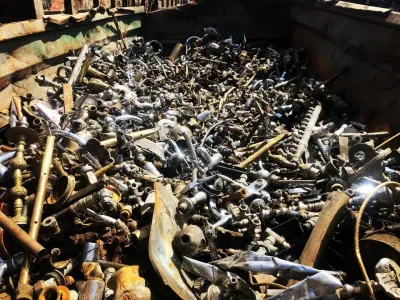
Brass scrap
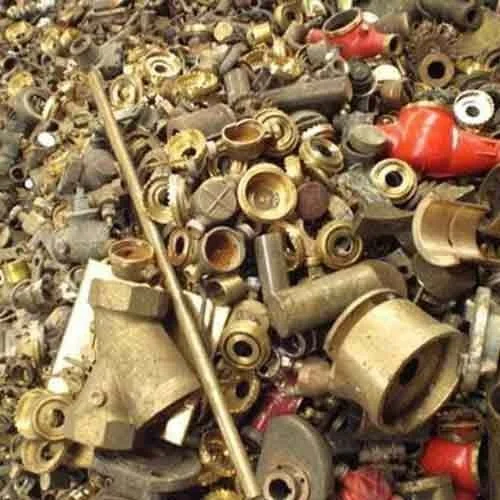
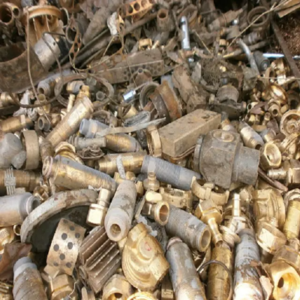
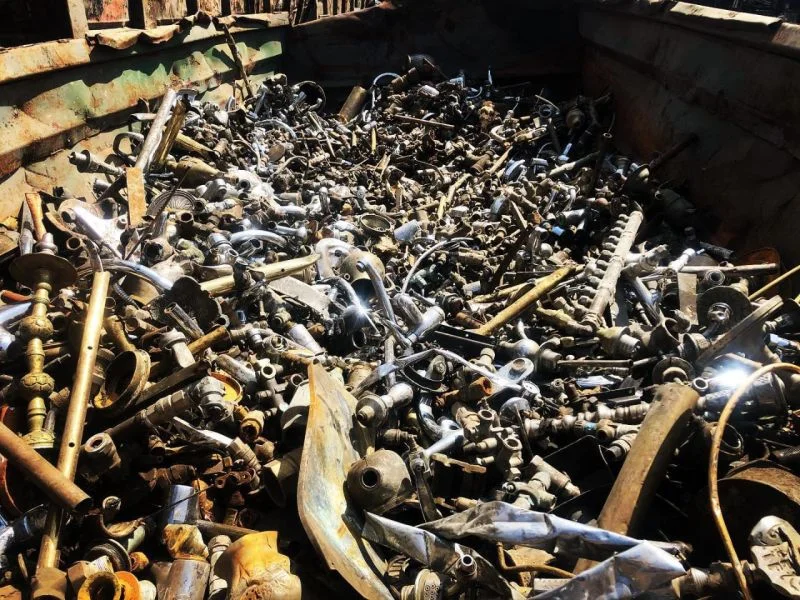
Marine Cable Centre sources brass scrap from Bangladesh's shipbreaking yards at Chittagong (Chattogram) and industrial collection streams, yielding material with elevated copper content typical of marine-grade hardware and electrical components. The scrap originates from dismantled vessel fittings, cable glands, valve bodies, and deck hardware exposed to saline environments, which influences surface oxidation patterns and residual chloride levels. Copper content in this marine-derived stream typically reaches 65-75%, reflecting the higher-grade brass alloys selected for corrosion resistance in seawater applications. Buyers receive material with distinctive provenance: the shipbreaking sector at Chittagong accounts for substantial South Asian non-ferrous scrap generation, though processing infrastructure for segregation and cleaning remains less developed than in primary metallurgy regions.
The material presents in mixed physical forms, from cast valve bodies and pump housings to machined turnings and cable ferrules, requiring buyer-side sorting or toll processing before furnace charging. Marine brass grades commonly contain 60-70% copper with 30-40% zinc, plus trace aluminium additions up to 2% for enhanced seawater corrosion resistance in certain naval specifications. Chloride contamination from marine exposure demands careful washing and pre-heating to avoid furnace corrosion and hydrogen embrittlement in cast products. Standard industry practice subjects shipbreaking-origin scrap to radiographic screening for sealed radioactive sources, a documented risk in South Asian vessel dismantling, before acceptance into consumer country ports.
Primary applications span foundry production of marine hardware reproductions, plumbing fittings for coastal installations, and brass mill remelting where tolerance for mixed input streams exists. The Bangladesh origin offers freight advantages to Middle Eastern and South Asian buyers versus European or North American scrap sources, though containerised shipment to East Asian consumers faces competitive positioning against regional Chinese and Indian material. Trade terms, MOQ, and precise lead times require direct confirmation with Marine Cable Centre, as no historical transaction data is available through platform metrics. Buyers should verify that the supplier holds appropriate scrap metal dealing licences under Bangladeshi environmental regulations, which have tightened oversight of Chittagong shipbreaking operations in recent years.
| Copper content | 65-75% (typical marine brass scrap range) |
| Zinc content | 30-40% (standard brass alloy proportion) |
| Aluminium trace | 0-2% (naval brass specification, typical) |
| Physical form | Mixed castings, turnings, cable ferrules, valve bodies (shipbreaking origin) |
| Chloride residue | Requires washing verification (marine exposure typical) |
| Radiation screening | Required: gamma detector survey standard for shipbreaking scrap |
| Origin of collection | Chittagong (Chattogram) shipbreaking yards and industrial scrap, Bangladesh |
| Container loading | Loose or bulk bagged (confirm configuration with supplier) |
| Intended processing | Foundry remelting, brass mill charge, secondary copper recovery |
| Regulatory note | Subject to Bangladesh Department of Environment scrap handling compliance |
Marine Cable Centre operates from 6, Faisal Dastagir Complex, C.D.A. Market, Pahartali, Chittagong 4000, Bangladesh, locating it within kilometres of the world's largest commercial shipbreaking coastline at Sitakunda. The supplier carries imported tier and harbour trust tier classifications, with zero recorded platform responses and zero average response hours. This absence of engagement history means buyers must initiate direct contact, preferably through the Chittagong address or independently traced telephone and email channels, to establish commercial viability. The business name suggests cable and marine hardware trading origins, with brass scrap representing a diversification or by-product stream from core activities.
The listing provides no information about year of establishment, employee count, annual turnover, processing equipment, or banking references. No certifications, quality management systems, or client names appear in the source material. The Chittagong shipbreaking sector's reputation for environmental and labour concerns means buyers should conduct enhanced due diligence, requesting environmental compliance documentation and worker safety audit evidence where corporate responsibility policies require. The supplier's physical proximity to scrap generation sources offers theoretical supply chain efficiency, but verification of actual yard relationships, material flow controls, and export documentation capability remains essential before contract commitment.
| Business Type | Supplier |
| Year Established | Recently Joined |
| Employees | Contact Supplier |
| Annual Revenue | Contact Supplier |
| Main Products | View Products Tab |
| Major Markets | Global |
| Response Time | Contact Supplier |
| Response Rate | New Supplier |
Sourcing Brass scrap from Marine Cable Centre - Bangladesh Import Guide
Before committing to Marine Cable Centre, verify the supplier's scrap dealing licence with Chittagong City Corporation and confirm Bangladesh Department of Environment registration for waste trading. Request site visit permission to observe material handling and segregation practices, or engage a local inspection agency if direct travel is impractical. Establish the legal entity structure, whether Marine Cable Centre operates as proprietorship, partnership, or limited company, to assess contractual recourse. Given zero platform response history, structure initial transactions with maximum payment protection, such as documentary credit with inspection certificates as presentation documents, rather than open account terms.
Logistics from Chittagong to major destination ports typically routes through Singapore or Colombo for transhipment, adding 7-12 days to direct sailing schedules. Chittagong port congestion periodically extends vessel waiting times, so build buffer into production schedules. Common Incoterms for Bangladesh scrap exports include FOB Chittagong, though inexperienced suppliers may propose ambiguous terms requiring clarification. Container haulage from Pahartali to port involves navigating congested urban access roads; confirm whether the supplier arranges inland transport or whether buyer nomination is required. Marine insurance should cover scrap metal commodity clauses, noting that some underwriters apply exclusions for shipbreaking-origin material due to historical claim patterns.
Quality assurance on arrival demands immediate weighbridge verification against shipping documents, photographic documentation of container seal integrity, and representative sampling before unloading commences. Retain control samples in sealed containers with chain-of-custody documentation for potential dispute resolution. Commission independent assay within five working days of arrival, comparing results against pre-shipment inspection reports if available. For ongoing supply, establish quarterly performance reviews tracking consistency in form mix, contamination levels, and documentation accuracy. Given the informal nature of much Chittagong scrap trading, written contracts with explicit specification bands, rejection rights, and force majeure provisions provide essential protection beyond verbal assurances.
Active buying requirements from importers looking for Similar products
 Australia
 British Indian Ocean TerritoryBritish Indian Ocean Territory
 South Korea (Republic Of Korea)British Indian Ocean TerritoryBritish Indian Ocean Territory
- ✓Who's importing it
- ✓What prices they're paying
- ✓Which ports they're moving through
Related Products & Suppliers
Compare alternatives, find similar products and connect with verified suppliers
Similar Products
Related Products


Trending in Sub-Category
Top Suppliers for this Product
Compare Other Sellers
More Suppliers in Category
Browse Brass scrap — Top Products
100 listingsTop Verified Suppliers for Brass scrap
30 suppliersBuy & Import Brass Scrap — Wholesale Supply from Bangladesh
Securing a reliable supply chain for Brass Scrap is critical for maintaining your business operations. Marine Cable Centre, a verified supplier located in Bangladesh, provides high-quality Brass Scrap ready for international export. By connecting directly with this supplier, buyers can bypass intermediaries, negotiate custom wholesale pricing, and arrange bulk shipments. This product is a key offering within the Brass Scrap industry, catering to distributors, wholesalers, and importers worldwide.
Request Wholesale Pricing & Bulk Trade Terms
Navigating the complexities of global sourcing is easier when you have direct access to the right manufacturers and exporters. When importing Brass Scrap from Bangladesh, buyers can discuss shipping logistics, packaging requirements, and preferred payment terms directly with Marine Cable Centre. This seamless communication is powered by EximNext, a premier global B2B marketplace that connects ambitious buyers with verified global sellers across every major industry.
About Marine Cable Centre — Verified Supplier in Bangladesh
We understand that verifying supplier credentials is a top priority for importers. Marine Cable Centre is part of our extensive network of vetted international exporters. Browse more products in the Brass Scrap category or discover new suppliers across the Brass Scrap sector. Expand your sourcing capabilities through our trusted import export marketplace — the import export marketplace built for serious international trade.
International Shipping & Import Guidelines for Brass Scrap
When importing Brass Scrap from Bangladesh, buyers should consider shipping terms (FOB, CIF, EXW), customs documentation requirements, and payment security. Contact the supplier to discuss the best logistics options for your destination country.
Frequently Asked Questions About Brass Scrap
How can I get the wholesale price for Brass Scrap?
Click the "Request Quotation" button to contact Marine Cable Centre directly. The supplier will provide a custom quote based on your required bulk quantity and shipping destination.
Can I buy Brass Scrap in bulk from Bangladesh?
Yes, Marine Cable Centre provides Brass Scrap for bulk export from Bangladesh. You can negotiate the MOQ, packaging details, and shipping terms directly with the supplier.
What shipping terms are available for this product?
Shipping terms such as FOB, CIF, or EXW can be negotiated directly with Marine Cable Centre. Contact the supplier to discuss the best logistics options for importing Brass Scrap to your country.
How do I request a sample of Brass Scrap?
Send a direct message to Marine Cable Centre through our platform to request a product sample before committing to a large wholesale order.
Is it safe to source products from this supplier?
Marine Cable Centre is a registered and verified supplier on EximNext. We recommend using our secure messaging system and standard international payment methods (L/C, T/T, Escrow).
What specifications should I ask for when importing Brass Scrap?
Request a detailed product data sheet including grade, purity, dimensions, material composition, and applicable industry standards from Marine Cable Centre.
Does Marine Cable Centre offer custom packaging or private labeling?
Many suppliers on EximNext, including Marine Cable Centre, offer custom packaging and private label options for bulk wholesale orders.
What payment methods are accepted for international orders?
Common payment methods include Letter of Credit (L/C), Telegraphic Transfer (T/T), Documents against Payment (D/P), and Escrow services.
Can I find more Brass Scrap suppliers on EximNext?
Yes, EximNext hosts a wide network of verified Brass Scrap manufacturers, exporters, and wholesalers across 200+ countries.
How do I contact Marine Cable Centre for a bulk trade inquiry?
Click "Request Quotation" or "Contact Supplier" on this page. Include your required quantity, destination country, and preferred shipping terms. All communications are managed securely through our global B2B marketplace.
Browse More Brass Scrap Products on EximNext
Discover more products in Brass Scrap from verified suppliers worldwide.