Import Alfalfa Hay — Buy in Bulk from Supplier in France
Similar Products
More from this Seller
- Styrian Pumpkin Seeds
- Frozen Pork Tails
- Mild Steel Beam
- Frozen Black Ayam Cemani Chicken
- Frozen Pork Feet
- Self-contained Breathing Apparatus
- LDPE Film Grade
- Pure Coconut Fatty Acid Distillate
- Fresh Eggs White/Brown Chicken Eggs
- 100% Quality Refined Sunflower Oil
- Best Grade Refined Sunflower Oil
- Refined Cooking Sunflower Oil
Related Products
- Green Coffee
- Induction Brazing Machines
- AUDI SERIES BASIN FAUCETS
- Robusta Coffee
- Free standing screen feet
- Climbing Perch / Anabas / Vietnam Koi
- The Ordinary
- Winshot 1500 Professional Shooting Ball Training Equipment
- SIP Audio-Video Intercom Mainboard X25
- Stevia Leaf
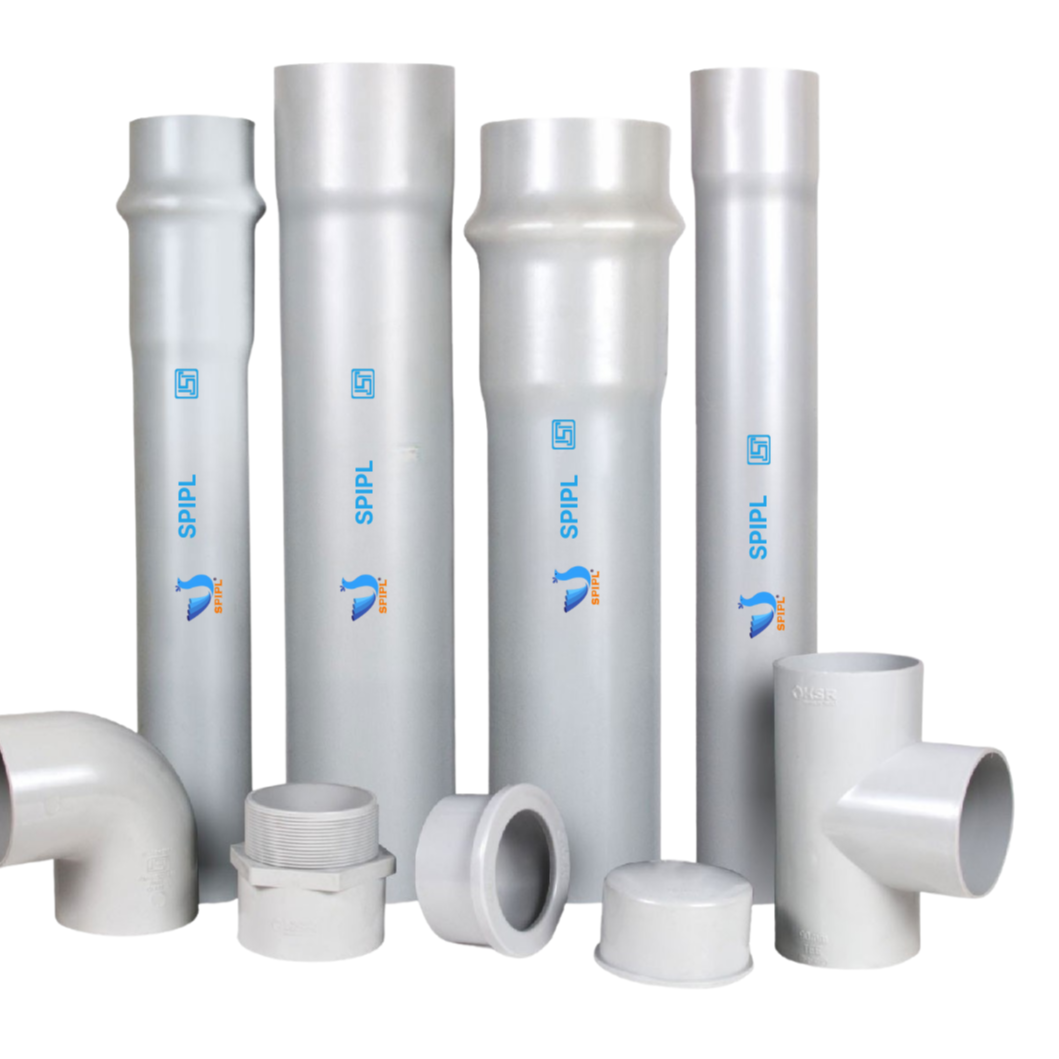
- PVC PIPES_110MM 2.5kgf/Cm2 Class I
- Direct Factory Sale New Wood Pallet Hot Press Machine Comprehensive Wood Product Processing Line Including Wood Crusher Shaving
Trending in this Category
Trending in Sub-Category
- Direct Factory Sale New Wood Pallet Hot Press Machine Comprehensive Wood Product Processing Line Including Wood Crusher Shaving
- Direct Factory Sale New Wood Pallet Hot Press Machine Comprehensive Wood Product Processing Line Including Wood Crusher Shaving
- Direct Factory Sale New Wood Pallet Hot Press Machine Comprehensive Wood Product Processing Line Including Wood Crusher Shaving
- Factory direct sale molded wood pallet for warehouse
- Factory direct sale molded wood pallet for warehouse
- Fresh Lotus Flower
- New 2025 SURRON LIGHT BEE X Electric Dirt Bike
- Indoor Playground Equipment
- Indoor Playground Equipment
- Indoor Playground Equipment
- Indoor Playground Equipment
- Indoor Playground Equipment
Top Suppliers for this Product
Compare Other Sellers
- Sadguru Gold Muc-5 Raw Cotton
- Sadguru Platinum J-34 Raw Cotton
- Sadguru Gold J-34 Raw Cotton
- Sadguru Platinum Dch-32 Raw Cotton
- Sadguru Gold Dch-32 Raw Cotton
- Psyllium Husk
- High Protein Meat Bone Meal
- Robusta raw coffee bean
- Arabica raw coffee beans
- Peppermint, Leaf, Dried
- Common Hop Cones
- Horse Chestnut, Leaf, Dried
More Suppliers in Category
- Anhui Chem-Bright Bioengineering Co., Ltd.
- China Lutong Parts Plant
- Guangzhou Top Power Electronics Technology Co., Ltd.
- Zhejiang Myjoy Import & Export Co., Ltd.
- Xing Da Circuits Technology Co., Ltd.
- Dongying Lake Petroleum Technology Co., Ltd
- Krishna industries
- Om Enterprises
- Sai Enterprises
- Sai traders
- Ak traders
- Laxmi Enterprises
Related Products
- Ceramic fiber board
- Ceramic fiber module
- 5inch Tablet PC with Google Android 1.6
- Green Coffee
- Induction Brazing Machines
- AUDI SERIES BASIN FAUCETS
- Robusta Coffee
- Free standing screen feet
- Climbing Perch / Anabas / Vietnam Koi
- The Ordinary
- Winshot 1500 Professional Shooting Ball Training Equipment
- SIP Audio-Video Intercom Mainboard X25
- Stevia Leaf
- Factory direct sale molded wood pallet for warehouse
- Factory direct sale molded wood pallet for warehouse
- Direct Factory Sale New Wood Pallet Hot Press Machine Comprehensive Wood Product Processing Line Including Wood Crusher Shaving
- Direct Factory Sale New Wood Pallet Hot Press Machine Comprehensive Wood Product Processing Line Including Wood Crusher Shaving
- Direct Factory Sale New Wood Pallet Hot Press Machine Comprehensive Wood Product Processing Line Including Wood Crusher Shaving
- Direct Factory Sale New Wood Pallet Hot Press Machine Comprehensive Wood Product Processing Line Including Wood Crusher Shaving
- PVC PIPES_110MM 2.5kgf/Cm2 Class I
- Sonography jelly
- New 2025 SURRON LIGHT BEE X Electric Dirt Bike
- Fresh Lotus Flower
- Indoor Playground Equipment
- Indoor Playground Equipment
- Indoor Playground Equipment
- Indoor Playground Equipment
- Indoor Playground Equipment
- Indoor Playground Equipment
- Indoor Playground Equipment
- Indoor Playground Equipment
- Candy Soft and Hard and Bisciuts
- Copper Cathodes 99.99% Cu
- Automatic Rebar Counting System
- Factory Price High Speed PP PE Pelletizing Line for Plastic Recycling
- Good Quality Sisal Fiber UG grade
- ug sisal fiber for sale
- Dried Reetha (Soapnut) – Premium Quality
- Chlorine feeder
- Automatic printing plate making exposure machine
- Industrial mobile light tower
- N-Boc-Nortropinone
- WPC decking
- Wayfarer sunglasses
- Fusionexcel bio disc
- Dewatering machine
- Folding machine
- Lead chromate
- FCC catalyst REZEL-1000
- Titanium bolt
- The frame of textile machine
- Neoprene ear band
- PVC fiber reinforced hose
- Soybean oil
- Hydraulic hose 2SN
- Thallium doped cesium iodide scintillator
- LED compact case HY-30-2
- PTFE oven mesh
- Marble and onyx
- Luminous
- Sports flooring
- Fan-driven generator-500W
- Stainless steel SS CR rare metal PVD coating
- W-440, W-446, PAH, TEE, HT-400 pump
- Whole peeled tomato
- Recycled base oil
- Medal
- MSM
- Telescopic tribune
- Vegetable & fruit sterilizer
- Cut garlic device
- 40% glass fiber PP for Filter Press Application
- Xbox360 kinect fixed stand
- Rexroth piston pump
- Effect pedal ultimate drive(OCD)
- Aluminum heatsink
- Plastic ball
- Parker hydraulic valves
- Electric screwdriver
- Dipped zinc oxide varistor
- Optical fresnel lens 46mm
- Fipronil
- Echinacea Purpurea Extract Powder
- Fuel pump for VW 1H0906091D
- Acidity test kit
- Visible fault locator
- Used pressure die casting machines
- Crude glycerine
- Copper tungsten welding wheel
- Copper tungsten
- Mindray SPO2 ext-cable
- Air driven liquid pump
- Circuit breaker lug
- Plastic C hook
- Maxplus tire valve caps
- Caterpillar filters
- Chain link fence
- Oil pup joint
- 2-[2-(acetyloxy)-6
- LOCK BOLT&COLLAR
Top Verified Suppliers
- Anhui Chem-Bright Bioengineering Co., Ltd. · China
- Guangzhou Top Power Electronics Technology Co., Ltd. · China
- China Lutong Parts Plant · China
- Zhejiang Myjoy Import & Export Co., Ltd. · China
- Xing Da Circuits Technology Co., Ltd. · China
- Krishna industries · India
- Sai Enterprises · India
- Om Enterprises · India
- Sai traders · India
- Ak traders · India
- Laxmi Enterprises · India
- SR ENTERPRISES · India
- 99 Gold Data Processing Trading Company Limited · Viet Nam
- Vilaconic · Viet Nam
- Global Export · Egypt
- Waqas Trading · Pakistan
- Kalhari Enterprises · Sri Lanka
- Sanyo Enterprises · Pakistan
- Sip India Infra · India
- Wiztem Industry Co., Ltd · China
- Safetyrich Manufacture Limited · China
- Winkeen Electronic Co., Ltd. · China
- Lionhome Co., Ltd. · China
- Hanzhong Trg Biotech · China
- Shung Fon Industries Co., Ltd. · China
- T.S.Classique · India
- Pinaco Internationale Co · Germany
- Huanggang Yongan Pharmaceutical Co., Ltd · China
- Equinox · India
- Brumby Apparel · Pakistan

 Agriculture›
 Apparel and fashion accessories›
 Construction & real estate›💡Electronic & Electrical›🍎Food & Beverages›🛋️Home furnishing & supplies›⚗️Industrial goods & chemical›🪨Minerals & metals›📦Miscellaneous›Agriculture›Apparel and fashion accessories›Construction & real estate›💡Electronic & Electrical›🍎Food & Beverages›🛋️Home furnishing & supplies›⚗️Industrial goods & chemical›🪨Minerals & metals›📦Miscellaneous›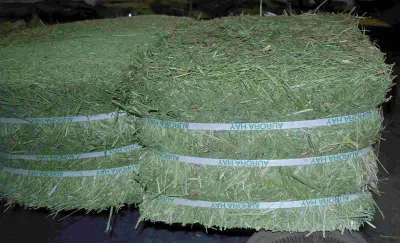
Alfalfa Hay
Soupin Jean Stephane Alfalfa Hay originates from France, a country with established meadow-based forage culture in regions such as Normandy, Picardy and the Loire Valley where maritime climate supports multiple annual cuts. The listing describes the material as nutrient-rich with high protein levels, though no exact percentage is provided in the source data. Packaging is noted as available in large bales or smaller packages to suit varied storage and transportation requirements, suggesting flexibility in unit sizing that buyers can negotiate. The hay is grown using sustainable agricultural practices, a claim that should be substantiated with specific certification or farm-assurance scheme documentation upon enquiry.
French alfalfa typically benefits from temperate growing conditions that extend the vegetative period and allow more cuts per season than Mediterranean or continental origins, potentially yielding finer stem texture and lower lignin at equivalent maturity stages. The absence of specified crude protein, fibre or moisture figures in this listing means buyers must request a complete forage analysis to compare against nutritional requirements. The mention of minimal contamination suggests mechanical conditioning and screening during harvest, but no foreign matter percentage or specific grading standard is cited. Buyers should clarify whether the large bales referenced conform to European standard dimensions (commonly 120 x 70 x 240 cm or 80 x 70 x 240 cm) or alternative formats.
Applications cited include dairy farms, beef cattle ranches and equine diets, covering the standard ruminant and monogastric herbivore markets for premium alfalfa. The supplier indicates flexible MOQ to accommodate both small and large operations, though the exact minimum quantity is not stated and must be confirmed directly. Payment methods mentioned include letter of credit and telegraphic transfer, conventional instruments for international forage trade that offer varying risk allocations between buyer and seller. Shipping options referenced are FOB and CIF, without naming specific French ports; prospective buyers should verify departure port, transit time to destination, and seasonal availability given that French alfalfa is typically harvested May through September with later cuts possible under irrigation.
| Origin | France (source) |
| Growing Practice | Sustainable agriculture claimed (source) |
| Packaging Options | Large bales or smaller packages (source) |
| Payment Instruments | L/C and T/T accepted (source) |
| Shipping Terms Offered | FOB and CIF (source) |
| Typical Crude Protein (French Dehydrated Alfalfa) | 18-22% at early bloom, standard for European premium grade (typical) |
| Typical Moisture Content at Baling | 12-15% for barn-stored hay, 8-10% for dehydrated or export-grade product (typical) |
| Standard Bale Dimensions (Large Square) | 120 x 70 x 240 cm or 80 x 70 x 240 cm, typical for French and European market (typical) |
| Typical NDF Range | 40-48% for dairy-quality alfalfa, higher for late-cut material (typical) |
| Common French Quality Assurance | Certification under Label Rouge, Bleu-Blanc-Coeur, or national environmental certification possible (typical) |
Soupin Jean Stephane is listed as a French supplier with imported tier designation and harbour trust tier, indicating the entity sources product rather than necessarily producing it directly, or that the tier classification reflects marketplace categorisation rather than farm-level origin. The company name suggests individual or family operation rather than corporate structure, though this is inferential and not confirmed by profile data. Like the first listing, this supplier shows a 0.00% response rate with zero average response hours, signalling potential communication challenges that buyers should address through multiple contact attempts or intermediary engagement.
No information is provided on years in operation, annual volume, storage infrastructure, or existing export destinations. The listing mentions verified suppliers in plural, which may indicate Soupin Jean Stephane operates as a trader or cooperative aggregator rather than sole producer. Buyers should request references from previous international shipments, evidence of product liability insurance, and details of any quality management certification held. The sustainable agriculture claim requires substantiation, as French regulatory frameworks offer multiple pathways from self-declared practices to third-party certified organic or HVE (High Environmental Value) status.
| Business Type | Supplier |
| Year Established | Recently Joined |
| Employees | Contact Supplier |
| Annual Revenue | Contact Supplier |
| Main Products | View Products Tab |
| Major Markets | Global |
| Response Time | Contact Supplier |
| Response Rate | New Supplier |
Sourcing Alfalfa Hay from Soupin Jean Stephane - France Import Guide
Before committing to Soupin Jean Stephane, verify the exact corporate structure and authorised signatories, as family-named businesses in France may operate as individual enterprises (EI), limited liability companies (SARL) or agricultural cooperatives with differing liability profiles. Request extracts from the French commercial register (Kbis) and verify VAT identification. Confirm that the sustainable agriculture claim is backed by current certification rather than aspirational practice, and determine whether your end customers recognise the specific scheme named. For initial orders, consider a pre-shipment inspection clause allowing third-party verification of bale count, weight, appearance and sampling for moisture before release of shipping documents.
Logistics planning requires identification of the export port, as French alfalfa shipments may depart from Atlantic ports (Nantes-Saint-Nazaire, La Rochelle), Channel ports (Dunkirk, Le Havre) or Mediterranean terminals depending on origin and destination routing. Seasonal congestion during grain harvest (July-September) can affect berth availability and inland haulage rates. Confirm container type, whether ventilated or standard dry, and whether the supplier provides stuffing supervision. For CIF shipments, verify the insurance clause (Institute Commodity Trades A or equivalent) and that coverage extends from warehouse to warehouse rather than port-to-port, given potential delays in customs clearance at destination.
Quality assurance on arrival should begin with visual inspection for mould, heating damage, foreign matter and bale integrity, documented photographically before unloading proceeds. Commission independent laboratory analysis for moisture, crude protein, crude fibre, ash and aflatoxin screening, comparing results against any pre-shipment certificate provided. French origin alfalfa may carry different weed seed profiles than North American or South American alternatives; verify that no prohibited species are present under your national quarantine regulations. Establish a retention sample protocol for dispute resolution, and agree in advance on arbitration venue and applicable law, with Paris commercial court or ICC arbitration being conventional for French trade disputes.
Active buying requirements from importers looking for Similar products
 Germany
 South Africa
 TurkeyTurkeyTurkeyTurkey
- ✓Who's importing it
- ✓What prices they're paying
- ✓Which ports they're moving through
Related Products & Suppliers
Compare alternatives, find similar products and connect with verified suppliers
Similar Products
More from this Seller

Related Products
Trending in this Category
Trending in Sub-Category

Top Suppliers for this Product
Compare Other Sellers
More Suppliers in Category
Browse Alfalfa Hay — Top Products
100 listingsTop Verified Suppliers for Alfalfa Hay
30 suppliersBuy & Import Alfalfa Hay — Wholesale Supply from France
Securing a reliable supply chain for Alfalfa Hay is critical for maintaining your business operations. Soupin Jean Stephane, a verified supplier located in France, provides high-quality Alfalfa Hay ready for international export. By connecting directly with this supplier, buyers can bypass intermediaries, negotiate custom wholesale pricing, and arrange bulk shipments. This product is a key offering within the Agriculture Products industry, catering to distributors, wholesalers, and importers worldwide.
Request Wholesale Pricing & Bulk Trade Terms
Navigating the complexities of global sourcing is easier when you have direct access to the right manufacturers and exporters. When importing Alfalfa Hay from France, buyers can discuss shipping logistics, packaging requirements, and preferred payment terms directly with Soupin Jean Stephane. This seamless communication is powered by EximNext, a premier import export marketplace that connects ambitious buyers with verified global sellers across every major industry.
About Soupin Jean Stephane — Verified Supplier in France
We understand that verifying supplier credentials is a top priority for importers. Soupin Jean Stephane is part of our extensive network of vetted international exporters. Browse more products in the Agriculture category or discover new suppliers across the Agriculture Products sector. Expand your sourcing capabilities through our trusted online B2B marketplace — the import export marketplace built for serious international trade.
International Shipping & Import Guidelines for Alfalfa Hay
When importing Alfalfa Hay from France, buyers should consider shipping terms (FOB, CIF, EXW), customs documentation requirements, and payment security. Contact the supplier to discuss the best logistics options for your destination country.
Frequently Asked Questions About Alfalfa Hay
How can I get the wholesale price for Alfalfa Hay?
Click the "Request Quotation" button to contact Soupin Jean Stephane directly. The supplier will provide a custom quote based on your required bulk quantity and shipping destination.
Can I buy Alfalfa Hay in bulk from France?
Yes, Soupin Jean Stephane provides Alfalfa Hay for bulk export from France. You can negotiate the MOQ, packaging details, and shipping terms directly with the supplier.
What shipping terms are available for this product?
Shipping terms such as FOB, CIF, or EXW can be negotiated directly with Soupin Jean Stephane. Contact the supplier to discuss the best logistics options for importing Alfalfa Hay to your country.
How do I request a sample of Alfalfa Hay?
Send a direct message to Soupin Jean Stephane through our platform to request a product sample before committing to a large wholesale order.
Is it safe to source products from this supplier?
Soupin Jean Stephane is a registered and verified supplier on EximNext. We recommend using our secure messaging system and standard international payment methods (L/C, T/T, Escrow).
What specifications should I ask for when importing Alfalfa Hay?
Request a detailed product data sheet including grade, purity, dimensions, material composition, and applicable industry standards from Soupin Jean Stephane.
Does Soupin Jean Stephane offer custom packaging or private labeling?
Many suppliers on EximNext, including Soupin Jean Stephane, offer custom packaging and private label options for bulk wholesale orders.
What payment methods are accepted for international orders?
Common payment methods include Letter of Credit (L/C), Telegraphic Transfer (T/T), Documents against Payment (D/P), and Escrow services.
Can I find more Agriculture Products suppliers on EximNext?
Yes, EximNext hosts a wide network of verified Agriculture manufacturers, exporters, and wholesalers across 200+ countries.
How do I contact Soupin Jean Stephane for a bulk trade inquiry?
Click "Request Quotation" or "Contact Supplier" on this page. Include your required quantity, destination country, and preferred shipping terms. All communications are managed securely through our import export marketplace.
Browse More Agriculture Products on EximNext
Discover more products in Agriculture Products from verified suppliers worldwide.