Zhengzhou Dingli New Energy Technology Co., Ltd. — Verified Supplier
About Zhengzhou Dingli New Energy Technology Co., Ltd. - Industrial Machinery Supplier in China
Zhengzhou Dingli New Energy Technology Co., Ltd. is based in Zhengzhou, China and currently lists 85 active products. The catalogue spans Industrial Machinery, Light & Medium Machinery, Heating, Air‑Conditioner & Ventilation, Agriculture, Heaters, Briquette equipment, Wood Working Machinery & Tools, and Soil Conditioners. Product titles include Ring Die Pellet Mills, Hammer Mill, Gypsum Rotary Dryer, Hf Vacuum Wood Drying Production Line, Cocopeat Belt Dehydrator, Food Residue Drying Production Line, Paddle Stirring Drum Rotary Dryer and a variety of rotary drum dryers for mineral slag, gypsum, coal, lignite and agricultural residues. The supplier also offers several briquette machines such as Stamping Type Biomass Briquette and Biomass Screw Extrusion Briquette Machine, together with dedicated drying lines for coconut palm fiber, alfalfa hay, napier grass, elephant grass and rice straw.
The listed machines are grouped under HS‑code families commonly used for drying and processing equipment, notably chapter 84 (e.g., 8421 for drying or cooling machines) and chapter 84.79 for other machinery. While specific HS codes are not provided for each item, buyers typically see these categories classified under those headings in customs documentation. The portfolio therefore covers both bulk drying solutions and compact briquette presses that serve the biomass, construction material and agricultural processing sectors.
Product Range and Specialties of Zhengzhou Dingli New Energy Technology Co., Ltd.
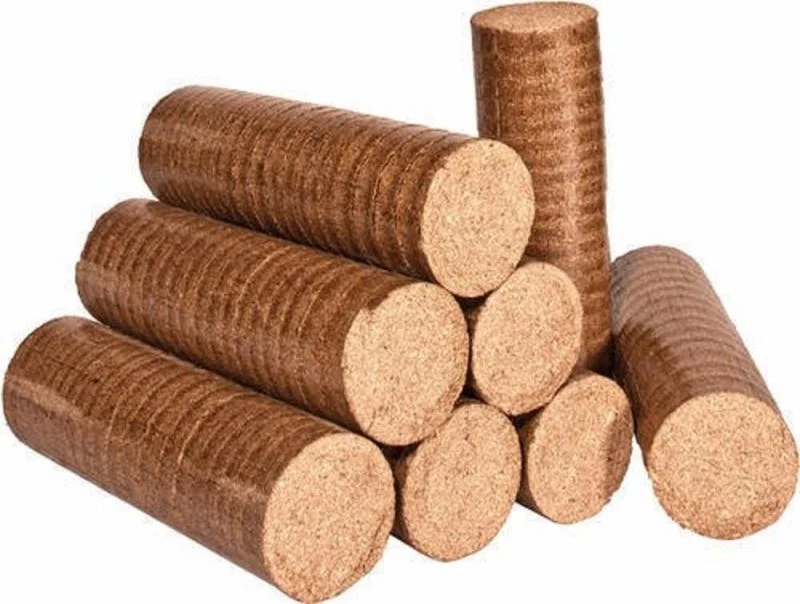
Zhengzhou Dingli’s catalogue concentrates on thermal drying and biomass processing equipment. Rotary drum dryers are offered in multiple configurations - single‑drum, three‑channel, and belt‑driven designs - with typical capacities ranging from 5 to 50 t/h and operating temperatures up to 200 °C, achieving final moisture contents of 10 % or lower for gypsum, mineral slag, coal, lignite and various crop residues. The Ring Die Pellet Mills are designed for 5 - 30 t/h output, producing 6 - 8 mm pellets suitable for solid biofuel applications, while the Hammer Mill provides size reduction for feedstock preparation before drying or briquetting. Briquette machines listed (stamping and screw‑extrusion types) normally generate 10 - 30 mm diameter briquettes at pressures of 5 - 15 MPa, compatible with wood chips, sawdust, rice straw, wheat straw and other agricultural waste. Standard material choices include cast iron frames, stainless‑steel (AISI 304/316) drums and food‑grade polymer seals, and most units include temperature control panels, automatic feed regulation and dust‑extraction systems.
Trade and Export Information - Zhengzhou Dingli New Energy Technology Co., Ltd.
China is a leading exporter of industrial drying and biomass processing equipment, and Zhengzhou‑based manufacturers often ship to Southeast Asian agribusinesses, Middle‑East power producers, European construction material firms and African fertilizer plants. The HS‑code 8421 family covers most of the rotary dryers and belt dehydrators, while briquette presses fall under HS 8479. Buyers usually require CE marking, ISO 9001 quality‑management certification and, for electrical components, IEC 60034 compliance. Export logistics commonly involve 40‑ft containers for compact units, flat‑rack containers or break‑bulk shipping for larger drum dryers and complete production lines, with Incoterms such as FOB Zhengzhou Port or CIF destination ports. Chinese exporters typically provide pre‑shipment inspection reports (e.g., SGS or Bureau Veritas) to satisfy import‑country customs and bank requirements.
Sourcing from Zhengzhou Dingli New Energy Technology Co., Ltd. - Buyer Guidance
When sourcing from Zhengzhou Dingli, buyers should request a complete technical datasheet that lists rated capacity (t/h), power consumption (kW), drum dimensions (diameter × length), material of construction and temperature control range. Copies of any CE certificates, ISO 9001 audit reports and motor test certificates should be verified before contract signing. It is advisable to obtain a performance test report or factory‑acceptance test (FAT) video that demonstrates moisture‑removal efficiency and briquette density under the buyer’s intended feedstock. Confirm warranty terms (typically 12 - 24 months) and after‑sales service coverage, especially for on‑site installation, commissioning and spare‑part supply.
Frequently Asked Questions About Zhengzhou Dingli New Energy Technology Co., Ltd.
What categories of equipment does Zhengzhou Dingli New Energy Technology Co., Ltd. list?
The supplier lists drying equipment (rotary drum dryers, belt dehydrators, paddle‑stirring dryers), pellet mills, hammer mills, and biomass briquette machines, covering applications from gypsum and mineral slag to agricultural residues and wood waste.
Are the rotary dryers suitable for processing agricultural residues such as wheat straw or rice straw?
Yes, the rotary dryers are offered with adjustable temperature controls and airflow rates that can handle low‑density feedstocks like wheat straw, rice straw, alfalfa hay and napier grass, typically reducing moisture to 10 % or less.
Which certifications are commonly required for these types of machines?
Buyers usually ask for CE marking, ISO 9001 quality‑management certification and motor compliance to IEC 60034. Additional environmental certification such as ISO 14001 may be requested for plants with strict emission controls.
What is the typical lead time for a custom‑size rotary dryer?
Lead times for a standard 10‑t/h rotary dryer are 8 - 10 weeks after order confirmation; larger or specially engineered units can require 12 - 16 weeks depending on design complexity and material specifications.
What shipping methods are used for the larger drying production lines?
Large dryers and complete production lines are normally shipped on flat‑rack containers or as break‑bulk cargo on roll‑on/roll‑off vessels, with FOB Zhengzhou Port or CIF to the buyer’s nearest major port as common Incoterms.
Can the briquette machines process multiple types of biomass feedstock?
Both the stamping and screw‑extrusion briquette machines are designed to handle a range of feedstocks, including wood chips, sawdust, rice straw, wheat straw and coconut palm fiber, with adjustable pressure settings to achieve consistent briquette density.
What power requirements should be expected for the hammer mill?
The listed hammer mills typically operate at 5 - 15 kW for capacities up to 5 t/h, with voltage options of 380 V three‑phase and built‑in overload protection.
How should a buyer verify the performance of a drying line before purchase?
Buyers should request a factory‑acceptance test report that includes inlet and outlet moisture levels, temperature profiles, energy consumption per tonne of dried material, and any emissions measurements for the specific feedstock the buyer intends to process.




 , China