Agriculture›
 Apparel and fashion accessories›
 Construction & real estate›💡Electronic & Electrical›🍎Food & Beverages›🛋️Home furnishing & supplies›⚗️Industrial goods & chemical›🪨Minerals & metals›📦Miscellaneous›Agriculture›Apparel and fashion accessories›Construction & real estate›💡Electronic & Electrical›🍎Food & Beverages›🛋️Home furnishing & supplies›⚗️Industrial goods & chemical›🪨Minerals & metals›📦Miscellaneous›
Wunder Hommz Inc Product Catalog
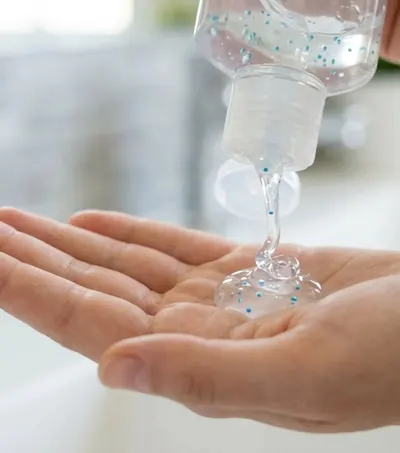
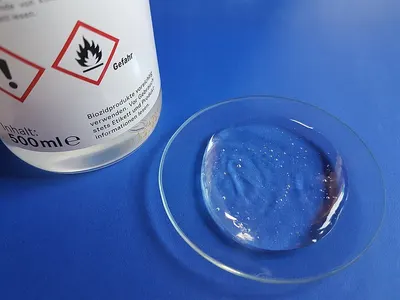

About Wunder Hommz Inc - Hand Sanitizer Supplier in India
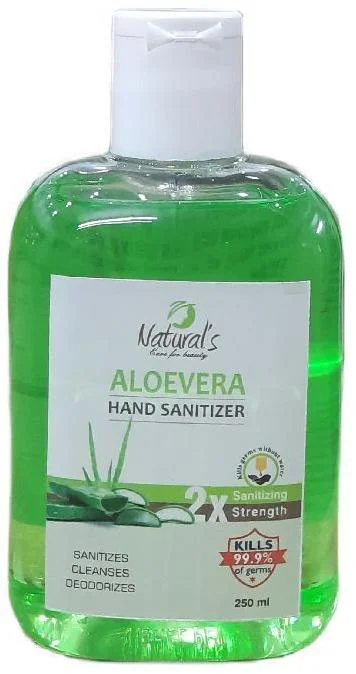
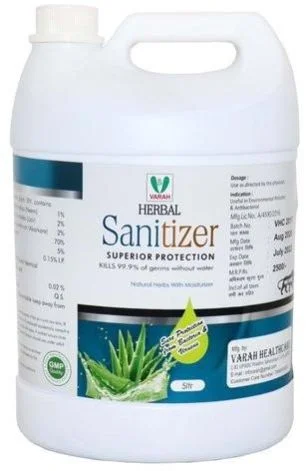
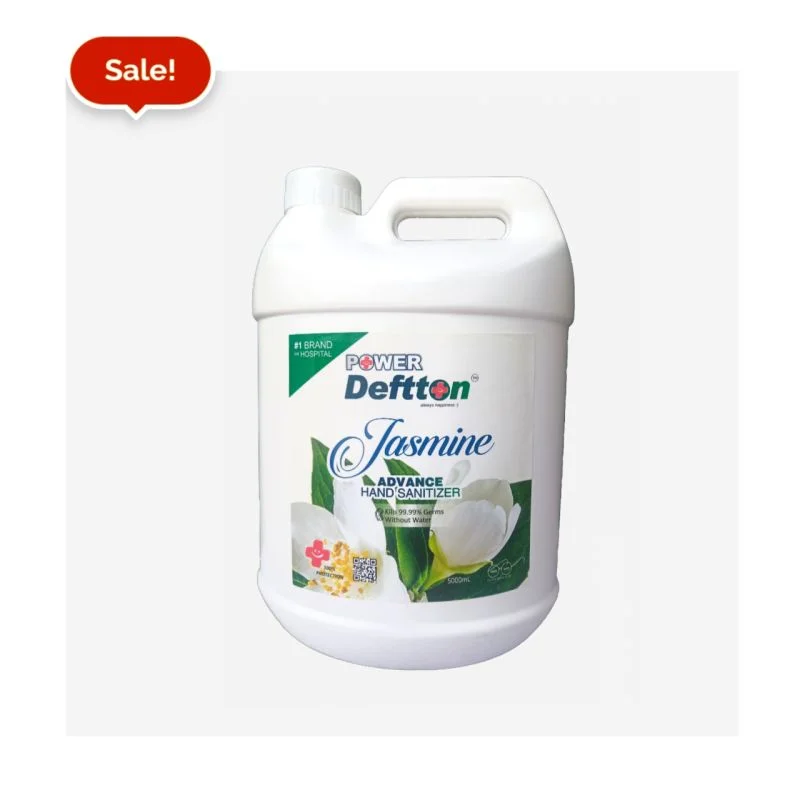
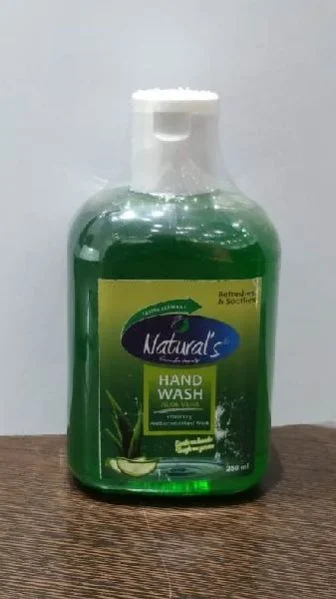
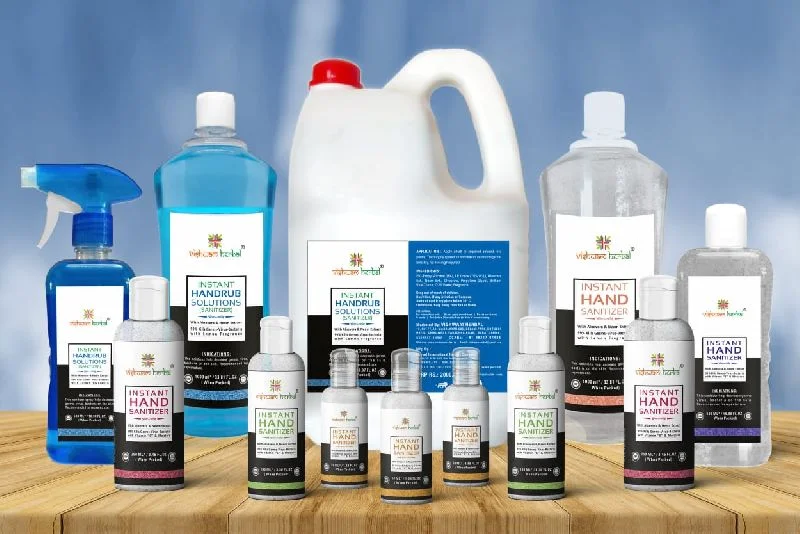
Based in India, Wunder Hommz Inc lists six active products in its catalogue. The company groups its offerings under the top categories of Hand Sanitizer, Herbal Hand Sanitizer, Hand Sanitizer Gel and broader Hygiene Products. The catalogue includes items such as Hand Santizer, Aloe Vera Hand Wash, Instant Hand Santizer Gel, Surface Disinfectant, Hand Santizer Gel and Ayurvedic Disinfect. These products fall within the liquid and gel disinfectant segment commonly classified under HS chapter 38 for hygiene chemicals. The supplier’s portfolio therefore covers both alcohol‑based and herbal‑based formulations used for personal and surface sanitation.
The six listed items use varying active ingredients, from ethanol or isopropanol bases to plant‑derived extracts like aloe vera and Ayurvedic herbs. Product descriptions indicate both spray and gel formats, suitable for direct hand application or surface treatment. No specific HS codes are provided in the catalogue, but the product types align with standard disinfectant classifications used in international trade. The range targets buyers seeking ready‑to‑use hand hygiene solutions for retail, institutional or industrial distribution.
Product Range and Specialties of Wunder Hommz Inc
The catalogue comprises two alcohol‑based gels (Hand Santizer Gel, Instant Hand Santizer Gel), one alcohol‑free herbal wash (Aloe Vera Hand Wash), a surface disinfectant spray, a standard hand sanitizer (Hand Santizer) and an Ayurvedic disinfectant formulation. In the hand‑sanitizer market, alcohol content typically ranges from 60 % to 95 % v/v for efficacy against enveloped viruses, while herbal variants often contain 10 % - 30 % plant extracts combined with lower alcohol levels or alternative antiseptics.
Industry standards commonly referenced include the World Health Organization (WHO) recommended formulation, ISO 22716 for cosmetic manufacturing practices, and local regulatory limits on methanol content. Buyers often encounter packaging options of 50 ml, 250 ml, 500 ml bottles or bulk drums, with labeling that meets the Globally Harmonized System (GHS) for chemical safety.
Frequently Asked Questions About Wunder Hommz Inc
What product formats does Wunder Hommz Inc offer?
The supplier lists six products, including a spray‑type surface disinfectant, liquid hand sanitizer, gel‑based sanitizer gels and an Ayurvedic disinfectant, covering both alcohol‑based and herbal formulations.
Which active ingredients are typical in these products?
Alcohol‑based items generally contain ethanol or isopropanol at 60 % - 95 % v/v, while the herbal range uses aloe vera extract and other Ayurvedic botanicals as the primary antiseptic agents.
What documentation should a buyer request before purchasing?
Buyers should ask for a Certificate of Analysis, Safety Data Sheet, and evidence of GMP or ISO 22716 compliance, as well as any export‑origin certificates required by the destination country.
Are there common regulatory standards applicable to these products?
Hand sanitizers and disinfectants are subject to WHO formulation guidelines, the EU Biocidal Products Regulation, US FDA OTC drug requirements, and testing standards such as EN 14476 for virucidal activity.
What are typical packaging sizes for hand‑sanitizer products from India?
Exporters usually provide PET bottles of 50 ml, 250 ml, 500 ml, 1 L, and bulk drums of 5 L or 20 L, which can be palletised for container loading.
 India
Related Suppliers & Products
Explore similar suppliers, related products and trending categories