Whetstone Global Edge LLP — Verified Supplier
About Whetstone Global Edge LLP - Cosmetics & Beauty Products Supplier in India
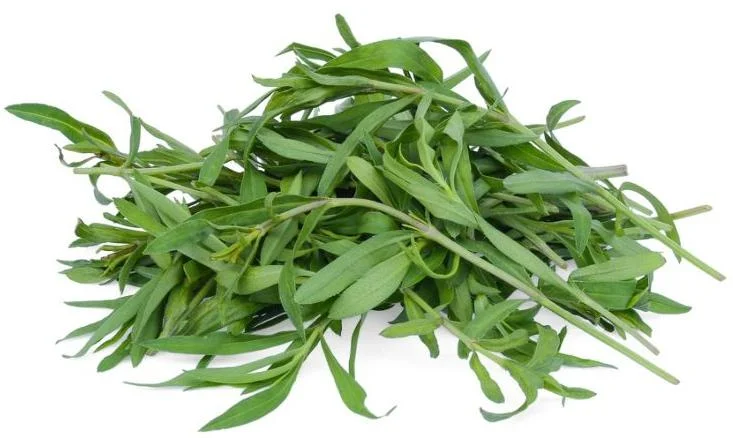
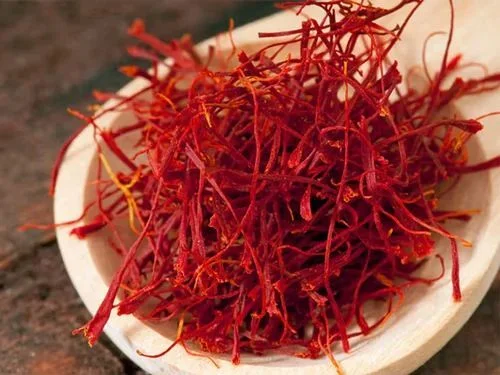
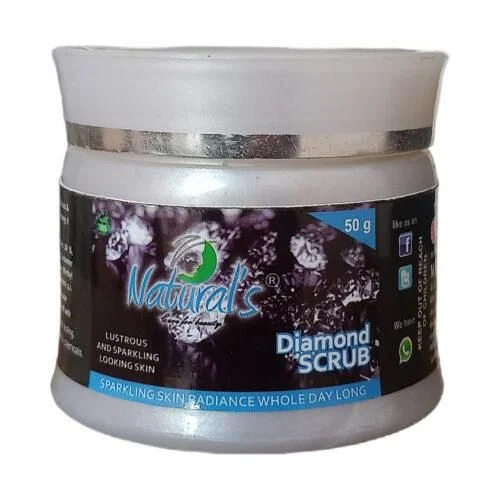
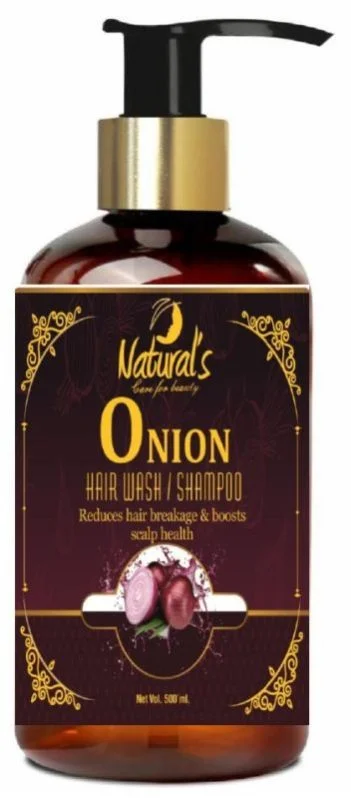
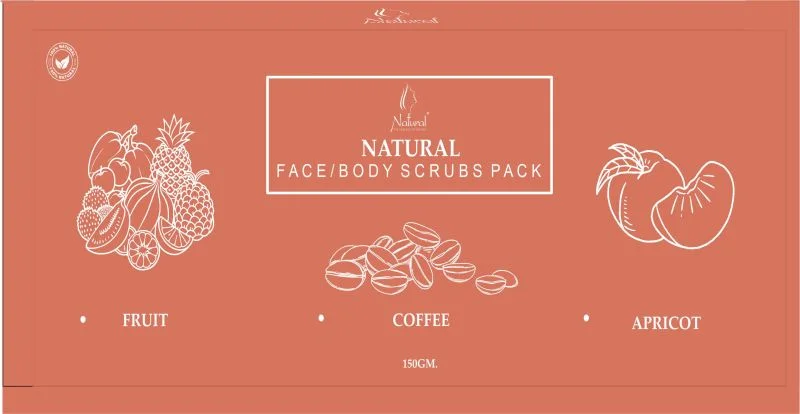
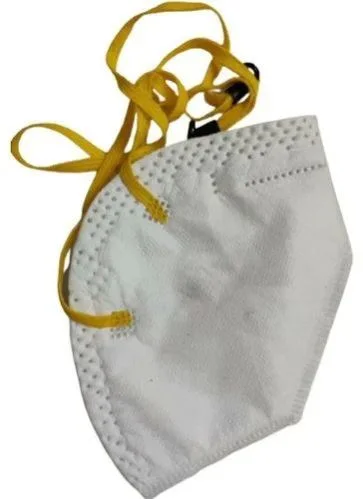
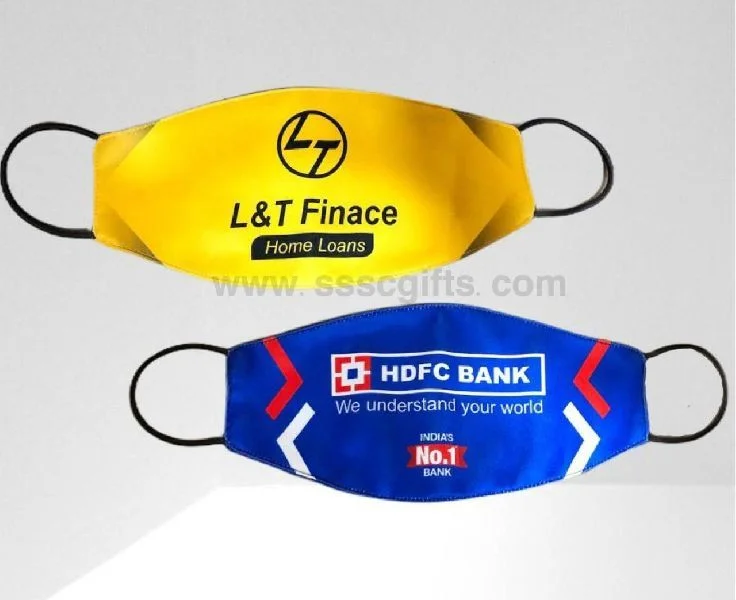
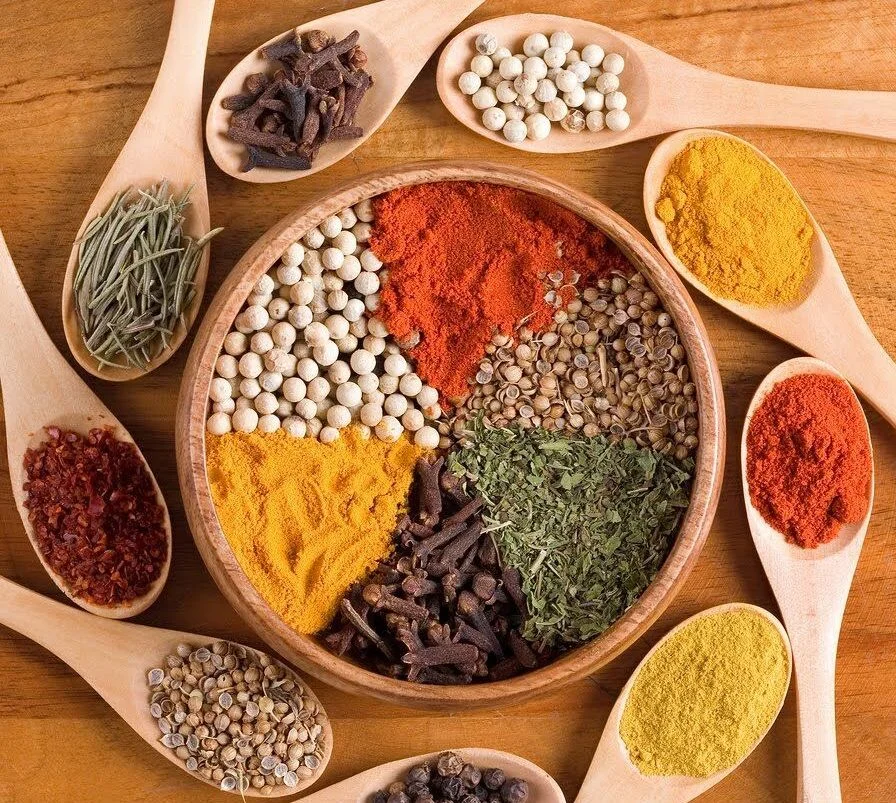
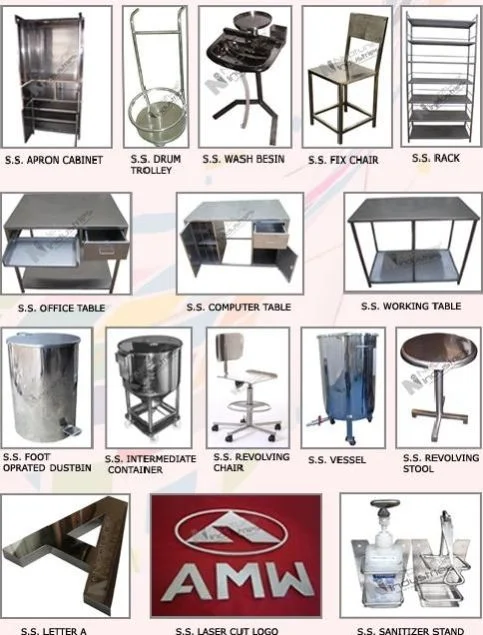
India‑based Whetstone Global Edge LLP lists 26 active products across several categories. The catalogue includes cosmetics such as Detox Face Pack (HS 3304.99) made from Ayurvedic herbal extracts, Radiant Face Feed (HS 3304.99) with a marigold‑based blend, Hair Rejuvinator Powder (HS 3305.90) of 100 % natural herbs, and a series of face washes, shampoos and masks that fall under HS 3304.99 or 3304.90. In addition, the supplier offers herbal products, spices and herbs, rice, as well as non‑cosmetic items like carpets, ceramic and vitrified tiles, and construction spare parts.
Product Range and Specialties of Whetstone Global Edge LLP
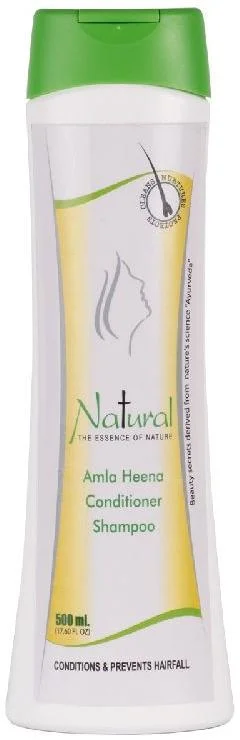
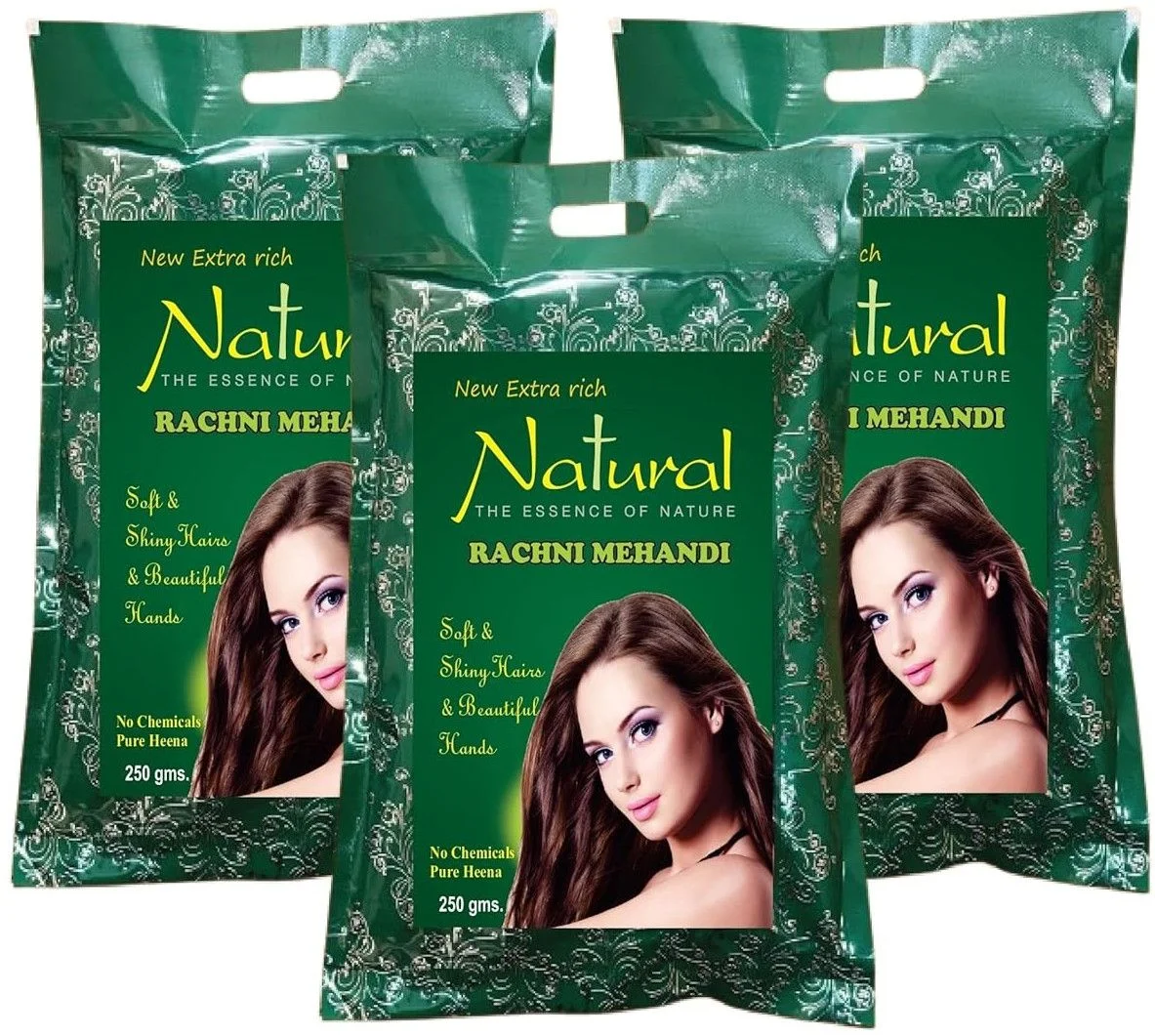
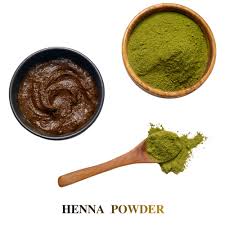
The product list comprises Ayurvedic‑based skin‑care items (face packs, masks, Ubtan body scrub), herbal hair colourants (Henna Indigo, Indigo Leaf Powder), and personal‑care liquids (Neem Shampoo, Lemongrass Shampoo, Rose Sandal Face Wash). Typical industry specifications for Indian herbal cosmetics include ISO 22716 GMP compliance, microbiological limits (e.g., total aerobic count < 10⁴ CFU/g), and declared active ingredient percentages such as neem extract ≥ 5 %. For spices and herbs, buyers usually look for ISO 22000 or FSSC 22000 certification, aflatoxin ≤ 10 µg/kg, and moisture content ≤ 12 %. Indian rice exports are commonly graded by milling degree (e.g., 70 % polished) and moisture ≤ 14 %, with HS 1006 covering milled rice. Non‑cosmetic items such as carpets and ceramic tiles follow standard HS chapters 57 and 69, with material specifications such as pile density (kg/m²) for carpets or porcelain strength ≥ 30 MPa for tiles.
Trade and Export Information - Whetstone Global Edge LLP
India is a major exporter of herbal cosmetics, spices, and rice, with primary markets in the European Union, United States, Middle East and Southeast Asia. HS chapter 33 (cosmetics) and chapter 10 (cereals) are routinely inspected under the EU REACH, US FDA cosmetics regulations, and India’s own FSSAI for food items. Buyers typically request certificates such as ISO 9001, ISO 22716, GMP, and phytosanitary phytosanitary certificates for spices. Common Incoterms used are FOB Mumbai or CIF Dubai, with container loading of 20 ft for cosmetics (approximately 18 000 units) and 40 ft for rice (≈ 20 tons). Export documentation from India generally includes commercial invoice, packing list, certificate of origin, and where applicable, a phytosanitary certificate or a test report for heavy metals in herbal products.
Sourcing from Whetstone Global Edge LLP - Buyer Guidance
When sourcing from Whetstone Global Edge LLP, request a recent GMP or ISO 22716 audit report for the herbal cosmetics, and a laboratory analysis confirming active ingredient levels (e.g., neem extract concentration). For spices and rice, ask for an FSSAI licence copy, a certificate of analysis showing moisture, ash and aflatoxin levels, and a phytosanitary certificate for customs clearance. Verify that product packaging complies with HS‑specific labeling rules - ingredient list and batch number for cosmetics, and country of origin, net weight and lot code for food items - before confirming a purchase order.
Frequently Asked Questions About Whetstone Global Edge LLP
What cosmetic product categories are listed by Whetstone Global Edge LLP?
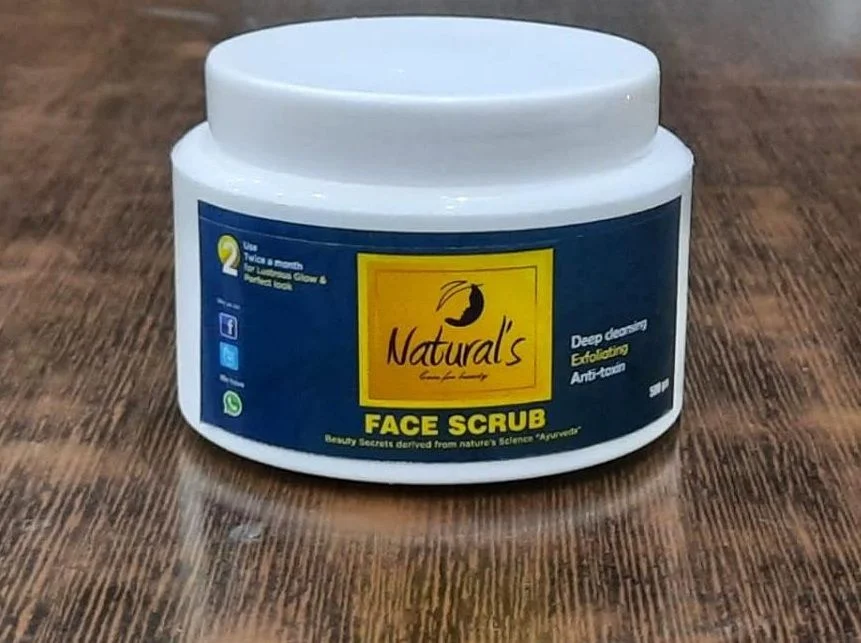
The catalogue includes face packs, facial scrubs, detox masks, anti‑acne masks, anti‑ageing masks, body scrubs (Ubtan), herbal face washes, neem and lemongrass shampoos, and hair colour powders such as Henna Indigo.
Which HS codes are associated with the listed cosmetics?
Products containing herbal extracts are classified under HS 3304.99, the instant glow mask under HS 3304.90, and the hair rejuvinator powder under HS 3305.90. These codes fall within Chapter 33 for beauty and make‑up preparations.
What certifications should a buyer request for the herbal cosmetics?
Buyers should ask for ISO 22716 (cosmetics GMP), a recent GMP audit report, and any relevant organic or Ayurvedic certification. Test reports for heavy metals and microbial limits are also standard for herbal preparations.
What are the typical packaging formats for the rice and spices offered?
Indian exporters usually ship rice in 25 kg polypropylene bags or bulk 20 ft containers with liner bags, while spices are packed in 1 kg or 5 kg food‑grade kraft paper bags, often double‑sealed for moisture protection.
What are common minimum order quantities (MOQ) and lead times for the cosmetics?
MOQs for herbal cosmetics typically start at 500 units per SKU, with lead times of 25‑35 days from order confirmation, depending on batch size and required lab testing.
Which regions most frequently import Indian herbal cosmetics and spices?
The European Union, United States, United Arab Emirates and Saudi Arabia are the largest importers of Indian Ayurvedic cosmetics and spice blends, driven by demand for natural and organic ingredients.
What documentation is required for customs clearance of these products?
Standard documents include commercial invoice, packing list, certificate of origin, GMP or ISO 22716 compliance certificate for cosmetics, FSSAI licence for food items, and a phytosanitary certificate for spices. HS‑specific safety data sheets may also be requested by the importer.
How are the non‑cosmetic items such as carpets and tiles classified for export?
Carpets fall under HS 5702 (carpets and other textile floor coverings) and ceramic & vitrified tiles under HS 6907 (ceramic flags and paving tiles). Exporters generally provide a material composition certificate and a test report for abrasion resistance or flexural strength as required by the destination market.




 , India