Weighdata — Verified Supplier
About Weighdata - Tea Supplier in South Africa
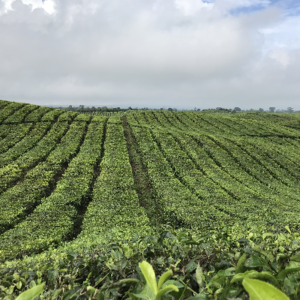
Weighdata operates from the Western Cape province of South Africa and currently lists seven active products in its catalogue. The product set spans both agricultural food items and fuel-grade charcoal, covering tea varieties, coffee beans, macadamia kernels, beef, and two forms of charcoal. Each entry is identified with a specific HS‑code family, for example 0902.00 for Rooibos tea and 4402.00 for bamboo charcoal. The supplier’s tier classifications are recorded as “organic” for product quality and “harbor” for trust level, reflecting the data source rather than any self‑declared claim. The geographic focus remains South Africa, and the catalogue does not reference any additional manufacturing sites or processing facilities.
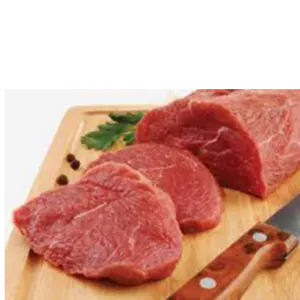
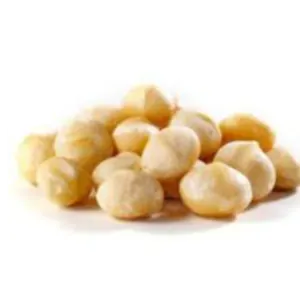
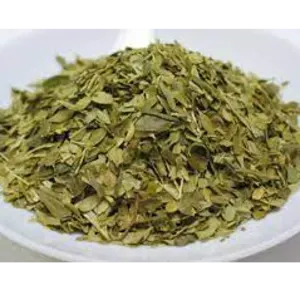
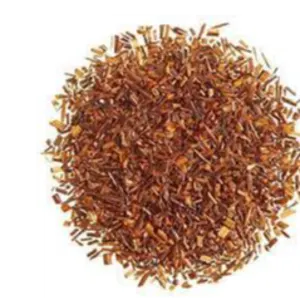
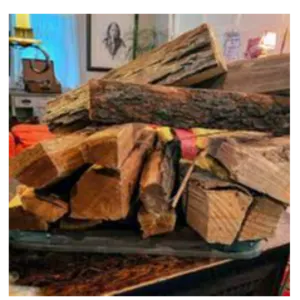
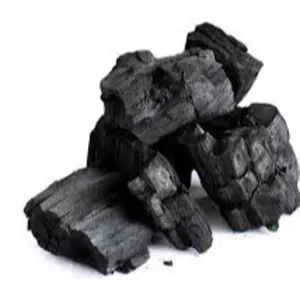
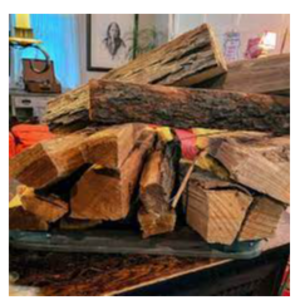
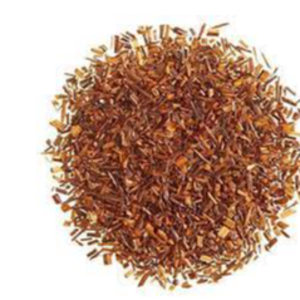
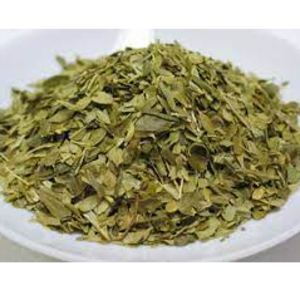
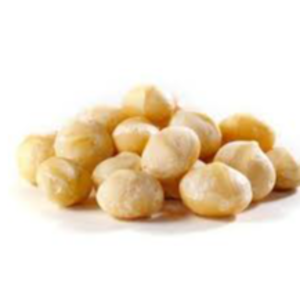
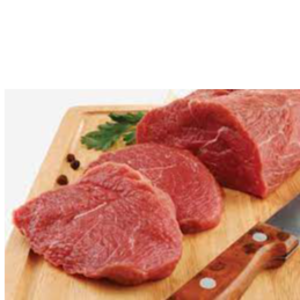
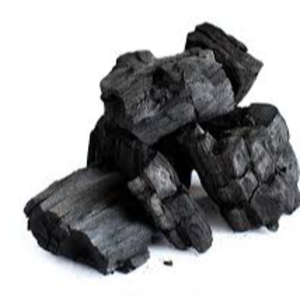
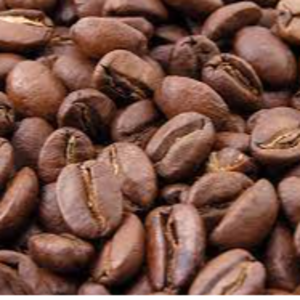
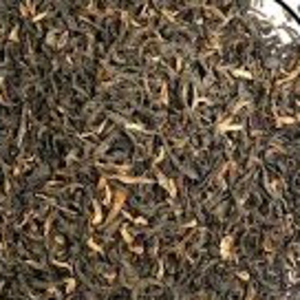
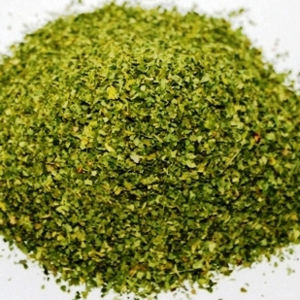
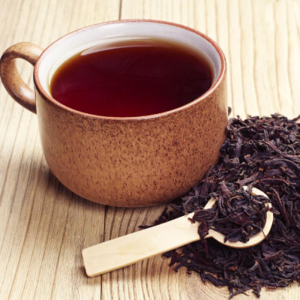
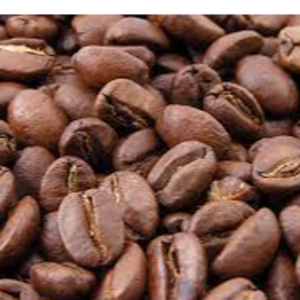
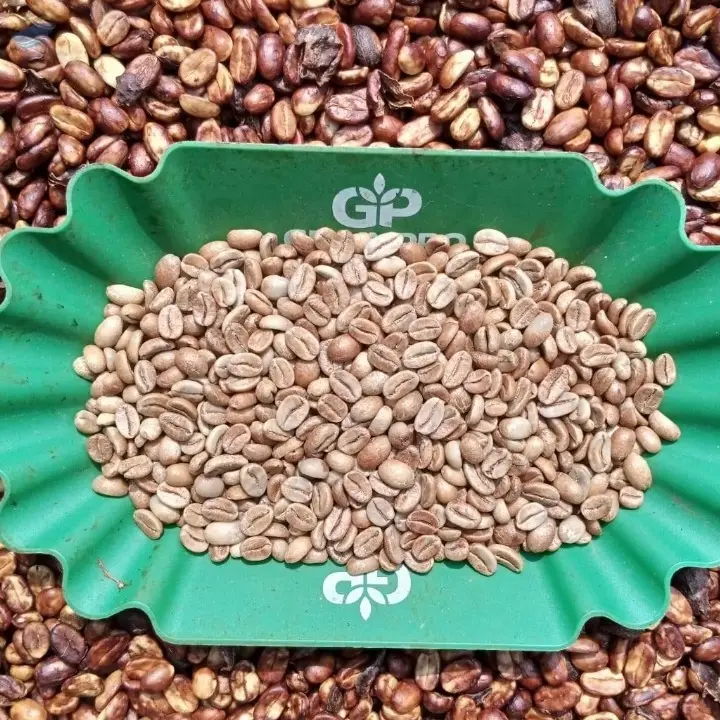
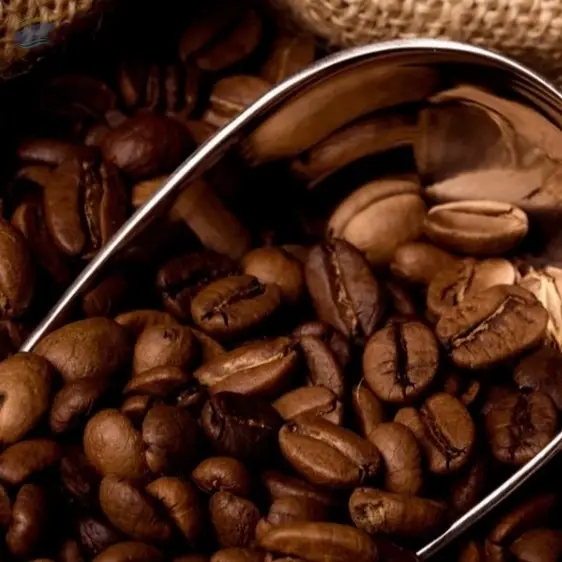
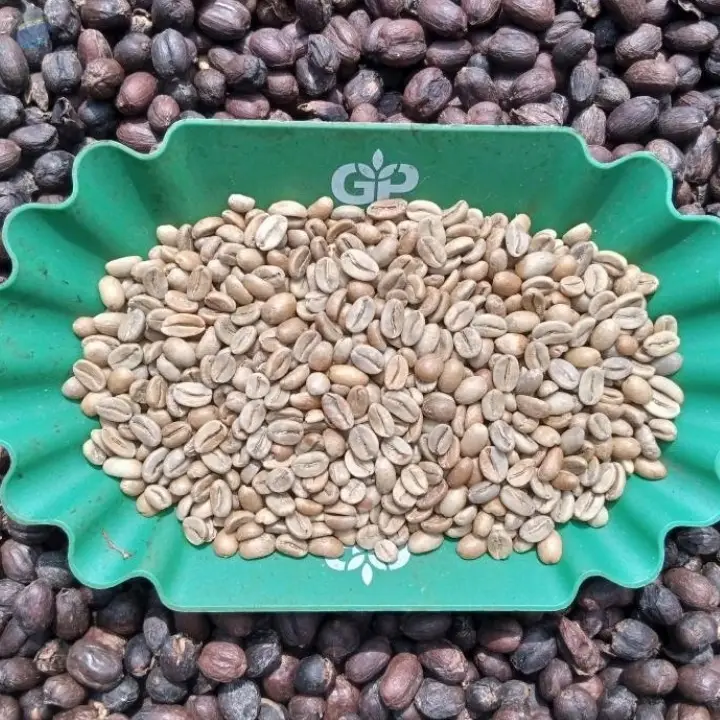
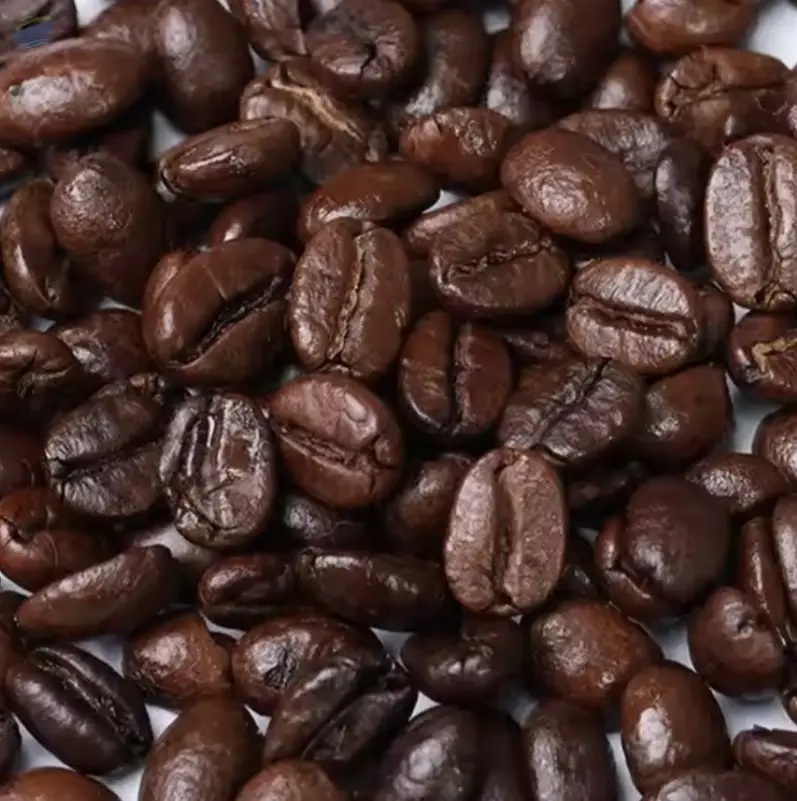
The catalogue groups the seven items into three broad HS‑code chapters: Chapter 09 for tea, coffee and nuts (0901‑0902), Chapter 44 for charcoal and firewood (4401‑4402), and Chapter 16 for cooked meat (1602). Within the tea segment, Weighdata lists Rooibos tea (0902.00) derived from Aspalathus linearis and Buchu tea (0902.20) from Agathosma betulina leaves. The charcoal line includes bamboo charcoal (4402.00) and hardwood firewood (4401.10) sourced from species such as oak and mesquite. Coffee beans are classified under 0901.11 and are a blend of Coffea arabica and Coffea canephora. The remaining items are raw macadamia kernels (0802.62) and cooked beef (1602.50), each matched to its respective HS code.
Product Range and Specialties of Weighdata
Weighdata’s product portfolio comprises premium South African Rooibos and Buchu teas, a standard Arabica/Canephora coffee bean offering, raw macadamia kernels, and cooked beef cuts. In the charcoal segment, the supplier provides bamboo charcoal, typically graded by carbon content and moisture level, and hardwood firewood, which is often measured by calorific value (MJ/kg) and density. Industry practice for tea exports includes grades such as Grade A (leaf size > 3 mm) and moisture limits below 12 %, while coffee beans are commonly shipped in 60 kg jute bags meeting ISO 22000 hygiene standards. Macadamia kernels are usually sorted by size (12‑15 mm) and shell‑free percentage above 95 %. Beef products for export are typically frozen at - 18 °C and must comply with HACCP‑based safety plans.
Trade and Export Information - Weighdata
Exporters of South African tea and coffee frequently target markets in the European Union, the United States and the Middle East, where buyers often require phytosanitary certificates and compliance with EU Regulation No 1151/2012 for organic products. Charcoal and firewood are commonly shipped in bulk containers or bulk bags to regions such as Southern Africa, the Middle East and parts of Asia for use in grilling and industrial fuel, with HS chapter 44 items subject to customs inspections for carbon content and moisture. Beef exports from South Africa are regulated under the EU’s EU‑Regulation 853/2004 and the US’s FSIS requirements, with mandatory veterinary health certificates and traceability records. Typical packaging includes 20‑ft or 40‑ft containers for tea, coffee and nuts, often in food‑grade liners, while charcoal is packed in 1 ton polypropylene bags. Incoterms such as FOB Cape Town or CIF Dubai are regularly used for these product groups, and buyers should verify the presence of origin certificates and any required fumigation or heat‑treatment documentation.
Sourcing from Weighdata - Buyer Guidance
When sourcing from Weighdata, buyers should request a recent phytosanitary certificate for tea and coffee, as well as a laboratory analysis confirming moisture content (≤12 % for tea, ≤10 % for coffee) and pesticide residue levels below the Codex MRLs. For macadamia nuts, a nut‑quality report detailing shell‑free percentage and aflatoxin testing is standard practice. Charcoal purchasers normally ask for a calorific value test (minimum 28 MJ/kg) and a moisture analysis (≤8 %). Beef orders should be accompanied by a HACCP compliance statement, a veterinary health certificate, and a freezer‑temperature log confirming storage at - 18 °C or lower. Samples of each product category should be obtained before finalizing volume, and buyers are advised to verify the HS code on the commercial invoice matches the catalogue entry to avoid customs delays.
Frequently Asked Questions About Weighdata
What HS codes does Weighdata use for its tea products?
Rooibos tea is listed under HS code 0902.00 and Buchu tea under 0902.20, both falling within Chapter 09 for tea and herbal infusions.
Which certifications should a buyer request for the coffee beans?
Buyers should ask for an ISO 22000 or HACCP certificate, a phytosanitary certificate, and a recent analysis confirming caffeine content and moisture below 12 %.
How is the bamboo charcoal graded for export?
Typical grading involves measuring carbon content (usually ≥85 %), moisture (≤8 %), and ash residue. Buyers often request a calorific value test report alongside the HS code 4402.00.
What packaging is standard for macadamia nuts from South Africa?
Macadamia kernels are usually packed in 25 kg food‑grade polypropylene bags, sealed in 20‑ft containers with a moisture limit of 2 % and a shell‑free rate above 95 %.
What documentation is required for the cooked beef export?
A veterinary health certificate, HACCP compliance statement, and a freezer‑temperature log confirming storage at - 18 °C are standard. The product is classified under HS code 1602.50.
What are typical minimum order quantities (MOQ) for the charcoal products?
Exporters commonly set an MOQ of one 20‑ft container (approximately 20 tons) for bulk bamboo charcoal and firewood, though smaller bulk‑bag shipments of 1 ton are also accepted.
Which markets commonly import South African firewood?
Firewood from South Africa is frequently shipped to the Middle East, Southern Africa and parts of Southeast Asia for grilling and industrial fuel applications.
Are there any special handling requirements for the tea products?
Tea shipments should be kept in moisture‑controlled containers, with humidity below 60 % and temperature between 15 °C and 25 °C to preserve leaf quality during transit.




 , South Africa