Virginland Environmental Services Ltd (trading as Grandma Foods) — Verified Supplier
About Virginland Environmental Services Ltd (trading as Grandma Foods) - Bitter Kola, Soybean, Palm Oil, Sesame Seeds, Cashew Nuts Supplier in Nigeria
Nigeria, with its rich agricultural landscape, is home to Virginland Environmental Services Ltd (trading as Grandma Foods), a supplier with an active product count of 5. The company lists a range of products, including Bitter Kola, Soybeans, CPO Palm Oil, Sesame Seeds, and Cashew Nuts. These products are part of the top categories that the supplier specializes in. The country's strategic location and the supplier's product range make it an attractive option for buyers looking for these specific commodities.
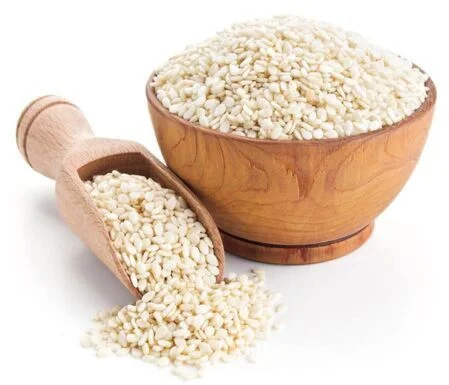
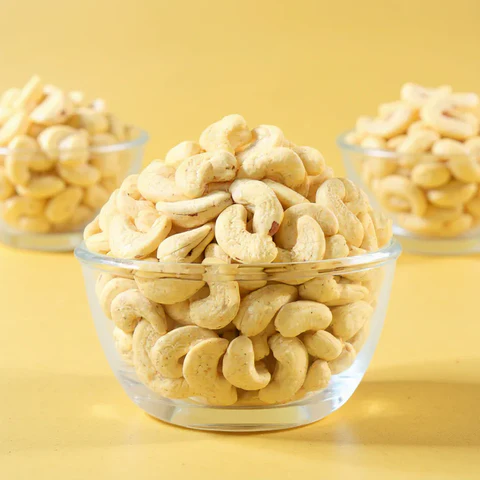
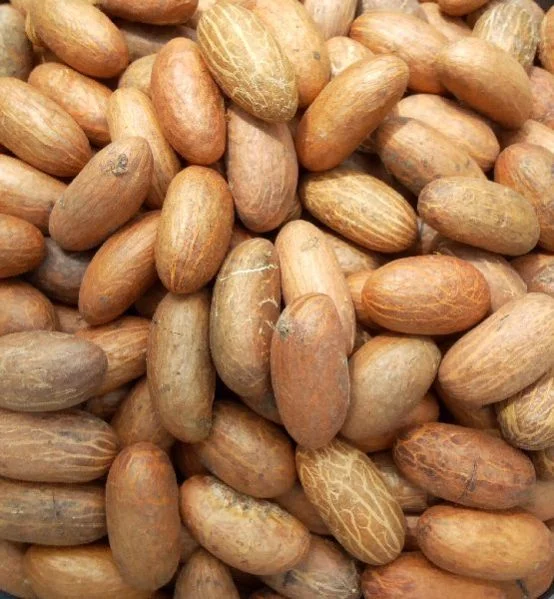
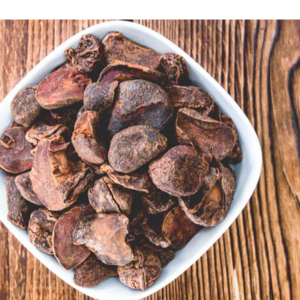
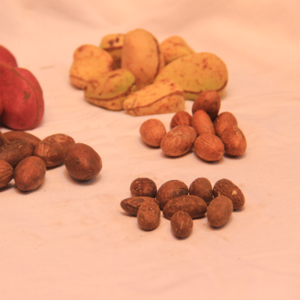
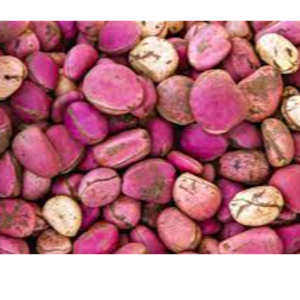
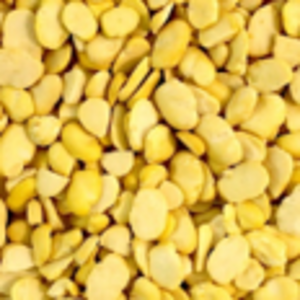
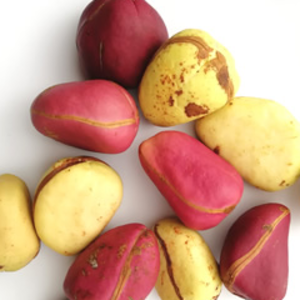
The products listed by Virginland Environmental Services Ltd (trading as Grandma Foods) are significant in their respective categories. For instance, Bitter Kola and Garcinia Kola are known for their unique properties and uses. Soybeans are a crucial legume with various applications in food and feed. CPO Palm Oil, with its specifications like CP 10 cloud point, is used in cooking and manufacturing. Sesame Seeds, often graded by their oil content and purity, are a popular ingredient in baking and cooking. Cashew Nuts, known for their quality parameters like moisture and purity, are a sought-after snack and ingredient.
Product Range and Specialties of Virginland Environmental Services Ltd (trading as Grandma Foods)
The product range of Virginland Environmental Services Ltd (trading as Grandma Foods) includes commodities that are typically graded and specified according to international standards. For example, Soybeans are often classified according to their protein content, moisture levels, and impurities. Palm Oil, particularly CPO, is specified by its cloud point, iodine value, and fatty acid composition. Sesame Seeds are graded based on their color, size, and oil content. Cashew Nuts are evaluated for their size, shape, color, and moisture content. Understanding these specifications is crucial for buyers to ensure they are sourcing the right quality and type of products for their needs.
Trade and Export Information - Virginland Environmental Services Ltd (trading as Grandma Foods)
Exporters of agricultural commodities like Virginland Environmental Services Ltd (trading as Grandma Foods) typically engage in international trade, with their goods flowing to regions like Europe, Asia, and the Americas. The HS code families for these products, such as 1201 for Soybeans, 1510 for Palm Oil, 1207 for Sesame Seeds, and 0801 for Cashew Nuts, are crucial for customs clearance and regulatory compliance. Buyers of these commodities usually require certifications like Phytosanitary certificates, certificates of origin, and quality inspection reports to ensure the goods meet the required standards and regulations of the importing country. Incoterms like CIF or FOB are commonly used in the trade of these commodities, determining the responsibilities of the buyer and the seller in terms of logistics and risk.
Sourcing from Virginland Environmental Services Ltd (trading as Grandma Foods) - Buyer Guidance
When sourcing from Virginland Environmental Services Ltd (trading as Grandma Foods), buyers should request specifications, samples, and test reports for the products they are interested in. It is essential to verify the product's quality parameters, such as moisture content, purity, and other relevant specifications, before placing an order. Buyers should also confirm the packaging, which often includes jute bags, containers, or flexi-bags, and the shipping terms, including the Incoterms and the expected lead time. Requesting and verifying certifications like ISO 9001 for quality management or HACCP for food safety can provide additional assurance of the supplier's capabilities and the product's quality.
Frequently Asked Questions About Virginland Environmental Services Ltd (trading as Grandma Foods)
What products does Virginland Environmental Services Ltd (trading as Grandma Foods) specialize in?
Virginland Environmental Services Ltd (trading as Grandma Foods) specializes in Bitter Kola, Soybeans, CPO Palm Oil, Sesame Seeds, and Cashew Nuts. These products are part of their top categories and are significant in their respective markets.
What certifications or documents should buyers request from the supplier?
Buyers should request certifications like Phytosanitary certificates, certificates of origin, and quality inspection reports, as well as any relevant product specifications or test reports, to ensure the goods meet the required standards and regulations.
What quality parameters or tests are typically evaluated for these products?
For these products, quality parameters like moisture content, purity, protein content for Soybeans, cloud point for Palm Oil, and size, shape, color, and moisture content for Cashew Nuts are typically evaluated.
What is the typical MOQ and lead time for orders from this supplier?
The typical Minimum Order Quantity (MOQ) and lead time can vary depending on the product and the supplier's current production and logistics capabilities. Buyers should confirm these details with Virginland Environmental Services Ltd (trading as Grandma Foods) before placing an order.
How are these products typically packaged and shipped?
These products are typically packaged in jute bags, containers, or flexi-bags, and shipped according to the agreed Incoterms, which could be CIF, FOB, or other terms as negotiated between the buyer and the supplier.
What are the common logistics and shipping norms for these commodities?
The common logistics and shipping norms include the use of 20 ft or 40 ft containers for bulk shipments, with goods often shipped via sea freight to destinations around the world. The specific logistics can depend on the buyer's location, the product's volume, and other factors.
What regulatory or inspection context is relevant for the export of these goods from Nigeria?
For the export of these goods from Nigeria, buyers and suppliers must comply with relevant regulations, including obtaining necessary permits and certificates, such as Phytosanitary certificates, and adhering to standards set by importing countries. The Nigerian regulatory context, including the roles of agencies like the Nigerian Agricultural Quarantine Service, is also important.




 , Nigeria