Violet Feathers Private Limited — Verified Supplier
About Violet Feathers Private Limited - Spices Supplier in India
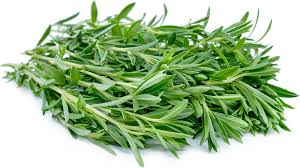
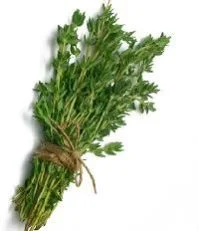
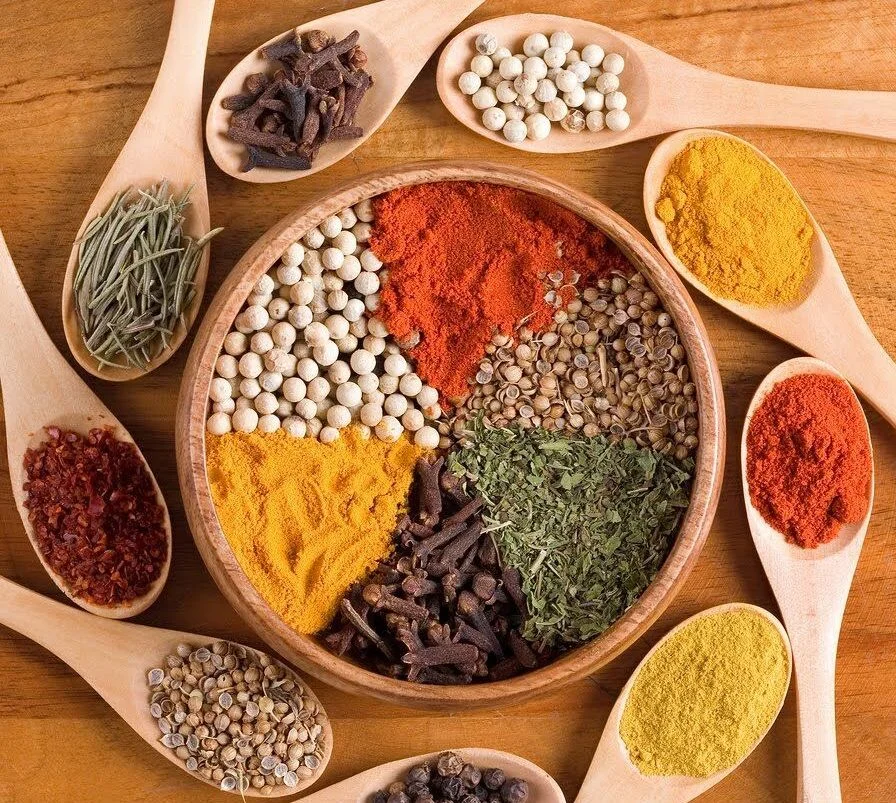
Violet Feathers Private Limited operates from India and lists 52 active products across herbs, spices and tissue paper categories. The catalogue includes a mix of whole and ground spices such as Cardamom, Pepper, Fennel, Ginger, Turmeric, Coriander, Cumin, Chilli, Fenugreek, Celery and specialty items like Aniseed and Dried Bay Leaves (Tejpatta).
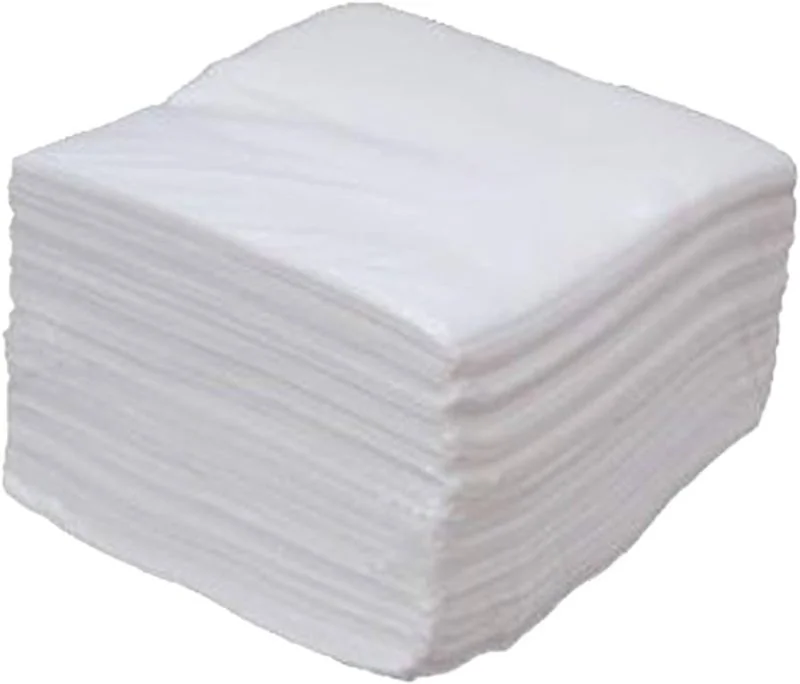
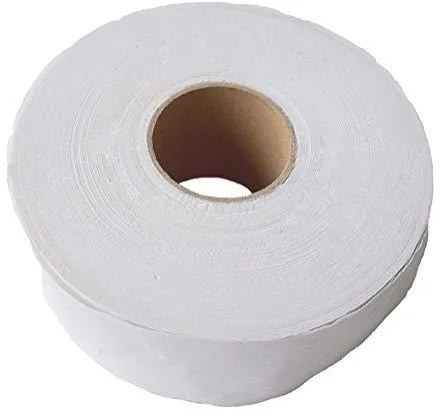
The supplier’s catalogue also contains non‑spice items such as Hygienic Tissue Paper and Facial Tissue Paper. Two products carry explicit HS codes: Aniseed is recorded under HS 0909.11 (Pimpinella anisum, Whole Aniseed) and Tejpatta under HS 0904.21 (Laurus nobilis, Dried Whole Bay Leaves). All listed items fall within the HS chapter 09 families for spices, condiments and aromatic plants.
Product Range and Specialties of Violet Feathers Private Limited
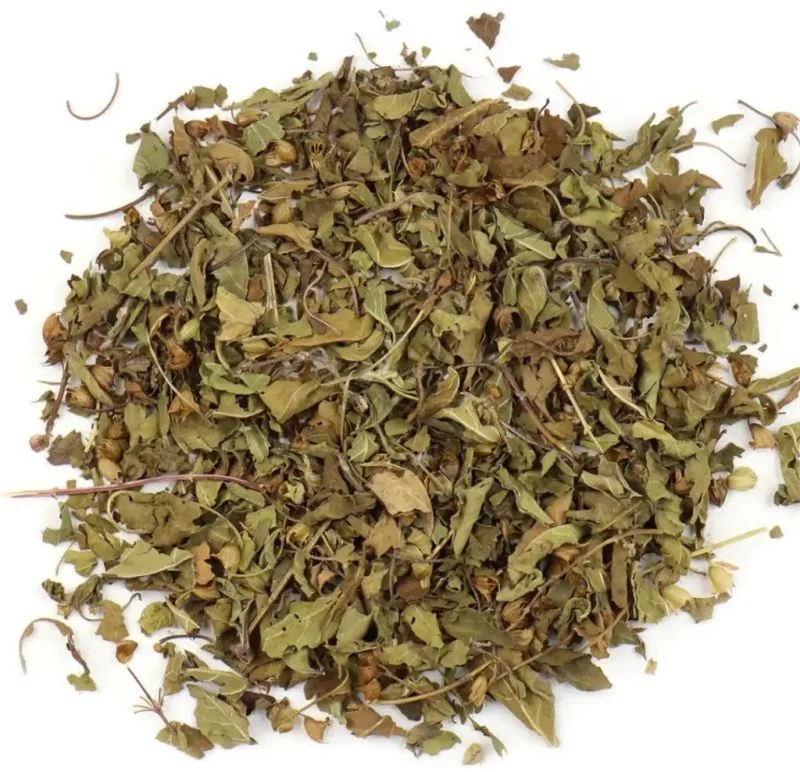
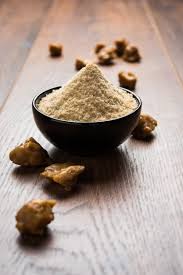
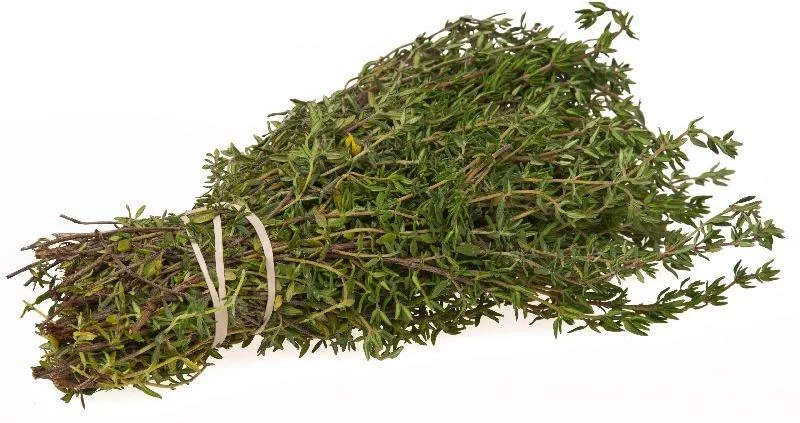
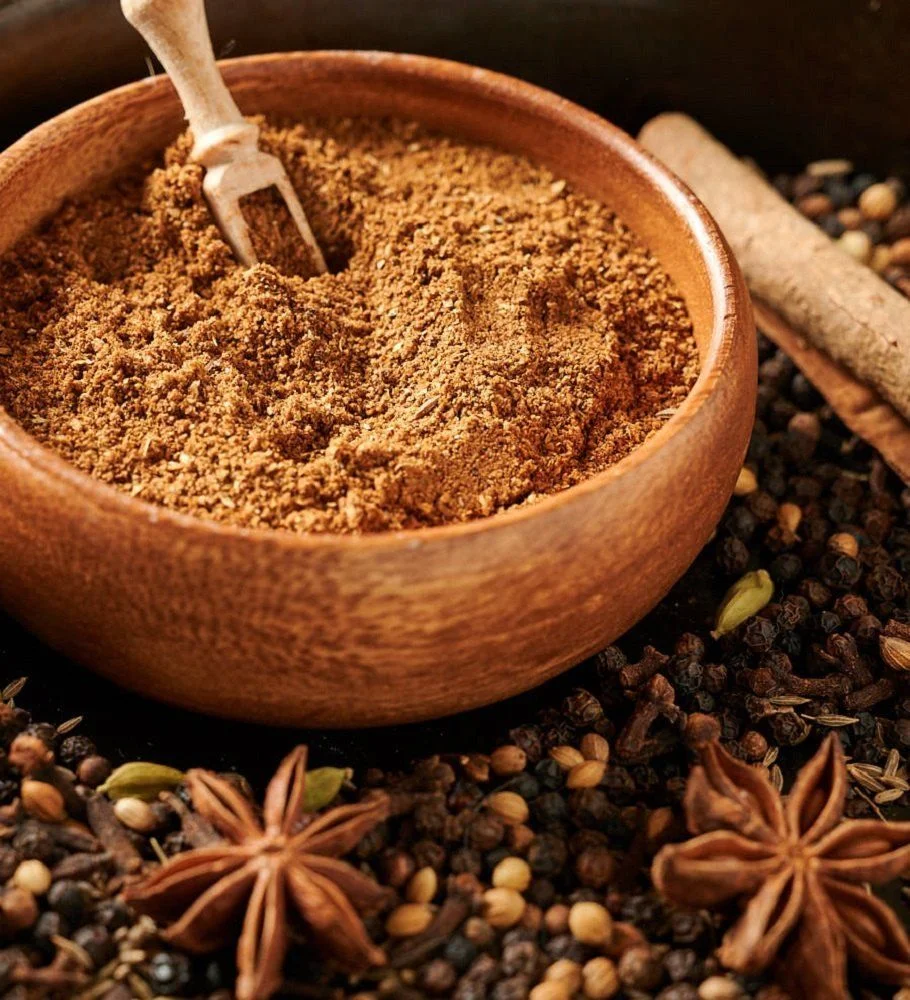
The product list comprises traditional Indian spices - Cardamom, Black Pepper, Long Pepper, Fennel, Ginger, Turmeric, Coriander, Cumin, Chilli, Fenugreek, Celery, Ajwain, Caraway, Dill, Cinnamon, Cassia, Mint, Kokam, Mustard, Parsley, Pomegranate, Saffron, Vanilla and Star Anise - together with Aniseed (0909.11) and Dried Bay Leaves (0904.21). Indian spice exporters typically grade these commodities by size, moisture and essential oil content; for example, Cardamom is offered in Malabar Grade (large pods, >12 % essential oil) and Mysore Grade (smaller pods, >10 % oil). Black Pepper is commonly supplied at 5‑6 % piperine content with moisture below 12 %. Turmeric is graded by curcumin level (3‑5 %) and must meet ≤12 % moisture. Saffron is classified by stigma length (≥3 mm) and ISO 3632 colour index. The tissue paper lines are manufactured in standard GSM ranges of 12‑16 for facial tissue and 16‑20 for hygienic rolls.
Trade and Export Information - Violet Feathers Private Limited
India is the world’s largest exporter of spices, with the European Union, United States and Middle‑East regions accounting for the bulk of demand. HS 0904 (spices, aromatic herbs) and HS 0909 (other spices) are the primary tariff headings; most shipments are containerised in 20‑ft or 40‑ft containers using multi‑layered jute or polypropylene bags of 25 kg or 50 kg capacity. Buyers frequently require certificates such as FSSAI export licence, phytosanitary certificate, and pesticide residue analysis complying with Codex MRL limits. ISO 9001 quality management and ISO 22000 food safety systems are common prerequisites, though they must be confirmed with the supplier. Indian exporters also adhere to the EU’s Regulation EU 2021/382 on maximum pesticide residues, and US FDA import requirements for spices.
Sourcing from Violet Feathers Private Limited - Buyer Guidance
When sourcing from Violet Feathers Private Limited, request a recent Certificate of Analysis (CoA) for each spice, a phytosanitary certificate, and a laboratory report for pesticide residues. Verify the HS code and material description match the purchase order - e.g., Aniseed should be referenced as HS 0909.11, Whole Aniseed. Typical minimum order quantities for bulk spices range from 500 kg to 1 ton, packed in 25 kg jute bags, while tissue paper is usually ordered in pallets of 1 000 units. Lead times for processed spices from India are generally 30‑45 days after order confirmation, with Incoterms CIF or FOB commonly used. Requesting a pre‑shipment sample (1‑2 kg) and reviewing the lab report before full shipment helps validate compliance with moisture (<12 %), ash (<5 %) and oil content specifications.
Frequently Asked Questions About Violet Feathers Private Limited
What HS codes apply to the spices listed by Violet Feathers Private Limited?
The catalogue explicitly uses HS 0909.11 for Whole Aniseed and HS 0904.21 for Dried Whole Bay Leaves; other spices fall under the broader HS 0904 (spices) or HS 0905 (condiments) chapters depending on the specific commodity.
Which quality documents should a buyer request before placing an order?
Buyers should ask for a current Certificate of Analysis, a phytosanitary certificate, and a pesticide residue report that meets Codex MRL standards for the specific spice.
What are the typical packaging formats for bulk spices from this supplier?
Spices are usually packed in jute or polypropylene bags of 25 kg or 50 kg, sealed in moisture‑proof liners and loaded into 20‑ft or 40‑ft containers.
Are there common certifications required for Indian spice exporters?
Commonly required certifications include FSSAI export licence, ISO 9001 or ISO 22000 quality systems, and any buyer‑specific certifications such as EU organic or USDA organic, which must be confirmed with the supplier.
What minimum order quantities (MOQ) are typical for the listed spices?
Bulk spice orders generally start at 500 kg per SKU, though smaller trial quantities of 50‑100 kg can be arranged for sample testing.
What lead time should a buyer expect for a full container load?
Lead times are typically 30‑45 days from order confirmation, including processing, quality testing, packaging and inland transport to the port.
How is the tissue paper product range classified and shipped?
The Hygienic and Facial Tissue Paper lines are classified under HS 4818, shipped in cartons or bulk rolls, usually on pallets that fit into a 20‑ft container.
Which regions import Indian spices most frequently?
The European Union, United States, Canada, Middle‑East Gulf states and Southeast Asian markets are the primary import regions for Indian spices.




 , India