Viglacera Hanoi Joint Stock Company — Verified Supplier
About Viglacera Hanoi Joint Stock Company - Floor Tiles Supplier in Viet Nam
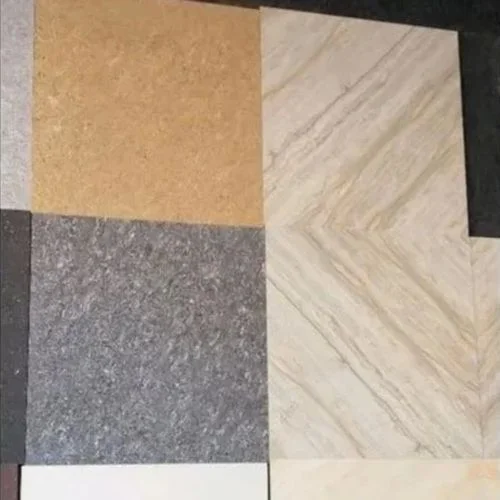
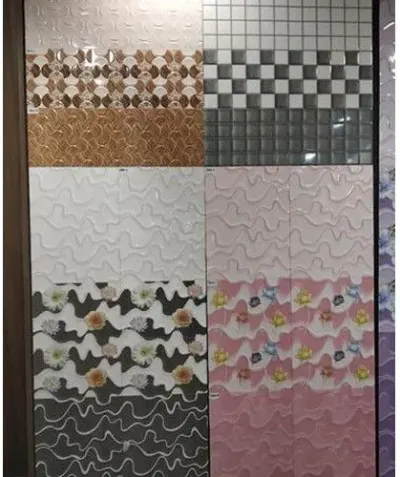
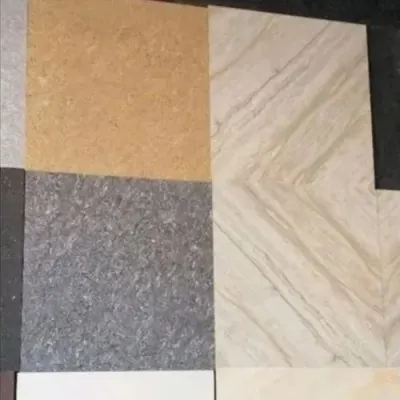
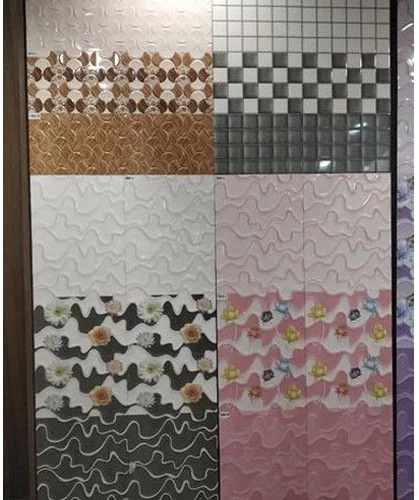
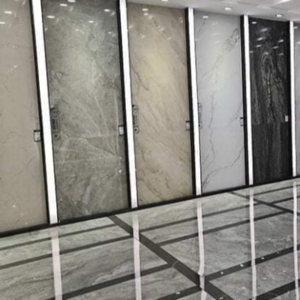
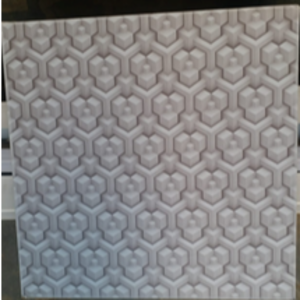
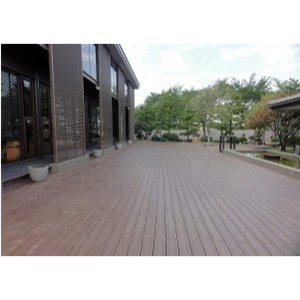
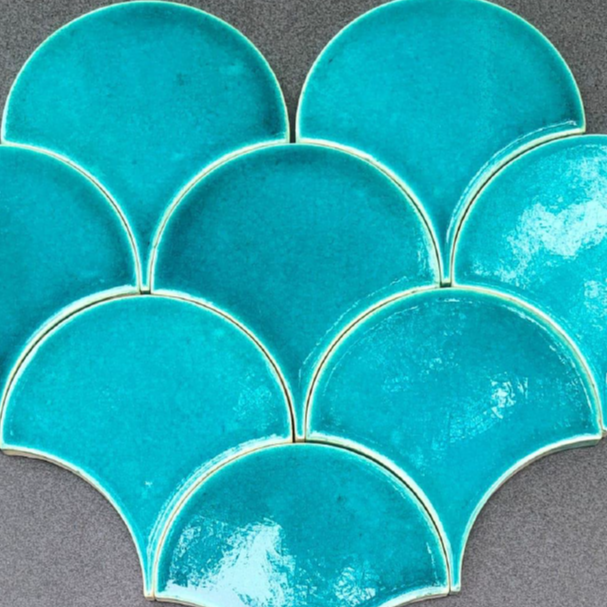
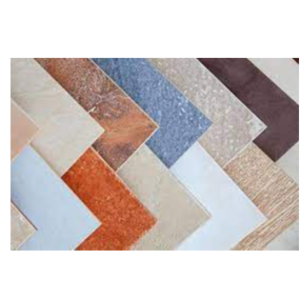
Viglacera Hanoi Joint Stock Company operates from Vietnam and currently offers nine distinct tile products in its online catalogue. The catalogue includes rustic tiles, grocery tiles, floor tiles model G402, marble tiles V408, rustic tiles R405, pattern tiles, pattern tiles H412, grocery tiles M404, and wooden tiles G406. These items fall under the broader categories of floor tiles, ceramic tiles, natural stone tiles, and wooden or bamboo flooring as indicated in the supplier’s top categories. Each product is identified by a specific model code but no HS code is disclosed in the supplied data. The supplier is classified as an imported tier with a harbor trust tier, indicating it sources its goods for export.
In the tile market, ceramic and porcelain floor tiles are commonly graded by water absorption rates below 0.5 % for porcelain and up to 3 % for standard ceramic, with typical dimensions ranging from 300 × 300 mm to 600 × 600 mm. Surface finishes include glazed, matte and textured treatments that affect slip resistance, measured by R‑values (R9‑R13 for commercial use). Load‑bearing capacity is expressed in MPa, with most floor tiles exceeding 15 MPa. Industry buyers also consider the PEI rating, where a rating of 3‑5 denotes suitability for residential and light commercial traffic. Packaging standards usually involve cardboard boxes of 20‑25 kg stacked on pallets to minimise breakage during transport.
Product Range and Specialties of Viglacera Hanoi Joint Stock Company
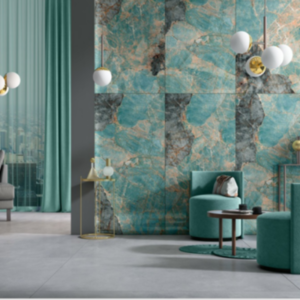
The nine listed items cover a variety of designs such as rustic, grocery, pattern and wooden styles, with model codes that differentiate each finish (e.g., R405, M404, H412, G406). Materials range from glazed ceramic bodies to natural marble slabs and engineered wood panels, reflecting the main material families used in floor covering applications.
Typical industry specifications for these categories include ISO 13006 compliance for ceramic tiles, water absorption limits of ≤0.5 % for porcelain and ≤3 % for ceramic, and a minimum breaking strength of 15 MPa. Natural stone tiles are often graded by hardness (Mohs scale) and surface polish level, while wooden flooring is evaluated by thickness (usually 8‑12 mm), surface wear class and moisture content (6‑9 %). Buyers also look for PEI ratings of 3‑5 for commercial durability and slip‑resistance values of R9‑R13 for safety in wet areas.
Trade and Export Information - Viglacera Hanoi Joint Stock Company
Vietnam ranks among the top global exporters of ceramic, porcelain and natural stone tiles, with the European Union, the United States and the Middle East representing the largest destination markets. Export shipments are typically loaded in 20‑foot or 40‑foot containers, with each container holding between 12 000 and 14 000 ceramic tiles depending on size and packaging. Tiles are classified under HS Chapter 68; glazed ceramic floor tiles usually fall under heading 6802, while natural stone tiles are recorded under heading 6804. Importing countries often require certificates such as ISO 13006, CE marking for EU compliance, and a quality‑management system certificate like ISO 9001. Standard export documentation includes a commercial invoice, packing list, certificate of origin and, where required, a phytosanitary certificate for wooden products. Common Incoterms are FOB Hanoi Port or CIF destination port, with sea freight being the predominant mode due to the bulk nature of the cargo.
Sourcing from Viglacera Hanoi Joint Stock Company - Buyer Guidance
When sourcing tiles from this supplier, request detailed product data sheets that list exact dimensions, water absorption, breaking strength, PEI rating and slip‑resistance values. Laboratory test reports confirming ISO 13006 compliance, chemical resistance and load‑bearing capacity should be examined before order confirmation. Buyers should also ask for samples that represent the final finish and size, and verify that the packaging meets industry standards (cardboard boxes of 20‑25 kg on pallets, stretch‑wrapped). Confirmation of any available certifications - such as ISO 9001 quality‑management, CE marking or a certificate of origin - helps reduce risk and aligns with typical import requirements.
Frequently Asked Questions About Viglacera Hanoi Joint Stock Company
What tile designs are included in Viglacera Hanoi’s catalogue?
The catalogue lists rustic tiles, grocery tiles, pattern tiles and wooden tiles, each identified by model codes such as R405, M404, H412 and G406.
Which material families are represented in the product list?
The products comprise glazed ceramic tiles, natural marble tiles and engineered wood or bamboo tiles, covering the main material families used in floor covering markets.
Are HS codes provided for these tiles?
The public data does not contain HS codes; however, tiles of this type are generally classified under HS Chapter 68, with ceramic floor tiles under heading 6802 and natural stone tiles under heading 6804.
What certifications should a buyer request?
Buyers typically request ISO 13006 compliance certificates, CE marking for European shipments, and any ISO 9001 quality‑management certification the supplier may hold.
What is the typical minimum order quantity for tile shipments?
Suppliers often set a minimum order of one full 20‑foot container, which holds roughly 12 000 - 14 000 tiles, though smaller pallet loads can sometimes be negotiated.
What lead time can a buyer expect?
From order confirmation, production and preparation for export usually require 4‑6 weeks, followed by additional time for customs clearance and inland transport to the destination port.
How are the tiles packaged for export?
Tiles are packed in cardboard boxes weighing 20‑25 kg, stacked on wooden pallets, and wrapped with stretch film to protect against breakage during sea freight.




 , Viet Nam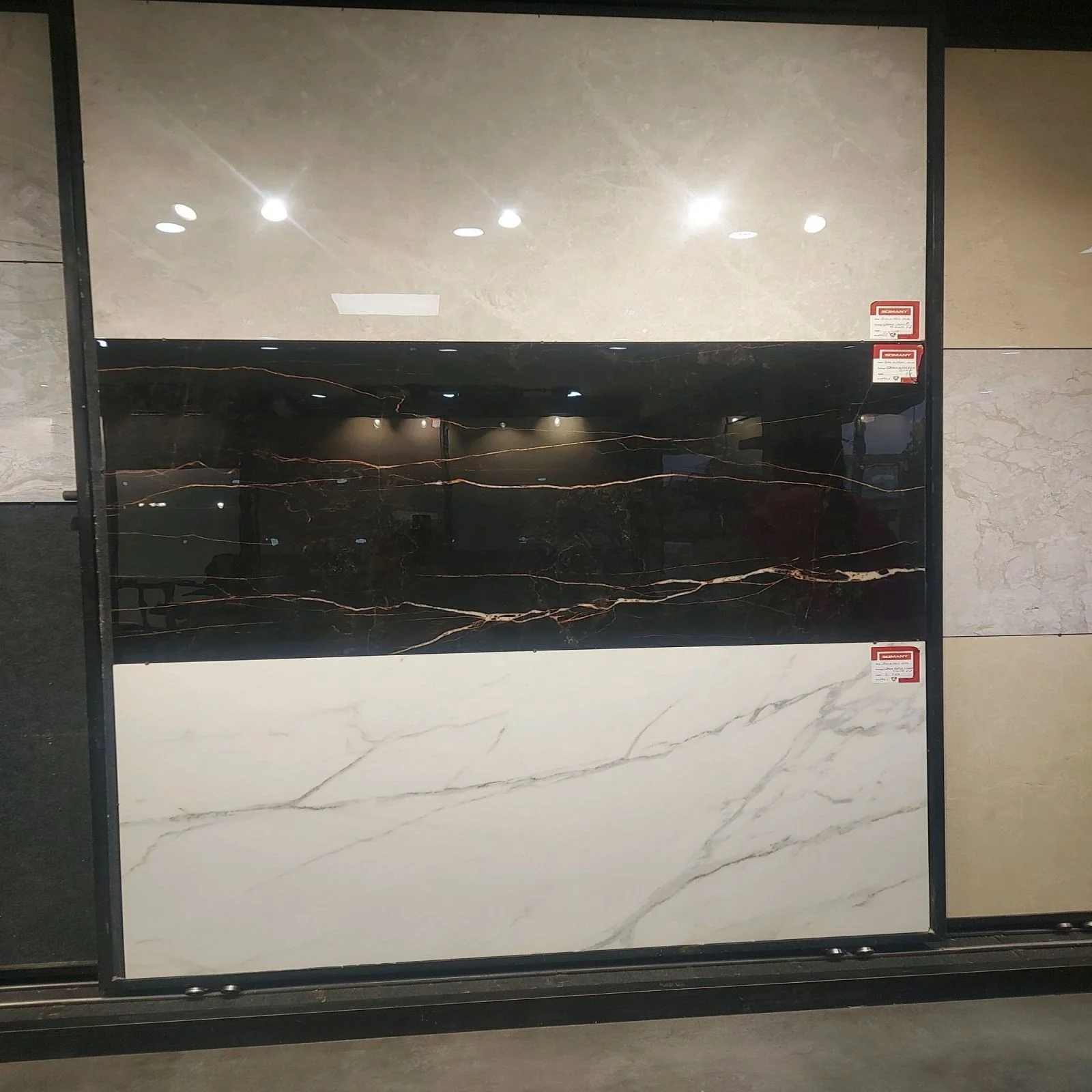





.jpg.png)