Victor alliances LLC — Verified Service Provider & Wholesale Supplier
About Victor alliances LLC - Agricultural Commodities Supplier in United States
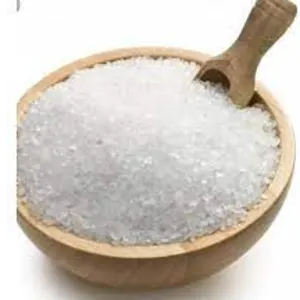
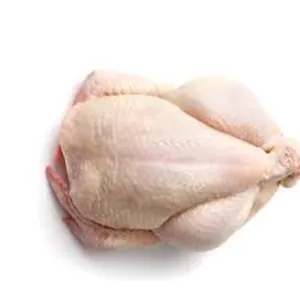
Victor alliances LLC is registered in New Jersey, United States and lists seven active product lines in its catalogue. The catalogue includes petroleum products (HS 2710.19), poultry meat (HS 0207.14), refined sugar (HS 1701.99), long‑grain rice (HS 1006.30), soybean seeds (HS 1201.90), yellow maize corn (HS 1005.90) and a blended vegetable oil (HS 1507.90). Each entry specifies the material composition, such as mineral‑oil blends with performance additives for the petroleum line or 99.9 % pure sucrose for the sugar line. The supplier describes itself as a consultancy that links verified sellers and buyers across these commodity groups, without claiming any specific production capacity or certifications.
The product list reflects a mix of food‑grade agricultural commodities and industrial petroleum derivatives. While the sugar entry cites ICUMSA 45 (S35) quality, the rice entry references the IR 64 and Basmati varieties, and the oil blend mentions soybean, palm, corn and olive sources. The poultry entry is limited to fresh or frozen broiler meat, and the soybean and corn entries note both GMO and non‑GMO options. This factual snapshot defines the scope of goods that Victor alliances LLC can source for international trade.
Product Range and Specialties of Victor alliances LLC
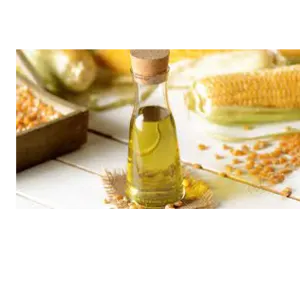
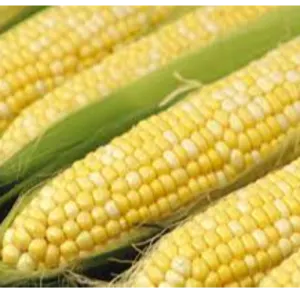
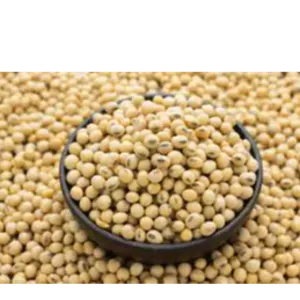
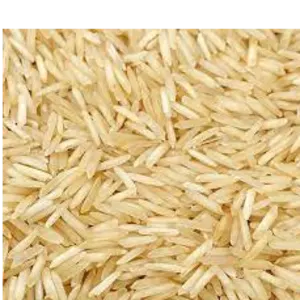
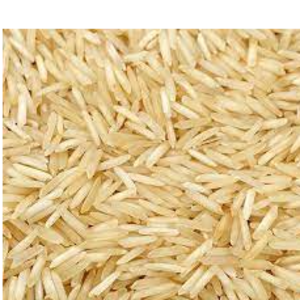
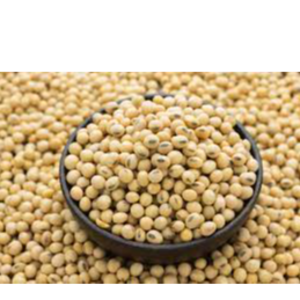
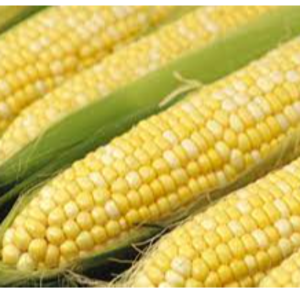
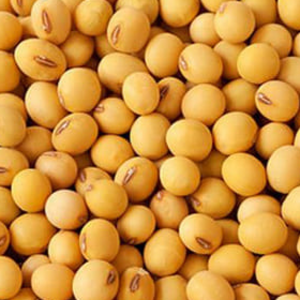
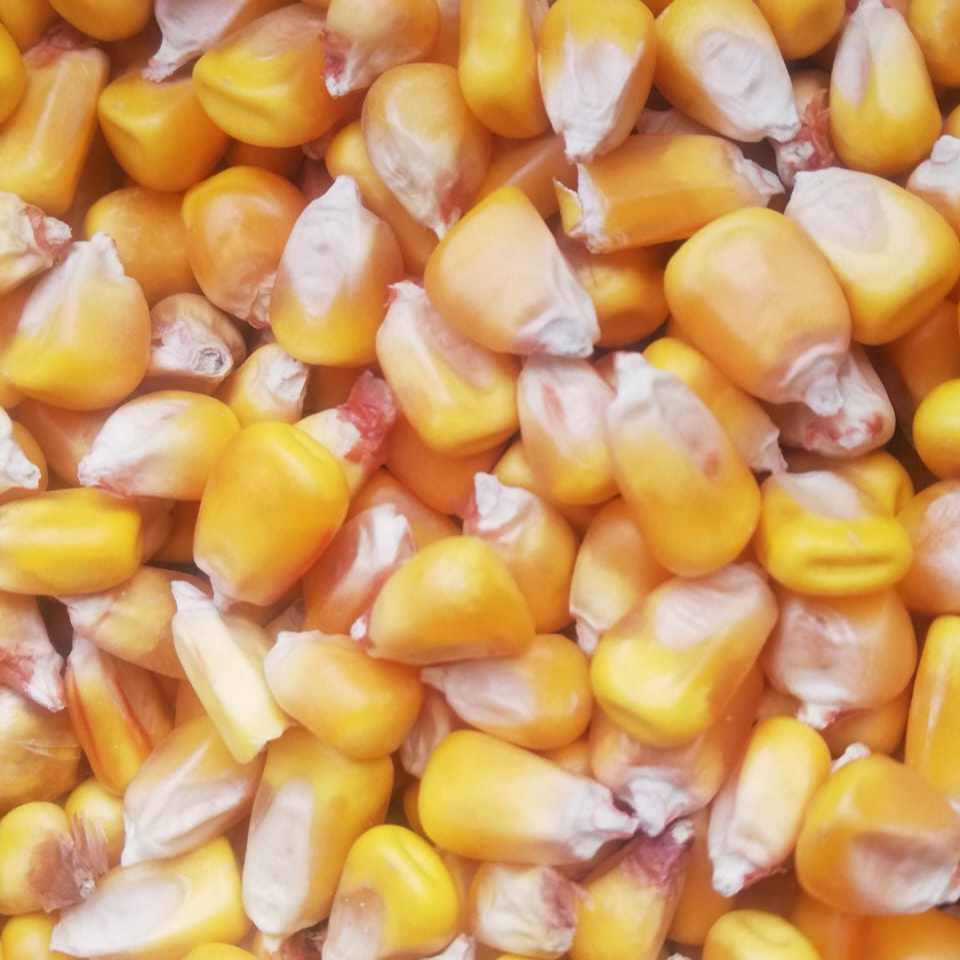
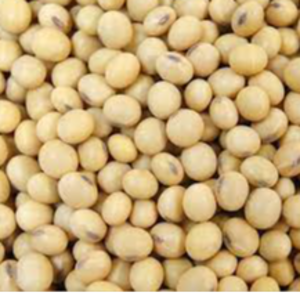
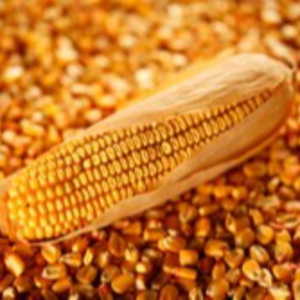
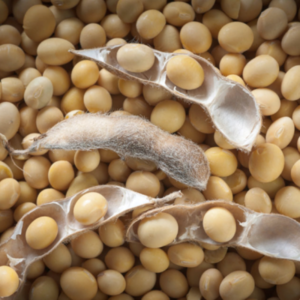
Victor alliances LLC’s catalogue spans seven commodity groups. In the food sector it offers refined sucrose (ICUMSA 45, commonly required to meet ≤0.05 % ash and moisture limits), long‑grain rice varieties such as IR 64 and Basmati (typically graded by head‑size, moisture ≤14 % and broken grain percentage), soybean seeds (GMO and non‑GMO, usually certified under USDA‑Organic or non‑GMO verification), yellow maize corn (standard 15 % moisture, test‑weight ≈56 lb/bushel) and an edible oil blend that can be formulated to meet the U.S. Food and Drug Administration (FDA) food‑grade specifications for free fatty acid content (<0.1 %) and peroxide value (<10 meq O₂/kg). The non‑food line includes petroleum products classified under HS 2710.19, which are generally supplied in bulk drums or ISO tanks, and fresh/frozen broiler chicken (HS 0207.14) that must meet USDA FSIS pathogen testing and chilling limits.
Trade and Export Information - Victor alliances LLC
The United States is a major exporter of the listed commodities. Refined sugar (HS 1701) is routinely shipped to Latin America, the Middle East and Africa, where buyers often request phytosanitary certificates and compliance with the Codex Alimentarius standards for sucrose purity. Rice (HS 1006) from the U.S. primarily serves markets in the Caribbean and West Africa, with buyers expecting moisture ≤14 % and a standard 25 kg bag or 20‑ft container load. Soybeans (HS 1201) and corn (HS 1005) are staple feed and food ingredients for East Asian and European processors; typical documentation includes a Certificate of Origin, GMO status declaration and, where required, a Non‑GMO Project verification. Petroleum products under HS 2710 are exported to industrial users in Latin America and the Caribbean, often in 20‑ft or 40‑ft containers with UN‑rated drums, and require a Material Safety Data Sheet (MSDS) and compliance with the International Maritime Dangerous Goods (IMDG) code. Poultry meat (HS 0207) is subject to stringent sanitary inspections, and most importers request a veterinary health certificate and a declaration of compliance with the importing country’s microbial limits.
Sourcing from Victor alliances LLC - Buyer Guidance
When sourcing from Victor alliances LLC, buyers should request product specifications that match industry standards: ICUMSA 45 for sugar, moisture ≤14 % for rice, GMO status documentation for soybeans and corn, and free fatty acid ≤0.1 % for edible oil blends. Verification documents typically include a Certificate of Analysis (CoA) from an accredited lab, a phytosanitary certificate for plant products, a veterinary health certificate for poultry, and an MSDS for petroleum items. Buyers are advised to confirm the supplier’s ability to provide ISO 9001 or HACCP‑type quality management records, even though such certifications are not listed in the supplier’s facts, as they are common requirements for food‑grade imports. Sample requests should specify packaging format (e.g., 25 kg bags for rice, 1‑ton bulk bags for soybeans, 20‑ft containers for petroleum) and any required pre‑shipment inspections.
Frequently Asked Questions About Victor alliances LLC
What commodity categories does Victor alliances LLC list in its catalogue?
The catalogue includes petroleum products, fresh/frozen broiler chicken, refined sugar (ICUMSA 45), long‑grain rice (IR 64 and Basmati), soybean seeds (GMO and non‑GMO), yellow maize corn (GMO and non‑GMO) and a blended vegetable oil containing soybean, palm, corn and olive oils.
Which HS codes are associated with the listed products?
Petroleum products - HS 2710.19; Poultry (chicken) - HS 0207.14; Sugar - HS 1701.99; Rice - HS 1006.30; Soybeans - HS 1201.90; Corn - HS 1005.90; Edible oil blend - HS 1507.90.
Does Victor alliances LLC hold any certifications for its food products?
The supplied facts do not mention any specific certifications held by the supplier. Buyers should request standard food‑safety certificates such as HACCP, ISO 22000 or USDA‑Organic where applicable.
What quality specifications are typical for the sugar product?
The sugar is described as refined sucrose with ICUMSA 45 (S35) grade, which generally means ≤0.05 % ash, moisture ≤0.04 % and a color value of 45 on the ICUMSA scale.
How are the rice varieties graded for export?
IR 64 and Basmati rice are usually graded by head‑size, broken grain ratio (often ≤5 % broken), moisture content not exceeding 14 % and a standard milling recovery of 70‑75 %.
What documentation is required for importing the poultry product?
Importers normally require a USDA‑FSIS health certificate, a veterinary inspection report, and a statement of compliance with the destination country’s microbial limits for Salmonella and Campylobacter.
What packaging formats are typical for the soybean and corn grains?
Soybean and corn grains are commonly shipped in 25 kg polypropylene bags, bulk bags (1 ton), or in bulk via 20‑ft or 40‑ft containers, depending on the buyer’s logistics preferences.
Which markets commonly import the petroleum products listed under HS 2710.19?
Major importers of petroleum products from the United States include countries in the Caribbean, Central America and parts of South America, where buyers look for compliance with the IMDG code, an MSDS and a Certificate of Origin.





 , United States