VEI Mica Products — Verified Supplier
About VEI Mica Products - Mica Supplier in India
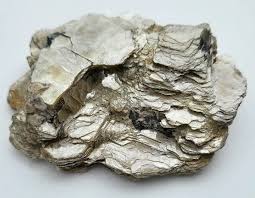
India is the origin of VEI Mica Products, which currently lists five active mica products in its catalogue. The catalogue includes Mica Scrap (HS 2525.30), Block Mica (HS 2525.10), Mica Powder (HS 2525.20), Mica Flakes (HS 2525.30) and Mica Splittings (HS 2525.10). All items are described as natural muscovite or phlogopite mica, indicating a mineral sourced from Indian deposits. The product list covers both bulk forms such as blocks and splittings, and processed forms like powder, flakes and scrap. The HS code families align with the global tariff classification for raw and processed mica.
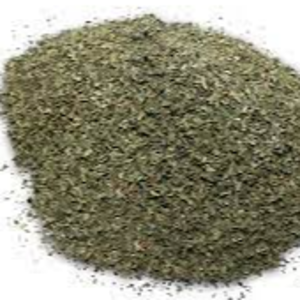
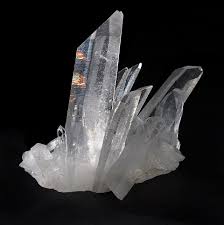
The listed products are all natural mica varieties, primarily muscovite and phlogopite, which are valued for their electrical insulation and reflectivity. Block Mica and Splittings are supplied as solid sheets ranging from 5 mm to 30 mm in thickness, while the powder is produced with particle sizes typically below 200 µm. Flakes are sized between 75 µm and 150 µm, and scrap represents lower‑grade material used as filler. Purity levels for these Indian minerals commonly exceed 98 % with moisture content below 0.5 %. Together the five items represent the full spectrum from raw mineral to finished processed forms.
Product Range and Specialties of VEI Mica Products
The catalogue presents five concrete items: Block Mica and Mica Splittings (both HS 2525.10) as solid sheets, Mica Powder (HS 2525.20) as fine mineral, and Mica Flakes plus Mica Scrap (both HS 2525.30) as processed fragments. In the broader mica market, block grades are often classified as A‑grade (light colour, >99 % purity) or B‑grade (darker, 95‑99 % purity). Powder grades are differentiated by particle size distribution, with typical specifications of 0‑50 µm for high‑performance electronics and 0‑200 µm for paint fillers. Flake sizes are quoted by mesh count, commonly 100‑200 mesh, and scrap is sold by bulk weight for use in cement or rubber compounds. These industry standards help buyers match the product to applications such as cosmetics, automotive paints, plastics and electrical components.
Trade and Export Information - VEI Mica Products
India ranks among the top global exporters of natural mica, shipping the majority of its output to Europe (Germany, Italy), North America (USA, Canada) and East Asia (China, Japan). The HS 2525.10 family covers raw block and splitting forms, HS 2525.20 covers powdered mica, and HS 2525.30 includes flakes and scrap, all of which are subject to standard customs duty rates for mineral products. Typical importers require compliance with ISO 9001 quality management, REACH registration for EU markets and RoHS conformity for electronic applications. Indian exporters usually arrange shipment in 20‑ft or 40‑ft containers, using 1‑ton bulk bags for blocks or wooden crates for delicate flakes, and the most common Incoterms are FOB or CIF.
Export logistics from India often involve a commercial invoice, packing list, certificate of origin and a material safety data sheet (MSDS). Buyers should confirm that the packaging protects against moisture, as mica powder can absorb water and alter its electrical properties. Regulatory inspections may include sampling for heavy‑metal content and verification of particle‑size analysis, especially for cosmetics and food‑grade applications.
Sourcing from VEI Mica Products - Buyer Guidance
When sourcing from VEI Mica Products, request a recent MSDS, a laboratory analysis report showing purity, moisture and particle‑size distribution, and any REACH or RoHS certificates relevant to your market. Verify that block dimensions, thickness and surface finish meet the specifications required for your end‑use, and confirm that powder grade matches the particle‑size tolerance you need for pigments or insulators.
Typical minimum order quantities start around 20 metric tons for bulk container loads, with lead times of 30‑45 days after order confirmation and sample approval. Packaging can be customized to bulk bags, drums or palletised crates, and you should confirm container loading plans to avoid damage to fragile flakes or powder during transit. Ensuring that all required certificates and test reports are provided before shipment reduces the risk of customs delays.
Frequently Asked Questions About VEI Mica Products
What mica products are listed by VEI Mica Products?
The supplier lists five items - Mica Scrap (HS 2525.30), Block Mica (HS 2525.10), Mica Powder (HS 2525.20), Mica Flakes (HS 2525.30) and Mica Splittings (HS 2525.10) - all described as natural muscovite or phlogopite mineral.
Which HS codes apply to the mica items?
Block Mica and Mica Splittings fall under HS 2525.10, Mica Powder under HS 2525.20, and both Mica Scrap and Mica Flakes are classified with HS 2525.30 according to the international tariff schedule.
What quality parameters should I verify for mica powder?
Buyers typically check particle‑size distribution (commonly 0‑200 µm), purity levels above 98 %, moisture content below 0.5 %, and absence of heavy metals as shown in a laboratory test report.
Which certifications are commonly required for Indian mica exports?
International buyers often request ISO 9001 quality management, REACH registration for the EU market, and RoHS compliance for electronic applications; these can be supplied as certificates from the exporter.
What are the usual packaging options for bulk mica shipments?
Bulk block or splitting mica is normally packed in wooden crates or 1‑ton bulk bags, while powder and flakes are shipped in sealed drums or multi‑layered bags to protect against moisture and contamination.
What lead time and minimum order quantity can I expect?
Standard lead times range from 30 to 45 days after order confirmation, and minimum order quantities are typically around 20 metric tons for bulk containers, though smaller samples can be arranged on request.
Which regions import Indian mica the most?
The largest import destinations are the European Union (especially Germany and Italy), North America (USA, Canada) and East Asian markets such as China and Japan, where mica is used in paints, plastics, cosmetics and electronic components.




 , India