Vashis Exports — Verified Supplier

About Vashis Exports - Spices Powder Supplier in India

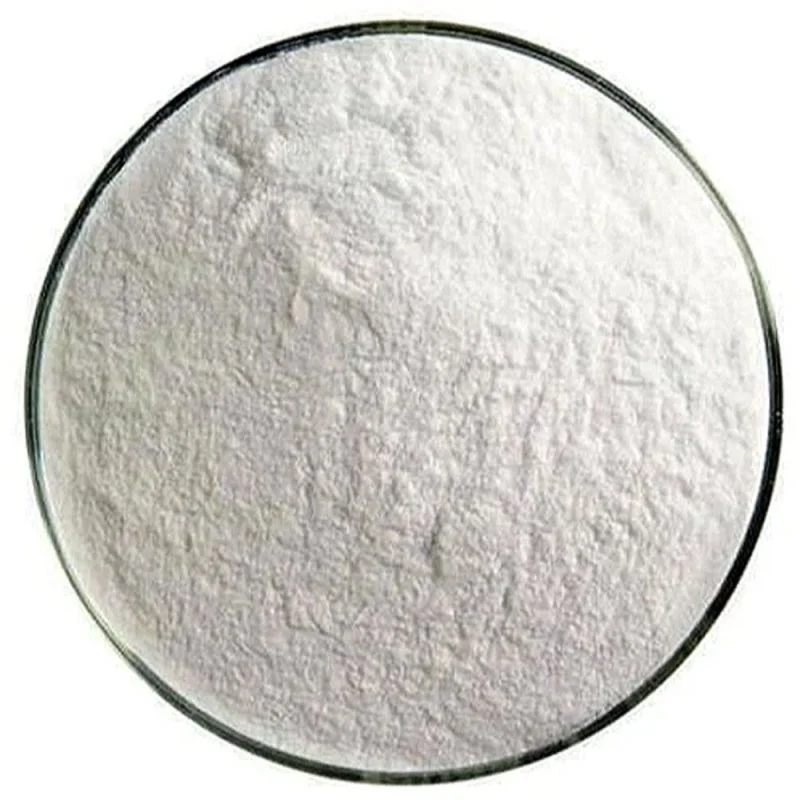
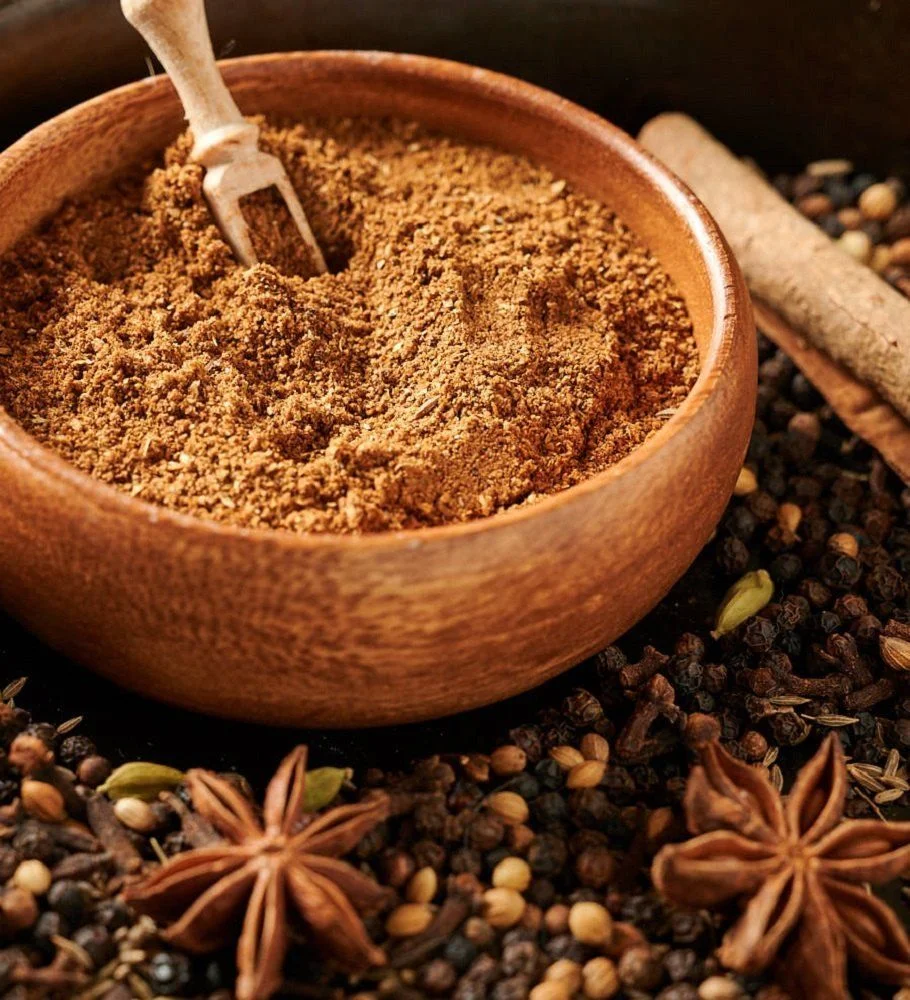
India‑based Vashis Exports lists eight active products across distinct categories. The catalogue includes Sambar Powder, a blended spice mix; Lungi, a traditional cotton garment; Cumin Seeds; Coco Peat Products derived from coir; Millet Biscuits identified with HS code 1905.31 and made from finger, foxtail or pearl millet flour; Fresh Coconut; Pepper; and Rajbuth Herbal Powder. Each item is grouped under the supplier’s top categories such as Spices Powder, Lungi, Cumin Seeds, Coco Peat & Coir Pith, Biscuits, Fresh Coconut, Pepper and Herbal Products. The HS code provided (1905.31) places the biscuits in the baked goods chapter, while the other products fall under standard spice (0905), vegetable (1106), textile (6104) and horticultural material codes.

The product list reflects typical Indian export commodities. Sambar Powder combines roasted lentils, spices and aromatics, while Cumin Seeds are sold as whole seed grade with standard size 5‑7 mm. Pepper is offered as whole black peppercorns, and the herbal powder follows traditional Ayurvedic formulations. Coco Peat Products are processed coir fibers used for horticultural substrates, and the Millet Biscuits are baked snack items with a standard net weight of 500 g per pack. Fresh Coconut is supplied as whole fruit, and the Lungi is a woven cotton garment commonly sold in lengths of 2 m.

Product Range and Specialties of Vashis Exports

Vashis Exports’ catalogue covers blended spice powders, whole seed spices, horticultural coir products, millet‑based baked goods, fresh coconut fruit, black peppercorns and a cotton Lungi. In the spice segment, buyers typically encounter grades such as “Aroma” or “Export” with moisture content below 12 % and essential oil retention above 0.5 %. Cumin seeds are often classified by size (5‑7 mm) and colour (light brown), while black pepper is graded by size (large, medium) and oil content (≥ 5 %). Coco peat is usually supplied with a bulk density of 0.15‑0.20 g cm⁻³ and a pH of 5.5‑6.5, suitable for seedling propagation. Millet biscuits under HS 1905.31 are baked to a hardness of 30‑40 % and packaged in moisture‑protected cartons. The Lungi typically uses cotton or blended fabric with a GSM of 130‑150, folded and packed in poly‑bags.

Trade and Export Information - Vashis Exports

Indian exporters of spice powders, cumin and pepper primarily ship to the United States, European Union, Middle East and Southeast Asian markets, using HS chapter 0905 and complying with food safety standards such as FSSAI and ISO 22000. Fresh coconut and coconut fruit are regulated by phytosanitary requirements and are commonly exported to Gulf Cooperation Council (GCC) states under HS 0804. Coco peat and other coir products serve horticultural buyers in Europe, North America and Australia, classified under HS 9603 and often accompanied by a plant‑health certificate. Millet biscuits (HS 1905.31) are marketed to health‑focused snack distributors in Europe and Asia, where consumer labels require nutrition facts and allergen declarations. Textile items like Lungi fall under HS 6104 and are exported to diaspora‑driven markets in the Middle East and North America, with typical Incoterms of FOB Kolkata or CIF Dubai. Buyers usually request ISO 9001 quality‑management certification, third‑party lab reports for pesticide residues, and compliance with the EU’s food‑contact material regulations where applicable.

Sourcing from Vashis Exports - Buyer Guidance

When sourcing spices such as Sambar Powder, Cumin Seeds or Pepper from Vashis Exports, request a Certificate of Analysis that includes moisture level, microbial count and pesticide residue limits matching EU or US thresholds. For Coco Peat Products, ask for bulk density, pH range and a phytosanitary certificate confirming the material is free of soil‑borne pathogens. Millet Biscuits should be supplied with a nutrition label, ingredient list and a lab report confirming aflatoxin levels below 5 µg kg⁻¹. Fresh Coconut shipments require a phytosanitary certificate and a moisture content test (typically 45‑55 %). For the Lungi, obtain fabric composition details, GSM measurement and a test report for colourfastness. Verify that the HS codes on commercial invoices match the product categories to avoid customs delays, and confirm container loading plans - for example, a 20‑ft container can hold approximately 18 MT of bulk spices or 1 200 kg of biscuits.

Frequently Asked Questions About Vashis Exports

What documentation should I request for the spice products like Sambar Powder and Pepper?

Ask for a Certificate of Analysis that lists moisture content, microbial limits and pesticide residues, plus the supplier’s FSSAI registration and any ISO 22000 certification.

Are there specific certifications required for exporting Coco Peat Products?

Buyers typically require a phytosanitary certificate, a bulk density and pH test report, and evidence of ISO 9001 quality‑management compliance.

What are the standard specifications for Cumin Seeds from India?

Cumin Seeds are usually graded by size (5‑7 mm), colour (light brown), moisture < 12 % and oil content ≈ 1‑1.5 %. A COA confirming these parameters is standard.

How is the Millet Biscuit classified for customs?

The biscuit is listed under HS code 1905.31, indicating baked goods made from millet flour. Customs documents should include the net weight per pack (commonly 500 g) and ingredient declaration.

What packaging is typical for Fresh Coconut shipments?

Fresh coconut is normally packed in ventilated jute sacks or sturdy wooden crates, with a phytosanitary certificate attached to each container.

What lead time and minimum order quantity should I expect for the Lungi garments?

Exporters often require a MOQ of 500 pieces per colour and a production lead time of 30‑45 days from order confirmation, with fabric composition and GSM confirmed in the pre‑shipment sample.

Which Incoterms are most commonly used for these Indian export products?

Suppliers frequently offer FOB from major Indian ports such as Kolkata or Mumbai, and CIF to regional hubs like Dubai for textile and horticultural items.

How can I verify the HS code accuracy for each product?

Cross‑check the supplier’s commercial invoice against the official HS schedule: spices under 0905, coconut under 0804, coco peat under 9603, biscuits under 1905.31 and garments under 6104. Discrepancies should be clarified before shipment.


Featured Products from this Supplier

Other Suppliers in Primary Category

Top Trusted Suppliers

Related Products

Trending in Parent Category

More Suppliers in Category

Related Products

Other Suppliers

EximNext
58.5K+ live requirements
Register Free🎁 Reach verified global buyers
Post Requirement
🌍 Trusted by 224.6K+ businesses in 200+ countries|
58.5K+ active requirements right now
✉️ [email protected]
|
Sell on EximNextPost Requirement
EximNext
AgricultureApparelConstructionElectronicFoodHomeIndustrialMineralsMiscellaneous
🔥 Deals|✨ AI Match|🏭 Suppliers|📋 Buy Leads|💰 Trade Finance
58.5K+ live RFQs·194.6K+ suppliers
🎁 Reach global buyers →
EximNext
EximNext
Register Free
🎁 Reach verified global buyers
Sign In
📋Post Requirement💬Get QuotesAI Match📋RFQ Marketplace
All Categories
Services & Tools
🏭Supplier Directory🔥Today's Deals💰Trade Finance
Sell on EximNext
AboutContactBlogHelp
🏭

Vashis Exports

Harbor
Country flag , India
🛡️
54/100
Trust Score

Vashis Exports Product Catalog

Showing 8 of 8 products
View all products →
Rajbuth Herbal Powder
Harbor
Rajbuth Herbal Powder
Contact
MOQ: 1 Unit
Pepper
Harbor
Pepper
Contact
MOQ: 1 Unit
Coconut
Harbor
Coconut
Contact
MOQ: 1 Unit
Coco Peat Products
Harbor
Coco Peat Products
Contact
MOQ: 1 Unit
Millet Biscuits
Harbor
Millet Biscuits
Contact
MOQ: 1 Unit
Cumin Seeds
Harbor
Cumin Seeds
Contact
MOQ: 1 Unit
Sambar Powder
Harbor
Sambar Powder
Contact
MOQ: 1 Unit
Lungi
Harbor
Lungi
Contact
MOQ: 1 Unit

About Vashis Exports - Spices Powder Supplier in India

India‑based Vashis Exports lists eight active products across distinct categories. The catalogue includes Sambar Powder, a blended spice mix; Lungi, a traditional cotton garment; Cumin Seeds; Coco Peat Products derived from coir; Millet Biscuits identified with HS code 1905.31 and made from finger, foxtail or pearl millet flour; Fresh Coconut; Pepper; and Rajbuth Herbal Powder. Each item is grouped under the supplier’s top categories such as Spices Powder, Lungi, Cumin Seeds, Coco Peat & Coir Pith, Biscuits, Fresh Coconut, Pepper and Herbal Products. The HS code provided (1905.31) places the biscuits in the baked goods chapter, while the other products fall under standard spice (0905), vegetable (1106), textile (6104) and horticultural material codes.

The product list reflects typical Indian export commodities. Sambar Powder combines roasted lentils, spices and aromatics, while Cumin Seeds are sold as whole seed grade with standard size 5‑7 mm. Pepper is offered as whole black peppercorns, and the herbal powder follows traditional Ayurvedic formulations. Coco Peat Products are processed coir fibers used for horticultural substrates, and the Millet Biscuits are baked snack items with a standard net weight of 500 g per pack. Fresh Coconut is supplied as whole fruit, and the Lungi is a woven cotton garment commonly sold in lengths of 2 m.

Product Range and Specialties of Vashis Exports

Vashis Exports’ catalogue covers blended spice powders, whole seed spices, horticultural coir products, millet‑based baked goods, fresh coconut fruit, black peppercorns and a cotton Lungi. In the spice segment, buyers typically encounter grades such as “Aroma” or “Export” with moisture content below 12 % and essential oil retention above 0.5 %. Cumin seeds are often classified by size (5‑7 mm) and colour (light brown), while black pepper is graded by size (large, medium) and oil content (≥ 5 %). Coco peat is usually supplied with a bulk density of 0.15‑0.20 g cm⁻³ and a pH of 5.5‑6.5, suitable for seedling propagation. Millet biscuits under HS 1905.31 are baked to a hardness of 30‑40 % and packaged in moisture‑protected cartons. The Lungi typically uses cotton or blended fabric with a GSM of 130‑150, folded and packed in poly‑bags.

Trade and Export Information - Vashis Exports

Indian exporters of spice powders, cumin and pepper primarily ship to the United States, European Union, Middle East and Southeast Asian markets, using HS chapter 0905 and complying with food safety standards such as FSSAI and ISO 22000. Fresh coconut and coconut fruit are regulated by phytosanitary requirements and are commonly exported to Gulf Cooperation Council (GCC) states under HS 0804. Coco peat and other coir products serve horticultural buyers in Europe, North America and Australia, classified under HS 9603 and often accompanied by a plant‑health certificate. Millet biscuits (HS 1905.31) are marketed to health‑focused snack distributors in Europe and Asia, where consumer labels require nutrition facts and allergen declarations. Textile items like Lungi fall under HS 6104 and are exported to diaspora‑driven markets in the Middle East and North America, with typical Incoterms of FOB Kolkata or CIF Dubai. Buyers usually request ISO 9001 quality‑management certification, third‑party lab reports for pesticide residues, and compliance with the EU’s food‑contact material regulations where applicable.

Sourcing from Vashis Exports - Buyer Guidance

When sourcing spices such as Sambar Powder, Cumin Seeds or Pepper from Vashis Exports, request a Certificate of Analysis that includes moisture level, microbial count and pesticide residue limits matching EU or US thresholds. For Coco Peat Products, ask for bulk density, pH range and a phytosanitary certificate confirming the material is free of soil‑borne pathogens. Millet Biscuits should be supplied with a nutrition label, ingredient list and a lab report confirming aflatoxin levels below 5 µg kg⁻¹. Fresh Coconut shipments require a phytosanitary certificate and a moisture content test (typically 45‑55 %). For the Lungi, obtain fabric composition details, GSM measurement and a test report for colourfastness. Verify that the HS codes on commercial invoices match the product categories to avoid customs delays, and confirm container loading plans - for example, a 20‑ft container can hold approximately 18 MT of bulk spices or 1 200 kg of biscuits.

Frequently Asked Questions About Vashis Exports

What documentation should I request for the spice products like Sambar Powder and Pepper?

Ask for a Certificate of Analysis that lists moisture content, microbial limits and pesticide residues, plus the supplier’s FSSAI registration and any ISO 22000 certification.

Are there specific certifications required for exporting Coco Peat Products?

Buyers typically require a phytosanitary certificate, a bulk density and pH test report, and evidence of ISO 9001 quality‑management compliance.

What are the standard specifications for Cumin Seeds from India?

Cumin Seeds are usually graded by size (5‑7 mm), colour (light brown), moisture < 12 % and oil content ≈ 1‑1.5 %. A COA confirming these parameters is standard.

How is the Millet Biscuit classified for customs?

The biscuit is listed under HS code 1905.31, indicating baked goods made from millet flour. Customs documents should include the net weight per pack (commonly 500 g) and ingredient declaration.

What packaging is typical for Fresh Coconut shipments?

Fresh coconut is normally packed in ventilated jute sacks or sturdy wooden crates, with a phytosanitary certificate attached to each container.

What lead time and minimum order quantity should I expect for the Lungi garments?

Exporters often require a MOQ of 500 pieces per colour and a production lead time of 30‑45 days from order confirmation, with fabric composition and GSM confirmed in the pre‑shipment sample.

Which Incoterms are most commonly used for these Indian export products?

Suppliers frequently offer FOB from major Indian ports such as Kolkata or Mumbai, and CIF to regional hubs like Dubai for textile and horticultural items.

How can I verify the HS code accuracy for each product?

Cross‑check the supplier’s commercial invoice against the official HS schedule: spices under 0905, coconut under 0804, coco peat under 9603, biscuits under 1905.31 and garments under 6104. Discrepancies should be clarified before shipment.

About Vashis Exports - Spices Powder Supplier in India

India‑based Vashis Exports lists eight active products across distinct categories. The catalogue includes Sambar Powder, a blended spice mix; Lungi, a traditional cotton garment; Cumin Seeds; Coco Peat Products derived from coir; Millet Biscuits identified with HS code 1905.31 and made from finger, foxtail or pearl millet flour; Fresh Coconut; Pepper; and Rajbuth Herbal Powder. Each item is grouped under the supplier’s top categories such as Spices Powder, Lungi, Cumin Seeds, Coco Peat & Coir Pith, Biscuits, Fresh Coconut, Pepper and Herbal Products. The HS code provided (1905.31) places the biscuits in the baked goods chapter, while the other products fall under standard spice (0905), vegetable (1106), textile (6104) and horticultural material codes.

The product list reflects typical Indian export commodities. Sambar Powder combines roasted lentils, spices and aromatics, while Cumin Seeds are sold as whole seed grade with standard size 5‑7 mm. Pepper is offered as whole black peppercorns, and the herbal powder follows traditional Ayurvedic formulations. Coco Peat Products are processed coir fibers used for horticultural substrates, and the Millet Biscuits are baked snack items with a standard net weight of 500 g per pack. Fresh Coconut is supplied as whole fruit, and the Lungi is a woven cotton garment commonly sold in lengths of 2 m.

Product Range and Specialties of Vashis Exports

Vashis Exports’ catalogue covers blended spice powders, whole seed spices, horticultural coir products, millet‑based baked goods, fresh coconut fruit, black peppercorns and a cotton Lungi. In the spice segment, buyers typically encounter grades such as “Aroma” or “Export” with moisture content below 12 % and essential oil retention above 0.5 %. Cumin seeds are often classified by size (5‑7 mm) and colour (light brown), while black pepper is graded by size (large, medium) and oil content (≥ 5 %). Coco peat is usually supplied with a bulk density of 0.15‑0.20 g cm⁻³ and a pH of 5.5‑6.5, suitable for seedling propagation. Millet biscuits under HS 1905.31 are baked to a hardness of 30‑40 % and packaged in moisture‑protected cartons. The Lungi typically uses cotton or blended fabric with a GSM of 130‑150, folded and packed in poly‑bags.

Trade and Export Information - Vashis Exports

Indian exporters of spice powders, cumin and pepper primarily ship to the United States, European Union, Middle East and Southeast Asian markets, using HS chapter 0905 and complying with food safety standards such as FSSAI and ISO 22000. Fresh coconut and coconut fruit are regulated by phytosanitary requirements and are commonly exported to Gulf Cooperation Council (GCC) states under HS 0804. Coco peat and other coir products serve horticultural buyers in Europe, North America and Australia, classified under HS 9603 and often accompanied by a plant‑health certificate. Millet biscuits (HS 1905.31) are marketed to health‑focused snack distributors in Europe and Asia, where consumer labels require nutrition facts and allergen declarations. Textile items like Lungi fall under HS 6104 and are exported to diaspora‑driven markets in the Middle East and North America, with typical Incoterms of FOB Kolkata or CIF Dubai. Buyers usually request ISO 9001 quality‑management certification, third‑party lab reports for pesticide residues, and compliance with the EU’s food‑contact material regulations where applicable.

Sourcing from Vashis Exports - Buyer Guidance

When sourcing spices such as Sambar Powder, Cumin Seeds or Pepper from Vashis Exports, request a Certificate of Analysis that includes moisture level, microbial count and pesticide residue limits matching EU or US thresholds. For Coco Peat Products, ask for bulk density, pH range and a phytosanitary certificate confirming the material is free of soil‑borne pathogens. Millet Biscuits should be supplied with a nutrition label, ingredient list and a lab report confirming aflatoxin levels below 5 µg kg⁻¹. Fresh Coconut shipments require a phytosanitary certificate and a moisture content test (typically 45‑55 %). For the Lungi, obtain fabric composition details, GSM measurement and a test report for colourfastness. Verify that the HS codes on commercial invoices match the product categories to avoid customs delays, and confirm container loading plans - for example, a 20‑ft container can hold approximately 18 MT of bulk spices or 1 200 kg of biscuits.

Frequently Asked Questions About Vashis Exports
What documentation should I request for the spice products like Sambar Powder and Pepper?
Ask for a Certificate of Analysis that lists moisture content, microbial limits and pesticide residues, plus the supplier’s FSSAI registration and any ISO 22000 certification.
Are there specific certifications required for exporting Coco Peat Products?
Buyers typically require a phytosanitary certificate, a bulk density and pH test report, and evidence of ISO 9001 quality‑management compliance.
What are the standard specifications for Cumin Seeds from India?
Cumin Seeds are usually graded by size (5‑7 mm), colour (light brown), moisture < 12 % and oil content ≈ 1‑1.5 %. A COA confirming these parameters is standard.
How is the Millet Biscuit classified for customs?
The biscuit is listed under HS code 1905.31, indicating baked goods made from millet flour. Customs documents should include the net weight per pack (commonly 500 g) and ingredient declaration.
What packaging is typical for Fresh Coconut shipments?
Fresh coconut is normally packed in ventilated jute sacks or sturdy wooden crates, with a phytosanitary certificate attached to each container.
What lead time and minimum order quantity should I expect for the Lungi garments?
Exporters often require a MOQ of 500 pieces per colour and a production lead time of 30‑45 days from order confirmation, with fabric composition and GSM confirmed in the pre‑shipment sample.
Which Incoterms are most commonly used for these Indian export products?
Suppliers frequently offer FOB from major Indian ports such as Kolkata or Mumbai, and CIF to regional hubs like Dubai for textile and horticultural items.
How can I verify the HS code accuracy for each product?
Cross‑check the supplier’s commercial invoice against the official HS schedule: spices under 0905, coconut under 0804, coco peat under 9603, biscuits under 1905.31 and garments under 6104. Discrepancies should be clarified before shipment.

🏭
Vashis Exports
Country flag , India
Harbor
54/100
Trust Score
📦
8
Products
Free to contact — no commission
Escrow payment available
Verified business identity
Compare more suppliers
Post a requirement — get 10 quotes free
Let verified suppliers compete for your business. Free, fast, no commitment.
EximNext Verified Supplier
Business identity verified
Physical address confirmed
Financial history checked
Certifications authenticated
Trade references validated
Due Diligence
Verify this supplier's real shipping history.
Every shipment, every buyer, every port. Trade data that can't be faked.
Run due diligence →
Discover More

Related Suppliers & Products

Explore similar suppliers, related products and trending categories

Featured Products from this Supplier

Other Suppliers in Primary Category

Top Trusted Suppliers

Related Products

Trending in Parent Category

More Suppliers in Category

Stay ahead in global trade
Weekly market insights & new supplier alerts.
EximNext
Exim Next is a leading global B2B marketplace, connecting over 205,000 verified suppliers and buyers across 200+ countries. As a trusted import export marketplace, it serves as the essential B2B portal for businesses worldwide, empowering them to expand their international reach. With Exim Next, businesses can trade smarter and grow faster.
SECURE PAYMENTS
VISAMastercardPayPalSWIFTL/CEscrow
Follow us
© 2026 EximNext