Agriculture›
 Apparel and fashion accessories›
 Construction & real estate›💡Electronic & Electrical›🍎Food & Beverages›🛋️Home furnishing & supplies›⚗️Industrial goods & chemical›🪨Minerals & metals›📦Miscellaneous›Agriculture›Apparel and fashion accessories›Construction & real estate›💡Electronic & Electrical›🍎Food & Beverages›🛋️Home furnishing & supplies›⚗️Industrial goods & chemical›🪨Minerals & metals›📦Miscellaneous›
Vaibhav Hugemovers Pvt. Ltd.
⚓ Harbor , IndiaNew supplier / no reviews yet
Vaibhav Hugemovers Pvt. Ltd. Product Catalog


About Vaibhav Hugemovers Pvt. Ltd. - Spices Supplier in India
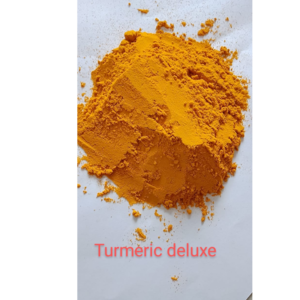
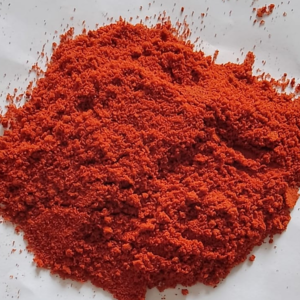
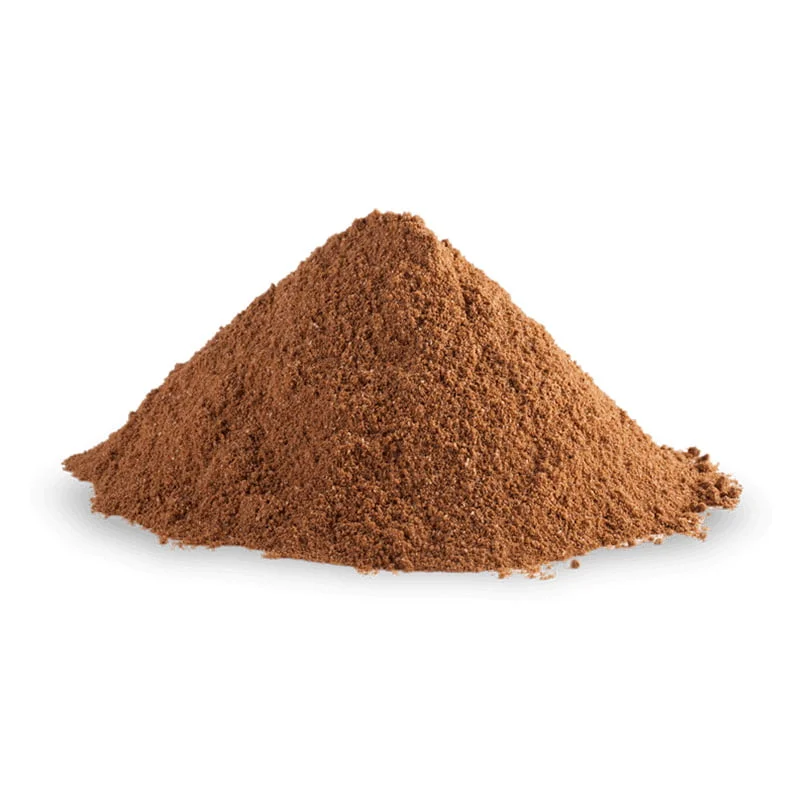
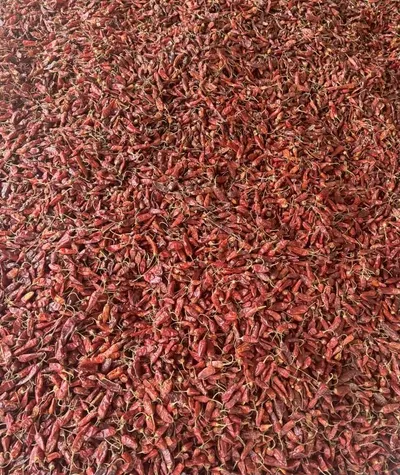
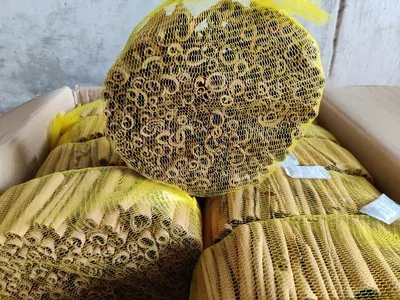
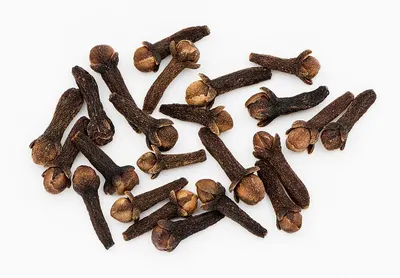
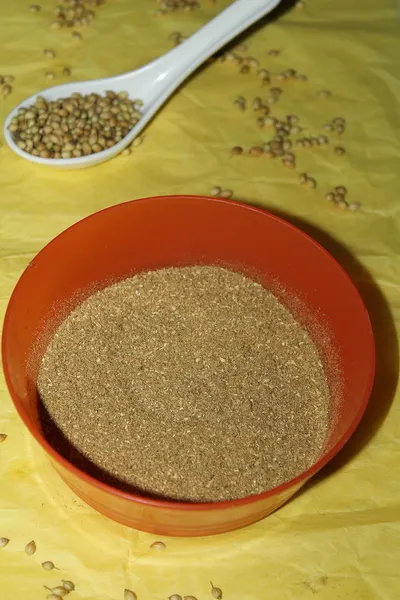
India hosts the catalogue of Vaibhav Hugemovers Pvt. Ltd., which currently lists six distinct spice items. The active product count of six includes both whole and powdered forms that fall under the broader spice category. The supplier’s catalogue records cloves, coriander powder, chilli powder, red chilli powder, turmeric powder and cinnamon powder. Each entry is presented without additional brand or certification claims, reflecting only the product names supplied. The listing aligns with common spice export classifications used by Indian exporters.
The product set covers major Indian spice commodities that are regularly shipped in bulk. Whole cloves appear alongside powdered derivatives such as coriander, turmeric and cinnamon, while two variants of chilli powder are listed separately. The catalogue does not specify packaging dimensions, but Indian spice exporters typically use 25 kg polypropylene bags or 1 MT cartons for bulk shipments. No HS codes are attached to the items in the provided data, therefore the description remains limited to the product names and their spice family.
Product Range and Specialties of Vaibhav Hugemovers Pvt. Ltd.
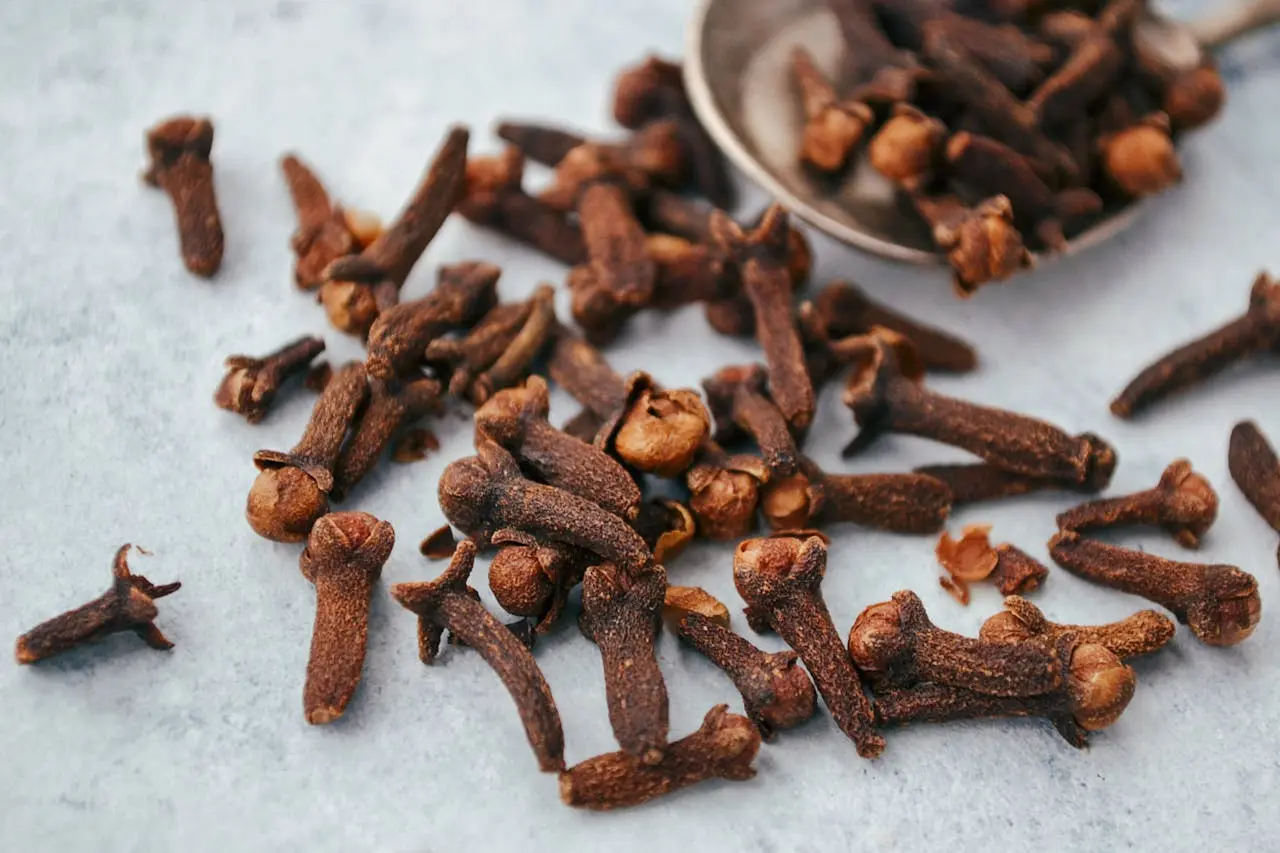
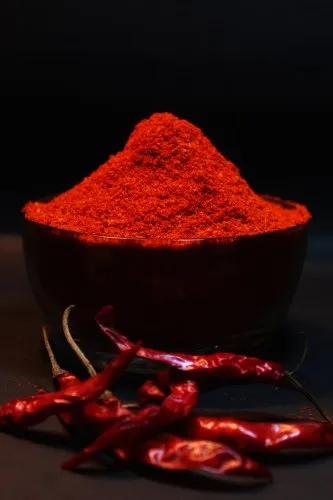
The six items in Vaibhav Hugemovers’ catalogue represent standard Indian spice offerings. Whole cloves are a dried bud commonly graded by size and moisture, with commercial grade usually containing less than 12 % moisture and a uniform oil content above 10 %. Powdered spices such as coriander, turmeric, cinnamon and the two chilli powders are generally milled to a fine particle size of 200‑300 µm and tested for colour, pungency (Scoville units for chilli) and microbial limits. Indian exporters often differentiate chilli powders by colour intensity, with “red chilli powder” indicating a higher capsaicin level and deeper hue compared to generic chilli powder.
Industry practice for these commodities includes ISO 22000 or HACCP food‑safety systems, and many buyers request FSSAI registration certificates from Indian suppliers. Typical specifications also cover aflatoxin limits, pesticide residue thresholds (e.g., maximum residue limits set by the EU), and heavy‑metal content below 2 ppm for lead. Packaging is usually sealed in multi‑layer bags with nitrogen flushing to preserve aroma, and pallets are shrink‑wrapped for container loading.
Frequently Asked Questions About Vaibhav Hugemovers Pvt. Ltd.
What spice products are listed by Vaibhav Hugemovers Pvt. Ltd.?
The catalogue lists cloves, coriander powder, chilli powder, red chilli powder, turmeric powder and cinnamon powder, giving a total of six distinct spice items.
Does the supplier provide any food‑safety certifications?
The supplied facts do not mention any certifications. Buyers should request the supplier’s current FSSAI registration and any ISO 22000 or HACCP certificates they may hold.
What are the typical packaging formats for these Indian spices?
Indian spice exporters usually pack bulk spices in 25 kg polypropylene bags or 1 MT cartons, which are then palletised and shrink‑wrapped for container loading.
Which markets typically import the spices offered by this supplier?
Major importers of Indian cloves, cinnamon, turmeric and chilli powders include the United States, European Union countries, the Middle East and Southeast Asian nations.
What quality parameters should a buyer verify for the powdered spices?
Buyers should check moisture content (<12 %), oil content, colour index, particle size (200‑300 µm), microbial limits (total plate count < 10⁴ CFU/g) and pesticide residue levels according to the destination market’s regulations.
IndiaRelated Suppliers & Products
Explore similar suppliers, related products and trending categories