V A Global — Verified Supplier
About V A Global - Leather, Bags & Food Products Supplier in India
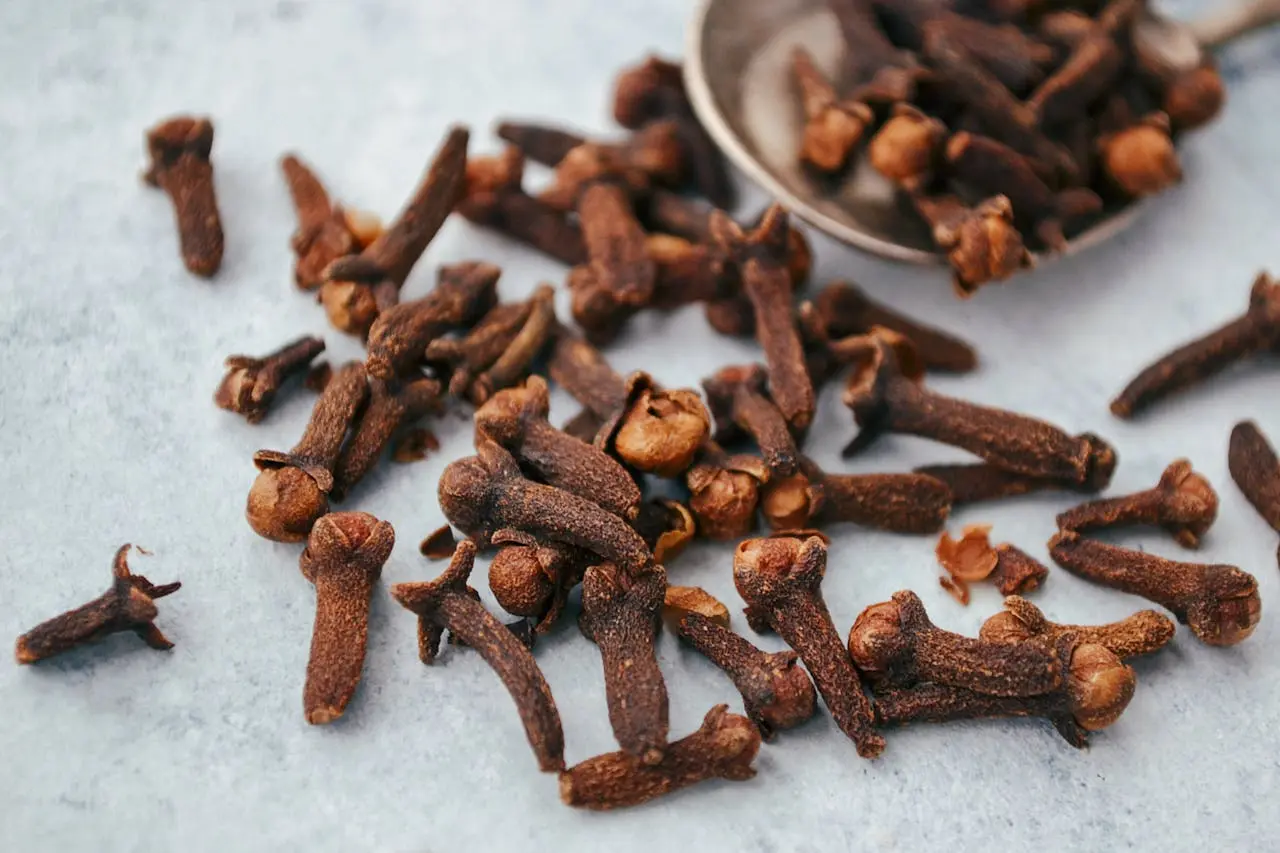
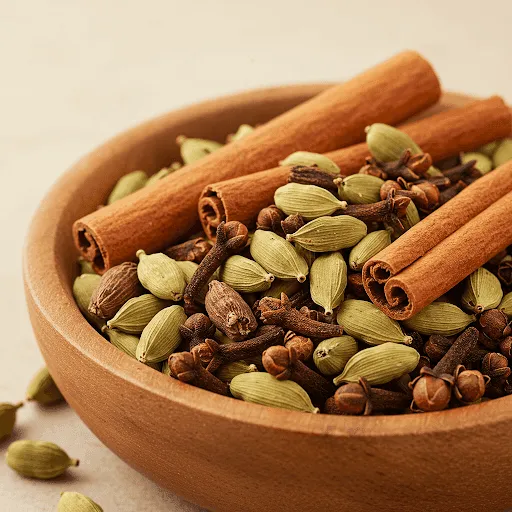
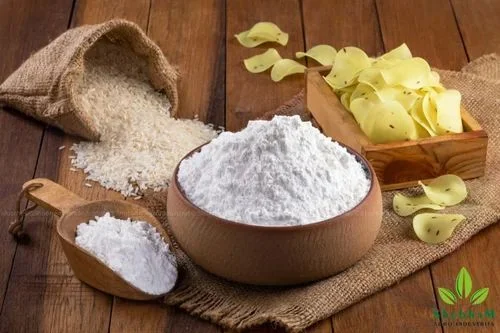
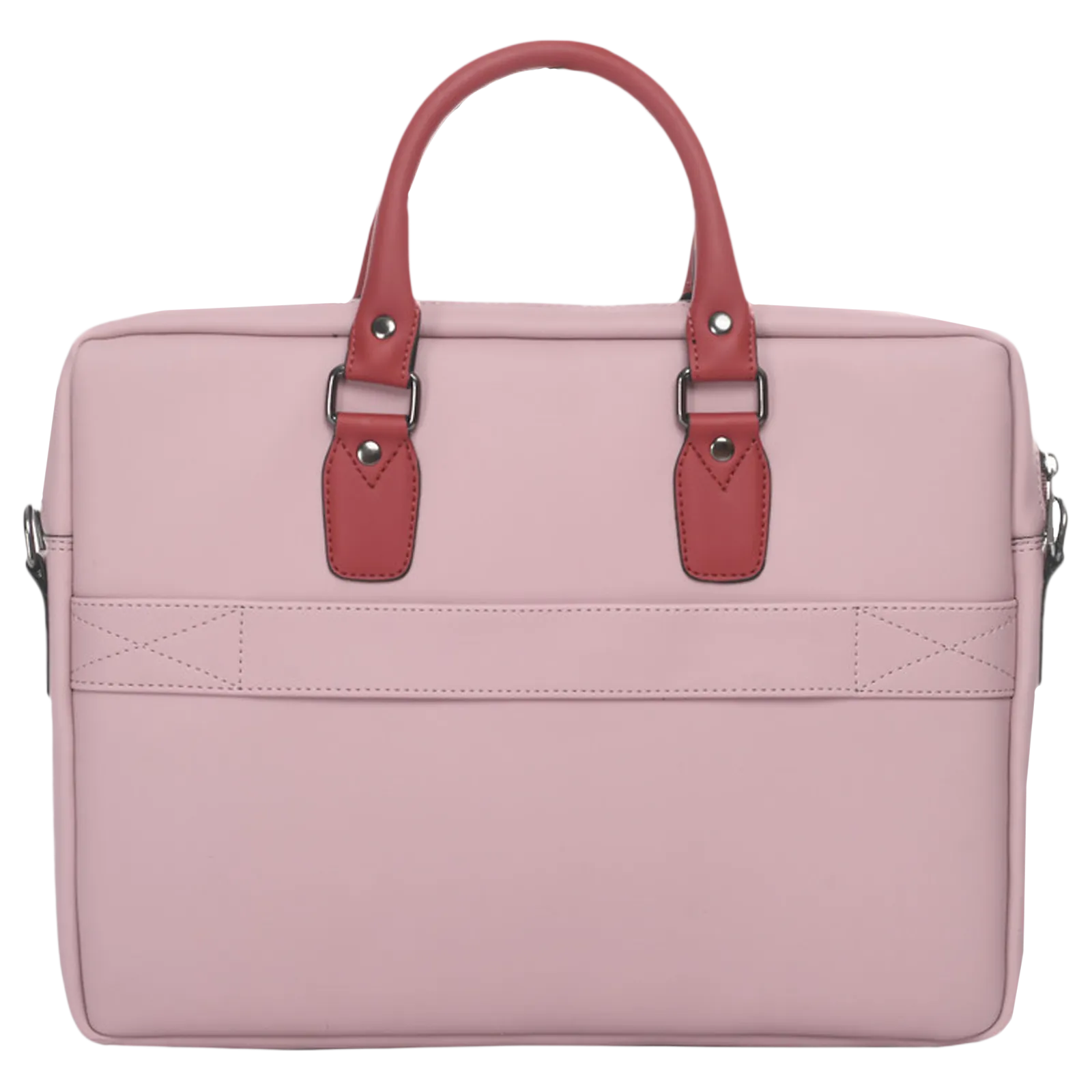
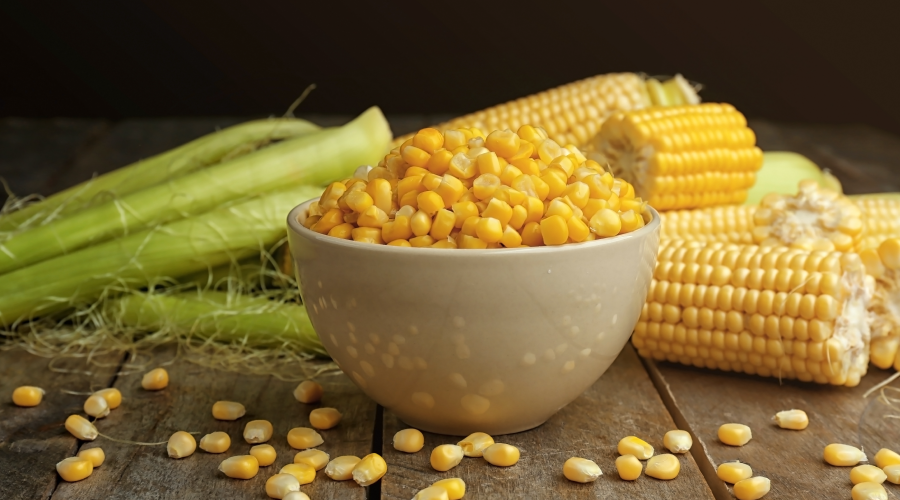
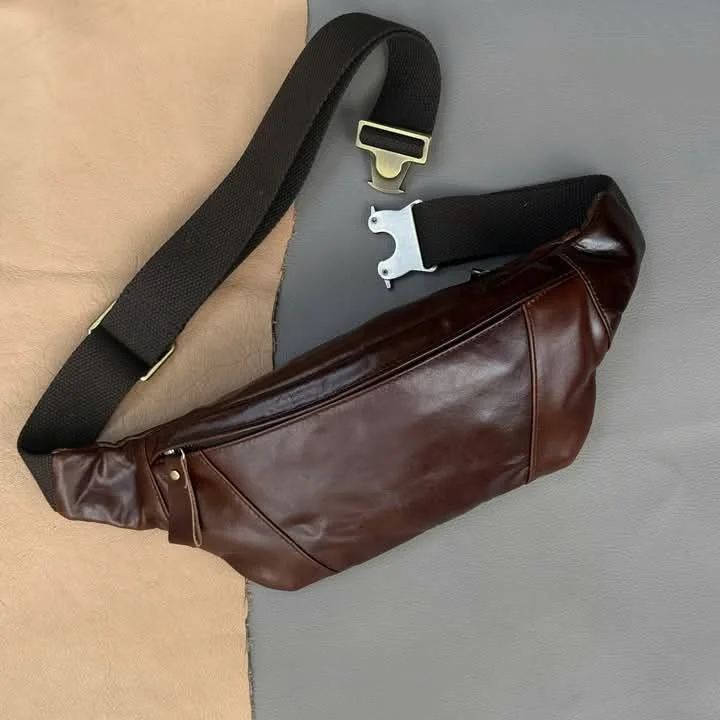
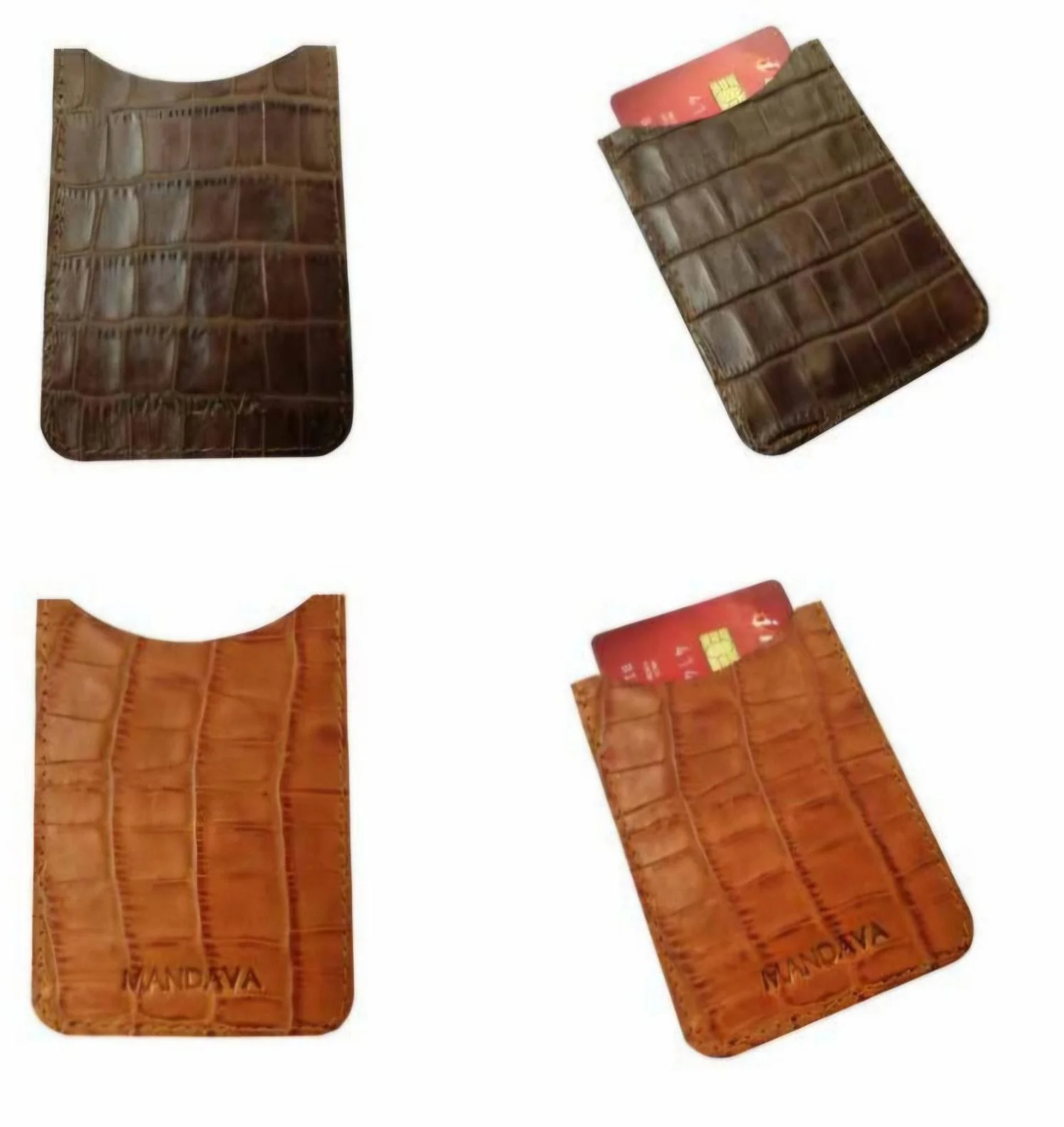
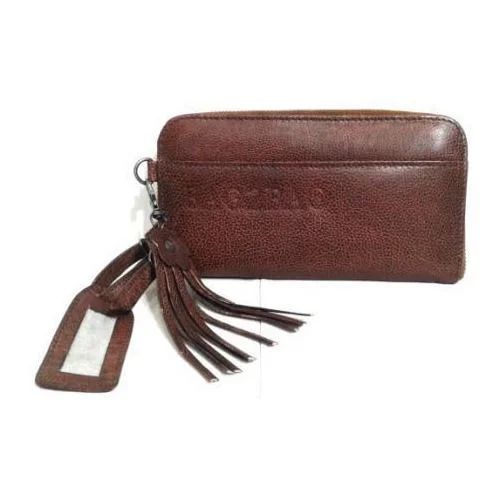
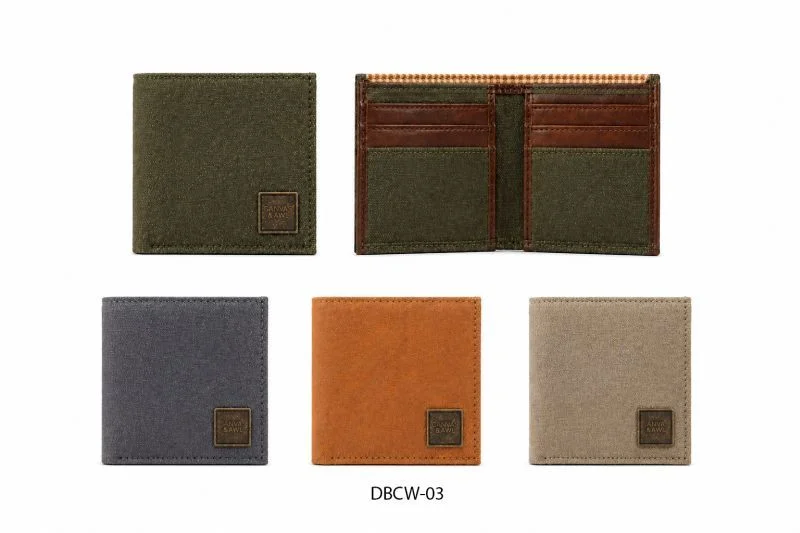
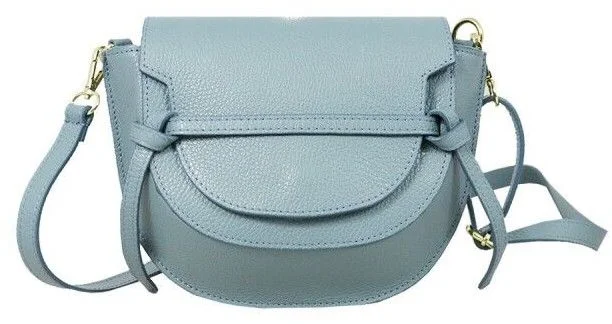
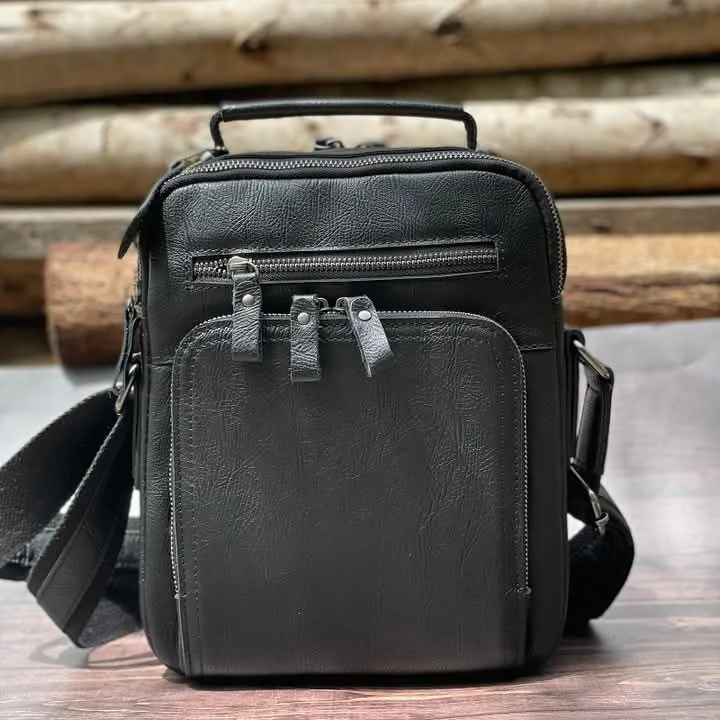
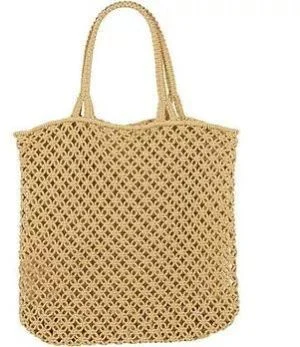
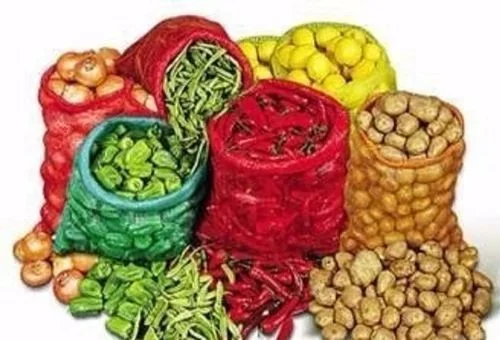
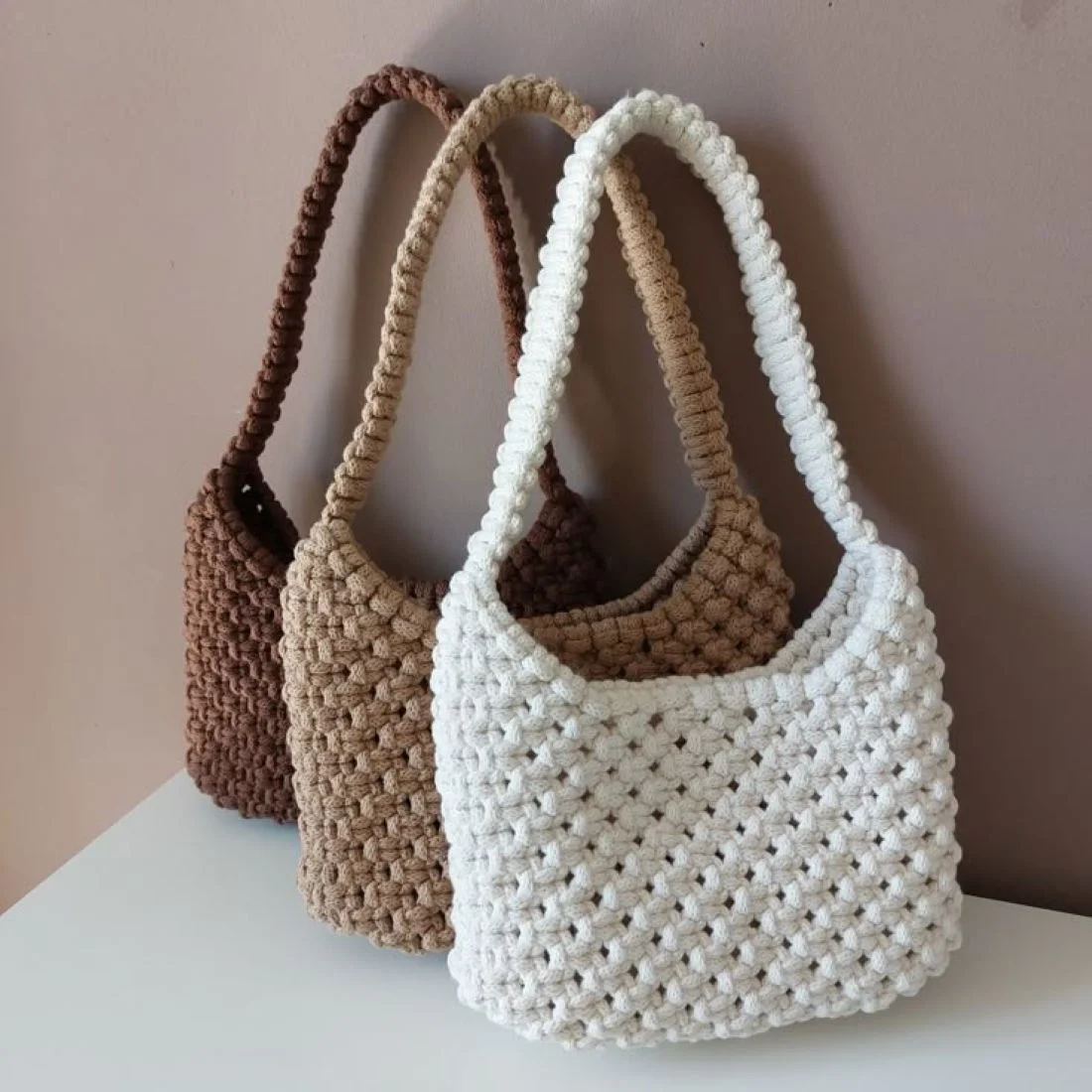
India hosts V A Global, a supplier that currently lists 62 active products across several distinct categories. The catalogue includes leather accessories such as men belts (HS 4203.30) made from genuine, split or PU leather, a variety of bags and handbags, gloves, and finished leather, as well as food items like mango, tomatoes, potatoes, lemon, onions and a full spice line (cinnamon, cardamom, black pepper, cumin, fennel, coriander) together with roasted and green coffee beans and wheat‑based all‑purpose flour (HS 1101.00).
The product list also references specific HS codes for three items: men belts (4203.30), Ceylon or Cassia cinnamon (0906.20) and wheat flour (1101.00). Materials range from canvas and PU for bags to genuine leather for belts and gloves, and agricultural commodities are described by their botanical source (e.g., Cinnamomum verum for Ceylon cinnamon).
Product Range and Specialties of V A Global
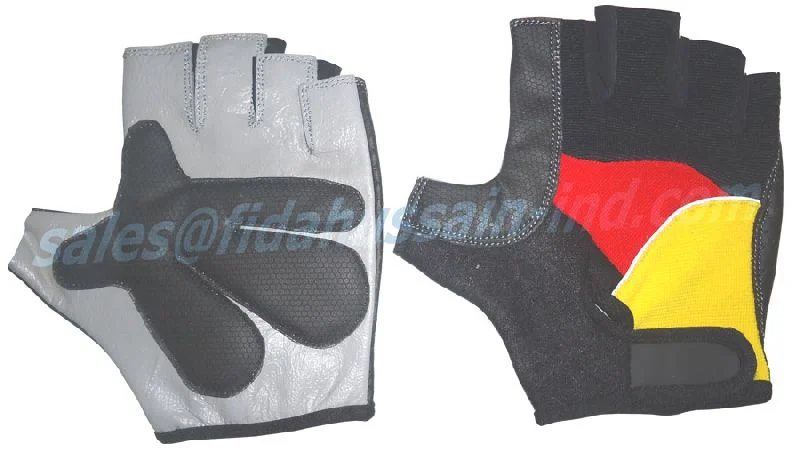
The catalogue groups products into three broad families: leather goods, agricultural food items and accessories. Leather items comprise men belts, jackets, gloves and finished leather, typically classified under chapter 42 of the HS system; bags and handbags are offered in canvas, PU and genuine leather, while gloves are supplied as driving or Canadian‑style leather gloves. In the food segment, the supplier lists fresh produce (mango, tomatoes, potatoes, lemon, onions), a full spice selection and coffee beans, together with wheat‑based all‑purpose flour.
Industry practice for these categories includes defined grades such as full‑grain or top‑grain leather for accessories, canvas weight measured in GSM for bags, and coffee bean grades (Arabica ICUP 60‑70, Robusta ICUP 30‑40) with moisture content around 10‑12 %. Spices are commonly graded by oil content and particle size, with cinnamon often sold as ICUMSA 45 for Ceylon or ICUMSA 150 for Cassia. Wheat flour under HS 1101.00 is typically classified as 100 % wheat with ash content below 0.6 % and moisture under 14 %.
Trade and Export Information - V A Global
India is a major exporter of leather articles, spices, coffee and fresh horticultural produce. Buyers in the European Union, United States, Middle East and Southeast Asia regularly import HS 42 leather goods, HS 09 spices and HS 09 01 coffee, while fresh vegetables are shipped to regional markets under HS 07. Common certifications requested for these categories include ISO 9001 quality management, BRC or FSSC 22000 for food safety, and phytosanitary certificates for fresh produce. Leather exports often require REACH compliance and leather‑specific test reports (e.g., chromium VI limits), whereas spices and coffee typically need origin certificates, pesticide residue reports and, for cinnamon, a distinction between Ceylon and Cassia varieties. Standard export logistics involve 20‑ft or 40‑ft containers, with leather goods packed in cardboard boxes, spices in multi‑layered cartons, and coffee beans in 60 kg jute bags or 1 kg vacuum‑sealed bags. Typical Incoterms used are FOB or CIF, depending on the buyer’s preference.
Sourcing from V A Global - Buyer Guidance
When sourcing leather accessories such as the men belts (HS 4203.30), request a sample that specifies the leather grade (genuine, split or PU) and a material safety data sheet confirming compliance with REACH limits on chromium. For spices, ask for an analysis report showing pesticide residues, moisture content and a certificate of origin that identifies whether the cinnamon is Ceylon (Cinnamomum verum) or Cassia (Cinnamomum cassia). Coffee buyers should obtain cupping scores, moisture levels and a phytosanitary certificate for green beans, while roasted beans need a roasting profile sheet. Fresh produce requires a phytosanitary certificate and, where applicable, a maximum residue limit (MRL) statement for the destination country. Verify that the HS codes used in the commercial invoice match the product description to avoid customs delays, and confirm packaging dimensions (e.g., 40‑ft container capacity for 1,200 kg of coffee beans or 2,500 kg of spices).
Frequently Asked Questions About V A Global
What product categories are listed by V A Global?
The supplier lists leather accessories (belts, jackets, gloves, finished leather), various bags and handbags, a full line of spices, fresh vegetables, roasted and green coffee beans and wheat‑based all‑purpose flour.
Which HS codes are associated with the listed products?
Men belts are recorded under HS 4203.30, cinnamon under HS 0906.20 and all‑purpose flour under HS 1101.00. Other leather items fall under chapter 42, spices under chapter 09 and coffee under HS 0901.00.
What certifications should I request for Indian spice shipments?
Typical requests include an ISO 9001 or BRC food‑safety certificate, a phytosanitary certificate, and a pesticide‑residue analysis. For cinnamon, ask for a certificate distinguishing Ceylon (Cinnamomum verum) from Cassia (Cinnamomum cassia).
How are coffee beans usually packaged for export?
Green coffee beans are commonly packed in 60 kg jute bags, while roasted beans are often supplied in 1 kg vacuum‑sealed bags or bulk 20‑kg cartons. Both formats include moisture‑control barriers and a batch‑level cupping report.
What sample procedure is recommended for leather belts?
Request a physical sample that indicates the exact leather grade (genuine, split or PU) and includes a material safety data sheet. The sample should be labeled with the HS 4203.30 code and dimensions of the belt.
What are typical lead times for Indian leather accessories?
Standard production lead times range from 30 to 45 days after order confirmation, depending on the leather grade and any customization such as embossing or hardware finishes.
Are phytosanitary certificates required for the listed vegetables?
Yes, fresh mango, tomatoes, potatoes, lemon, onions and other horticultural items must be accompanied by a phytosanitary certificate that confirms they are free of pests and meet the importing country’s residue limits.
What packaging standards apply to the spice products?
Spices are usually packed in multi‑layered cartons or food‑grade polypropylene bags, sealed to preserve aroma and prevent moisture ingress. Labels must display the HS code, net weight, country of origin and any required safety symbols.




 , India