Urbane Trendz Llp — Verified Supplier
About Urbane Trendz Llp - Room Fresheners Supplier in India
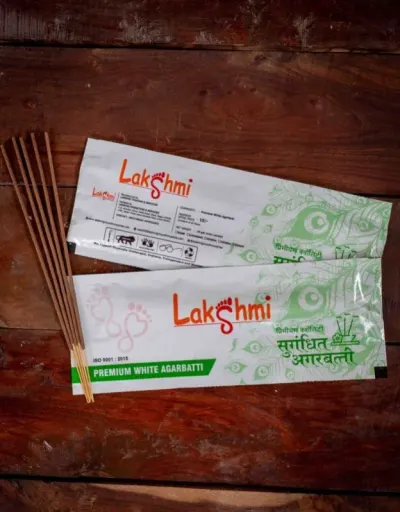
Urbane Trendz Llp operates from South West Delhi in the Indian capital region. The supplier’s current catalogue contains nine distinct products. These items fall under categories such as room fresheners, incense sticks, perfumes and aromatic chemicals. Among the listed goods are incense sticks, dhoop cones, attars, essential oils, handmade soaps, sambrani cups, aroma candles and wooden kapurdani. The attar entry is classified under HS code 3303.00 and is described as natural essential oils of botanical origin. All products are positioned within the organic supplier tier according to the platform’s trust system.
Product Range and Specialties of Urbane Trendz Llp
The catalogue features incense sticks, dhoop cones, attars, essential oils, handmade soaps, sambrani cups, aroma candles and wooden kapurdani. In the incense market, standard sticks are 30 mm in diameter and 100 mm in length, with a burn time of 30 - 45 minutes, while dhoop cones typically measure 15 - 20 mm in diameter and burn for 20 - 30 minutes. Attars classified under HS 3303 are generally evaluated for oil content, with purity grades such as 95 % - 99 % natural essential oil and a refractive index conforming to ISO 10191. Essential oils exported from India are frequently tested for GC‑MS composition, meeting specifications like ICUMSA 45 for colour and a maximum moisture content of 0.5 %. Handmade soaps are often produced in bar sizes of 80 - 120 g, with a pH range of 5.5 - 7.5 to suit skin compatibility. Aroma candles commonly use wax blends with a melt point of 55 - 65 °C and a fragrance load of 6 - 10 % by weight.
Wooden kapurdani and sambrani cups are typically shipped in cardboard cartons holding 20 - 30 units per 20‑ft container, with protective padding to prevent breakage. Bulk quantities of incense sticks and essential oils are usually packed in sealed polyethylene bags or metal tins, complying with ISPM 15 phytosanitary standards for wood‑based packaging. Export shipments from India to the Middle East, Europe and North America often use FCL (full container load) or LCL (less than container load) under CIF or FOB terms. Buyers commonly request a Certificate of Origin and a laboratory analysis report confirming conformity to the relevant HS chapter specifications.
Trade and Export Information - Urbane Trendz Llp
India is a major exporter of aromatic products, with the European Union, United Arab Emirates and United States representing the largest import markets for incense, attars and essential oils. Products under HS 3303.00 fall within the perfumery and cosmetic preparations chapter, which typically require compliance with REACH registration in the EU and FDA regulations for cosmetics in the US. Incense sticks and dhoop cones are classified under HS 3307 and are subject to customs inspection for the presence of prohibited substances such as lead or asbestos. Export logistics from Delhi often involve rail or road transport to the Port of Mumbai, followed by container shipping; standard container sizes are 20 ft (≈25 m³) and 40 ft (≈58 m³). Buyers generally request phytosanitary certificates for wooden packaging and a declaration of compliance with the International Fragrance Association (IFRA) standards for fragrance safety.
Typical certifications sought by international buyers include ISO 9001 quality management, ISO 14001 environmental management and GMP for cosmetics, though these are not listed as held by the supplier. Importers should verify that the supplier can provide a recent lab analysis for essential oils, a fragrance composition sheet for attars, and a burn‑time test report for incense sticks. Customs duties for HS 3303 range from 0 % to 8 % depending on the destination, and appropriate HS classification is essential to avoid delays. Due to the organic tier designation, buyers may also inquire about organic certification such as USDA Organic or India’s NPOP, if required by their market.
Sourcing from Urbane Trendz Llp - Buyer Guidance
When sourcing aromatic products from Urbane Trendz, buyers should request sample batches of incense sticks, attars and essential oils to verify burn characteristics, fragrance profile and purity. A laboratory certificate confirming GC‑MS analysis, refractive index and acid value is standard for essential oils and attars. For handmade soaps, a safety data sheet (SDS) and a pH test report help ensure compliance with cosmetic regulations. Inspect packaging details such as sealed inner bags for oils and sturdy cartons for wooden items to prevent damage during transit.
Buyers are advised to ask for a Certificate of Origin, a phytosanitary certificate for any wooden packaging and, where applicable, an IFRA compliance statement for fragrance ingredients. Clarify the Incoterm (e.g., FOB Delhi or CIF Mumbai) and confirm container loading plans, noting that a 20‑ft container can accommodate approximately 1 000 kg of incense sticks or 500 L of essential oil. Before finalizing orders, verify the supplier’s ability to provide batch‑wise test reports and to meet any specific import documentation required by the destination country.
Frequently Asked Questions About Urbane Trendz Llp
What product categories does Urbane Trendz Llp offer?
The supplier lists room fresheners, incense sticks, perfumes, aromatic chemicals, herbal beauty products, air fresheners and wooden carving. The detailed catalogue includes incense sticks, dhoop cones, attars, essential oils, handmade soaps, sambrani cups, aroma candles and wooden kapurdani.
Which HS code applies to the attars sold by Urbane Trendz?
Attars are recorded with HS code 3303.00, which covers essential oils and perfumery preparations. This code is used internationally for customs classification of fragrance oils derived from botanical sources.
What typical specifications should I check for incense sticks?
Buyers usually verify the stick’s diameter (around 30 mm), length (approximately 100 mm) and advertised burn time (30 - 45 minutes). Material composition, such as bamboo core or charcoal base, may also be specified to ensure consistent fragrance release.
What certifications are commonly required for essential oils exported from India?
International buyers often request ISO 9001 quality‑management certification, GMP compliance for cosmetics, and a REACH registration declaration for the EU market. A recent laboratory analysis report (GC‑MS, purity % and moisture content) is also standard.
How are the wooden kapurdani and sambrani cups usually packaged for export?
These wooden items are typically packed in reinforced cardboard cartons with individual padding, allowing 20 - 30 units per carton. The cartons are then stacked in a 20‑ft or 40‑ft container, complying with ISPM 15 standards for any wood‑based packaging.
Which markets commonly import Indian aromatic products?
The European Union, the United Arab Emirates and the United States are the largest import destinations for Indian incense, attars and essential oils. Regional trade agreements and established logistics routes support regular shipments to these markets.
What documentation should I request before placing an order?
Buyers should obtain a Certificate of Origin, a phytosanitary certificate for wooden packaging, a safety data sheet (SDS) for soaps and a laboratory analysis report for essential oils and attars. An IFRA compliance statement is advisable for any fragrance‑based product.




 South West Delhi, India