Agriculture›
 Apparel and fashion accessories›
 Construction & real estate›💡Electronic & Electrical›🍎Food & Beverages›🛋️Home furnishing & supplies›⚗️Industrial goods & chemical›🪨Minerals & metals›📦Miscellaneous›Agriculture›Apparel and fashion accessories›Construction & real estate›💡Electronic & Electrical›🍎Food & Beverages›🛋️Home furnishing & supplies›⚗️Industrial goods & chemical›🪨Minerals & metals›📦Miscellaneous›
Uniwelt Trading & Services WLL
⚓ Harbor , BahrainNew supplier / no reviews yet
Uniwelt Trading & Services WLL Product Catalog


About Uniwelt Trading & Services WLL - Seeds and Nuts Supplier in Bahrain
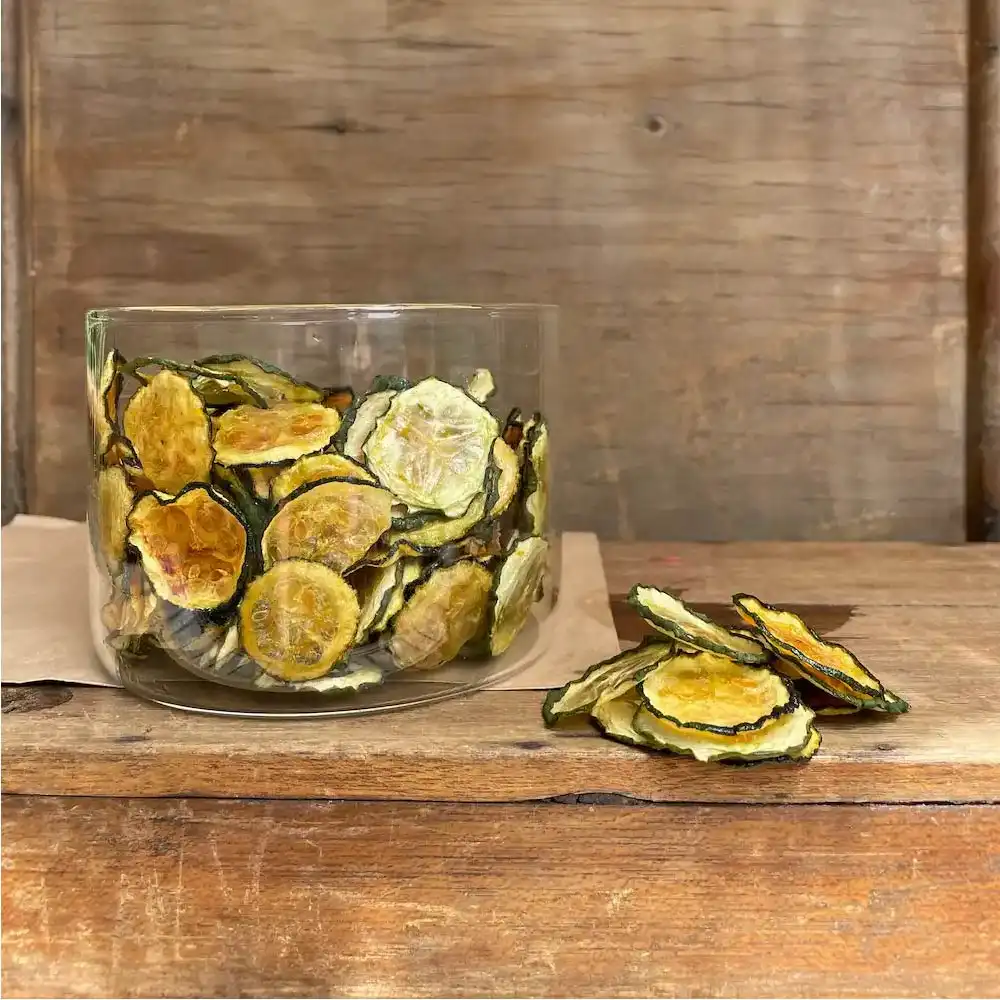
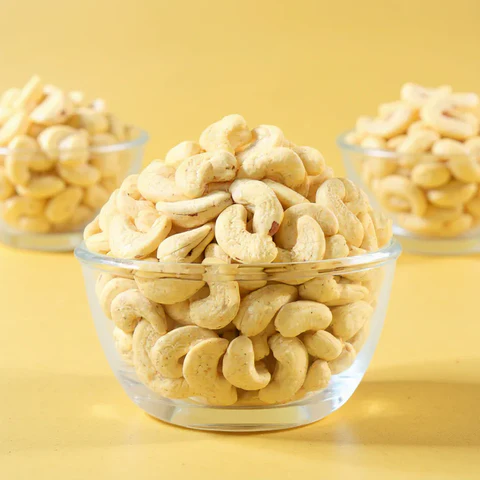
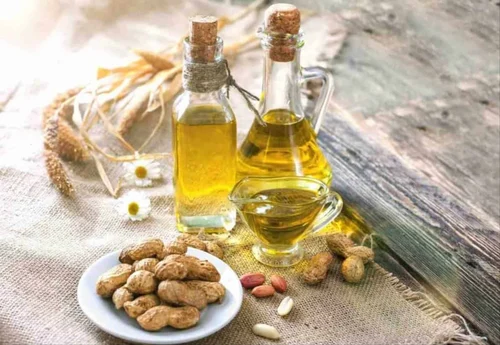
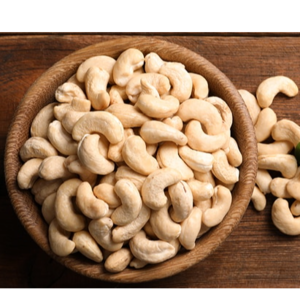
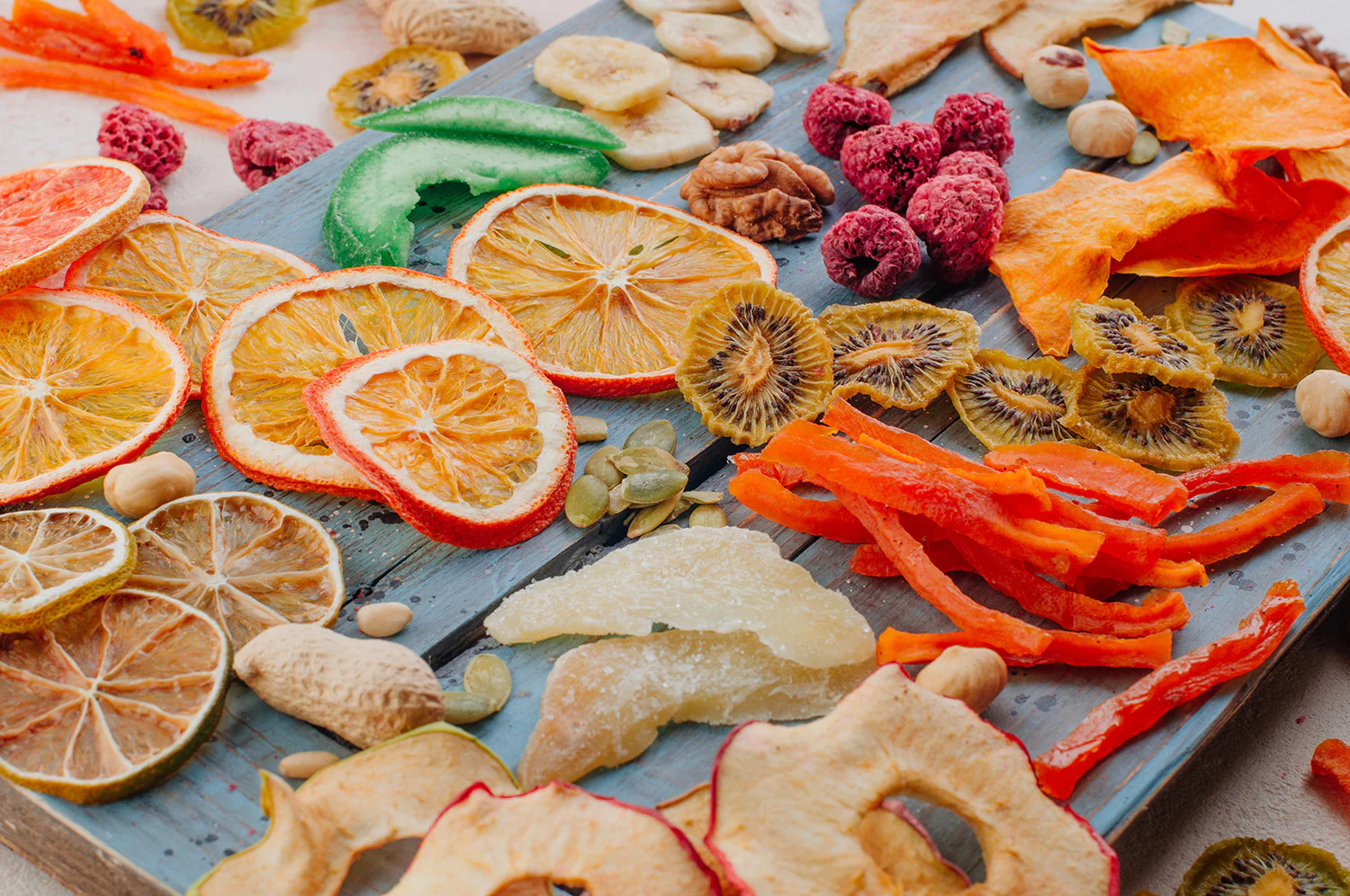
Uniwelt Trading & Services WLL operates from Bahrain and lists seven active product groups in its catalogue. The catalogue includes Seeds and Nuts, Fruits, Vegetables, Charcoal, Herbs and Spices, Oils, and Frozen Fruits, each mapped to HS chapter families such as 0801 for nuts, 0803 for fresh fruits, 0709 for vegetables, 4401 for charcoal, 0904 for spices, 3301 for essential oils, and 0805 for IQF fruit products. The supplier’s top categories mention cashew nuts, fresh fruits, fresh vegetables, charcoal, spices, essential oils, and IQF or frozen fruits, indicating a focus on both raw agricultural produce and processed items. The listing does not provide specific production volumes, but the range covers a breadth of commodity types commonly traded from the Gulf region.
The product set reflects typical export commodities from Bahrain, where trade logistics favor containerized shipments to markets in the Middle East, Europe, and Asia. Each product family aligns with standard international trade codes and quality expectations, such as moisture limits for nuts and phytosanitary requirements for fresh produce. While the supplier’s catalogue does not disclose certifications, buyers can expect that compliance with import regulations will be necessary. The overview therefore combines the factual catalogue with the broader trade context for these categories.
Product Range and Specialties of Uniwelt Trading & Services WLL
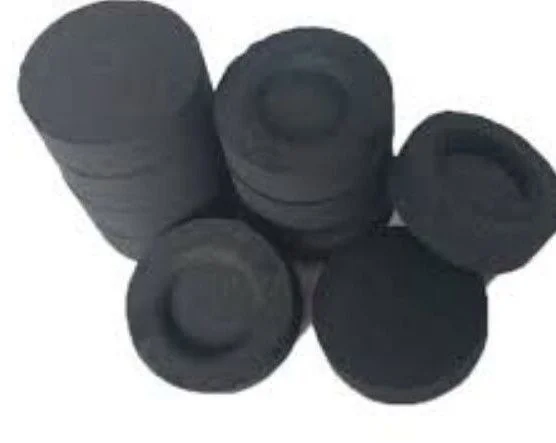
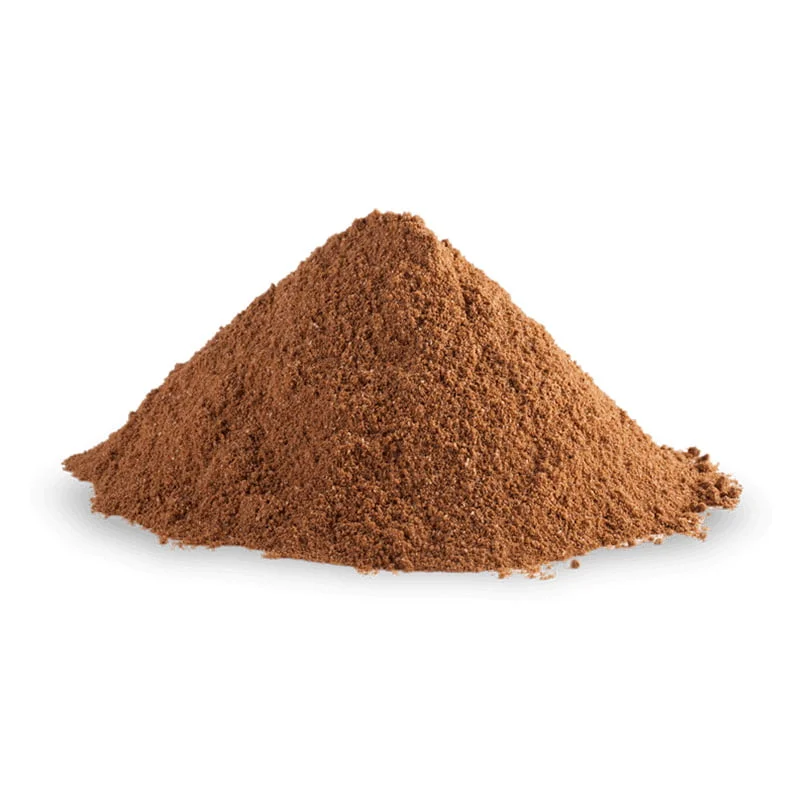
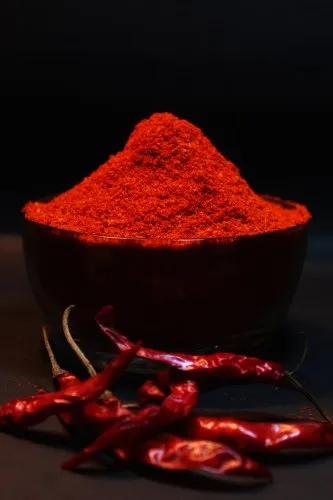
Uniwelt Trading & Services WLL offers Seeds and Nuts, which in global trade are often categorized by size, shelling percentage, moisture content below 5 %, and aflatoxin limits of 10 µg/kg for export to the EU. Fresh Fruits and Vegetables are typically graded by size, colour, sugar content (Brix for fruits) and have maximum pesticide residue limits defined by Codex. Charcoal is usually specified by fixed carbon content (typically 70‑80 %) and ash content below 5 %. Herbs and Spices are graded by purity, essential oil percentage, and particle size, while Oils, especially essential oils, are evaluated by GC‑MS profiles, iodine value, and free fatty acid levels. Frozen Fruits are packed in 20 ft or 40 ft containers, often in 10 kg or 25 kg insulated boxes, and must maintain a temperature of - 18 °C or lower.
Frequently Asked Questions About Uniwelt Trading & Services WLL
What product categories does Uniwelt Trading & Services WLL list in its catalogue?
The catalogue includes Seeds and Nuts, Fruits, Vegetables, Charcoal, Herbs and Spices, Oils, and Frozen Fruits, covering both raw agricultural goods and processed items.
Which HS code chapters are relevant for the listed products?
Typical HS chapters are 0801 for nuts, 0803 for fresh fruits, 0709 for vegetables, 4401 for charcoal, 0904 for herbs and spices, 3301 for essential oils, and 0805 for frozen fruit products.
What quality specifications are common for nuts exported from Bahrain?
Nuts are usually required to have moisture below 5 %, shelling rate above 60 %, and aflatoxin levels not exceeding 10 µg/kg for EU markets.
What documentation should a buyer request for fresh fruit shipments?
Buyers should ask for a phytosanitary certificate, certificate of origin, pesticide residue test report, Brix measurement sheet, and a pre‑shipment inspection report.
Are there standard certifications that buyers typically verify for essential oils?
Essential oils are commonly accompanied by a Certificate of Analysis showing GC‑MS results, an SDS, and a certificate of origin; buyers may also request ISO 9001 compliance evidence.
BahrainRelated Suppliers & Products
Explore similar suppliers, related products and trending categories