Uni Export — Verified Supplier
About Uni Export - Plywood Supplier in Viet Nam
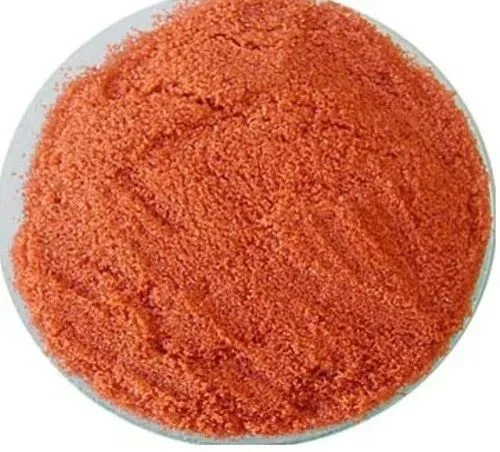
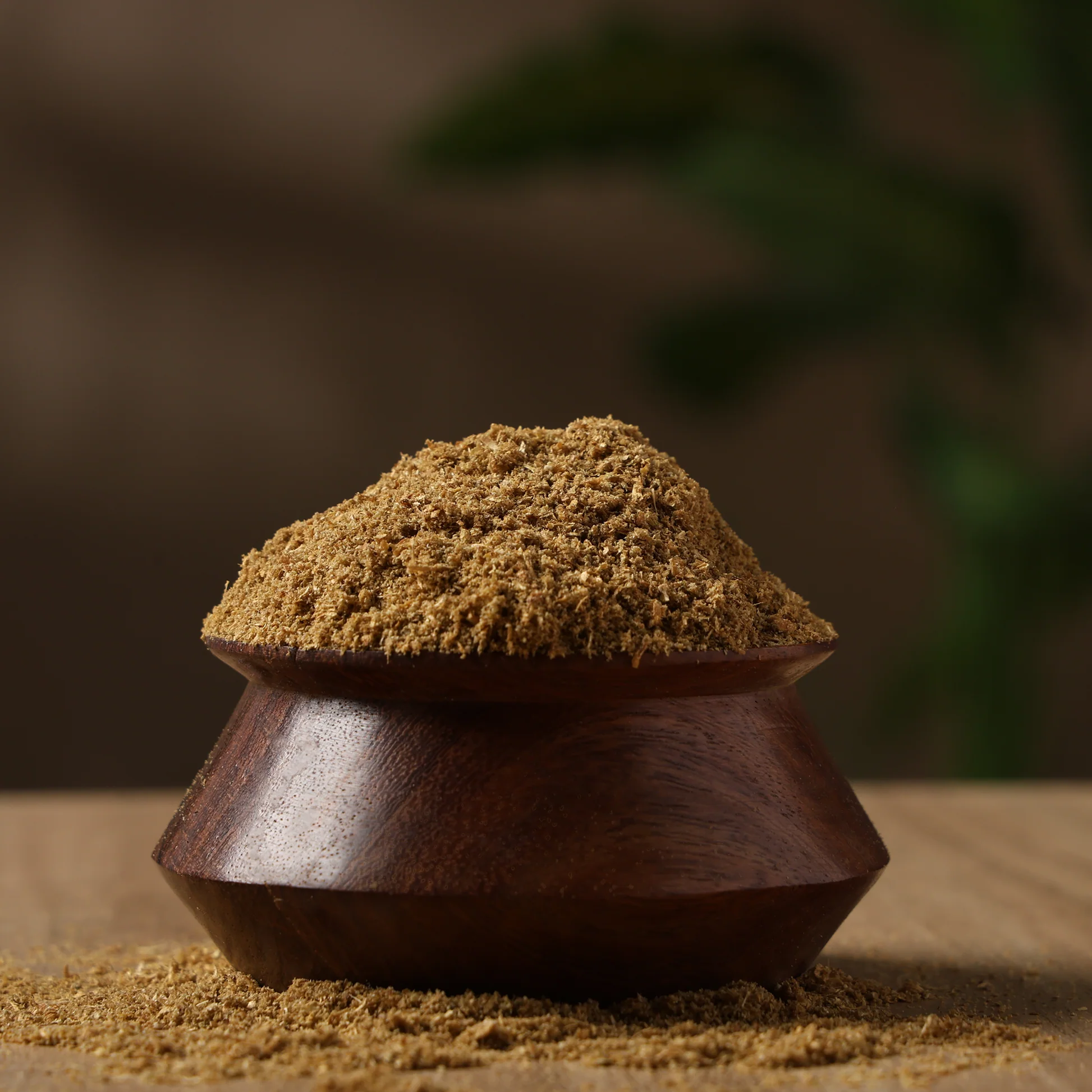
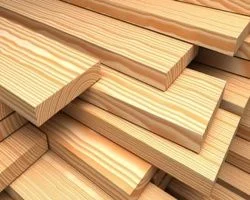
Based in Viet Nam, Uni Export lists 38 active products that span plywood, wood powders, sawdust, shavings, briquettes and related building materials. The catalogue covers a broad set of wood‑based items, from construction and container‑flooring plywood to deck‑tile systems and bulk wood powders, each classified under the relevant HS‑code families for timber products. The supplier’s inventory includes both raw wood derivatives such as Mix Wood Sawdust (1‑2 mm) and Premium Mix Wood Shaving, as well as finished engineered panels like 5/7/9/12/18 mm Thick Construction Plywood and IICL Standard Container Flooring Plywood. One product, DIY Interlocking Deck Tile, is explicitly recorded with HS code 4418.99 and described as made from Acacia solid wood or WPC composite.
Product Range and Specialties of Uni Export
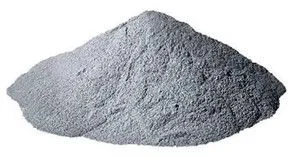
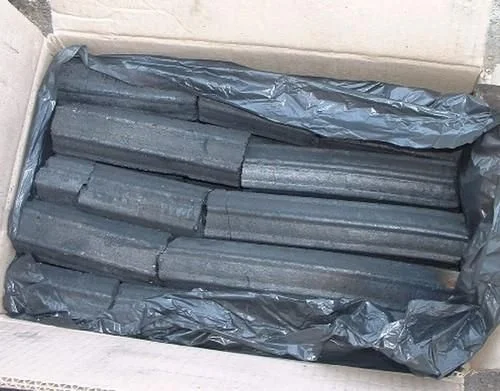
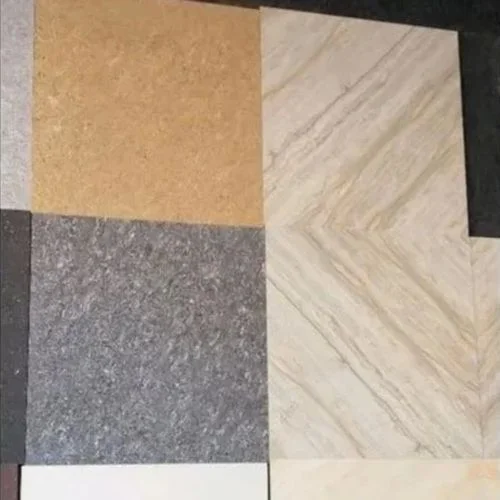
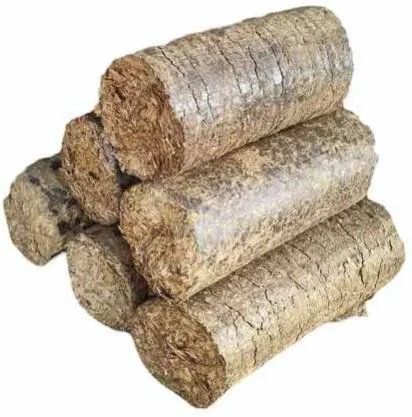
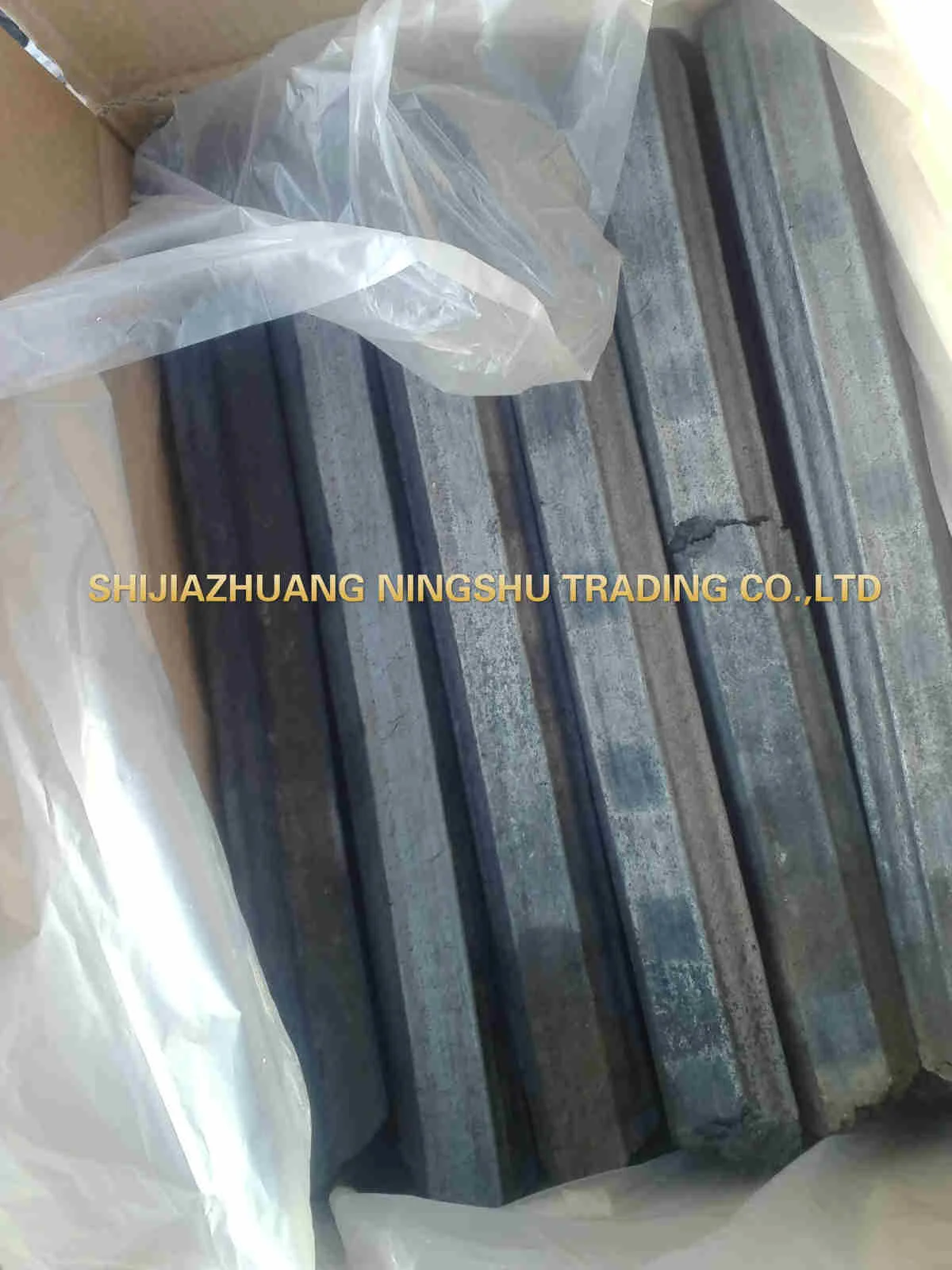
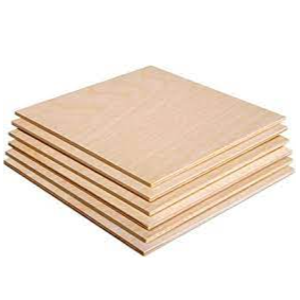
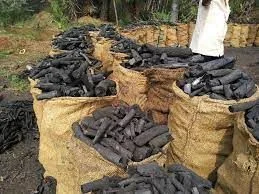
Uni Export’s plywood portfolio features moisture‑resistant, film‑faced, hardwood and keruing‑veneer face variants, with standard panel dimensions of 1 220 mm × 2 440 mm and thicknesses ranging from 5 mm to 18 mm. In the broader wood‑product segment the company offers wood powder (typically passing through a 150 µm sieve), sawdust grades of 1‑2 mm and larger pine wood sawdust, and both standard and premium wood shavings used for animal bedding or particle board feedstock. Wood briquettes are supplied in compressed blocks that usually meet a calorific value of 4 500 - 5 000 kcal kg‑1 and a moisture content below 12 %. Deck tiles are offered in 6‑slat and 12‑slat configurations, commonly interlocking to create modular flooring systems. Industry practice classifies plywood by grade (e.g., BS 1088, EN 636) and by glue type (Urea‑Formaldehyde, Phenol‑Formaldehyde, or Melamine‑impregnated), while wood powders and shavings are graded by particle size distribution and bulk density.
Trade and Export Information - Uni Export
Vietnamese timber exporters typically ship plywood under HS chapter 44, with construction plywood falling under 4412‑4413 and specialty floor‑covering panels under 4415‑4416. Major import destinations include the European Union, the United States, China and regional ASEAN markets, where buyers often request FSC or PEFC chain‑of‑custody certification and ISO 9001 quality management documentation. Deck tiles classified under HS 4418.99 are treated as wooden furniture components and may be subject to additional phytosanitary inspection in the EU. Standard export packaging for bulk panels involves palletisation on moisture‑resistant film, loading into 20‑ft or 40‑ft containers, and the use of Incoterms such as FOB Hai Phong or CIF Shanghai.
Sourcing from Uni Export - Buyer Guidance
When sourcing plywood from Uni Export, buyers should request a product data sheet that lists grade, glue type, moisture content (typically ≤12 %), formaldehyde emission class (CARB II or E1), and dimensional tolerances (±0.5 mm). For wood powders, sawdust and shavings, specifications such as particle‑size range, bulk density, moisture level and any relevant fire‑retardant treatment should be verified through a laboratory analysis report. Deck‑tile orders benefit from a physical sample to confirm interlocking fit, surface finish and load‑bearing capacity, and buyers should ask for a compliance declaration covering CE marking or relevant local building codes.
Frequently Asked Questions About Uni Export
What plywood thicknesses and panel sizes does Uni Export provide?
The catalogue lists panels in 5 mm, 7 mm, 9 mm, 12 mm and 18 mm thicknesses, most commonly cut to the standard 1 220 mm × 2 440 mm sheet size used in international trade.
Which wood‑based products are covered by HS code 4418.99?
Only the DIY Interlocking Deck Tile is recorded with HS code 4418.99, which classifies it as a wooden furniture component or deck‑tile system made from Acacia solid wood or WPC composite.
What typical standards apply to construction plywood from Vietnam?
International buyers usually expect compliance with BS 1088 or EN 636 grade specifications, moisture content not exceeding 12 %, and formaldehyde emissions meeting CARB II or European E1 limits.
What certifications should a buyer request for these wood products?
Buyers commonly request FSC or PEFC chain‑of‑custody certificates, ISO 9001 quality‑management audit reports, and, for panels destined for the EU, CE conformity declarations.
How are wood powders and sawdust typically graded?
Grades are defined by particle‑size distribution (e.g., 1‑2 mm for mix wood sawdust) and bulk density, with moisture content usually limited to 10‑12 % for stable processing.
What calorific value and moisture limits are typical for wood briquettes?
Export‑grade briquettes generally deliver 4 500 - 5 000 kcal kg‑1 and are produced with moisture levels below 12 % to ensure efficient combustion and transport stability.
What packaging and container options are used for bulk plywood shipments?
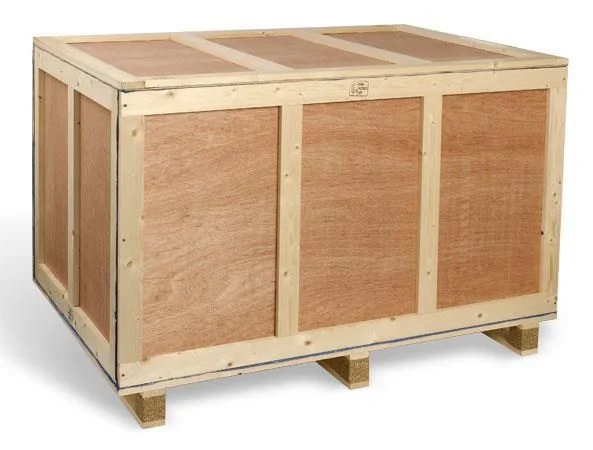
Plywood is typically wrapped in moisture‑resistant film, stacked on wooden pallets, and loaded into 20‑ft or 40‑ft containers; container‑flooring plywood may be shipped as pre‑assembled floorboards to reduce handling.
What documentation is needed for customs clearance of these wood products?
Standard documentation includes a commercial invoice, packing list, certificate of origin, phytosanitary certificate (if required by the destination), and any requested certification such as FSC or ISO audit reports.




 , Viet Nam