Tuscany Idea — Supplier
About Tuscany Idea - Shampoo Supplier in Italy
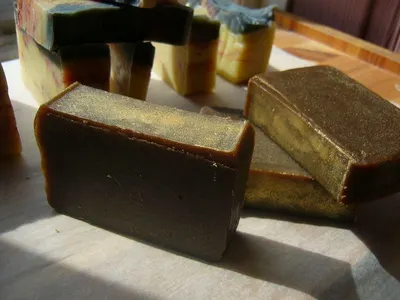
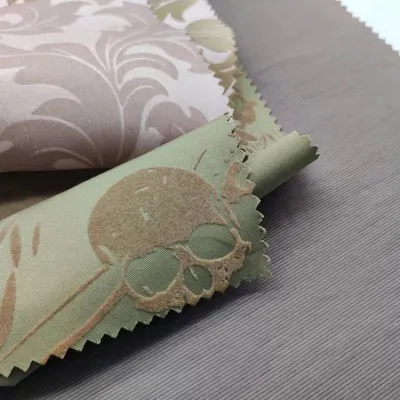
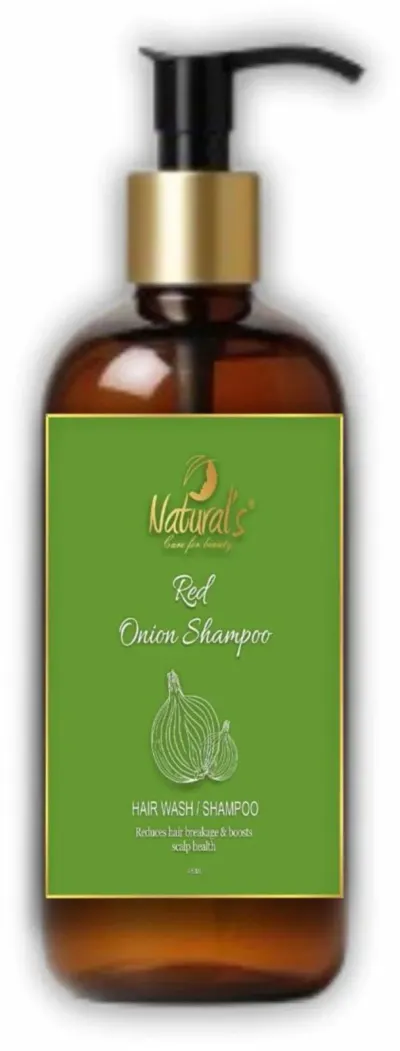
Italy supplies five active products from Tuscany Idea, an imported supplier listed under the harbor trust tier. The catalogue includes a personal‑care shampoo formulated with extra virgin olive oil, three variations of olive‑oil based soap (extra virgin olive oil soap, flip‑box olive solid soap, and plisse soap with Tuscan extra virgin olive oil), and a scented drawer‑lining paper featuring an olive design. All items fall under the categories Shampoo and Household Merchandise as indicated in the supplier data.
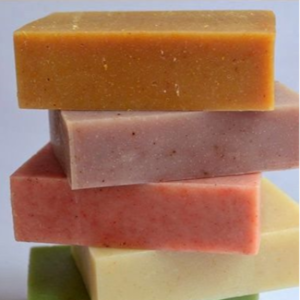
The shampoo is positioned within the personal‑care segment that combines olive‑oil moisturising properties with standard cleansing agents. The soap range offers solid bar formats that incorporate olive oil for added skin benefits, while the drawer‑lining paper provides a decorative household accessory. The product list does not include additional categories beyond those five items.
Product Range and Specialties of Tuscany Idea
The listed shampoo typically targets a pH between 4.5 and 6, contains 2‑5 % extra virgin olive oil, and uses mild surfactants such as sodium laureth sulfate or cocamidopropyl betaine, which are standard in the industry. Olive‑oil soaps are usually produced with a saponification value around 190‑200 mg KOH g⁻¹ and retain 10‑15 % natural glycerin for skin softness; the flip‑box format is a retail‑ready cardboard packaging, and plisse soap adds a textured finish. Scented drawer‑lining paper is generally supplied in sheets of 70‑80 gsm thickness, with moisture content below 8 %, suitable for decorative use in households. These specifications reflect common grades and material standards for personal‑care and household merchandise originating from Italy.
Trade and Export Information - Tuscany Idea
Italian exporters of olive‑oil based personal‑care and household items commonly ship to the European Union, the United States and the Middle East, where natural‑ingredient products command strong demand. Buyers typically require compliance with the EU Cosmetics Regulation (Regulation (EC) No 1223/2009) for the shampoo and soaps, REACH registration for all chemical ingredients, and, where relevant, organic certification for the olive oil content. Standard logistics involve 20‑ft or 40‑ft containers, with soaps packed in corrugated cartons and the shampoo in PET bottles; the drawer‑lining paper is shipped in bulk rolls on pallets. Export documentation frequently includes a commercial invoice, packing list, Certificate of Origin and, on request, a Material Safety Data Sheet.
Sourcing from Tuscany Idea - Buyer Guidance
When sourcing from Tuscany Idea, request a full Certificate of Analysis for each product that details pH (for the shampoo), olive‑oil percentage, surfactant composition, glycerin content (for soaps) and any microbiological limits. A safety data sheet covering ingredient hazards and REACH compliance should be obtained before finalising the order. Verify packaging dimensions - e.g., 500 ml PET bottles for the shampoo, 100 g bar size for the solid soaps, and 70 gsm paper sheets - so that freight calculations align with container loading plans.
Frequently Asked Questions About Tuscany Idea
What product categories does Tuscany Idea offer?
Tuscany Idea lists five products: a shampoo enriched with extra virgin olive oil, a scented drawer‑lining paper with an olive design, extra virgin olive oil soap, flip‑box olive solid soap, and plisse soap containing Tuscan extra virgin olive oil.
How can I verify the quality of the olive‑oil shampoo?
Ask for a Certificate of Analysis that includes the shampoo’s pH (normally 4.5‑6), olive‑oil concentration, surfactant blend percentages and microbial limits; a stability test report for the intended shelf life is also standard.
Which certifications are commonly required for Italian olive‑oil based cosmetics?
Buyers usually require proof of compliance with the EU Cosmetics Regulation (Regulation (EC) No 1223/2009), REACH registration of the ingredient list, and, when applicable, an organic certification for the olive oil used in the formulation.
What are typical packaging formats for the soaps?
Solid soaps are commonly packed in individual cartons of 100 g to 200 g or in bulk shrink‑wrapped pallets; the flip‑box variant is supplied in cardboard boxes designed for retail display, while the plisse soap may include a decorative embossed wrapper.
What are the usual minimum order quantities and lead times?
Minimum orders often start at 500 units per SKU, with production lead times ranging from 30 to 45 days after receipt of a confirmed purchase order and the required specifications.
Which markets normally import Italian olive‑oil personal‑care products?
The main import regions are the European Union, the United States and the Middle East, where demand for natural‑oil based cosmetics and household accessories is strong.
What documentation should I request before placing an order?
In addition to the commercial invoice, ask for a Certificate of Origin, a full Certificate of Analysis, a safety data sheet, and any relevant REACH or organic certifications that confirm compliance with buyer requirements.
How are the products typically shipped?
Shampoo bottles are usually packed in inner cartons of 12 or 24 units and placed on pallets; soaps are shipped in corrugated boxes stacked on pallets; the drawer‑lining paper is rolled and loaded on pallets, allowing efficient loading into 20‑ft or 40‑ft containers.




 , Italy