Agriculture›
 Apparel and fashion accessories›
 Construction & real estate›💡Electronic & Electrical›🍎Food & Beverages›🛋️Home furnishing & supplies›⚗️Industrial goods & chemical›🪨Minerals & metals›📦Miscellaneous›Agriculture›Apparel and fashion accessories›Construction & real estate›💡Electronic & Electrical›🍎Food & Beverages›🛋️Home furnishing & supplies›⚗️Industrial goods & chemical›🪨Minerals & metals›📦Miscellaneous›
Tradimex Anhtrang Co. Ltd.
⚓ Harbor , Viet NamNew supplier / no reviews yet
Tradimex Anhtrang Co. Ltd. Product Catalog
About Tradimex Anhtrang Co. Ltd. - Animal & Cattle Feed Supplier in Viet Nam
Vietnam is the source country for Tradimex Anhtrang Co. Ltd., which currently lists seven distinct products in its catalogue. The supplier’s portfolio covers animal‑derived materials such as tallow, animal fat, fat greases, bone meal, animal skins, and salted dry skins, as well as used cooking oil. These items fall under the broader categories of Animal & Cattle Feed, Horns, Skins, Hides, Skulls, Feathers & Hairs of Animals, Edible Oils, Used Oil, and Lubricants as defined in the supplier’s top categories. Each product is classified under the relevant HS‑code families used for trade, although specific codes are not disclosed in the available data. The catalogue reflects a focus on raw and processed animal by‑products that are commonly traded for feed, rendering, and industrial applications.
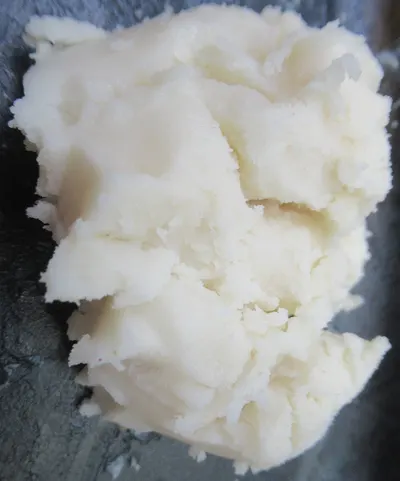
The animal fat products - tallow, animal fat, and fat greases - are typically rendered materials used in livestock feed formulations and in the manufacture of biodiesel or soap. Used cooking oil is listed as a separate product, indicating a stream of post‑consumer oil collected for re‑refining or biodiesel production. Bone (crushed and meal) and animal skins, including cow and buffalo salted dry skin, are standard inputs for the feed and leather industries. The product mix suggests that Tradimex Anhtrang Co. Ltd. targets downstream processors that require bulk quantities of rendered animal by‑products for further conversion.
Product Range and Specialties of Tradimex Anhtrang Co. Ltd.
Tradimex Anhtrang Co. Ltd. offers tallow, animal fat and fat greases, which in the rendering industry are usually supplied in grades such as 0.5 % moisture, iodine value below 30, and free fatty acid (FFA) under 1 %. Animal feed fats are often required to meet the EU Feed Directive limits for contaminants, with maximum heavy‑metal concentrations of 5 mg kg⁻¹ for lead and 0.1 mg kg⁻¹ for dioxins. Used cooking oil listed by the supplier is commonly processed to meet specifications of ≤5 % FFA, ≤0.1 % moisture, and a flash point above 200 °C for safe handling. Bone meal is typically graded by calcium content of 30 - 40 % and phosphorus content of 18 - 22 %, with particle size distribution of 0.5 - 2 mm for feed use. Animal skins and salted dry skins are usually dried to a moisture level below 12 % and may be graded by hide thickness, ranging from 1.5 mm to 3 mm for leather processing. Fat greases used in industrial lubricants are often formulated to ISO VG grades, with viscosity ranges from 10 cSt to 100 cSt at 40 °C.
Frequently Asked Questions About Tradimex Anhtrang Co. Ltd.
What animal fat products does Tradimex Anhtrang Co. Ltd. provide?
The supplier lists tallow, animal fat and fat greases, which are rendered products commonly used in livestock feed, biodiesel production and industrial greases. These fats are typically delivered with moisture below 0.5 % and free fatty acid levels under 1 %.
Which specifications apply to the used cooking oil offered by Tradimex Anhtrang Co. Ltd.?
Used cooking oil from the supplier is usually required to meet ≤5 % free fatty acid, ≤0.1 % moisture, a flash point above 200 °C, and compliance with EU food‑feed contaminant limits such as lead below 5 mg kg⁻¹.
What documentation should a buyer request before purchasing from Tradimex Anhtrang Co. Ltd.?
Buyers should ask for a certificate of analysis, the supplier’s HACCP or ISO 22000 food‑safety certification, ISO 9001 quality‑management certificate, and any required phytosanitary or export permits.
What are the typical quality parameters for the bone (crushed and meal) product?
Bone meal is generally graded by calcium content of 30 - 40 %, phosphorus content of 18 - 22 %, particle size of 0.5 - 2 mm, and must satisfy heavy‑metal limits set by the EU Feed Directive.
How are animal skins and salted dry skins prepared for export?
The skins are dried to a moisture content below 12 % and may be sorted by thickness (1.5 - 3 mm). Salting is performed with sodium chloride at a typical concentration of 10 % to inhibit microbial growth during transport.
Viet NamRelated Suppliers & Products
Explore similar suppliers, related products and trending categories