TradeC — Verified Supplier

About TradeC - Spices Supplier in Sri Lanka

TradeC operates out of Sri Lanka and currently lists five distinct products in its catalogue. The active product count of five includes cloves, coir dust, natural Ceylon cinnamon, black pepper, and organic compost. The cinnamon entry specifies HS code 0905.21 and identifies the material as natural Ceylon cinnamon (Cinnamomum verum). The remaining items are listed without HS codes in the supplied data but fall under typical spice and coir product classifications. TradeC’s catalogue reflects its focus on agricultural commodities commonly exported from Sri Lanka.

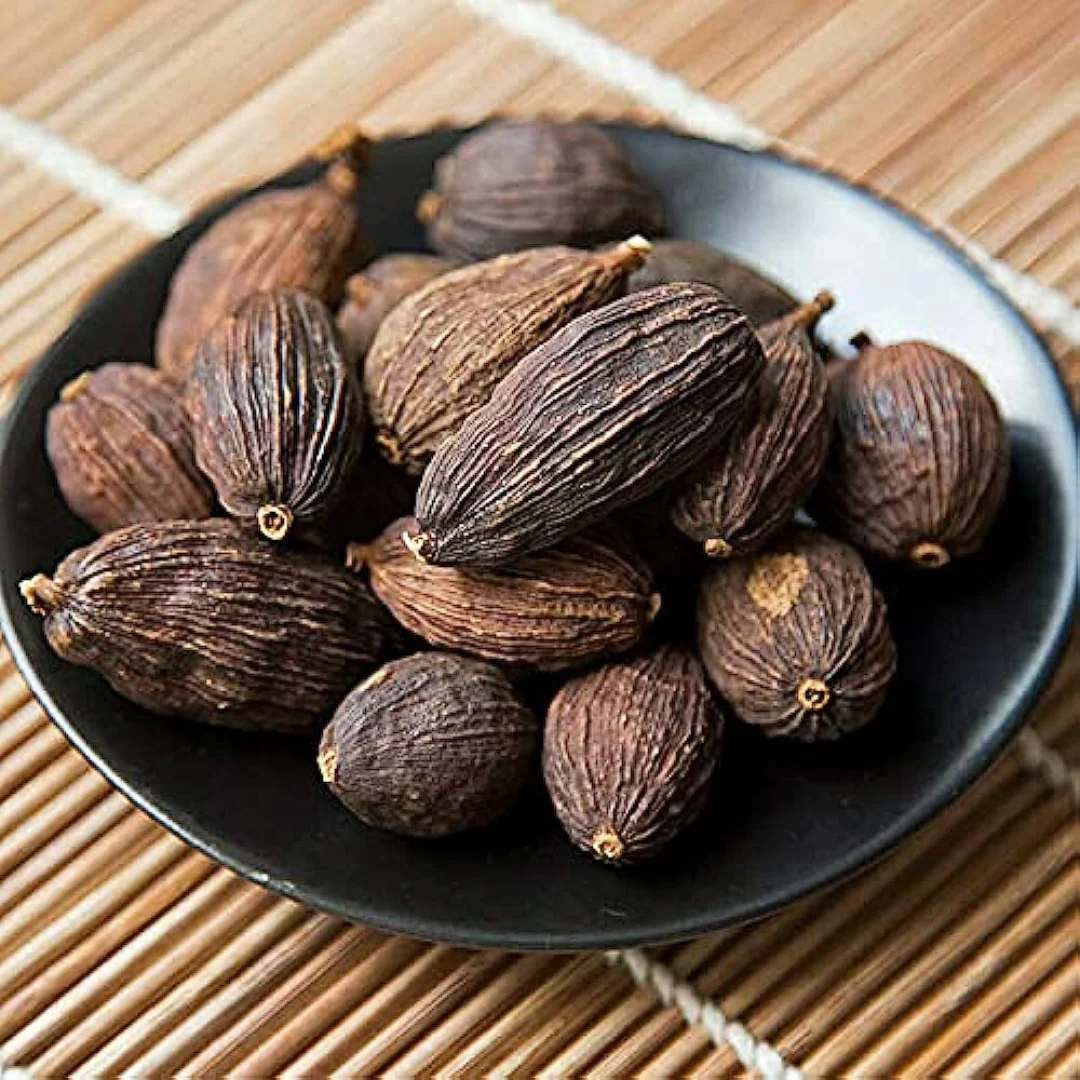
Beyond the catalogue, TradeC’s top categories are recorded as cloves, other coir products, black cardamom, pepper, and soil conditioners. This indicates that the supplier engages with both spice and fiber‑based agricultural inputs. While black cardamom is not detailed in the current product list, it is recognized as a separate spice category. The inclusion of organic compost under soil conditioners suggests activity in the horticultural amendment market. All listed items originate from Sri Lanka, a recognized exporter of high‑quality spices and coir derivatives.

Product Range and Specialties of TradeC

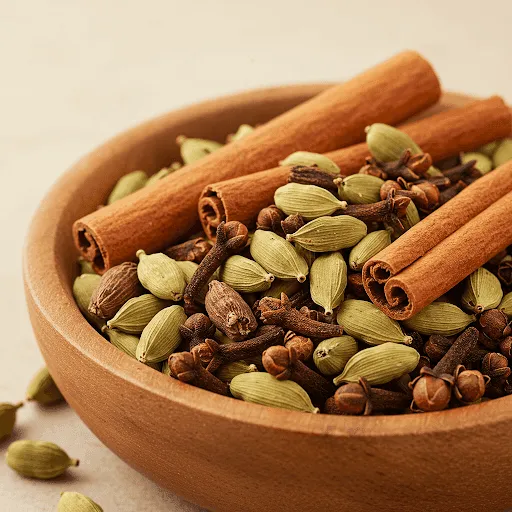
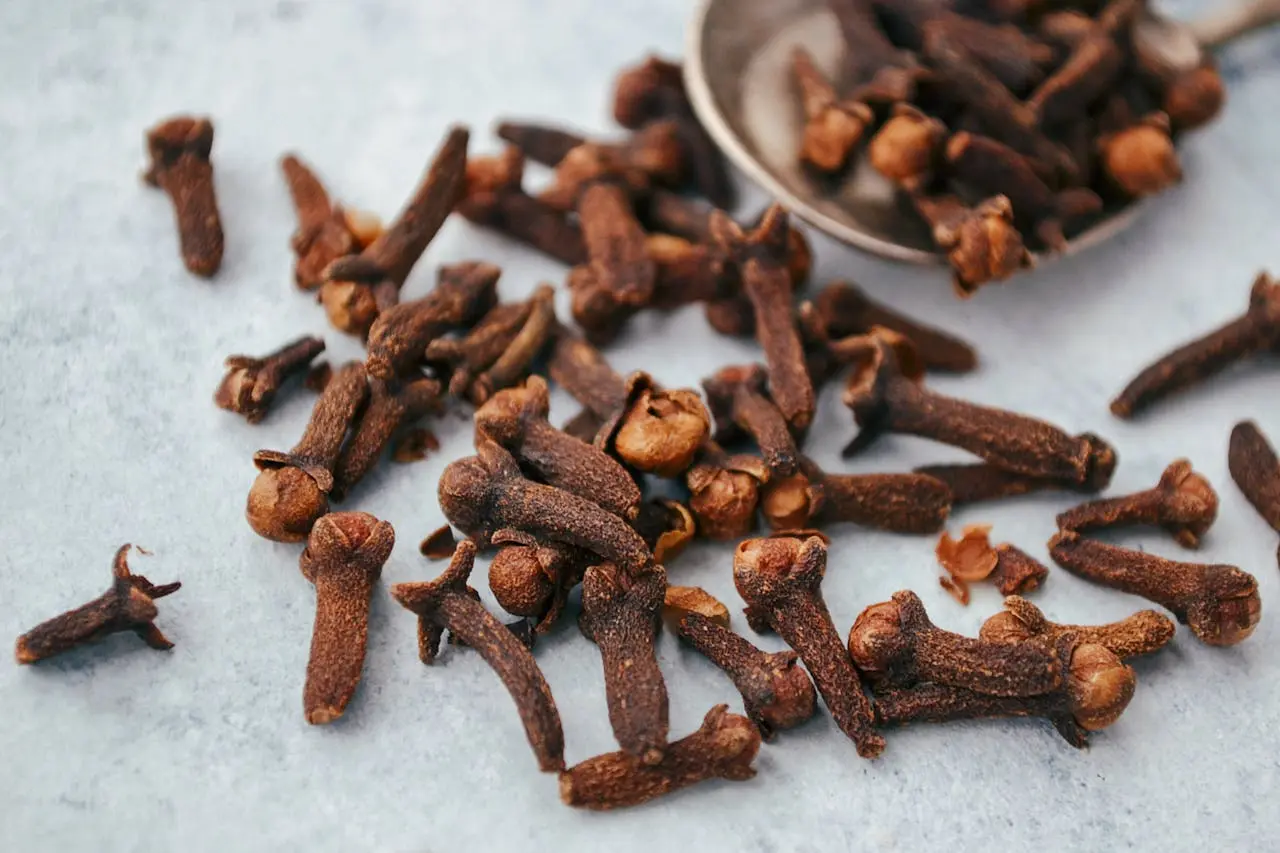
TradeC’s catalogue comprises cloves, coir dust, natural Ceylon cinnamon (HS 0905.21), black pepper, and organic compost. In the spice sector, cloves are typically graded by size and oil content, with commercial grades ranging from whole cloves of 6‑8 mm length to split clove pieces, and essential oil content often measured above 5 % by weight. Black pepper is commonly supplied as whole peppercorns graded by size (e.g., 5 mm, 7 mm) and piperine content, which usually exceeds 5 % for export quality. Ceylon cinnamon is distinguished by its thin quills and low coumarin levels, with the premium grade meeting ISO 6678 specifications for moisture below 12 % and ash content under 6 %.

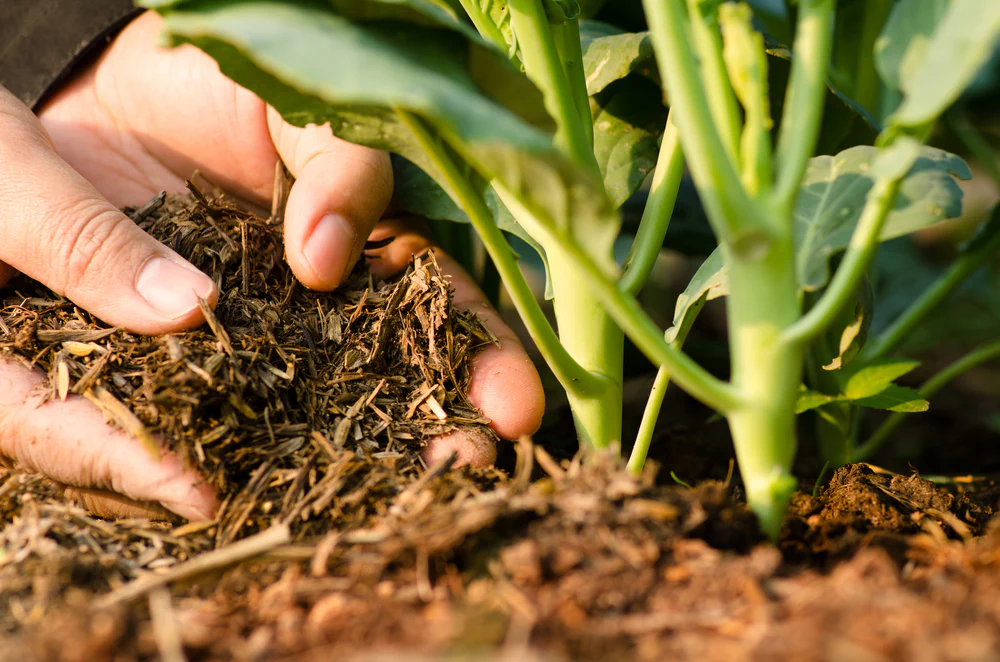
Coir dust, classified under HS 5702, is produced from the fiber residue of coconut husks and is usually specified by bulk density (150‑200 kg/m³) and moisture content below 12 %. It serves as a growing medium component and as a soil amendment. Organic compost, falling under HS 3105, is evaluated by carbon‑to‑nitrogen (C/N) ratio, typically between 10:1 and 15:1, and by pathogen‑free status confirmed through laboratory testing. Standard packaging for these bulk commodities includes 20‑ft or 40‑ft containers with moisture‑resistant liners.

Trade and Export Information - TradeC

Sri Lanka is a major exporter of spices such as cloves, black pepper, and Ceylon cinnamon, with primary markets in the European Union, United States, and Middle East. These commodities are classified under Chapter 09 of the HS system (e.g., HS 0907 for cloves, HS 0904.11 for black pepper, HS 0905.21 for cinnamon) and are subject to phytosanitary inspections and residue limits set by importing countries. Coir products, including coir dust, are exported under HS 5702 and are widely used in horticulture and furniture manufacturing in Southeast Asia and Europe. Organic compost is shipped under HS 3105 and often requires organic certification such as EU organic or USDA NOP for premium markets.

Typical export logistics involve loading bulk commodities into 20‑ft or 40‑ft containers with moisture‑proof liners, and Incoterms such as FOB Colombo or CIF are commonly used. Buyers frequently request certificates of analysis, phytosanitary certificates, and where applicable, ISO 22000 or HACCP compliance for spice products. For coir and compost, material safety data sheets (MSDS) and organic certification documents are standard. TradeC’s target markets are not specified in the supplied data, so suppliers generally engage with buyers in food processing, spice blending, and horticultural sectors worldwide.

Sourcing from TradeC - Buyer Guidance

Prospective buyers should request a detailed specification sheet for each product, including moisture content, particle size distribution for coir dust, and essential oil percentages for cloves and pepper. For cinnamon, verification of coumarin levels and compliance with ISO 6678 is advisable. Organic compost buyers should obtain a lab report showing C/N ratio, pH, and absence of pathogens, as well as proof of organic certification.

Samples should be evaluated against the cited quality parameters before placing a full order, and buyers may ask for a certificate of analysis issued by an accredited laboratory. Typical minimum order quantities for bulk spices range from 500 kg to 1 ton per shipment, while coir dust and compost are often ordered in container loads of 15‑20 tons. Lead times for Sri Lankan exporters generally span 30‑45 days from order confirmation, subject to seasonal harvest cycles.

Frequently Asked Questions About TradeC

What HS codes apply to TradeC’s spice products?

TradeC’s cloves fall under HS 0907, black pepper under HS 0904.11, and its Ceylon cinnamon is listed with HS 0905.21 as provided in the catalogue.

What quality parameters should buyers check for cloves?

Buyers should verify clove size (6‑8 mm whole), essential oil content above 5 % by weight, moisture below 12 %, and absence of foreign matter.

How is coir dust quality measured?

Coir dust is typically assessed by bulk density (150‑200 kg/m³), moisture content under 12 %, and particle size distribution suitable for growing media.

What certifications are commonly required for Sri Lankan spices?

Importers often request ISO 22000 or HACCP compliance, phytosanitary certificates, and where organic claims are made, EU organic or USDA NOP certification.

What are the typical packaging and shipping methods for TradeC’s products?

Spices are usually packed in food‑grade polyethylene bags or bulk containers, while coir dust and organic compost are loaded in 20‑ft or 40‑ft containers with moisture‑resistant liners, using FOB Colombo or CIF terms.

What documentation should be obtained for organic compost?

Buyers should ask for a certificate of analysis showing C/N ratio, pH, pathogen test results, and an organic certification document confirming compliance with recognized standards.

What is the typical lead time for orders from TradeC?

Lead times generally range from 30 to 45 days after order confirmation, depending on harvest timing and container availability.

Featured Products from this Supplier

Other Suppliers in Primary Category

Top Trusted Suppliers

Related Products

Trending in Parent Category

More Suppliers in Category

Related Products

Other Suppliers

EximNext
58.5K+ live requirements
Register Free🎁 Reach verified global buyers
Post Requirement
🌍 Trusted by 224.6K+ businesses in 200+ countries|
58.5K+ active requirements right now
✉️ [email protected]
|
Sell on EximNextPost Requirement
EximNext
AgricultureApparelConstructionElectronicFoodHomeIndustrialMineralsMiscellaneous
🔥 Deals|✨ AI Match|🏭 Suppliers|📋 Buy Leads|💰 Trade Finance
58.5K+ live RFQs·194.6K+ suppliers
🎁 Reach global buyers →
EximNext
EximNext
Register Free
🎁 Reach verified global buyers
Sign In
📋Post Requirement💬Get QuotesAI Match📋RFQ Marketplace
All Categories
Services & Tools
🏭Supplier Directory🔥Today's Deals💰Trade Finance
Sell on EximNext
AboutContactBlogHelp
🏭

TradeC

Harbor
Country flag , Sri Lanka
🛡️
54/100
Trust Score

TradeC Product Catalog

Showing 5 of 5 products
View all products →
Organic Compost
Harbor
Organic Compost
Contact
MOQ: 1 Unit
Cinnamon
Harbor
Cinnamon
Contact
MOQ: 1 Unit
Black Pepper
Harbor
Black Pepper
Contact
MOQ: 1 Unit
Coir Dust
Harbor
Coir Dust
Contact
MOQ: 1 Unit
Cloves
Harbor
Cloves
Contact
MOQ: 1 Unit

About TradeC - Spices Supplier in Sri Lanka

TradeC operates out of Sri Lanka and currently lists five distinct products in its catalogue. The active product count of five includes cloves, coir dust, natural Ceylon cinnamon, black pepper, and organic compost. The cinnamon entry specifies HS code 0905.21 and identifies the material as natural Ceylon cinnamon (Cinnamomum verum). The remaining items are listed without HS codes in the supplied data but fall under typical spice and coir product classifications. TradeC’s catalogue reflects its focus on agricultural commodities commonly exported from Sri Lanka.

Beyond the catalogue, TradeC’s top categories are recorded as cloves, other coir products, black cardamom, pepper, and soil conditioners. This indicates that the supplier engages with both spice and fiber‑based agricultural inputs. While black cardamom is not detailed in the current product list, it is recognized as a separate spice category. The inclusion of organic compost under soil conditioners suggests activity in the horticultural amendment market. All listed items originate from Sri Lanka, a recognized exporter of high‑quality spices and coir derivatives.

Product Range and Specialties of TradeC

TradeC’s catalogue comprises cloves, coir dust, natural Ceylon cinnamon (HS 0905.21), black pepper, and organic compost. In the spice sector, cloves are typically graded by size and oil content, with commercial grades ranging from whole cloves of 6‑8 mm length to split clove pieces, and essential oil content often measured above 5 % by weight. Black pepper is commonly supplied as whole peppercorns graded by size (e.g., 5 mm, 7 mm) and piperine content, which usually exceeds 5 % for export quality. Ceylon cinnamon is distinguished by its thin quills and low coumarin levels, with the premium grade meeting ISO 6678 specifications for moisture below 12 % and ash content under 6 %.

Coir dust, classified under HS 5702, is produced from the fiber residue of coconut husks and is usually specified by bulk density (150‑200 kg/m³) and moisture content below 12 %. It serves as a growing medium component and as a soil amendment. Organic compost, falling under HS 3105, is evaluated by carbon‑to‑nitrogen (C/N) ratio, typically between 10:1 and 15:1, and by pathogen‑free status confirmed through laboratory testing. Standard packaging for these bulk commodities includes 20‑ft or 40‑ft containers with moisture‑resistant liners.

Trade and Export Information - TradeC

Sri Lanka is a major exporter of spices such as cloves, black pepper, and Ceylon cinnamon, with primary markets in the European Union, United States, and Middle East. These commodities are classified under Chapter 09 of the HS system (e.g., HS 0907 for cloves, HS 0904.11 for black pepper, HS 0905.21 for cinnamon) and are subject to phytosanitary inspections and residue limits set by importing countries. Coir products, including coir dust, are exported under HS 5702 and are widely used in horticulture and furniture manufacturing in Southeast Asia and Europe. Organic compost is shipped under HS 3105 and often requires organic certification such as EU organic or USDA NOP for premium markets.

Typical export logistics involve loading bulk commodities into 20‑ft or 40‑ft containers with moisture‑proof liners, and Incoterms such as FOB Colombo or CIF are commonly used. Buyers frequently request certificates of analysis, phytosanitary certificates, and where applicable, ISO 22000 or HACCP compliance for spice products. For coir and compost, material safety data sheets (MSDS) and organic certification documents are standard. TradeC’s target markets are not specified in the supplied data, so suppliers generally engage with buyers in food processing, spice blending, and horticultural sectors worldwide.

Sourcing from TradeC - Buyer Guidance

Prospective buyers should request a detailed specification sheet for each product, including moisture content, particle size distribution for coir dust, and essential oil percentages for cloves and pepper. For cinnamon, verification of coumarin levels and compliance with ISO 6678 is advisable. Organic compost buyers should obtain a lab report showing C/N ratio, pH, and absence of pathogens, as well as proof of organic certification.

Samples should be evaluated against the cited quality parameters before placing a full order, and buyers may ask for a certificate of analysis issued by an accredited laboratory. Typical minimum order quantities for bulk spices range from 500 kg to 1 ton per shipment, while coir dust and compost are often ordered in container loads of 15‑20 tons. Lead times for Sri Lankan exporters generally span 30‑45 days from order confirmation, subject to seasonal harvest cycles.

Frequently Asked Questions About TradeC

What HS codes apply to TradeC’s spice products?

TradeC’s cloves fall under HS 0907, black pepper under HS 0904.11, and its Ceylon cinnamon is listed with HS 0905.21 as provided in the catalogue.

What quality parameters should buyers check for cloves?

Buyers should verify clove size (6‑8 mm whole), essential oil content above 5 % by weight, moisture below 12 %, and absence of foreign matter.

How is coir dust quality measured?

Coir dust is typically assessed by bulk density (150‑200 kg/m³), moisture content under 12 %, and particle size distribution suitable for growing media.

What certifications are commonly required for Sri Lankan spices?

Importers often request ISO 22000 or HACCP compliance, phytosanitary certificates, and where organic claims are made, EU organic or USDA NOP certification.

What are the typical packaging and shipping methods for TradeC’s products?

Spices are usually packed in food‑grade polyethylene bags or bulk containers, while coir dust and organic compost are loaded in 20‑ft or 40‑ft containers with moisture‑resistant liners, using FOB Colombo or CIF terms.

What documentation should be obtained for organic compost?

Buyers should ask for a certificate of analysis showing C/N ratio, pH, pathogen test results, and an organic certification document confirming compliance with recognized standards.

What is the typical lead time for orders from TradeC?

Lead times generally range from 30 to 45 days after order confirmation, depending on harvest timing and container availability.

About TradeC - Spices Supplier in Sri Lanka

TradeC operates out of Sri Lanka and currently lists five distinct products in its catalogue. The active product count of five includes cloves, coir dust, natural Ceylon cinnamon, black pepper, and organic compost. The cinnamon entry specifies HS code 0905.21 and identifies the material as natural Ceylon cinnamon (Cinnamomum verum). The remaining items are listed without HS codes in the supplied data but fall under typical spice and coir product classifications. TradeC’s catalogue reflects its focus on agricultural commodities commonly exported from Sri Lanka.

Beyond the catalogue, TradeC’s top categories are recorded as cloves, other coir products, black cardamom, pepper, and soil conditioners. This indicates that the supplier engages with both spice and fiber‑based agricultural inputs. While black cardamom is not detailed in the current product list, it is recognized as a separate spice category. The inclusion of organic compost under soil conditioners suggests activity in the horticultural amendment market. All listed items originate from Sri Lanka, a recognized exporter of high‑quality spices and coir derivatives.

Product Range and Specialties of TradeC

TradeC’s catalogue comprises cloves, coir dust, natural Ceylon cinnamon (HS 0905.21), black pepper, and organic compost. In the spice sector, cloves are typically graded by size and oil content, with commercial grades ranging from whole cloves of 6‑8 mm length to split clove pieces, and essential oil content often measured above 5 % by weight. Black pepper is commonly supplied as whole peppercorns graded by size (e.g., 5 mm, 7 mm) and piperine content, which usually exceeds 5 % for export quality. Ceylon cinnamon is distinguished by its thin quills and low coumarin levels, with the premium grade meeting ISO 6678 specifications for moisture below 12 % and ash content under 6 %.

Coir dust, classified under HS 5702, is produced from the fiber residue of coconut husks and is usually specified by bulk density (150‑200 kg/m³) and moisture content below 12 %. It serves as a growing medium component and as a soil amendment. Organic compost, falling under HS 3105, is evaluated by carbon‑to‑nitrogen (C/N) ratio, typically between 10:1 and 15:1, and by pathogen‑free status confirmed through laboratory testing. Standard packaging for these bulk commodities includes 20‑ft or 40‑ft containers with moisture‑resistant liners.

Trade and Export Information - TradeC

Sri Lanka is a major exporter of spices such as cloves, black pepper, and Ceylon cinnamon, with primary markets in the European Union, United States, and Middle East. These commodities are classified under Chapter 09 of the HS system (e.g., HS 0907 for cloves, HS 0904.11 for black pepper, HS 0905.21 for cinnamon) and are subject to phytosanitary inspections and residue limits set by importing countries. Coir products, including coir dust, are exported under HS 5702 and are widely used in horticulture and furniture manufacturing in Southeast Asia and Europe. Organic compost is shipped under HS 3105 and often requires organic certification such as EU organic or USDA NOP for premium markets.

Typical export logistics involve loading bulk commodities into 20‑ft or 40‑ft containers with moisture‑proof liners, and Incoterms such as FOB Colombo or CIF are commonly used. Buyers frequently request certificates of analysis, phytosanitary certificates, and where applicable, ISO 22000 or HACCP compliance for spice products. For coir and compost, material safety data sheets (MSDS) and organic certification documents are standard. TradeC’s target markets are not specified in the supplied data, so suppliers generally engage with buyers in food processing, spice blending, and horticultural sectors worldwide.

Sourcing from TradeC - Buyer Guidance

Prospective buyers should request a detailed specification sheet for each product, including moisture content, particle size distribution for coir dust, and essential oil percentages for cloves and pepper. For cinnamon, verification of coumarin levels and compliance with ISO 6678 is advisable. Organic compost buyers should obtain a lab report showing C/N ratio, pH, and absence of pathogens, as well as proof of organic certification.

Samples should be evaluated against the cited quality parameters before placing a full order, and buyers may ask for a certificate of analysis issued by an accredited laboratory. Typical minimum order quantities for bulk spices range from 500 kg to 1 ton per shipment, while coir dust and compost are often ordered in container loads of 15‑20 tons. Lead times for Sri Lankan exporters generally span 30‑45 days from order confirmation, subject to seasonal harvest cycles.

Frequently Asked Questions About TradeC
What HS codes apply to TradeC’s spice products?
TradeC’s cloves fall under HS 0907, black pepper under HS 0904.11, and its Ceylon cinnamon is listed with HS 0905.21 as provided in the catalogue.
What quality parameters should buyers check for cloves?
Buyers should verify clove size (6‑8 mm whole), essential oil content above 5 % by weight, moisture below 12 %, and absence of foreign matter.
How is coir dust quality measured?
Coir dust is typically assessed by bulk density (150‑200 kg/m³), moisture content under 12 %, and particle size distribution suitable for growing media.
What certifications are commonly required for Sri Lankan spices?
Importers often request ISO 22000 or HACCP compliance, phytosanitary certificates, and where organic claims are made, EU organic or USDA NOP certification.
What are the typical packaging and shipping methods for TradeC’s products?
Spices are usually packed in food‑grade polyethylene bags or bulk containers, while coir dust and organic compost are loaded in 20‑ft or 40‑ft containers with moisture‑resistant liners, using FOB Colombo or CIF terms.
What documentation should be obtained for organic compost?
Buyers should ask for a certificate of analysis showing C/N ratio, pH, pathogen test results, and an organic certification document confirming compliance with recognized standards.
What is the typical lead time for orders from TradeC?
Lead times generally range from 30 to 45 days after order confirmation, depending on harvest timing and container availability.

🏭
TradeC
Country flag , Sri Lanka
Harbor
54/100
Trust Score
📦
5
Products
Free to contact — no commission
Escrow payment available
Verified business identity
Compare more suppliers
Post a requirement — get 10 quotes free
Let verified suppliers compete for your business. Free, fast, no commitment.
EximNext Verified Supplier
Business identity verified
Physical address confirmed
Financial history checked
Certifications authenticated
Trade references validated
Due Diligence
Verify this supplier's real shipping history.
Every shipment, every buyer, every port. Trade data that can't be faked.
Run due diligence →
Discover More

Related Suppliers & Products

Explore similar suppliers, related products and trending categories

Featured Products from this Supplier

Other Suppliers in Primary Category

Top Trusted Suppliers

Related Products

Trending in Parent Category

More Suppliers in Category

Stay ahead in global trade
Weekly market insights & new supplier alerts.
EximNext
Exim Next is a leading global B2B marketplace, connecting over 205,000 verified suppliers and buyers across 200+ countries. As a trusted import export marketplace, it serves as the essential B2B portal for businesses worldwide, empowering them to expand their international reach. With Exim Next, businesses can trade smarter and grow faster.
SECURE PAYMENTS
VISAMastercardPayPalSWIFTL/CEscrow
Follow us
© 2026 EximNext