Tora Exports Private Limited — Verified Supplier
About Tora Exports Private Limited - Basmati Rice Supplier in India
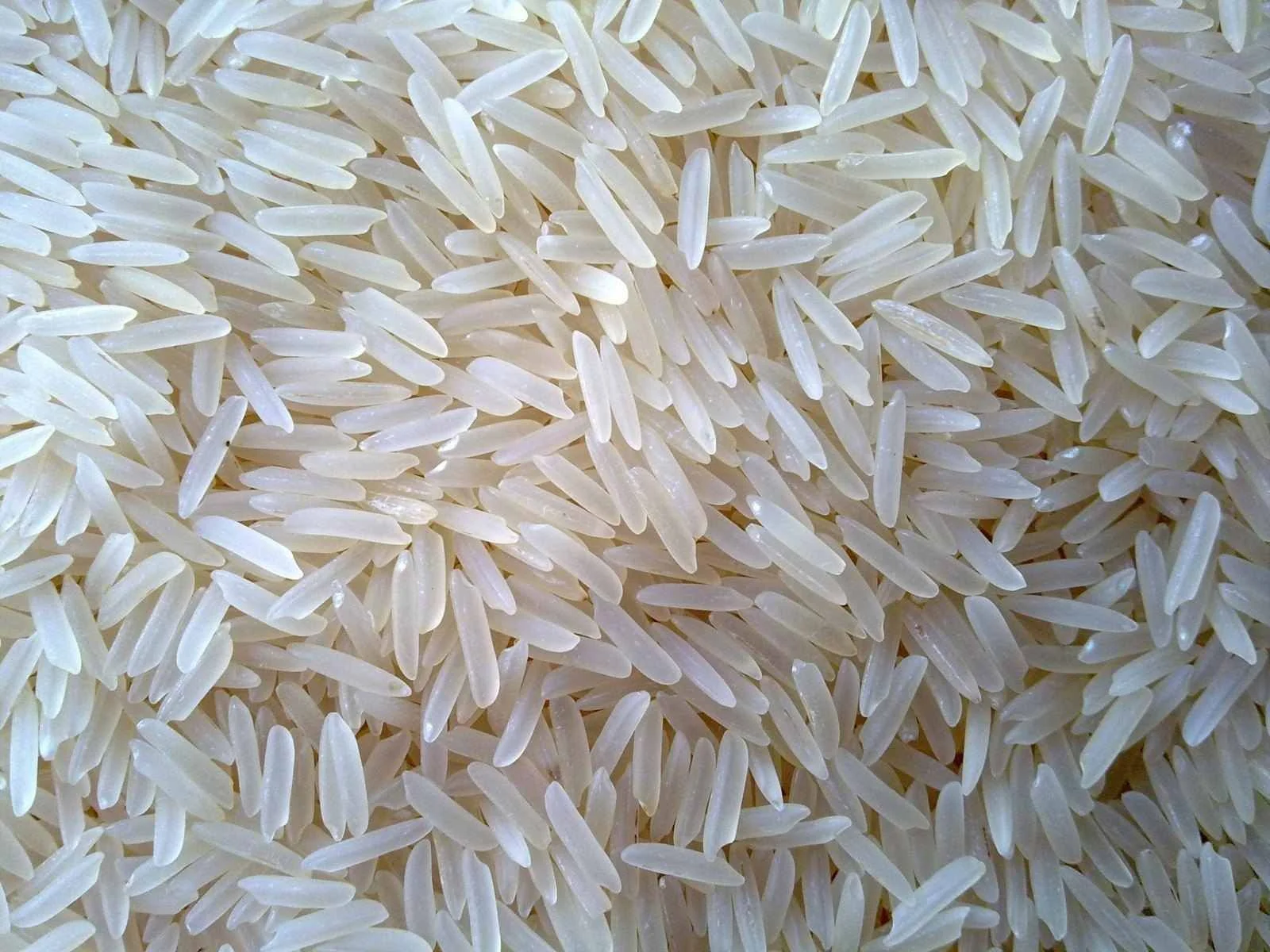
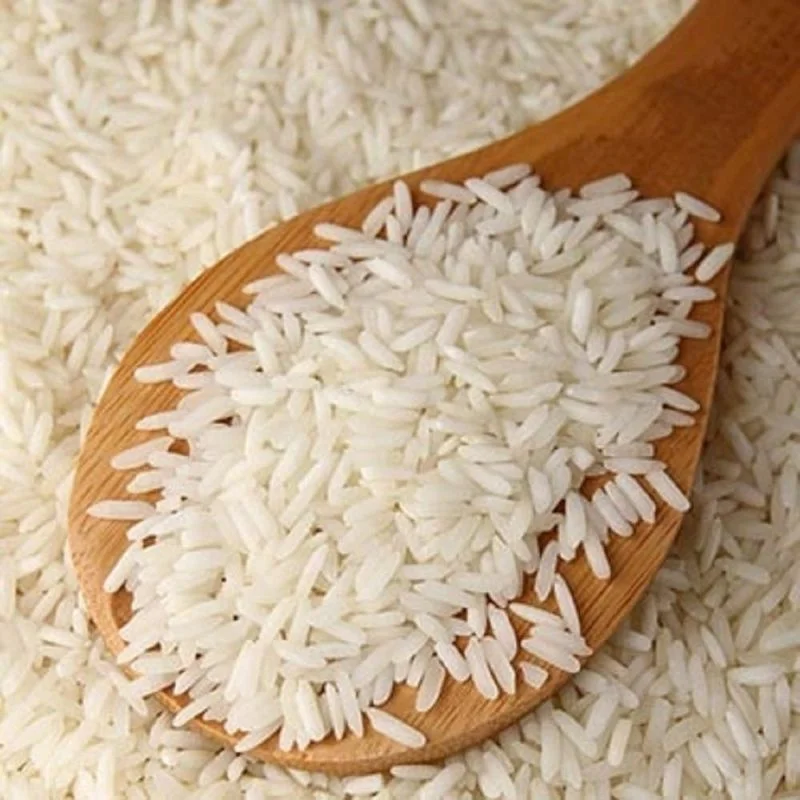
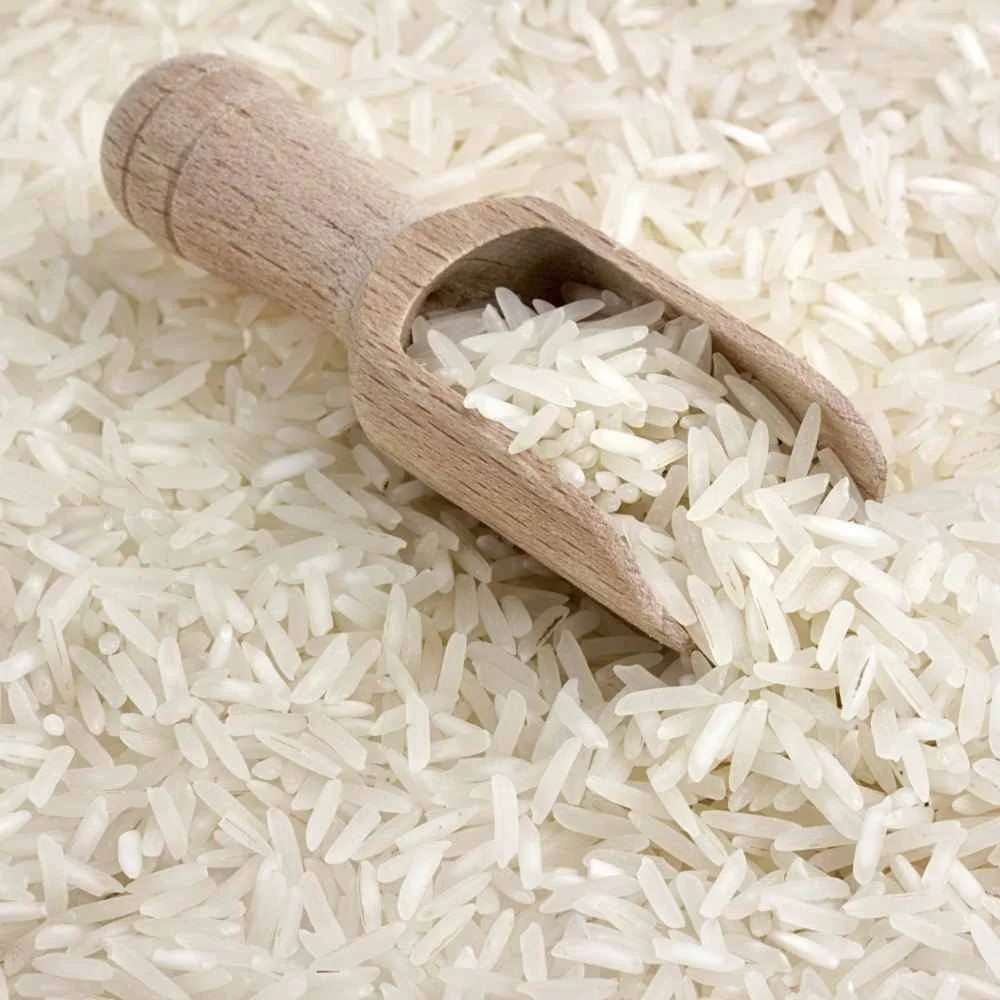
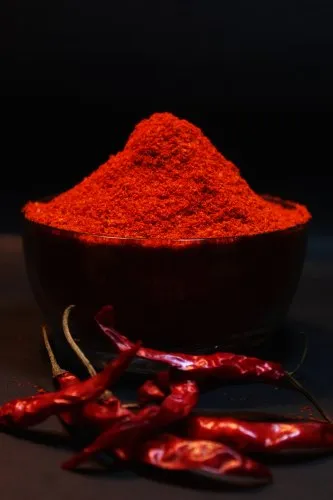
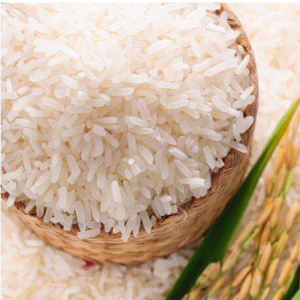
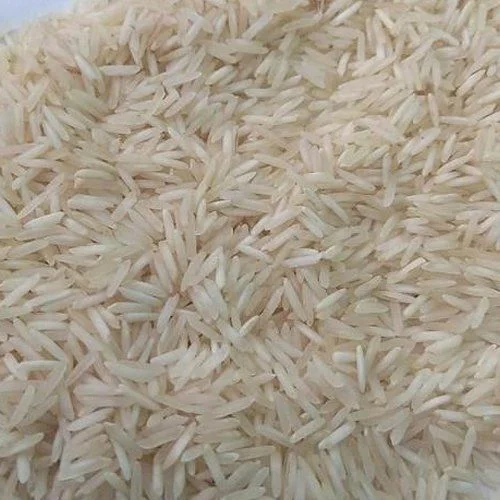
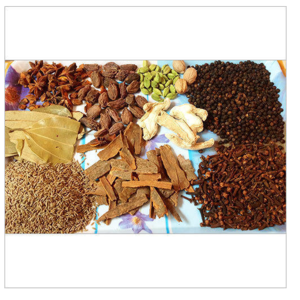
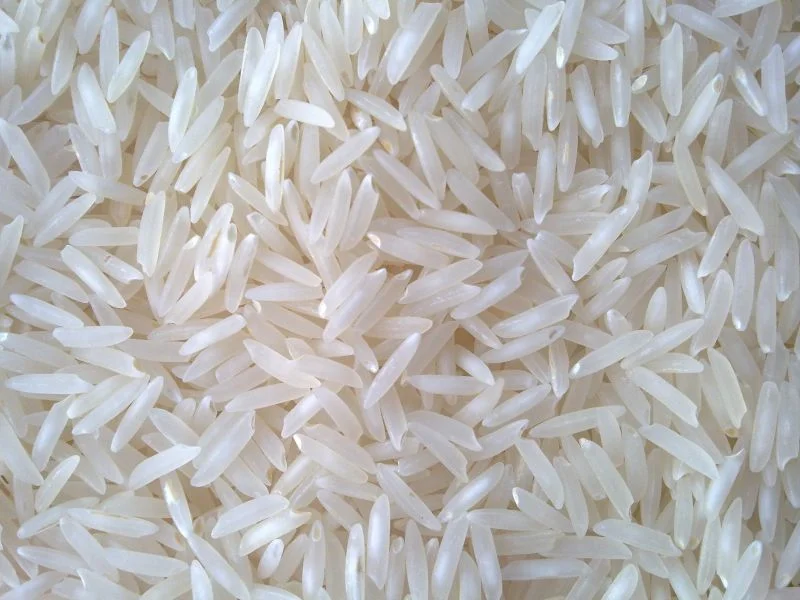
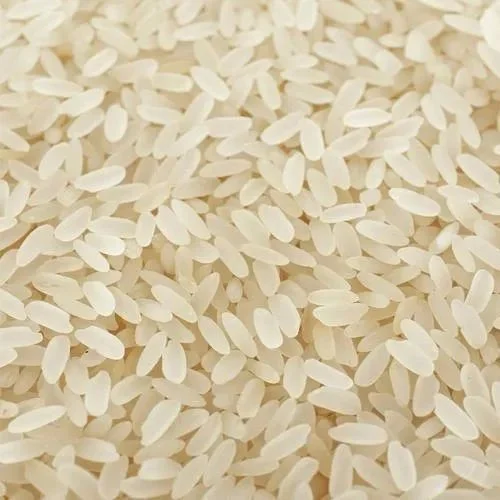
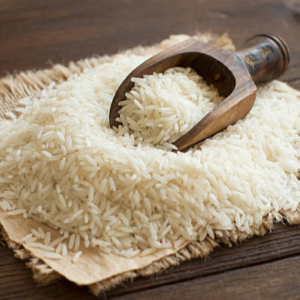
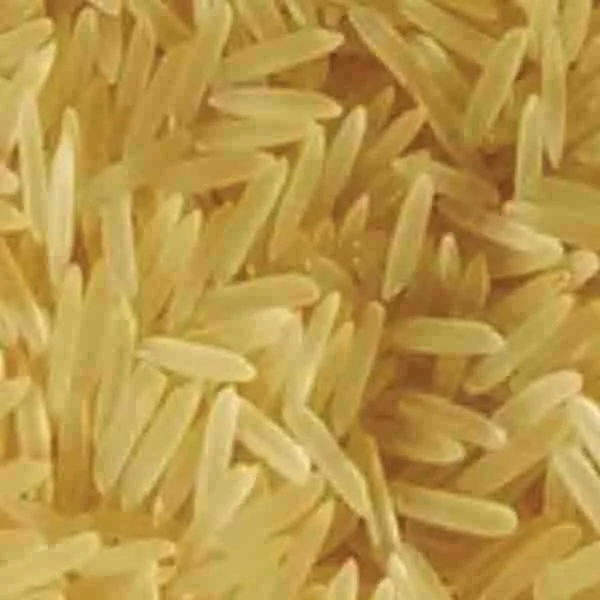
India hosts Tora Exports Private Limited, which currently lists 14 active agricultural products. The catalogue includes Basmati Rice, Pusa Rice, Non‑Basmati Rice, Chickpeas (Kabuli Chana), Pigeon Peas, Green Beans, Black Matpe, Red Kidney Beans, Black‑Eyed Peas, Lentils, Yellow Turmeric, Red Chilli, Cumin and Carom seeds. Each entry is recorded under the supplier’s trust tier “harbor”, indicating a mid‑level verification level within the platform. The product list spans cereals, pulses and spices, reflecting a typical Indian export portfolio of grain‑based commodities.
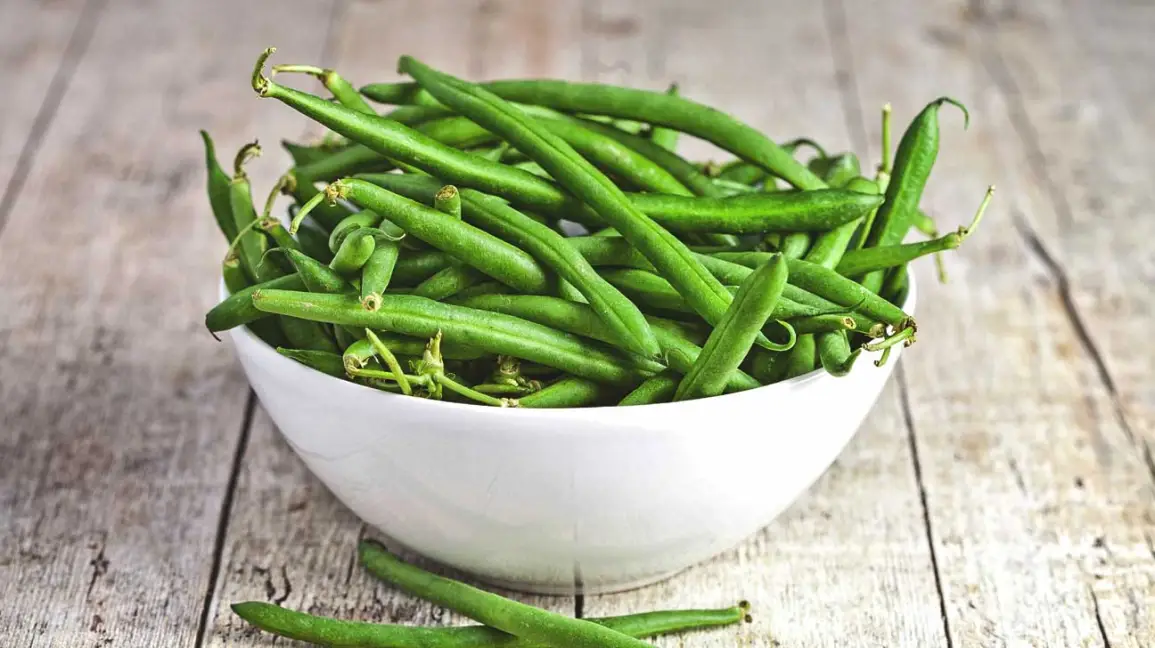
The rice entries (Basmati Rice, Pusa Rice and Non‑Basmati Rice) fall under HS chapter 10 with the specific code 1006.30 for polished long‑grain rice. Green Beans are recorded with HS code 0713.90, the classification for dried beans and other vegetables. The remaining pulses and spices are listed without HS codes in the supplied data, but they belong to HS chapters 07 (edible vegetables) and 09 (spices) respectively. This structure allows buyers to locate the appropriate tariff lines for customs clearance and trade documentation.
Product Range and Specialties of Tora Exports Private Limited
The supplier’s catalogue groups products into three broad categories: rice varieties, pulses and beans, and spice seeds. Within the rice segment, Basmati and Pusa rice are typically graded by kernel length, aroma intensity and moisture content; premium Indian Basmati is often classified as Grade 9‑10 with moisture ≤14 % and broken grain ≤5 %. Non‑Basmati rice generally meets standard long‑grain specifications of 12‑13 % moisture and ≤7 % broken. Pulse items such as Chickpeas, Pigeon Peas, Lentils and various beans are usually evaluated for protein content (typically 20‑25 % for chickpeas) and size uniformity; dried green beans are commonly shipped with a moisture level of 10‑12 %. Spice seeds like Cumin, Carom and Red Chilli are graded by essential oil content and ash levels, with standard packaging in 25 kg polypropylene bags for bulk buyers.
Trade and Export Information - Tora Exports Private Limited
India is a major exporter of Basmati rice, pulses and spices, with primary markets in the Middle East, Africa, Southeast Asia and parts of Europe. HS 1006.30 for Basmati and other long‑grain rice is subject to phytosanitary certificates and, where required, a certificate of origin for preferential duty rates under various trade agreements. HS 0713.90 for dried beans often requires compliance with maximum pesticide residue limits set by the importing country’s food safety authority. Common buyer‑required certifications for Indian grain and spice exporters include ISO 22000, HACCP, FSSAI registration and, for organic claims, USDA‑Organic or EU‑Organic certificates. Standard export logistics involve 20‑foot or 40‑foot containers packed in 25 kg or 50 kg jute/polypropylene bags, with FOB or CIF Incoterms prevailing in most transactions.
Sourcing from Tora Exports Private Limited - Buyer Guidance
Buyers should request a product specification sheet that details moisture content, broken grain percentage, protein level (for pulses) and any relevant pesticide residue test results. A recent laboratory analysis report, preferably from an ISO‑accredited lab, helps verify compliance with the buyer’s quality standards. When sourcing Basmati rice, ask for the grain length‑to‑width ratio and aroma rating (e.g., 5‑point sensory test) to confirm premium grade. For pulses and beans, request uniformity data such as average seed size in millimetres and a declaration of any de‑hulling or polishing processes. Verify that the supplier can provide the necessary phytosanitary certificate, certificate of origin and, if required, an organic certification before finalizing the order.
Frequently Asked Questions About Tora Exports Private Limited
What rice varieties does Tora Exports Private Limited list in its catalogue?
The catalogue includes Basmati Rice, Pusa Rice and a generic Non‑Basmati Rice, all classified under HS code 1006.30 as polished long‑grain rice.
Are HS codes provided for all products?
HS codes are supplied for Basmati Rice, Pusa Rice (both 1006.30) and Green Beans (0713.90). The remaining pulses and spices are listed without HS codes in the provided data.
Which certifications should a buyer verify for Indian rice and pulse exports?
Buyers typically request ISO 22000 or HACCP certification, FSSAI registration, and any applicable organic or fair‑trade certificates. Phytosanitary certificates are also standard for customs clearance.
What is the typical packaging format for the listed spices?
Spices such as Cumin, Carom seeds and Red Chilli are commonly packed in 25 kg polypropylene or jute bags, suitable for bulk container loading.
What quality parameters are important for Green Beans?
Key parameters include moisture content of 10‑12 %, bean length uniformity, and compliance with maximum pesticide residue limits as per the destination market.
How are pulses like Chickpeas and Lentils usually graded?
Grades are based on protein content (around 20‑25 % for chickpeas), seed size uniformity, moisture ≤13 % and absence of foreign matter exceeding 0.5 %.
What documentation is needed to import the listed products into the EU?
Importers should obtain a phytosanitary certificate, a certificate of origin, and ensure the products meet EU maximum residue limits (MRLs). An EU‑conformant lab test report may be requested for spices.
What container sizes are typical for shipping the supplier’s products?
Standard 20‑foot and 40‑foot containers are used, with interior loading of 25 kg or 50 kg bags, allowing full container loads of several tonnes depending on the product density.




 , India