Tmc Metals Sdn Bhd — Verified Supplier
About Tmc Metals Sdn Bhd - Aluminium UBC Scrap Supplier in Malaysia
Malaysia-based Tmc Metals Sdn Bhd lists seven active products in its catalogue. The portfolio covers aluminium UBC scrap, aluminium extrusion, sunflower oil, lead ingots, tin ingots, brass scrap and heavy melting scrap (HMS). Each product is identified with its corresponding HS code, for example aluminium UBC cans are classified under HS 7602.00 and aluminium extrusion under HS 7604.29. The metal products specify material grades such as aluminium content minimum 99%, aluminium alloys 6063‑T5 / 6061‑T6, lead purity 99.9‑99.97% and electrolytic tin purity 99.99%. The sunflower oil entry does not include an HS code in the supplied data.
Product Range and Specialties of Tmc Metals Sdn Bhd
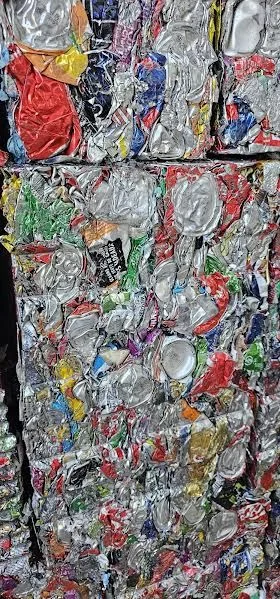
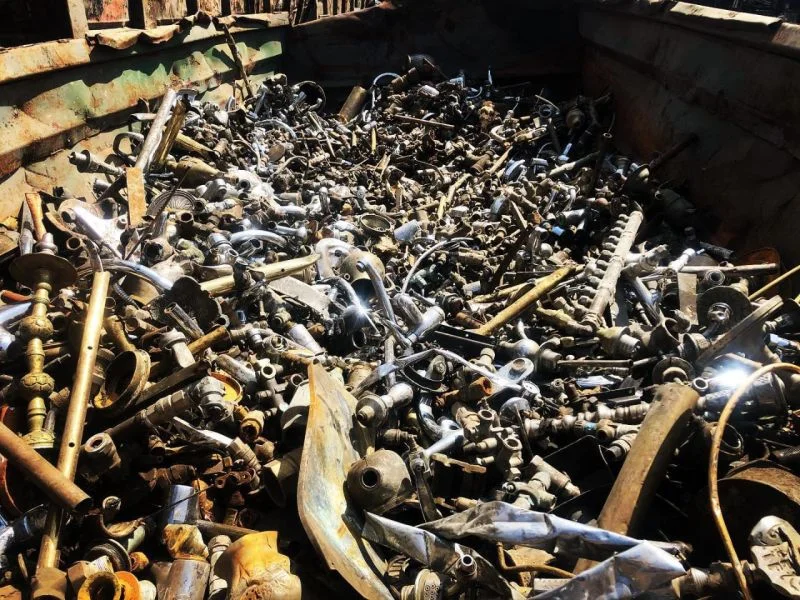
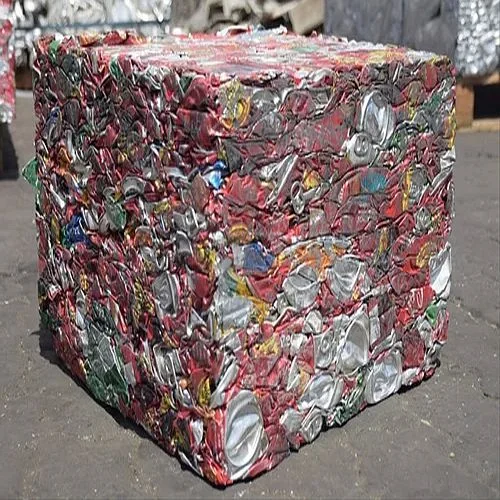
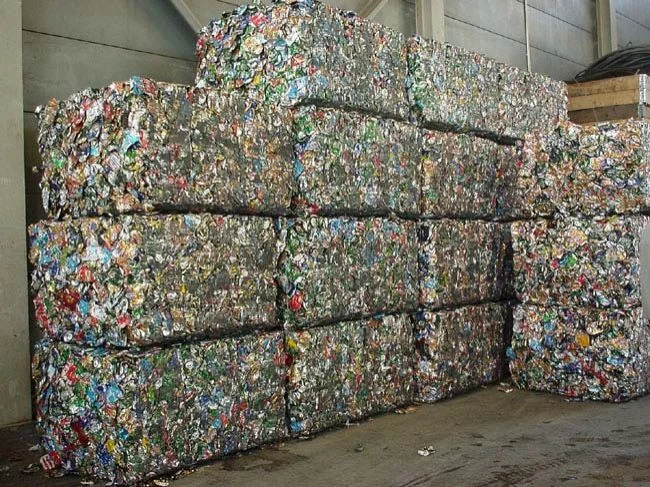
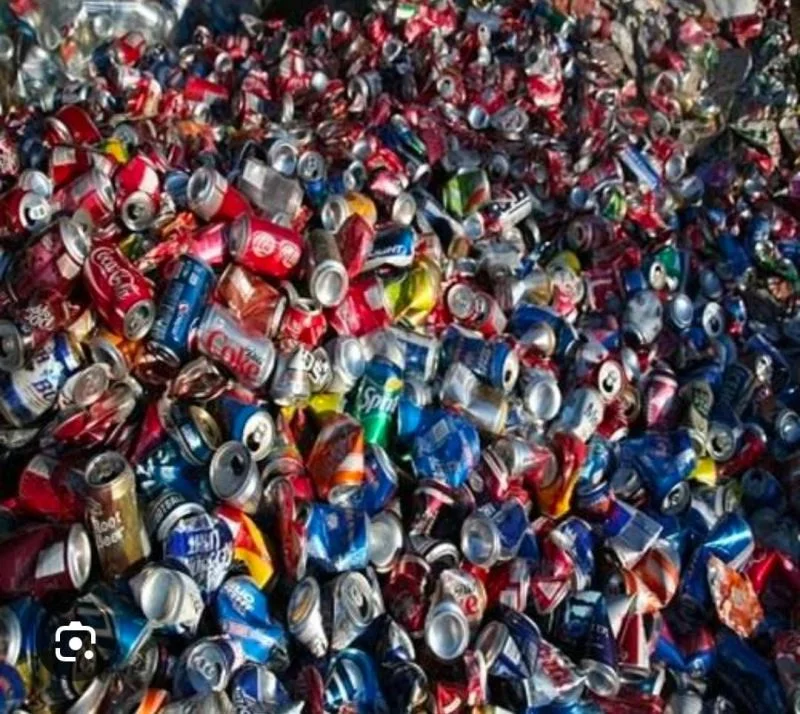
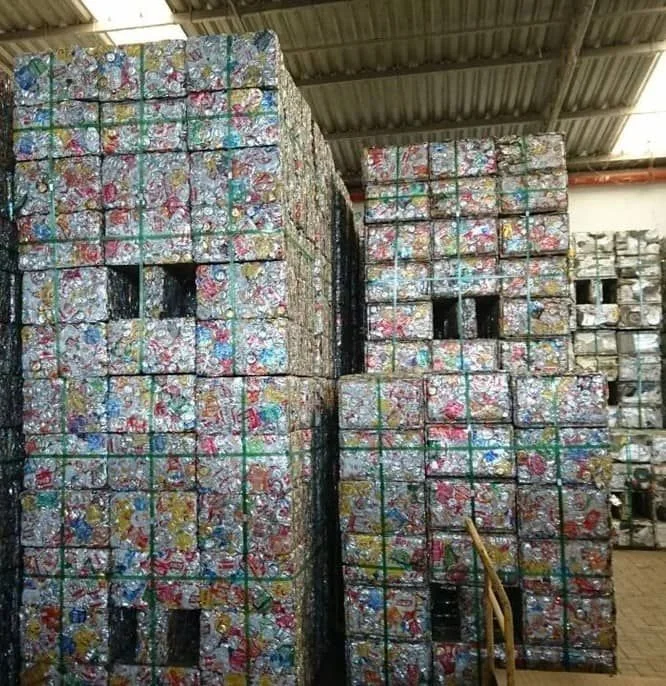
The aluminium UBC scrap listed as "Alumininm UBC Cans" meets the common industry requirement of a minimum 99 % aluminium content and is typically processed in bales or compacted bundles for melt. Aluminium extrusion is supplied as alloy 6063‑T5 or 6061‑T6, grades that are widely used for architectural profiles and structural components, with standard tensile strengths of 190‑310 MPa and surface finish Ra ≤ 0.8 µm. Brass scrap is generally classified as copper‑zinc alloy scrap and is sorted by Cu/Zn ratio; buyers often request a scrap grade report indicating copper content above 55 %. Heavy Melting Scrap (HMS) under HS 7204.10 is standard ferrous scrap graded by size and steel grade, commonly shipped in 1‑ton bundles. Sunflower oil, although without an HS code in the data, is usually traded under HS 1509 and evaluated by ICUMSA colour (typically 35 - 45), free fatty acid content (<0.1 %), and peroxide value (<10 meq O₂/kg). Lead ingots with 99.9 % - 99.97 % purity and tin ingots of 99.99 % electrolytic grade align with the specifications required for battery plates and solder alloys, where assay certificates and lead‑free compliance are routine checks.
Trade and Export Information - Tmc Metals Sdn Bhd
Malaysia is a major exporter of metal scrap and base metals, and its shipments of aluminium UBC, aluminium extrusion, brass scrap, HMS and lead/tin ingots are commonly directed to China, the EU, the United States and South‑East Asian processing hubs. The HS code families present in the catalogue (7602, 7604, 7404, 7204, 7801, 8001) fall under Chapters 76, 74, 72, 78 and 80, which are subject to customs duties that vary by destination and may require a Certificate of Origin and a Material Safety Data Sheet (MSDS). Typical buyer certifications include ISO 9001 quality management, REACH registration for European imports, and, for lead and tin, compliance with the Basel Convention on hazardous waste. Sunflower oil shipments are usually packed in 200 kg stainless steel drums or ISO‑standard bulk containers, with COA (Certificate of Analysis) referencing ICUMSA colour, acidity and peroxide values; common Incoterms are FOB Klang Port or CIF destination port. Export logistics from Malaysia frequently employ 20‑ft or 40‑ft containers for metal ingots and scrap, while bulk oil may use tank containers or break‑bulk handling.
Sourcing from Tmc Metals Sdn Bhd - Buyer Guidance
Buyers should request an assay certificate for each metal product, confirming the aluminium, copper‑zinc, lead or tin purity as listed in the catalogue. For aluminium extrusion, a mill test report (MTR) showing alloy designation, temper and mechanical properties (tensile strength, elongation) is standard practice. Sunflower oil buyers normally ask for a Certificate of Analysis that includes ICUMSA colour, free fatty acid (FFA) percentage, peroxide value and moisture content. An MSDS and a Certificate of Origin are advisable for all metal shipments to satisfy customs and environmental compliance, especially for lead and HMS. Verify packaging details - bales for scrap, drums for oil, and pallets or bulk containers for ingots - before confirming the order to ensure compatibility with handling equipment at the destination.
Frequently Asked Questions About Tmc Metals Sdn Bhd
What HS codes are associated with Tmc Metals' aluminium products?
Aluminium UBC cans are listed under HS code 7602.00, while aluminium extrusion is classified under HS code 7604.29. Both codes fall within Chapter 76 for base metals and are standard for trade in aluminium scrap and semi‑finished shapes.
What purity levels can buyers expect for the lead and tin ingots?
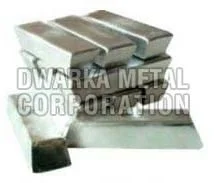
The lead ingot (catalogue name "Remelted Ingot") is specified at 99.9 % - 99.97 % purity, and the tin ingot is described as electrolytic tin with 99.99 % purity. Buyers typically request an assay certificate to verify these figures before shipment.
Is there a standard packaging method for the brass scrap?
Brass scrap under HS 7404.00 is commonly packed in secured steel drums or compacted bales, sized to fit standard 20‑ft or 40‑ft containers. Packaging should be sealed and labeled with the material grade to facilitate handling and customs clearance.
What quality parameters are relevant for the sunflower oil?
Sunflower oil is usually assessed by ICUMSA colour (often 35 - 45), free fatty acid content (typically below 0.1 %), peroxide value (under 10 meq O₂/kg) and moisture content (below 0.1 %). A Certificate of Analysis containing these values is standard for international trade.
What documentation should a buyer request for HMS shipments?
For Heavy Melting Scrap (HS 7204.10) buyers should request a material grade report, a Certificate of Origin, and an MSDS that outlines any hazardous constituents. Customs may also require a waste‑export permit if the scrap is classified as hazardous under local regulations.
Which Incoterms are commonly used for these products?
Exporters from Malaysia frequently use FOB Klang Port for metal products and CIF for bulk commodities such as sunflower oil. The chosen Incoterm determines the point at which risk and freight costs transfer to the buyer.
What are typical lead times for aluminium extrusion orders?
Aluminium extrusion orders from Malaysia generally require 2 - 4 weeks for production and quality inspection, followed by 1 - 2 weeks for container loading and shipment, depending on order size and destination port.
How can a buyer verify the alloy designation of the aluminium extrusion?
Buyers should obtain a Mill Test Report (MTR) that details the alloy number (6063‑T5 or 6061‑T6), temper condition, chemical composition and mechanical properties. The MTR is issued by the supplier’s mill and is accepted by most international buyers as proof of compliance.




 , Malaysia