Tianjin Wangde Chemical Imp. & Exp. Co., Ltd. — Supplier
About Tianjin Wangde Chemical Imp. & Exp. Co., Ltd. - Chemicals & Allied Products Supplier in China
Tianjin Wangde Chemical Imp. & Exp. Co., Ltd. is based in Tianjin, China and lists five active products in its catalogue. The company classifies all items under the Chemicals & Allied Products category and provides HS‑code references for four of the five items. The listed HS codes include 3206.42 for lithopone, 2823.00 for titanium dioxide, 2821.10 for iron oxide pigments, and 2915.11 for formic acid. Carbon black is the only product without an HS code in the supplied data. The catalogue therefore covers a narrow but technically diverse set of inorganic pigments and a basic organic acid.
The product list comprises carbon black, lithopone (a zinc sulfide/barium sulfate co‑precipitate), titanium dioxide (anatase grade, 98 % TiO₂), iron oxide pigments (Fe₂O₃, Fe₃O₄ or FeOOH forms) and an 85 % aqueous solution of formic acid. Each entry specifies the principal material composition, such as the 28‑30 % ZnS and 70‑72 % BaSO₄ ratio for lithopone. No additional product attributes such as particle size, purity grades or packaging formats are provided in the facts.
Product Range and Specialties of Tianjin Wangde Chemical Imp. & Exp. Co., Ltd.
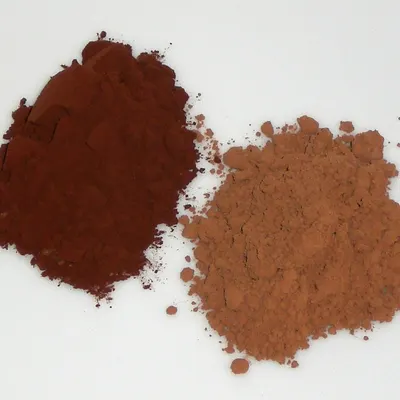
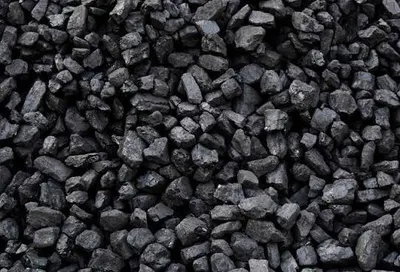
The catalogue’s five items fall into two common pigment families and one basic chemical. Carbon black is typically supplied in grades such as N220, N330 or N660, defined by oil absorption values between 80‑120 ml/100 g. Lithopone is usually offered with a ZnS content of 30 % and BaSO₄ of 70 %, matching the composition stated, and is graded by particle size (e.g., 0.5‑2 µm) and whiteness index. Titanium dioxide in the anatase form is commonly sold to meet ISO 13074 or ASTM D475 specifications, with purity ≥ 98 % and a typical particle size of 0.2‑0.5 µm. Iron oxide pigments are categorized by hue (red, yellow, black) and are graded by Fe₂O₃ content (often 90‑95 %) and color strength (e.g., 100 % tinting strength). Formic acid at 85 % concentration is a standard industrial grade used in leather processing and metal cleaning, usually supplied with a water content ≤ 15 % and a density around 1.22 g cm⁻³.
Trade and Export Information - Tianjin Wangde Chemical Imp. & Exp. Co., Ltd.
China is a major exporter of inorganic pigments and bulk organic acids, with Europe, North America and Southeast Asia representing the largest import markets. The HS‑code families present - 3206 (inorganic pigments), 2823 (titanium compounds), 2821 (iron oxides) and 2915 (organic acids) - are routinely inspected under customs regimes that require a Material Safety Data Sheet (MSDS) and, where applicable, REACH registration for the EU. Buyers often request ISO 9001 quality‑management certificates and, for pigments destined for food‑contact or cosmetics, compliance with ISO 22716 or GMP standards. Shipping is typically arranged in 20‑ft or 40‑ft containers, with carbon black and pigments packed in sealed drums or bulk bags, while formic acid is transported in intermediate bulk containers (IBCs) compliant with UN 2719 hazardous‑material regulations.
Sourcing from Tianjin Wangde Chemical Imp. & Exp. Co., Ltd. - Buyer Guidance
When sourcing from Tianjin Wangde, buyers should request a current Certificate of Analysis (CoA) for each pigment to verify purity, particle‑size distribution and heavy‑metal limits. An up‑to‑date MSDS is essential for handling formic acid and the pigment powders, and REACH‑compliant documentation should be confirmed for any shipment to the European Economic Area. Samples in 1‑kg drums (for pigments) or 5‑L IBCs (for formic acid) allow verification of colour strength, dispersion behavior and acid concentration before larger orders. Verify packaging integrity, especially for the 85 % formic acid solution, which must meet UN 2719 packing group III requirements and be clearly labelled for transport.
Frequently Asked Questions About Tianjin Wangde Chemical Imp. & Exp. Co., Ltd.
What HS codes apply to the products offered by Tianjin Wangde?
Lithopone uses HS 3206.42, titanium dioxide HS 2823.00, iron oxide pigments HS 2821.10, and formic acid HS 2915.11. Carbon black is listed without a specific HS code in the provided data.
Which purity or grade specifications are typical for the titanium dioxide listed?
Titanium dioxide is described as anatase with a minimum of 98 % TiO₂, which aligns with ISO 13074 or ASTM D475 grades that require a whiteness index above 90 and particle sizes between 0.2‑0.5 µm.
What documentation should a buyer request before purchasing formic acid?
Buyers should obtain a current MSDS, a Certificate of Analysis confirming 85 % concentration and ≤ 15 % water, and REACH registration proof if the shipment is destined for the EU.
Are there standard packaging formats for the pigments?
In international trade, carbon black and the inorganic pigments are usually packed in sealed steel drums (25 kg) or bulk polyethylene bags (1‑ton) for container loading.
What certifications are commonly required for inorganic pigments exported from China?
Importers often require ISO 9001 quality‑management certification, and for applications in cosmetics or food‑contact products, ISO 22716 GMP compliance or similar regulatory approvals are typical.
What are the usual shipment terms for these chemical products?
Export shipments are frequently arranged on a CIF or FOB basis, using 20‑ft or 40‑ft containers; hazardous‑material regulations apply to the 85 % formic acid, which must be packed in UN‑approved IBCs.
How can a buyer verify the composition of lithopone?
A Certificate of Analysis should detail the ZnS (28‑30 %) and BaSO₄ (70‑72 %) percentages, along with particle‑size distribution and whiteness measurements.
What lead times are typical for these products from a Chinese supplier?
Lead times vary by product but generally range from 2‑4 weeks for standard pigment batches and 1‑2 weeks for bulk formic acid, assuming all documentation is in place.




 , China