Thiru Naturals Private Limited — Supplier
About Thiru Naturals Private Limited - Resin Supplier in Indonesia
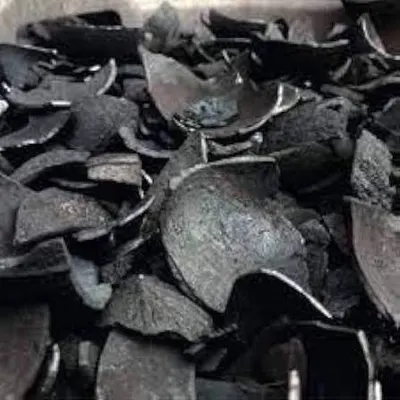
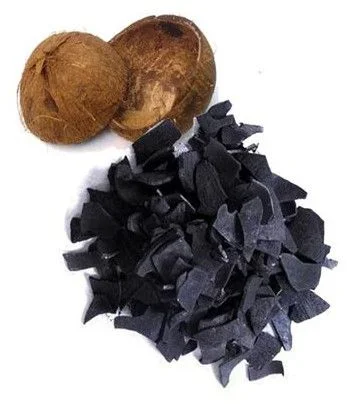
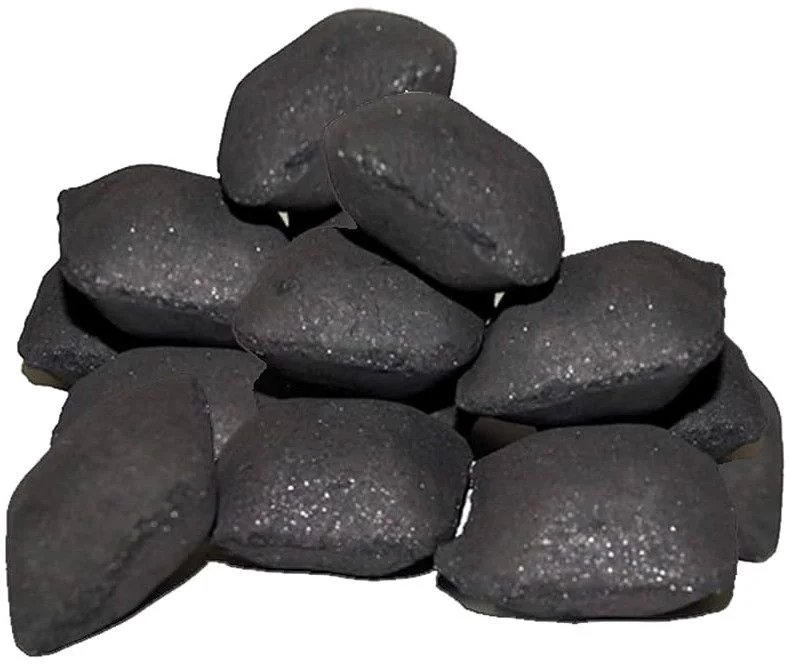
Indonesia-based Thiru Naturals Private Limited lists five active products in its catalogue. The company focuses on resin and charcoal products, including coconut shell charcoal, hard wood charcoal, gum copal, damar batu and gum rosin. These items fall under the resin and charcoal categories commonly classified under HS chapter 13 for natural gums and resins and HS chapter 44 for charcoal. The active product count of five reflects the current range offered for export. The catalogue does not mention other product lines.
The resin items - gum copal, damar batu and gum rosin - are natural plant exudates used in adhesives, inks and varnishes. The charcoal items - coconut shell charcoal and hard wood charcoal - are produced by carbonizing agricultural or forest residues and are used in filtration, metallurgy and fuel applications. Each product is identified by its generic name without further specification such as moisture content or bulk density. The supplier’s listing aligns with typical export categories for Indonesian natural resins and charcoal.
Product Range and Specialties of Thiru Naturals Private Limited
The catalogue comprises coconut shell charcoal, hard wood charcoal, gum copal, damar batu and gum rosin. In the charcoal market, buyers typically evaluate bulk density (400‑600 kg / m³), moisture content below 10 %, and ash content under 5 % for fuel and filtration uses. Standard specifications such as ASTM D176 for charcoal quality are commonly referenced. For natural resins, industry grades include gum copal of 70‑80 % soluble solids, damar stone (batu) with a melting point around 150 °C, and gum rosin with acid value below 10 mg KOH g⁻¹, often tested to ISO 17089. These specifications help buyers compare the Indonesian products against global benchmarks.
Trade and Export Information - Thiru Naturals Private Limited
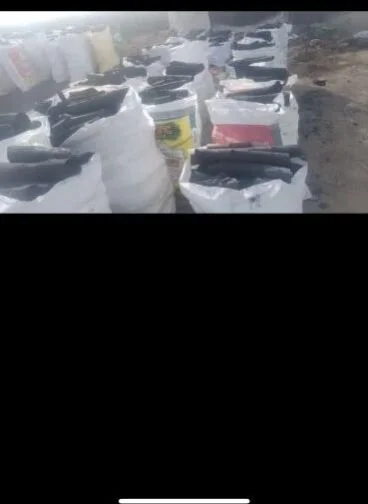
Indonesia is a long‑standing exporter of natural resins and charcoal, with major shipment routes to the United States, the European Union and East Asian markets. Charcoal classified under HS 4401 is frequently shipped in 20‑ft or 40‑ft containers, packed in bulk bags or woven sacks, and may require phytosanitary certificates for certain destinations. Resin products under HS 1301 are usually packed in drums or bulk bags and often need a material safety data sheet (MSDS) and compliance with REACH or EU regulations for chemical imports. Buyers typically request ISO 9001 quality management certificates, though the supplier’s own certifications are not listed in the provided facts.
Sourcing from Thiru Naturals Private Limited - Buyer Guidance
When sourcing from Thiru Naturals Private Limited, buyers should request test reports that reference ASTM D176 for charcoal and ISO 17089 or equivalent for gum copal, damar and rosin. A current MSDS, specification sheet and any available third‑party inspection reports (e.g., SGS) should be obtained before order confirmation. Verifying the moisture, ash and bulk density values for charcoal and the soluble solid content and acid value for resins helps ensure the material meets downstream processing requirements.
Frequently Asked Questions About Thiru Naturals Private Limited
What charcoal products does Thiru Naturals Private Limited offer?
The supplier lists coconut shell charcoal and hard wood charcoal. Both are natural charcoal types commonly used for filtration, metallurgical processes and as fuel.
What resin products are included in the catalogue?
The catalogue includes gum copal, damar batu and gum rosin. These are natural tree exudates used in adhesives, varnishes and inks.
Which HS codes apply to these products?
Charcoal products fall under HS 4401, while the resin items are classified under HS 1301 for natural gums and resins.
What typical specifications should a buyer check for the charcoal?
Buyers usually check bulk density (400‑600 kg / m³), moisture content below 10 %, ash content under 5 % and compliance with ASTM D176.
What quality parameters are relevant for the resin items?
Key parameters include soluble solid content (70‑80 % for gum copal), melting point (~150 °C for damar batu) and acid value (<10 mg KOH g⁻¹ for gum rosin), often verified by ISO 17089.
What documentation is recommended before placing an order?
Request a material safety data sheet, product specification sheet, and any third‑party test reports such as SGS or BV. If required by the destination, ask for a phytosanitary certificate for charcoal.
What are typical packaging and shipping methods?
Charcoal is usually packed in bulk bags or woven sacks for container loading, while resins are often shipped in 200 L drums or bulk bags. Standard incoterms include FOB or CIF, depending on buyer preference.
What lead times are common for these products?
Lead times generally range from 2 to 4 weeks after order confirmation, depending on product availability and required documentation.




 , Indonesia