The Divine Spark — Verified Supplier

About The Divine Spark - Other Handicrafts & Decorative Supplier in India

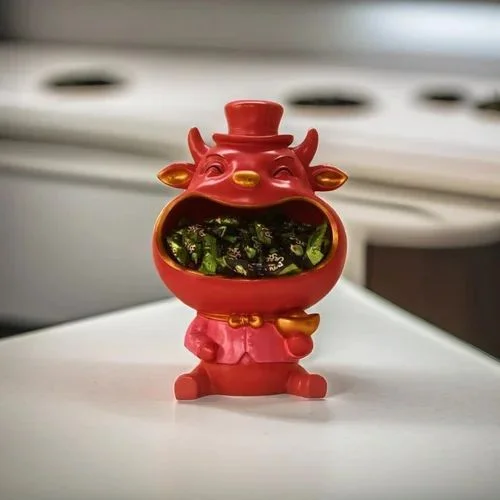
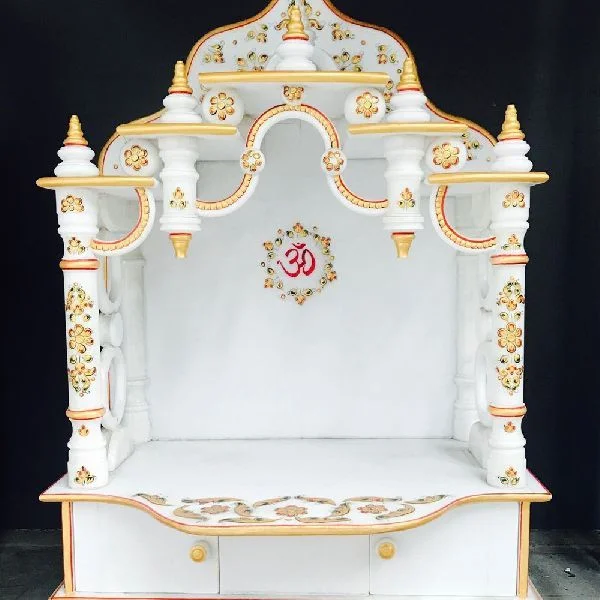
India hosts six active product listings from The Divine Spark, covering Home Decor, Food Grains, Dry Fruit, Beans, Fruits and Seeds, Furniture, Indian craftsman products, Fabric and clothing, and Floor coverings and Furnishings. The catalogue reflects a mix of decorative items, edible agricultural produce, wooden and metal furniture pieces, woven textiles, and rubber‑based floor coverings, each classified under separate HS‑code chapters such as 63 for textiles, 94 for furniture, 44 for food grains, and 39 for rubber products.

The listed items fall into widely recognized HS chapters: Home Decor and Indian craftsman products are typically recorded under HS Chapter 63 (Other made‑up textile articles) or Chapter 97 (Works of art), Food Grains and dry fruits under Chapter 08 (Edible fruit, nuts and other edible parts of plants), Furniture under Chapter 94 (Furniture; bedding, mattresses, etc.), Fabrics under Chapter 63, and Rubber Flooring under Chapter 39 (Plastics and articles thereof). Buyers therefore encounter standard customs classifications for each product family when importing from India.

Product Range and Specialties of The Divine Spark

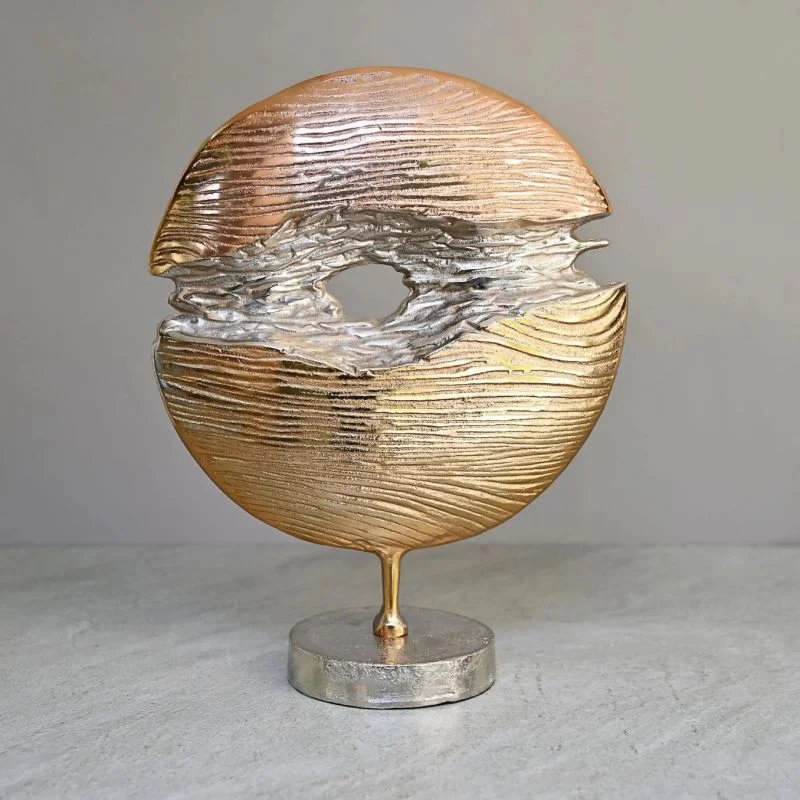
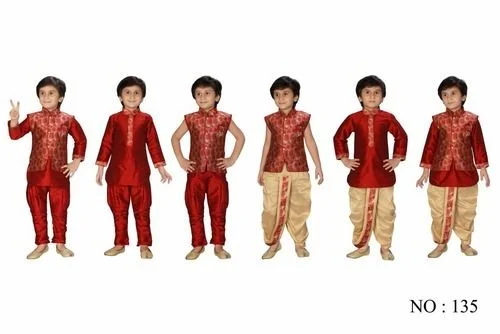
The Divine Spark’s catalogue includes Home Decor objects, a broad group of edible dry fruits, beans, fruits, seeds, various furniture styles, Indian artisan crafts, woven fabrics and clothing, and rubber‑based floor coverings. In the home‑decor segment Indian producers commonly use teak, mango wood, brass and hand‑painted ceramics, while dry‑fruit exports are graded by size, moisture content (typically below 8 %), and absence of pesticide residues. Furniture pieces are often specified by dimensions, wood species, and finish type; fabrics are described by fiber composition (cotton, silk, synthetic blends), GSM range (120‑250 g/m² for apparel, 300‑500 g/m² for upholstery) and weave type; rubber flooring is usually supplied in rolls or tiles with thickness from 2 mm to 6 mm and hardness measured on the Shore A scale (45‑70).

Trade and Export Information - The Divine Spark

Indian handicraft and decorative items are regularly shipped to the United States, European Union, and Middle‑East markets, where buyers expect CE marking, ISO 9001 quality management certification, and compliance with REACH chemical restrictions. Food grains and dry fruits from India are commonly exported to Gulf Cooperation Council (GCC) states, Africa and Southeast Asia, with buyers often requiring phytosanitary certificates, FSSAI export clearance, and conformity to the Codex Alimentarius standards for moisture and aflatoxin limits. Furniture and textile products typically move to EU and North‑American buyers who request FSC certification for wood, test reports for formaldehyde emissions (E1 class), and textile labelling according to ISO 105‑A02 colour fastness. Rubber flooring is in demand in construction projects across the Middle East and Africa; importers usually ask for ISO 14001 environmental compliance, material safety data sheets (MSDS), and proof of compliance with local fire‑resistance standards. Standard export logistics from India involve containerised shipments (20‑ft or 40‑ft containers), with common Incoterms such as FOB Mumbai or CIF Dubai, and packaging in sealed cartons or wooden crates to meet HS‑code specifications.

Sourcing from The Divine Spark - Buyer Guidance

When sourcing from The Divine Spark, buyers should request detailed product specifications: dimension sheets for furniture, fiber content and GSM data for fabrics, moisture and pesticide test reports for dry fruits, and thickness‑hardness data for rubber flooring. Verify that the supplier can provide the typical certifications demanded by the target market - such as ISO 9001, FSC for wood, phytosanitary certificates for food, and MSDS for rubber products - before finalising purchase orders. Requesting a pre‑shipment sample and a third‑party inspection report (e.g., SGS or Bureau Veritas) helps confirm compliance with the relevant industry standards and reduces the risk of customs delays.

Frequently Asked Questions About The Divine Spark

What product categories does The Divine Spark list in its catalogue?

The supplier lists Home Decor items, Food Grains and dry fruits, Furniture, Indian craftsman products, Fabric and clothing, and Floor coverings and furnishings.

Which HS‑code chapters are relevant for these products?

Home decor and crafts fall under HS Chapter 63 or 97, food grains and dry fruits under Chapter 08, furniture under Chapter 94, fabrics under Chapter 63, and rubber flooring under Chapter 39.

What certifications should a buyer request for Indian food‑grain exports?

Buyers typically ask for a phytosanitary certificate, FSSAI export clearance, and test reports confirming compliance with Codex moisture and aflatoxin limits.

Are there standard quality parameters for dry‑fruit shipments?

Common parameters include size grading, moisture content below 8 %, absence of pesticide residues, and a total microbial count within Codex limits.

What specifications are important for the fabric products?

Key specifications are fiber composition (cotton, silk, blends), GSM range (120‑250 g/m² for apparel, 300‑500 g/m² for upholstery), weave type and colour‑fastness test results.

What typical lead time and MOQ apply to furniture orders?

Lead times usually range from 30 to 60 days depending on custom finishes, and minimum order quantities are often set by the number of units per design, commonly 10‑20 pieces.

How is rubber flooring usually packaged for export?

Rubber flooring is shipped in sealed cardboard cartons or wooden crates, with each roll or tile labeled by thickness (2‑6 mm) and Shore A hardness, to meet HS‑code packaging requirements.

Which Incoterms are most commonly used for shipments from India?

Suppliers frequently use FOB from major Indian ports such as Mumbai or Chennai, and CIF to regional hubs like Dubai, aligning with standard container logistics.


Featured Products from this Supplier

Other Suppliers in Primary Category

Top Trusted Suppliers

Related Products

Trending in Parent Category

More Suppliers in Category

Related Products

Other Suppliers

EximNext
58.5K+ live requirements
Register Free🎁 Reach verified global buyers
Post Requirement
🌍 Trusted by 224.6K+ businesses in 200+ countries|
58.5K+ active requirements right now
✉️ [email protected]
|
Sell on EximNextPost Requirement
EximNext
AgricultureApparelConstructionElectronicFoodHomeIndustrialMineralsMiscellaneous
🔥 Deals|✨ AI Match|🏭 Suppliers|📋 Buy Leads|💰 Trade Finance
58.5K+ live RFQs·194.6K+ suppliers
🎁 Reach global buyers →
EximNext
EximNext
Register Free
🎁 Reach verified global buyers
Sign In
📋Post Requirement💬Get QuotesAI Match📋RFQ Marketplace
All Categories
Services & Tools
🏭Supplier Directory🔥Today's Deals💰Trade Finance
Sell on EximNext
AboutContactBlogHelp
🏭

The Divine Spark

Harbor
Country flag , India
🛡️
54/100
Trust Score

The Divine Spark Product Catalog

Showing 6 of 6 products
View all products →
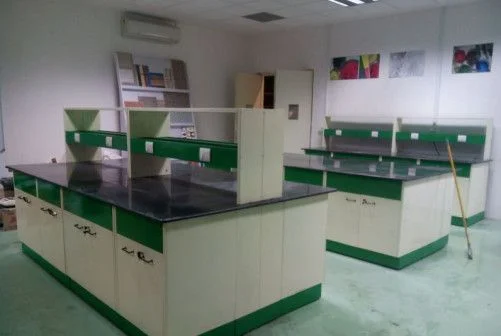
Home Decor
Harbor
Home Decor
Contact
MOQ: 1 Unit
Food Grains, Dry Fruit, Beans, Fruits and seeds
Harbor
Food Grains, Dry Fruit, Beans, Fruits and seeds
Contact
MOQ: 1 Unit
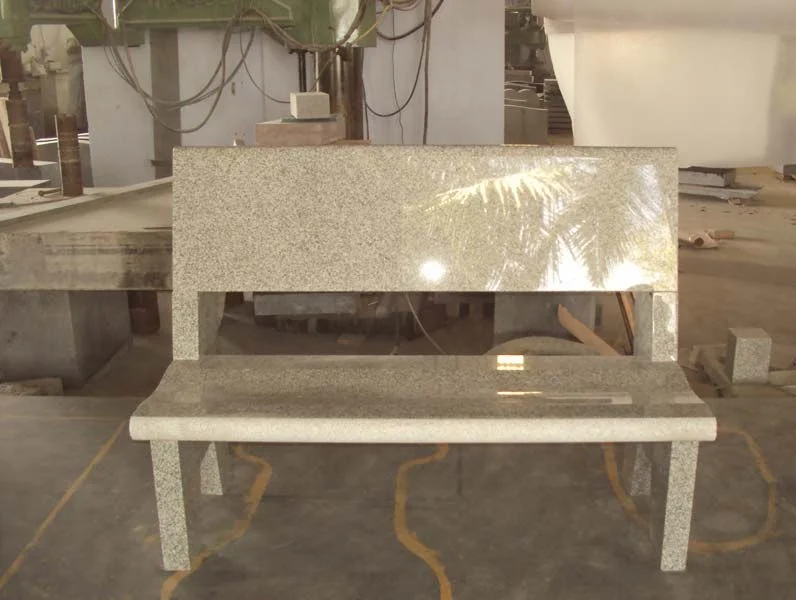
Furniture
Harbor
Furniture
Contact
MOQ: 1 Unit
Indian craftsman products
Harbor
Indian craftsman products
Contact
MOQ: 1 Unit
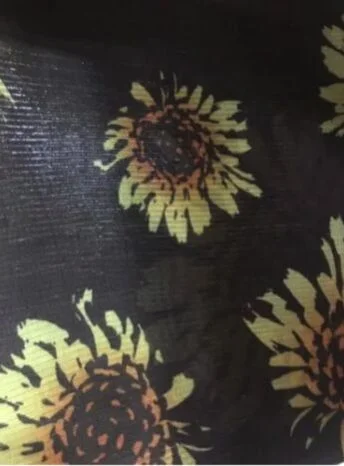
Fabric and clothing
Harbor
Fabric and clothing
Contact
MOQ: 1 Unit
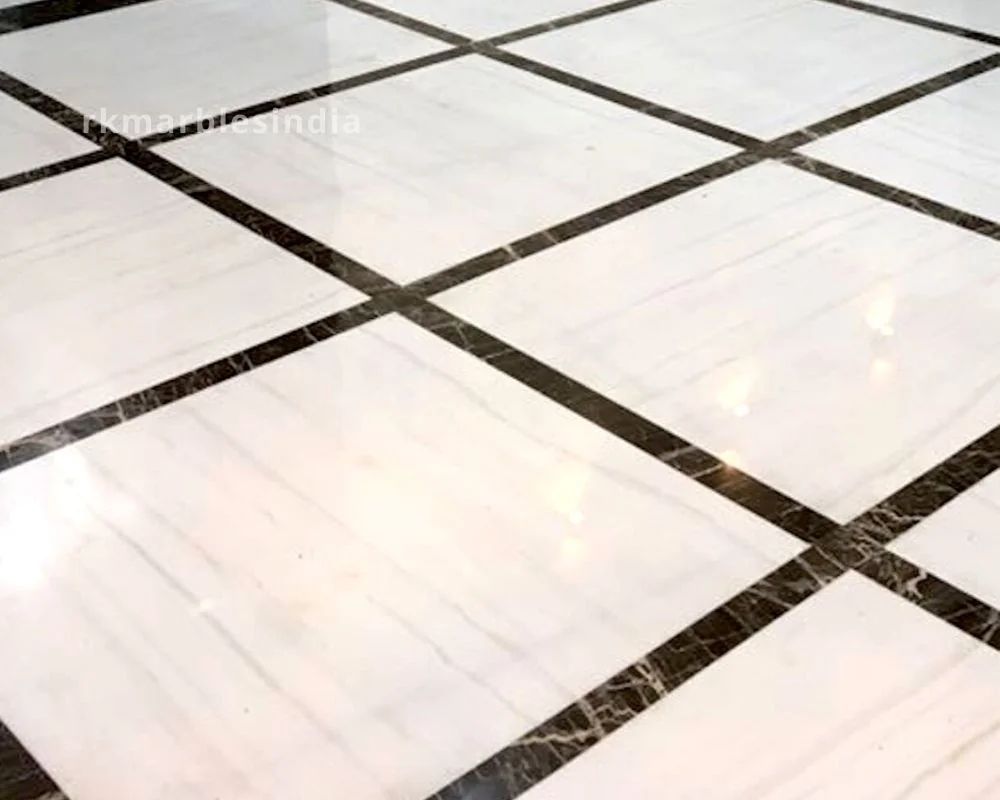
Floor coverings and Furnishings
Harbor
Floor coverings and Furnishings
Contact
MOQ: 1 Unit

About The Divine Spark - Other Handicrafts & Decorative Supplier in India

India hosts six active product listings from The Divine Spark, covering Home Decor, Food Grains, Dry Fruit, Beans, Fruits and Seeds, Furniture, Indian craftsman products, Fabric and clothing, and Floor coverings and Furnishings. The catalogue reflects a mix of decorative items, edible agricultural produce, wooden and metal furniture pieces, woven textiles, and rubber‑based floor coverings, each classified under separate HS‑code chapters such as 63 for textiles, 94 for furniture, 44 for food grains, and 39 for rubber products.

The listed items fall into widely recognized HS chapters: Home Decor and Indian craftsman products are typically recorded under HS Chapter 63 (Other made‑up textile articles) or Chapter 97 (Works of art), Food Grains and dry fruits under Chapter 08 (Edible fruit, nuts and other edible parts of plants), Furniture under Chapter 94 (Furniture; bedding, mattresses, etc.), Fabrics under Chapter 63, and Rubber Flooring under Chapter 39 (Plastics and articles thereof). Buyers therefore encounter standard customs classifications for each product family when importing from India.

Product Range and Specialties of The Divine Spark

The Divine Spark’s catalogue includes Home Decor objects, a broad group of edible dry fruits, beans, fruits, seeds, various furniture styles, Indian artisan crafts, woven fabrics and clothing, and rubber‑based floor coverings. In the home‑decor segment Indian producers commonly use teak, mango wood, brass and hand‑painted ceramics, while dry‑fruit exports are graded by size, moisture content (typically below 8 %), and absence of pesticide residues. Furniture pieces are often specified by dimensions, wood species, and finish type; fabrics are described by fiber composition (cotton, silk, synthetic blends), GSM range (120‑250 g/m² for apparel, 300‑500 g/m² for upholstery) and weave type; rubber flooring is usually supplied in rolls or tiles with thickness from 2 mm to 6 mm and hardness measured on the Shore A scale (45‑70).

Trade and Export Information - The Divine Spark

Indian handicraft and decorative items are regularly shipped to the United States, European Union, and Middle‑East markets, where buyers expect CE marking, ISO 9001 quality management certification, and compliance with REACH chemical restrictions. Food grains and dry fruits from India are commonly exported to Gulf Cooperation Council (GCC) states, Africa and Southeast Asia, with buyers often requiring phytosanitary certificates, FSSAI export clearance, and conformity to the Codex Alimentarius standards for moisture and aflatoxin limits. Furniture and textile products typically move to EU and North‑American buyers who request FSC certification for wood, test reports for formaldehyde emissions (E1 class), and textile labelling according to ISO 105‑A02 colour fastness. Rubber flooring is in demand in construction projects across the Middle East and Africa; importers usually ask for ISO 14001 environmental compliance, material safety data sheets (MSDS), and proof of compliance with local fire‑resistance standards. Standard export logistics from India involve containerised shipments (20‑ft or 40‑ft containers), with common Incoterms such as FOB Mumbai or CIF Dubai, and packaging in sealed cartons or wooden crates to meet HS‑code specifications.

Sourcing from The Divine Spark - Buyer Guidance

When sourcing from The Divine Spark, buyers should request detailed product specifications: dimension sheets for furniture, fiber content and GSM data for fabrics, moisture and pesticide test reports for dry fruits, and thickness‑hardness data for rubber flooring. Verify that the supplier can provide the typical certifications demanded by the target market - such as ISO 9001, FSC for wood, phytosanitary certificates for food, and MSDS for rubber products - before finalising purchase orders. Requesting a pre‑shipment sample and a third‑party inspection report (e.g., SGS or Bureau Veritas) helps confirm compliance with the relevant industry standards and reduces the risk of customs delays.

Frequently Asked Questions About The Divine Spark

What product categories does The Divine Spark list in its catalogue?

The supplier lists Home Decor items, Food Grains and dry fruits, Furniture, Indian craftsman products, Fabric and clothing, and Floor coverings and furnishings.

Which HS‑code chapters are relevant for these products?

Home decor and crafts fall under HS Chapter 63 or 97, food grains and dry fruits under Chapter 08, furniture under Chapter 94, fabrics under Chapter 63, and rubber flooring under Chapter 39.

What certifications should a buyer request for Indian food‑grain exports?

Buyers typically ask for a phytosanitary certificate, FSSAI export clearance, and test reports confirming compliance with Codex moisture and aflatoxin limits.

Are there standard quality parameters for dry‑fruit shipments?

Common parameters include size grading, moisture content below 8 %, absence of pesticide residues, and a total microbial count within Codex limits.

What specifications are important for the fabric products?

Key specifications are fiber composition (cotton, silk, blends), GSM range (120‑250 g/m² for apparel, 300‑500 g/m² for upholstery), weave type and colour‑fastness test results.

What typical lead time and MOQ apply to furniture orders?

Lead times usually range from 30 to 60 days depending on custom finishes, and minimum order quantities are often set by the number of units per design, commonly 10‑20 pieces.

How is rubber flooring usually packaged for export?

Rubber flooring is shipped in sealed cardboard cartons or wooden crates, with each roll or tile labeled by thickness (2‑6 mm) and Shore A hardness, to meet HS‑code packaging requirements.

Which Incoterms are most commonly used for shipments from India?

Suppliers frequently use FOB from major Indian ports such as Mumbai or Chennai, and CIF to regional hubs like Dubai, aligning with standard container logistics.

About The Divine Spark - Other Handicrafts & Decorative Supplier in India

India hosts six active product listings from The Divine Spark, covering Home Decor, Food Grains, Dry Fruit, Beans, Fruits and Seeds, Furniture, Indian craftsman products, Fabric and clothing, and Floor coverings and Furnishings. The catalogue reflects a mix of decorative items, edible agricultural produce, wooden and metal furniture pieces, woven textiles, and rubber‑based floor coverings, each classified under separate HS‑code chapters such as 63 for textiles, 94 for furniture, 44 for food grains, and 39 for rubber products.

The listed items fall into widely recognized HS chapters: Home Decor and Indian craftsman products are typically recorded under HS Chapter 63 (Other made‑up textile articles) or Chapter 97 (Works of art), Food Grains and dry fruits under Chapter 08 (Edible fruit, nuts and other edible parts of plants), Furniture under Chapter 94 (Furniture; bedding, mattresses, etc.), Fabrics under Chapter 63, and Rubber Flooring under Chapter 39 (Plastics and articles thereof). Buyers therefore encounter standard customs classifications for each product family when importing from India.

Product Range and Specialties of The Divine Spark

The Divine Spark’s catalogue includes Home Decor objects, a broad group of edible dry fruits, beans, fruits, seeds, various furniture styles, Indian artisan crafts, woven fabrics and clothing, and rubber‑based floor coverings. In the home‑decor segment Indian producers commonly use teak, mango wood, brass and hand‑painted ceramics, while dry‑fruit exports are graded by size, moisture content (typically below 8 %), and absence of pesticide residues. Furniture pieces are often specified by dimensions, wood species, and finish type; fabrics are described by fiber composition (cotton, silk, synthetic blends), GSM range (120‑250 g/m² for apparel, 300‑500 g/m² for upholstery) and weave type; rubber flooring is usually supplied in rolls or tiles with thickness from 2 mm to 6 mm and hardness measured on the Shore A scale (45‑70).

Trade and Export Information - The Divine Spark

Indian handicraft and decorative items are regularly shipped to the United States, European Union, and Middle‑East markets, where buyers expect CE marking, ISO 9001 quality management certification, and compliance with REACH chemical restrictions. Food grains and dry fruits from India are commonly exported to Gulf Cooperation Council (GCC) states, Africa and Southeast Asia, with buyers often requiring phytosanitary certificates, FSSAI export clearance, and conformity to the Codex Alimentarius standards for moisture and aflatoxin limits. Furniture and textile products typically move to EU and North‑American buyers who request FSC certification for wood, test reports for formaldehyde emissions (E1 class), and textile labelling according to ISO 105‑A02 colour fastness. Rubber flooring is in demand in construction projects across the Middle East and Africa; importers usually ask for ISO 14001 environmental compliance, material safety data sheets (MSDS), and proof of compliance with local fire‑resistance standards. Standard export logistics from India involve containerised shipments (20‑ft or 40‑ft containers), with common Incoterms such as FOB Mumbai or CIF Dubai, and packaging in sealed cartons or wooden crates to meet HS‑code specifications.

Sourcing from The Divine Spark - Buyer Guidance

When sourcing from The Divine Spark, buyers should request detailed product specifications: dimension sheets for furniture, fiber content and GSM data for fabrics, moisture and pesticide test reports for dry fruits, and thickness‑hardness data for rubber flooring. Verify that the supplier can provide the typical certifications demanded by the target market - such as ISO 9001, FSC for wood, phytosanitary certificates for food, and MSDS for rubber products - before finalising purchase orders. Requesting a pre‑shipment sample and a third‑party inspection report (e.g., SGS or Bureau Veritas) helps confirm compliance with the relevant industry standards and reduces the risk of customs delays.

Frequently Asked Questions About The Divine Spark
What product categories does The Divine Spark list in its catalogue?
The supplier lists Home Decor items, Food Grains and dry fruits, Furniture, Indian craftsman products, Fabric and clothing, and Floor coverings and furnishings.
Which HS‑code chapters are relevant for these products?
Home decor and crafts fall under HS Chapter 63 or 97, food grains and dry fruits under Chapter 08, furniture under Chapter 94, fabrics under Chapter 63, and rubber flooring under Chapter 39.
What certifications should a buyer request for Indian food‑grain exports?
Buyers typically ask for a phytosanitary certificate, FSSAI export clearance, and test reports confirming compliance with Codex moisture and aflatoxin limits.
Are there standard quality parameters for dry‑fruit shipments?
Common parameters include size grading, moisture content below 8 %, absence of pesticide residues, and a total microbial count within Codex limits.
What specifications are important for the fabric products?
Key specifications are fiber composition (cotton, silk, blends), GSM range (120‑250 g/m² for apparel, 300‑500 g/m² for upholstery), weave type and colour‑fastness test results.
What typical lead time and MOQ apply to furniture orders?
Lead times usually range from 30 to 60 days depending on custom finishes, and minimum order quantities are often set by the number of units per design, commonly 10‑20 pieces.
How is rubber flooring usually packaged for export?
Rubber flooring is shipped in sealed cardboard cartons or wooden crates, with each roll or tile labeled by thickness (2‑6 mm) and Shore A hardness, to meet HS‑code packaging requirements.
Which Incoterms are most commonly used for shipments from India?
Suppliers frequently use FOB from major Indian ports such as Mumbai or Chennai, and CIF to regional hubs like Dubai, aligning with standard container logistics.

🏭
The Divine Spark
Country flag , India
Harbor
54/100
Trust Score
📦
6
Products
Free to contact — no commission
Escrow payment available
Verified business identity
Compare more suppliers
Post a requirement — get 10 quotes free
Let verified suppliers compete for your business. Free, fast, no commitment.
EximNext Verified Supplier
Business identity verified
Physical address confirmed
Financial history checked
Certifications authenticated
Trade references validated
Due Diligence
Verify this supplier's real shipping history.
Every shipment, every buyer, every port. Trade data that can't be faked.
Run due diligence →
Discover More

Related Suppliers & Products

Explore similar suppliers, related products and trending categories

Featured Products from this Supplier

Other Suppliers in Primary Category

Top Trusted Suppliers

Related Products

Trending in Parent Category

More Suppliers in Category

Stay ahead in global trade
Weekly market insights & new supplier alerts.
EximNext
Exim Next is a leading global B2B marketplace, connecting over 205,000 verified suppliers and buyers across 200+ countries. As a trusted import export marketplace, it serves as the essential B2B portal for businesses worldwide, empowering them to expand their international reach. With Exim Next, businesses can trade smarter and grow faster.
SECURE PAYMENTS
VISAMastercardPayPalSWIFTL/CEscrow
Follow us
© 2026 EximNext