The Aquatic Zone — Verified Supplier
About The Aquatic Zone - Seafood and Produce Supplier in Sri Lanka
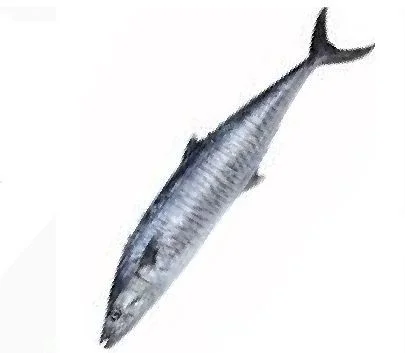
The Aquatic Zone operates out of Sri Lanka and currently lists 23 active products in its catalogue. Its offering spans seafood, fresh fruits, vegetables and other agricultural items, organized under top categories such as "Crabs, Fillets, Lobsters & Other Sea Creatures" and "Fruits". Specific entries include Live Clams and Cockles (HS 0307.71, live bivalve molluscs), Fresh King Fish (HS 0302.89, whole Scomberomorus commerson), Live Oysters and Clams (HS 0307.11), Fresh Blue Swimming Crab (HS 0306.21) and Live Mud Crab (HS 0306.32). The fruit segment lists fresh tropical varieties like rambutan, durian and mangosteen under HS 0810.90, while a broad range of fresh vegetables and other fruits appear without HS codes. Additional seafood items such as Grey Mullet, Fresh Yellowfin/Bigeye Tuna sashimi grade, and assorted groupers and snappers are also present.
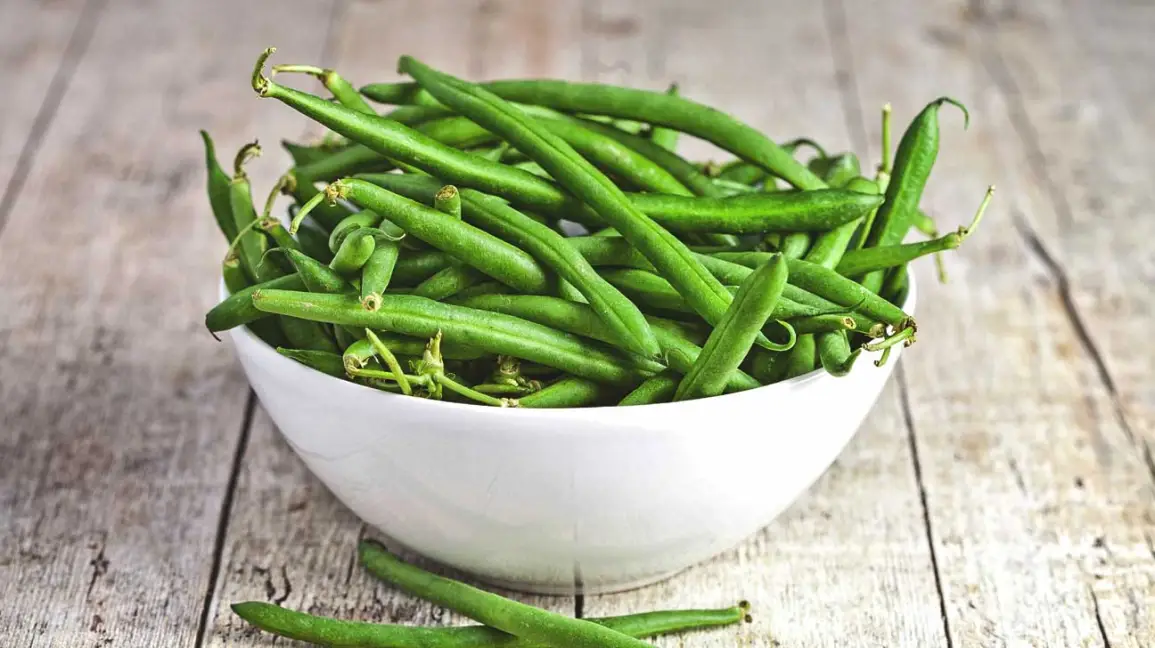
The live shellfish entries are described as live or chilled specimens, indicating a need for temperature‑controlled handling from harvest to export. Fresh finfish products are presented without detailed HS codes but fall within the general HS chapter 03 for fish and crustaceans. Vegetable and fruit listings cover items like leeks, cucumber, pumpkin, wing beans, bell pepper, bitter gourd, carrot, cabbage and watermelon, each typical of Sri Lankan horticultural output. The catalogue also mentions agricultural products such as tapioca/cassava/kiri Ala, reflecting the country's starch crop production. Overall, the supplier’s portfolio reflects a diverse Sri Lankan export basket that combines marine harvests with tropical horticulture.
Product Range and Specialties of The Aquatic Zone
The seafood range includes live bivalve molluscs (clams, cockles, oysters) generally graded by shell size, meat yield and absence of shell damage, with common industry standards requiring a minimum meat weight of 30 % of shell weight. Live crabs such as Blue Swimming Crab and Mud Crab are typically measured by carapace width (e.g., 120 - 150 mm) and must meet hygiene limits of total coliforms below 10 CFU/g. Fresh finfish like King Fish, Yellowfin Tuna and groupers are usually classified by fillet yield (45‑55 % of whole weight), frozen or chilled to ≤ 4 °C, and tested for histamine levels under FDA limits of 50 mg/kg. Tropical fruits like rambutan, durian and mangosteen are exported under HS 0810.90 and are evaluated for external appearance, Brix sugar content (typically 18‑25 %) and absence of pest damage. Vegetables such as leeks, cucumber, pumpkin, beans and peppers are commonly graded by size, firmness and moisture content, with standard moisture levels ranging from 85‑92 % depending on the crop.
Typical packaging for live shellfish involves insulated boxes with gel ice, maintaining temperatures at 0‑2 °C for up to 48 hours. Finfish are usually packed in vacuum‑sealed poly‑ethylene bags or on ice in refrigerated containers, with a standard gross weight of 1 tonne per 20‑ft container. Fresh fruits are frequently boxed in cardboard cartons with internal liners, allowing 20 kg per carton and total loads of 10‑12 tonnes per 40‑ft container. Vegetables are commonly packed in perforated polyethylene bags or bulk crates, with moisture retention managed by humidified air flow. Across all categories, exporters from Sri Lanka often attach a Phytosanitary Certificate, a Health Certificate and, where required, a Certificate of Origin to satisfy importing country regulations.
Trade and Export Information - The Aquatic Zone
Sri Lanka exports its marine products primarily to the European Union, the Middle East, South Asia and the United States, with HS chapter 03 items (0306, 0307, 0302) subject to EU Regulation 2023/2006 on food safety. Tropical fruits under HS 0810.90 are frequently shipped to EU markets, China and GCC states, where importers normally request BRC Global Standard for Food Safety or HACCP certification. Typical certifications demanded for Sri Lankan seafood include HACCP, ISO 22000 and, for EU destinations, the EU Green Pass for traceability. Logistically, live shellfish are moved in insulated containers on air freight or fast sea freight, often using 20‑ft refrigerated units with a capacity of 500 - 800 kg per load. Finfish and frozen products are commonly loaded in 40‑ft refrigerated containers, while bulk vegetables and fruits travel in 20‑ft or 40‑ft dry containers with temperature‑controlled ventilation.
Customs authorities frequently inspect the HS codes for accuracy; mismatches between HS 0306 (crustaceans) and HS 0307 (bivalves) can trigger delays. Importing countries usually require a sanitary inspection certificate confirming compliance with maximum limits for histamine, total viable count and heavy metals. For fruits, pesticide residue limits are enforced under the Codex Alimentarius, and a Residue Test Report is often requested before clearance. Sri Lankan exporters benefit from the country's participation in the Asian Development Bank’s trade facilitation programs, which streamline document verification. Typical Incoterms used are FOB Colombo for bulk shipments and CIF for smaller, time‑critical consignments.
Sourcing from The Aquatic Zone - Buyer Guidance
Buyers should request the most recent HACCP or ISO 22000 audit report, along with a Phytosanitary Certificate for all plant‑based items and a Health Certificate for seafood. For live shellfish, verify the temperature log from harvest to loading and ask for a size‑grade sheet confirming carapace dimensions or shell weight percentages. Finfish buyers often ask for a histamine test result and a freshness index such as the K‑value, which should be below 20 % for sashimi‑grade tuna. Fruit purchasers typically request Brix measurements, a pesticide residue analysis and a sample of the packing material to ensure compliance with EU or GCC standards. Before confirming an order, confirm the HS code alignment with the product description to avoid customs re‑classification, and clarify the minimum order quantity, which for live crabs is usually 300 kg and for bulk fruit 1 tonne.
Lead times for live seafood from Sri Lanka range from 5 to 10 days, depending on seasonality and the need for air freight. Containerized shipments of frozen fish or bulk vegetables typically require 2‑3 weeks from order to vessel departure. Payment terms frequently involve a 30 % advance with a confirmed Letter of Credit covering the balance prior to shipment. Inspectors may be engaged for pre‑shipment checks; buyers should specify the scope, such as microbial testing for seafood or pesticide residue limits for fruits. Ensuring that the supplier can provide traceability documentation, including batch numbers and origin farm or fishing area, helps meet downstream buyer requirements.
Frequently Asked Questions About The Aquatic Zone
What types of live shellfish does The Aquatic Zone offer and under which HS codes?
The supplier lists Live Clams and Cockles (HS 0307.71), Live Oysters and Clams (HS 0307.11) and Live Mud Crab (HS 0306.32); each product is described as live or chilled molluscs or crustaceans.
Which fresh finfish are available and what quality parameters are typical for export?
Available finfish include Fresh Yellowfin/Bigeye Tuna (sashimi grade), Grey Mullet, Fresh King Fish (HS 0302.89) and assorted groupers and snappers; exporters normally control temperature ≤ 4 °C, histamine ≤ 50 mg/kg and bacterial count below 10⁵ CFU/g.
What tropical fruits are listed and what certifications are commonly required for their shipment?
The catalogue mentions fresh rambutan, durian and mangosteen under HS 0810.90; buyers usually request a Phytosanitary Certificate, BRC or HACCP compliance and a pesticide residue test report.
How are vegetables packaged for international shipment?
Vegetables such as leeks, cucumber, pumpkin, beans and bell pepper are typically packed in perforated polyethylene bags or bulk crates, placed in refrigerated containers with humidity control to maintain 85‑92 % moisture.
What documentation should a buyer request before purchasing seafood from Sri Lanka?
Buyers should ask for a recent Health Certificate, HACCP or ISO 22000 audit, size‑grade or weight‑grade sheets for crabs, temperature logs for live shellfish and a histamine test report for sashimi‑grade tuna.
What are the typical minimum order quantities (MOQ) and lead times for live crabs and bulk fruit?
Live Blue Swimming Crab and Mud Crab are usually sold with an MOQ of around 300 kg, with lead times of 5‑10 days for air‑freight shipments; bulk fruit such as rambutan or durian generally requires a 1‑tonne MOQ and a 2‑3‑week lead time for container loading.
Which Incoterms are most commonly used for The Aquatic Zone’s exports?
Exporters from Sri Lanka often quote FOB Colombo for large container loads and CIF for smaller, time‑sensitive consignments such as live shellfish.




 , Sri Lanka