Thanu Services Ltd — Verified Supplier
About Thanu Services Ltd - Black Cardamom Supplier in United Kingdom
Thanu Services Ltd operates out of the United Kingdom and currently lists 17 active products across its catalogue. The listed items span a variety of spices, herbs, and seed commodities, including coffee beans, mustard seed, ajwain (carom) seed, fennel seed, asafoetida, cinnamon stick, black pepper, cumin seed, bay leaves, sesame seed, fenugreek, nutmeg, star anise, turmeric, cloves, coriander seed and black cardamom. Among these, several items are classified under specific HS code headings such as 0910.99 for asafoetida resin gum, 0905.11 for whole cinnamon bark, 0910.91 for dried bay leaves, and 0908.30 for dried black cardamom pods. The catalogue does not specify additional certification holdings for the supplier. The spice and seed portfolio primarily falls within HS Chapter 09, which covers coffee, tea, mate and spices, and Chapter 08 for nuts and other agricultural products. Typical quality grades for these commodities include ICUMSA standards for coffee, ISO 22000 food safety management for spices, and moisture limits of less than 12 % for whole seeds.
Product Range and Specialties of Thanu Services Ltd
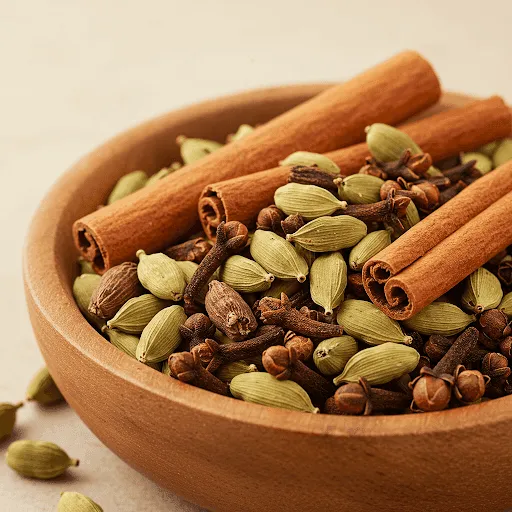
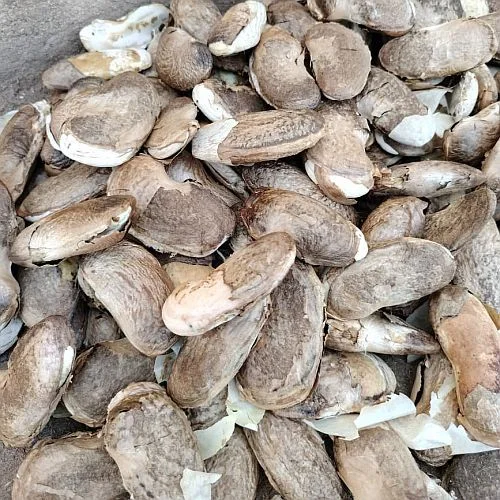
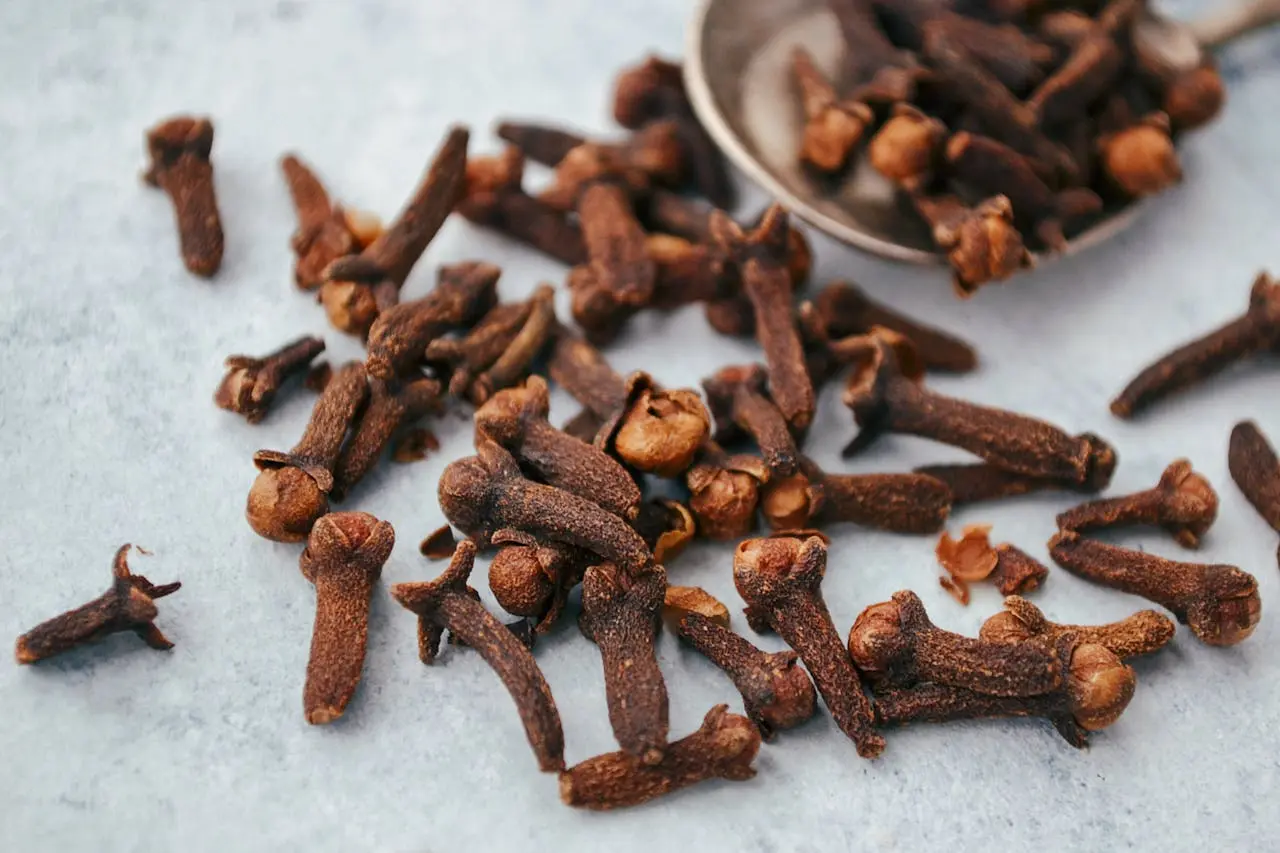
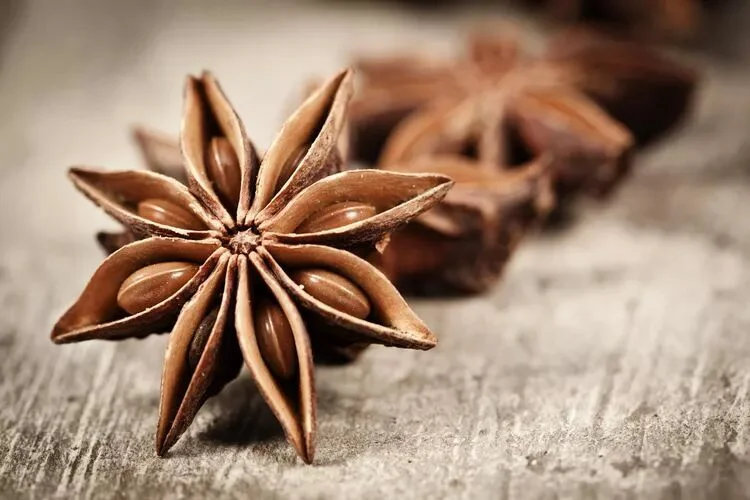
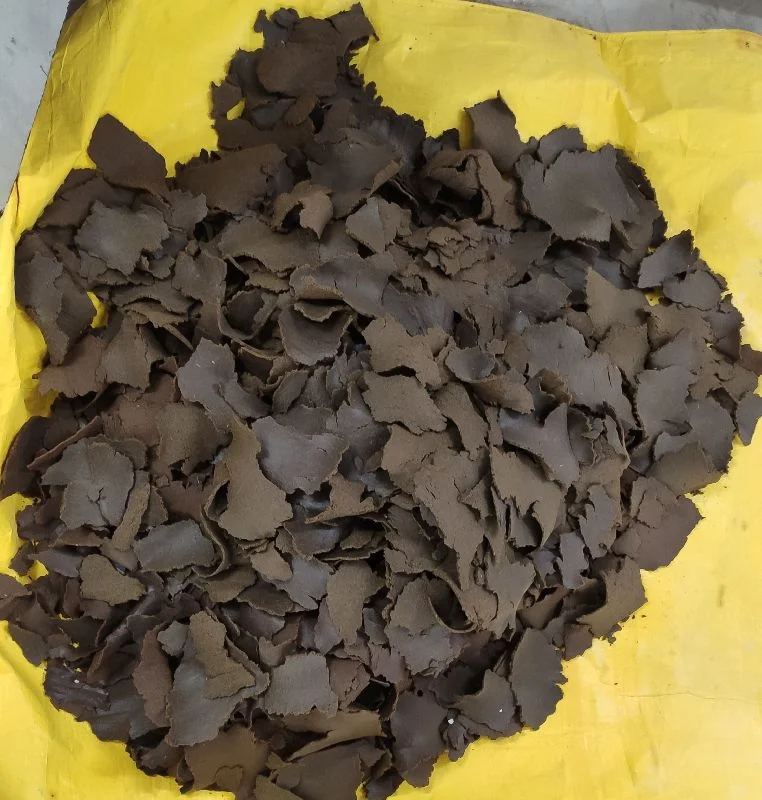
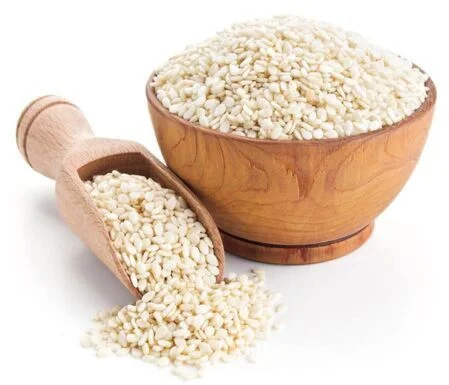
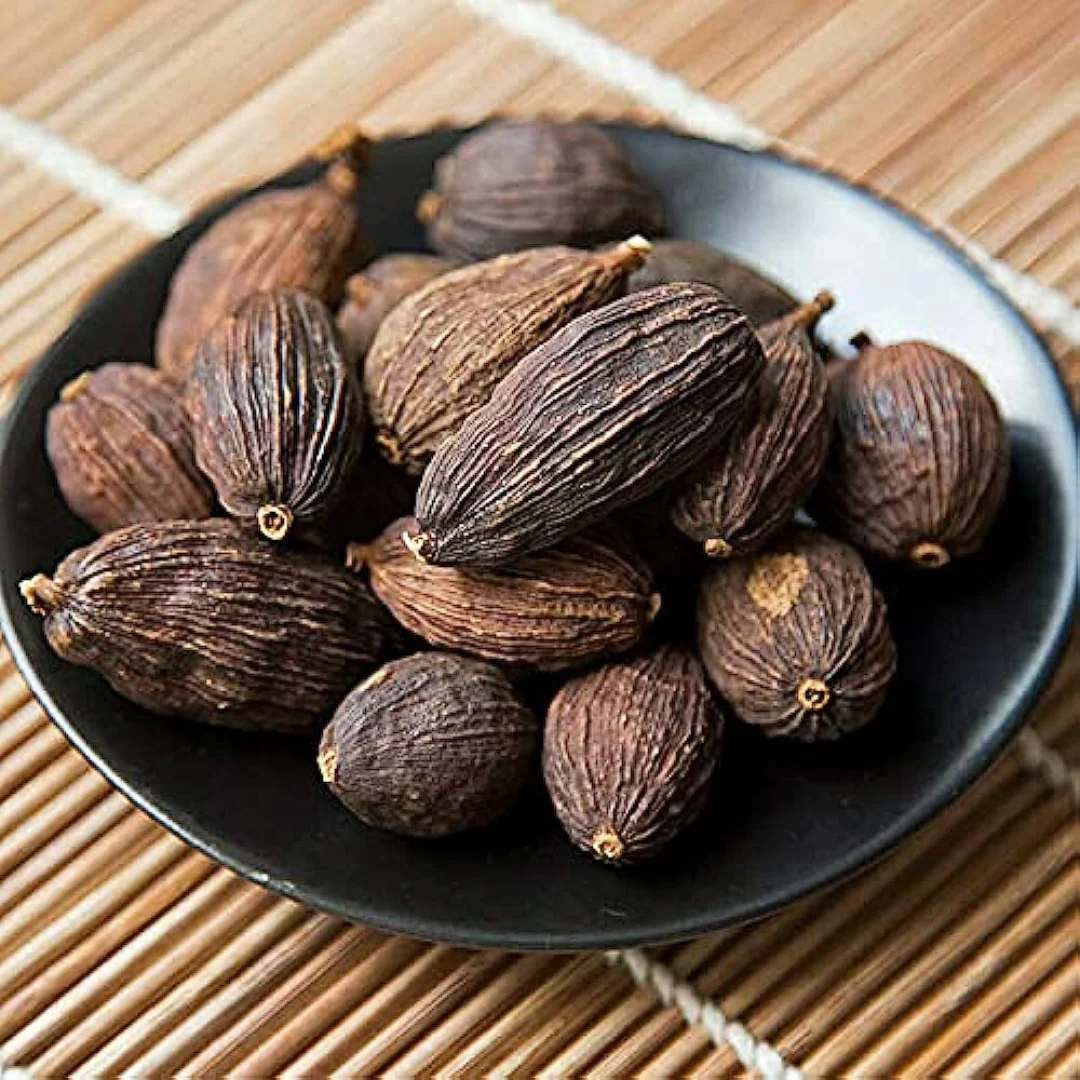
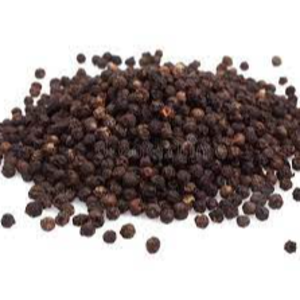
Thanu Services Ltd’s catalogue includes coffee beans, mustard seed, ajwain (carom) seed, fennel seed, asafoetida resin gum (HS 0910.99), cinnamon stick (HS 0905.11), whole black pepper, cumin seed, bay leaves (HS 0910.91), sesame seed, fenugreek, nutmeg, whole star anise, whole turmeric, whole cloves, coriander seed and black cardamom pods (HS 0908.30). The listed materials range from whole dried botanicals to seed kernels, each typically traded in bulk quantities. In the global spice market, black cardamom is usually graded by pod length (6‑8 mm) and essential oil content above 6 %. Coffee beans are categorized by screen size (15‑18) and moisture below 12 %, while mustard seed and cumin are evaluated for oil content (≈45 % and 55 % respectively) and foreign‑matter limits under Codex standards. Cinnamon sticks are differentiated by quill diameter (Ceylon vs. cassia) with a typical moisture ceiling of 8 % and are often sold in 25 kg food‑grade bags or bulk containers.
Trade and Export Information - Thanu Services Ltd
Exporters of spices and seeds from the United Kingdom commonly ship to the European Union, the Middle East, Africa and Asia, where demand for premium culinary ingredients remains strong. HS Chapter 09 products are subject to phytosanitary certificates and, for items such as cinnamon and cardamom, may require fumigation certificates under EU plant health regulations. Buyers frequently request ISO 9001 or ISO 22000 compliance, as well as organic certification (e.g., EU Organic) when the product is marketed as such. Logistics for bulk spices typically use 20‑ft or 40‑ft containers with inner liners of food‑grade polyethylene; moisture‑proof bulk bags of 1 ton are also common for seeds. Incoterms such as FOB UK ports (e.g., Felixstowe) or CIF to destination ports are standard practice. The United Kingdom’s established customs procedures and proximity to major European ports facilitate efficient clearance for HS 0908, 0905 and 0910 items.
Sourcing from Thanu Services Ltd - Buyer Guidance
When sourcing from Thanu Services Ltd, buyers should request a product specification sheet that includes moisture content, foreign‑matter percentage, oil content and any relevant ISO or Codex limits for each spice or seed. Samples should be supplied in a sealed, food‑grade container and accompanied by a laboratory analysis report covering parameters such as microbiological limits (e.g., total plate count <10 000 cfu/g) and pesticide residues in line with EU maximum residue limits. Because the supplier does not list any certifications, buyers are advised to verify the presence of a current ISO 9001 or ISO 22000 certificate, as well as any organic or fair‑trade certifications relevant to the intended market. Verification of the HS code classification and accompanying phytosanitary certificate prior to shipment helps avoid customs delays. Lead times for bulk spices from the UK typically range from 30 to 45 days after order confirmation, subject to seasonal availability.
Frequently Asked Questions About Thanu Services Ltd
What product categories does Thanu Services Ltd offer?
The supplier lists 17 items including coffee beans, mustard seed, ajwain (carom) seed, fennel seed, asafoetida resin gum, cinnamon stick, whole black pepper, cumin seed, bay leaves, sesame seed, fenugreek, nutmeg, star anise, turmeric, cloves, coriander seed and black cardamom pods.
Which HS codes are associated with the catalogue items?
Asafoetida is classified under HS 0910.99, cinnamon stick under HS 0905.11, bay leaves under HS 0910.91 and black cardamom pods under HS 0908.30; the remaining products fall within the broader Chapter 09 spice headings.
What quality parameters are typically required for these spices?
Buyers usually request moisture limits (generally ≤12 % for whole spices), oil content specifications (e.g., ≥45 % for mustard seed), foreign matter below 1 %, and compliance with Codex or ISO standards for microbiological counts and pesticide residues.
Are any certifications listed for Thanu Services Ltd?
The supplied facts do not mention any certifications held by the supplier; purchasers should therefore ask for current ISO 9001, ISO 22000 or any organic/fair‑trade certificates relevant to their market.
How are the products typically packaged for export?
Bulk spices and seeds are commonly packed in food‑grade polypropylene bags of 25 kg or 1‑ton bulk bags, placed inside 20‑ft or 40‑ft containers with inner liners; smaller quantities may be shipped in vacuum‑sealed pouches.
What Incoterms are commonly used for shipments from the United Kingdom?
Exporters often use FOB from major UK ports such as Felixstowe, or CIF to the buyer’s destination port, depending on the agreement between buyer and seller.
What documentation should a buyer request before placing an order?
Standard documents include a detailed specification sheet, laboratory analysis report, phytosanitary certificate, and, where applicable, certificates of origin, ISO compliance and any organic or fair‑trade attestations.




 , United Kingdom