Taznur Canada Inc — Supplier
About Taznur Canada Inc - Petroleum By Products Supplier in Canada
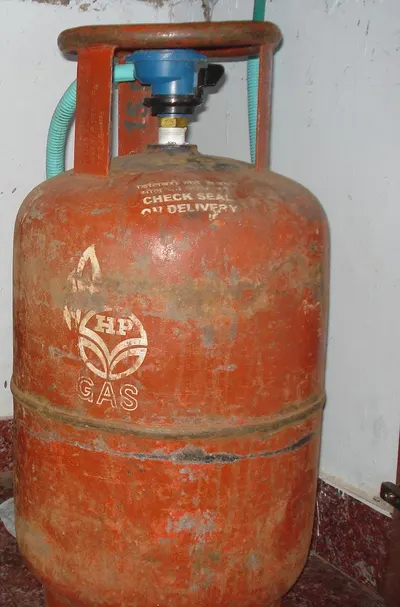
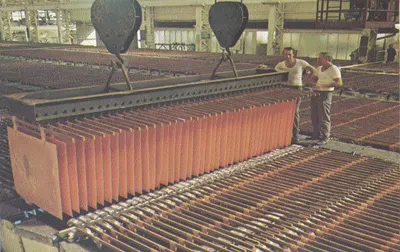
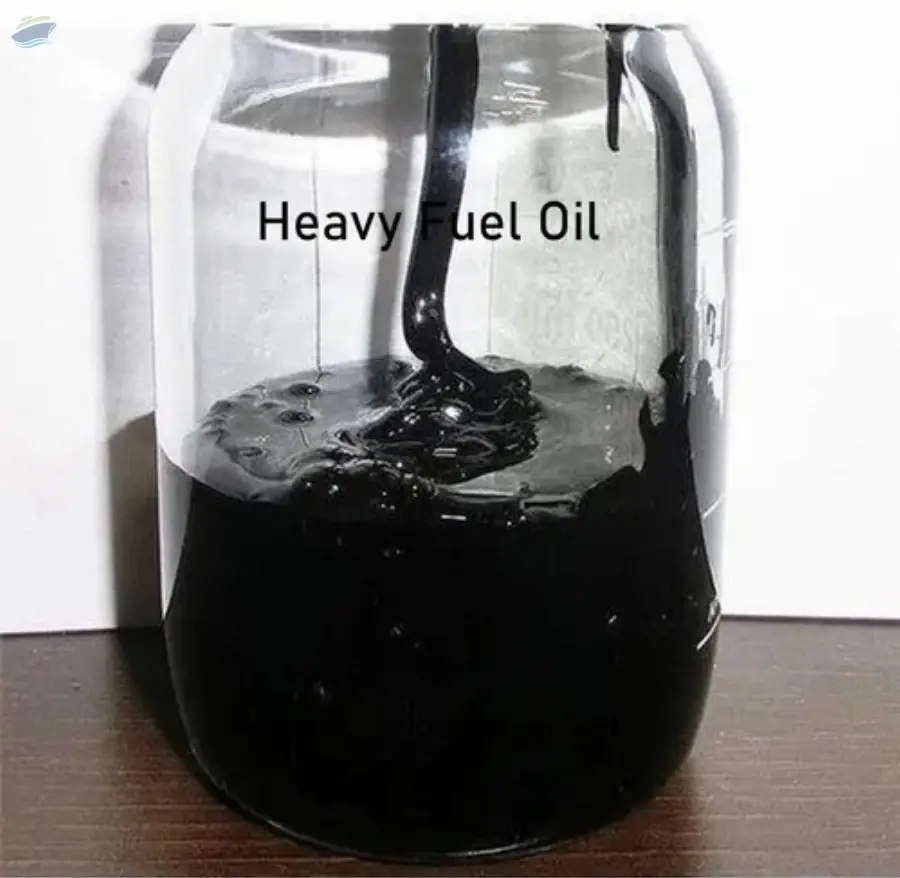
Canada hosts Taznur Canada Inc with an active product count of 20 items listed in its catalogue. The supplier covers petroleum by‑products, diesel, crude oil, copper cathode, coke, bitumen/asphalt and LPG/LNG & CNG as top categories. Specific entries include Copper Cathode & Broken Solar Wafer, Diesel D2, Mazut‑100, Base Oil, Petroleum Coke, Aviation Kerosene Colonial, Jet Fuel A1, Automotive Diesel EN‑590, Bitumen, Fuel Oil, Liquefied Natural Gas (LNG), Liquefied Petroleum Gas, Automotive Gas Oil (AGO), Gasoline Octanes, Ultra‑low‑Sulfur Diesel, Diesel D6 Virgin Low Pour Fuel Oil, REBCO, Light Cycle Oil (LCO), LCO Light Crude Oil and ESPO. The copper cathode entry carries HS code 7403.11 and is described as electrolytic copper with 99.99 % purity combined with IC‑grade silicon wafer scrap. The fuel listings span a range of refined grades commonly used in transport, power generation and industrial heating.
Product Range and Specialties of Taznur Canada Inc
The catalogue lists refined diesel grades such as D2, EN‑590 and ultra‑low‑sulfur diesel, which typically meet sulfur limits of 10 ppm or lower and cetane numbers above 48. Jet fuel A1 conforms to ASTM D1655 specifications, while aviation kerosene follows similar distillation ranges. Bitumen is offered in standard penetration grades between 40 and 80 0 mm and viscosity values suited for road surfacing. LPG and LNG are provided as bulk gases with specified propane‑butane ratios and methane purity above 90 %. Copper cathode is described at 99.99 % Cu purity, meeting ASTM B115 and IEC 60189 standards, and is shipped with silicon wafer scrap classified as IC‑grade electronic waste. Typical packaging includes ISO tank containers for liquids, bulk carriers for crude and fuel oil, and sealed steel bundles for copper cathode.
Trade and Export Information - Taznur Canada Inc
Canada exports refined fuels and petro‑chemical feedstocks primarily to the United States, Western Europe and East Asian markets, using HS chapters 27 for petroleum products and chapter 74 for copper. Common HS codes include 2701 for crude oil, 2710 for diesel and gasoline, 2711 for jet fuel, 2712 for LPG, 2713 for bitumen and 7403.11 for copper cathode. Importers usually require ISO 9001 quality management certificates, ASTM test reports for fuel specifications and SGS or Bureau Veritas inspections for bulk shipments. LNG shipments are subject to the Canadian LNG Export Regulation and often need a Certificate of Origin, safety data sheet and compliance with the International Maritime Organization’s IGC Code. Packaging follows industry norms: ISO tank containers for liquids, bulk carriers with cargo heating for heavy fuel oil, and steel bundles or wooden crates for copper cathode. Typical Incoterms are FOB Canadian ports or CIF to the buyer’s destination, with freight handled by major shipping lines.
Sourcing from Taznur Canada Inc - Buyer Guidance
Buyers should request a material test report (MTR) for each fuel grade, including ASTM D86 distillation curves, ASTM D975 diesel analysis and sulfur content measured by X‑ray fluorescence. For copper cathode, an assay report complying with ASTM B115 and an ICP analysis confirming 99.99 % Cu purity are standard. A Certificate of Origin, bill of lading and, where applicable, a safety data sheet (SDS) must be verified before shipment. Samples of liquid fuels are often supplied in 200 L drums for laboratory verification of cetane number, flash point and water content. For bulk shipments, buyers commonly ask for pre‑shipment inspection reports from an approved third‑party inspection agency.
Frequently Asked Questions About Taznur Canada Inc
What HS code is associated with the copper cathode product?
The copper cathode and broken solar wafer entry is listed under HS code 7403.11. This code covers electrolytic copper cathodes and related copper scrap.
Which quality standards should be requested for diesel fuel purchases?
Buyers typically request test reports that follow ASTM D975 for diesel fuel, including specifications for sulfur content, cetane number and cold filter plugging point. An additional SGS or Bureau Veritas inspection report is often required for verification.
How is copper cathode usually packaged for export?
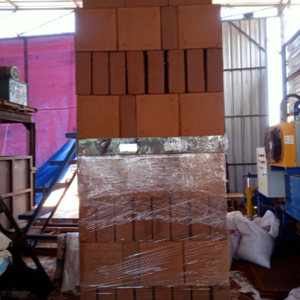
Copper cathode is commonly packed in sealed steel bundles or wooden crates, each bundle weighing between 500 kg and 1 tonne. The bundles are then placed on pallets or in bulk containers for sea freight.
What are typical lead times for fuel shipments from Canada?
Lead times for bulk fuel shipments from Canadian ports generally range from two to four weeks after order confirmation, depending on vessel availability and any required quality inspections.
Which regions commonly import Canadian petroleum coke?
Canadian petroleum coke is frequently exported to the United States, European steel producers and Southeast Asian cement manufacturers. These markets use coke as a fuel and as a carbon source in metallurgical processes.
What documentation is required for LNG exports?
LNG exporters must provide a Certificate of Origin, a safety data sheet, a quality test report meeting ISO 16903, and a bill of lading. In many cases an import permit from the destination country’s energy regulator is also necessary.
What are typical quality grades for bitumen supplied from Canada?
Bitumen grades are usually defined by penetration values between 40 and 80 0 mm at 25 °C and by viscosity measurements at 60 °C. Buyers also look for compliance with the American Society for Testing and Materials (ASTM) D5 standard.
How can a buyer verify the purity of the copper cathode?
The buyer should request an assay report that includes ICP‑OES analysis and confirms the 99.99 % copper purity. Compliance with ASTM B115 and IEC 60189 provides additional assurance of material quality.




 , Canada