Taian Xinyuan — Verified Supplier
About Taian Xinyuan - Steel Balls Supplier in China
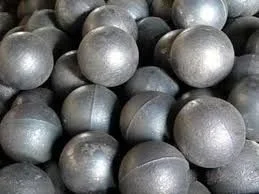
Taian Xinyuan operates from China and lists five distinct steel‑ball products in its current catalogue. The catalogue includes chrome steel balls made from high‑carbon chromium steel AISI 52100 under HS code 7326.90, carbon‑steel balls of grades AISI 1010/1015 under HS code 8482.91, several stainless‑steel variants (AISI 420C/420, 316, 304) also under HS code 7326.90, a dedicated line of AISI 420C martensitic stainless‑steel balls, and a range of austenitic stainless‑steel balls of grades 302/304/304L, all classified within the same HS‑code family where applicable.
The product list reflects the typical material designations used in bearing‑ball manufacturing, with each entry specifying the steel grade and the corresponding HS code. Chrome steel balls (AISI 52100) are commonly used where high hardness and wear resistance are required, while the carbon‑steel AISI 1010/1015 balls serve lower‑stress applications. The stainless‑steel selections cover martensitic (AISI 420C) and austenitic (304, 316, 302, 304L) families, providing corrosion‑resistant options for food‑grade, medical, and chemical environments. All five items are presented without additional proprietary specifications in the supplier’s public data.
Product Range and Specialties of Taian Xinyuan
The catalogue’s five items span the principal material groups for precision bearing balls: high‑carbon chromium steel, low‑carbon carbon steel, and several grades of stainless steel. In the global market, chrome steel balls such as AISI 52100 are typically supplied in hardness ranges of 58‑65 HRC, surface finish of Ra 0.2 µm or better, and diameter tolerances of ±0.001 mm for sizes up to 30 mm. Carbon‑steel balls of AISI 1010/1015 are usually offered with hardness 45‑55 HRC, lower precision tolerances, and are often used in bulk‑handling or low‑speed gear applications.
Stainless‑steel bearing balls are differentiated by corrosion resistance and temperature capability. Martensitic AISI 420C balls are frequently hardened to 50‑55 HRC and used where moderate wear resistance and good corrosion resistance are needed. Austenitic grades 304, 304L, 302 and 316 are supplied in annealed condition with typical hardness 20‑30 HRC, and are selected for food‑processing, pharmaceutical, and chemical‑process equipment. Industry standards such as ISO 492 (ball dimensions) and DIN 620 (steel grades) are commonly referenced for these products.
Trade and Export Information - Taian Xinyuan
China is one of the world’s largest exporters of precision steel components, and steel balls are a standard export item for automotive, machinery, and bearing manufacturers. The HS‑code 7326.90 covers steel balls of various alloys, while HS‑code 8482.91 is used for carbon‑steel balls used in bearing assemblies. Major import regions for these goods include the European Union, the United States, Japan, and Southeast Asian manufacturing hubs, where the automotive and industrial equipment sectors drive demand.
Typical export documentation for steel balls from China includes a commercial invoice, packing list, certificate of origin, and often a material test report complying with ISO 9001 quality management systems. Buyers frequently require compliance with ISO 9001 or ISO 14001, as well as specific industry certifications such as ISO 14001 for environmental management or DIN standards for steel grade verification. Standard packaging involves wooden crates or bulk bags with moisture‑resistant liners, and shipments are usually arranged in 20‑foot or 40‑foot containers under FOB or CIF terms.
Sourcing from Taian Xinyuan - Buyer Guidance
When sourcing steel balls from Taian Xinyuan, buyers should request a material test certificate that details chemical composition, hardness (HRC), and dimensional tolerance for each grade. Verifying compliance with ISO 9001 or requesting a third‑party inspection report helps confirm that the balls meet the typical specifications of ISO 492 and DIN 620 for bearing applications.
Buyers should also confirm the surface finish (e.g., Ra 0.2 µm) and any heat‑treatment records, especially for chrome steel and martensitic stainless‑steel balls where hardness is critical. Clarifying packaging dimensions, crate loading plans, and Incoterm preferences before order confirmation reduces the risk of damage during transit and aligns with standard logistics practices for steel‑ball exports.
Frequently Asked Questions About Taian Xinyuan
What material grades are listed in Taian Xinyuan’s steel‑ball catalogue?
The catalogue lists high‑carbon chromium steel AISI 52100, low‑carbon carbon steel AISI 1010/1015, martensitic stainless steel AISI 420C, and austenitic stainless steels AISI 304, 304L, 302 and 316.
Which HS codes apply to the listed steel balls?
Chrome steel and stainless‑steel balls are classified under HS code 7326.90, while the carbon‑steel AISI 1010/1015 balls use HS code 8482.91.
What typical hardness values should a buyer expect for these balls?
AISI 52100 chrome balls are usually hardened to 58‑65 HRC; carbon‑steel AISI 1010/1015 balls are in the 45‑55 HRC range; martensitic AISI 420C balls are typically 50‑55 HRC; austenitic stainless grades are generally 20‑30 HRC.
Are there common industry standards that apply to these products?
Yes, ISO 492 specifies ball dimensions and tolerances, while DIN 620 defines the steel grades. Buyers often also reference ISO 9001 quality‑management certification for the supplier.
What packaging formats are normally used for steel‑ball shipments?
Bulk shipments are commonly packed in wooden crates or heavy‑duty bulk bags with moisture‑barrier liners, sized to fit standard 20‑foot or 40‑foot containers.
Which markets typically import steel balls from China?
The European Union, the United States, Japan, and Southeast Asian manufacturing regions are the main import markets for Chinese steel balls, especially for automotive and industrial equipment applications.
What documentation should a buyer request before confirming an order?
Buyers should ask for a commercial invoice, packing list, certificate of origin, material test report (chemical composition, hardness, tolerance), and any relevant ISO or DIN compliance certificates.
What are typical lead times for steel‑ball orders from Chinese suppliers?
Lead times generally range from 15 to 30 days after order confirmation, depending on product grade, quantity, and any required heat‑treatment or certification processes.




 , China