T.S. Classique — Verified Supplier
About T.S. Classique - Herbs Supplier in India
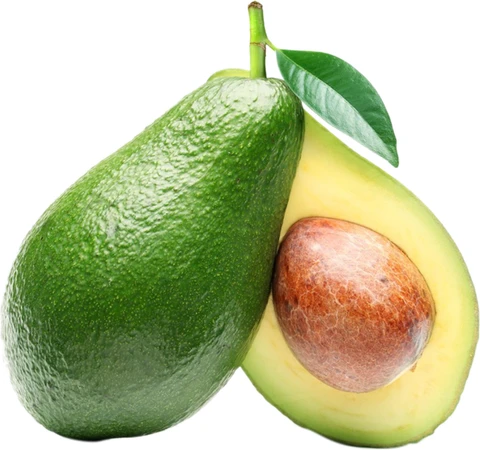
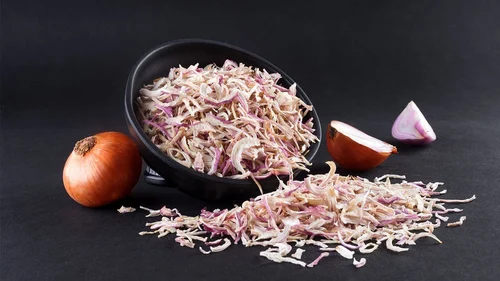
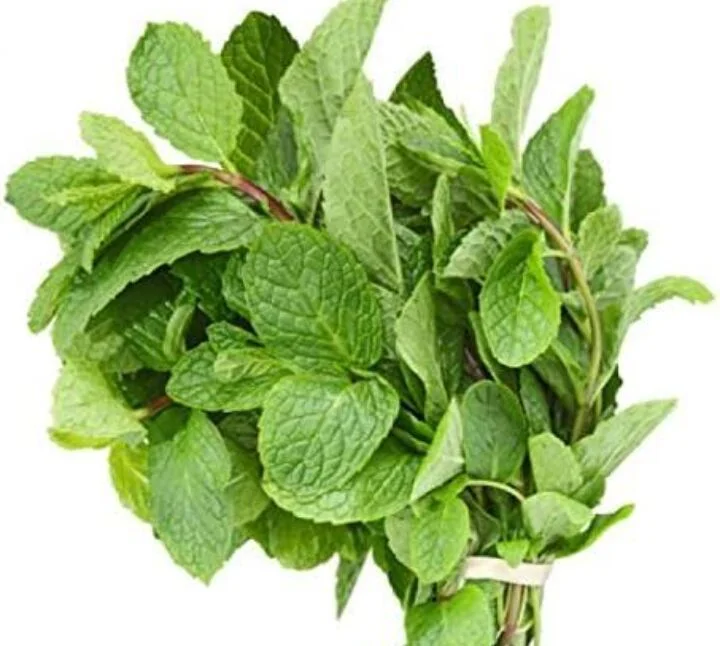
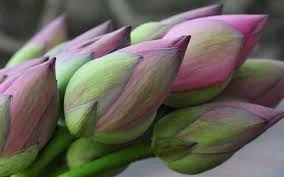
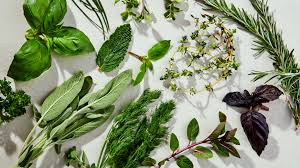
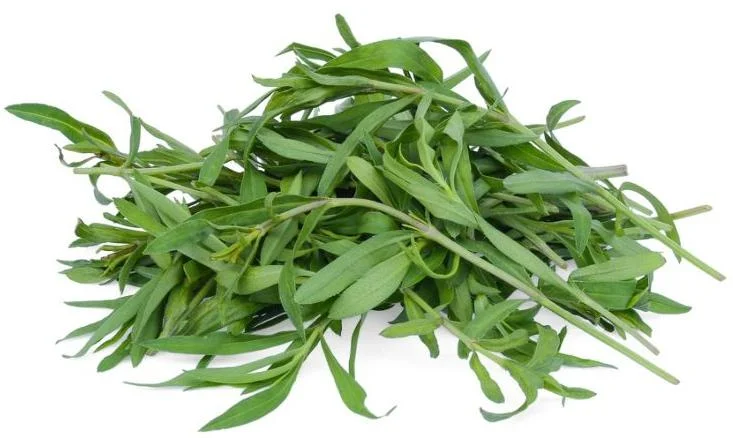
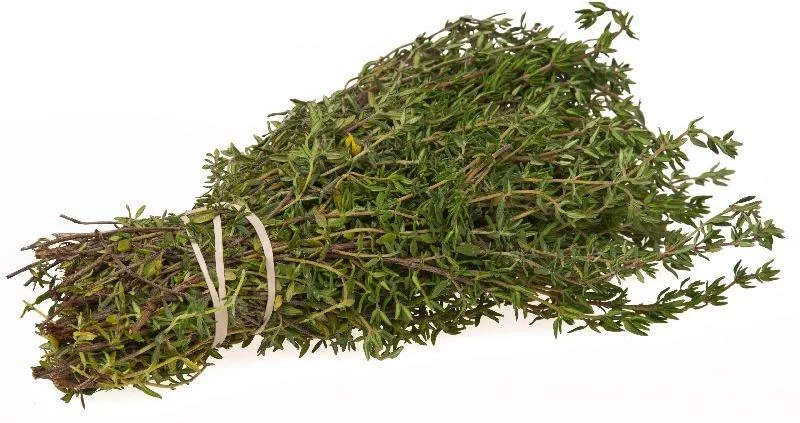
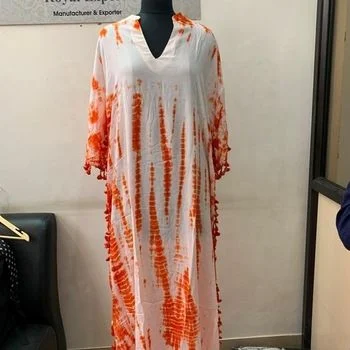
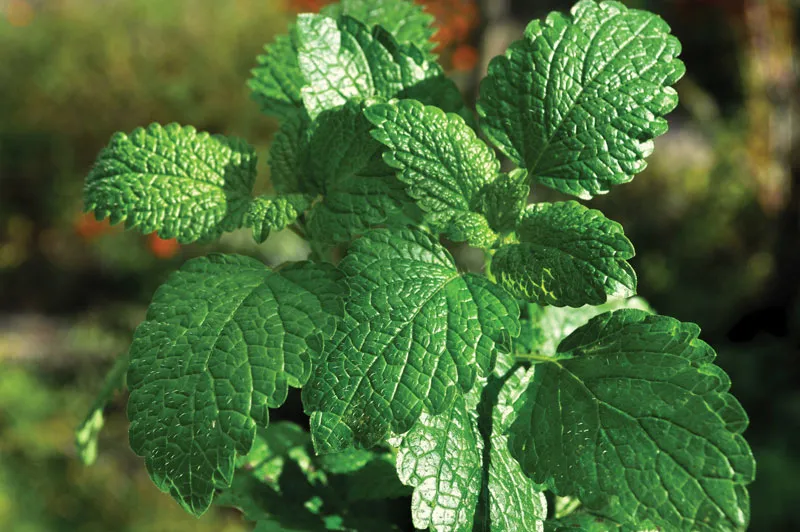
India hosts T.S. Classique, a supplier that currently lists 93 active products across several categories such as herbs, fresh vegetables, fruits and apparel. The catalogue records items ranging from Lotus Flower and Mint Leaves to multiple onion varieties, capsicums, ginger, green chilli and an avocado entry that carries HS code 0804.40. In addition, the supplier lists a variety of textile items including plain shorts, T‑shirts, Lycra shirts and button pants, reflecting a mixed product portfolio rather than a single‑sector focus.
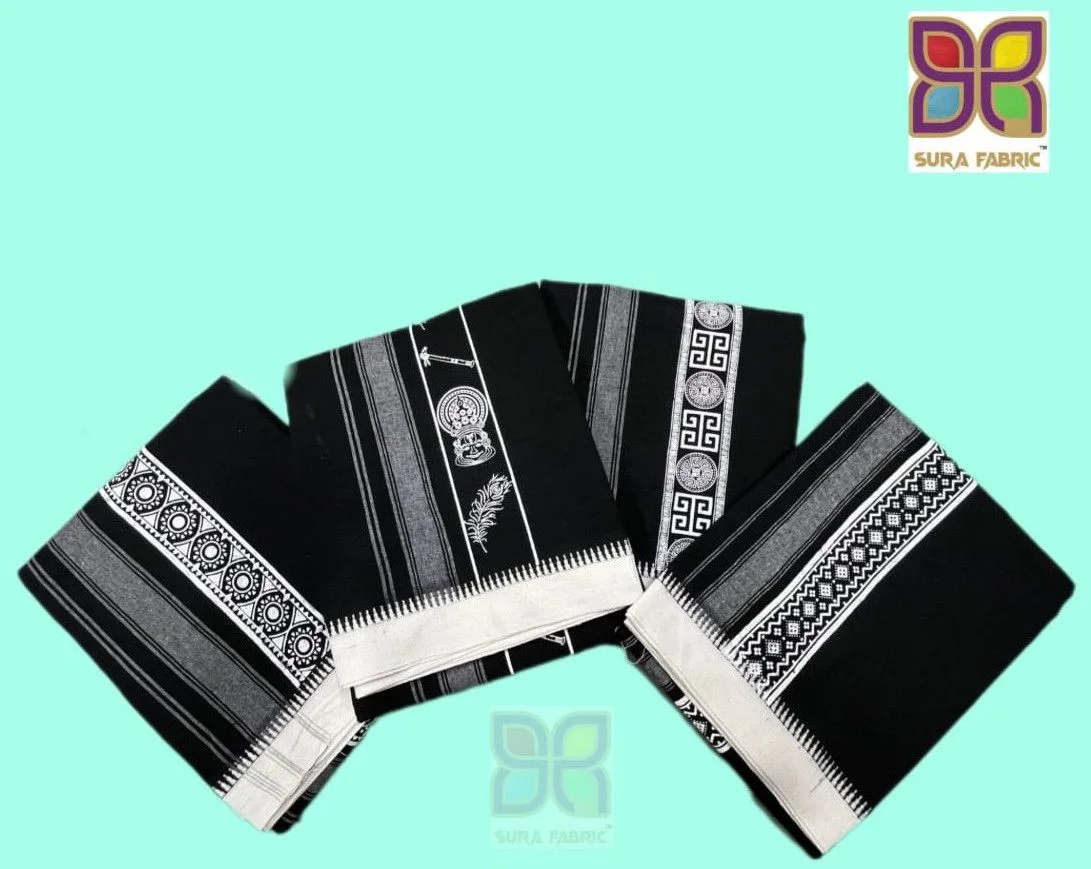
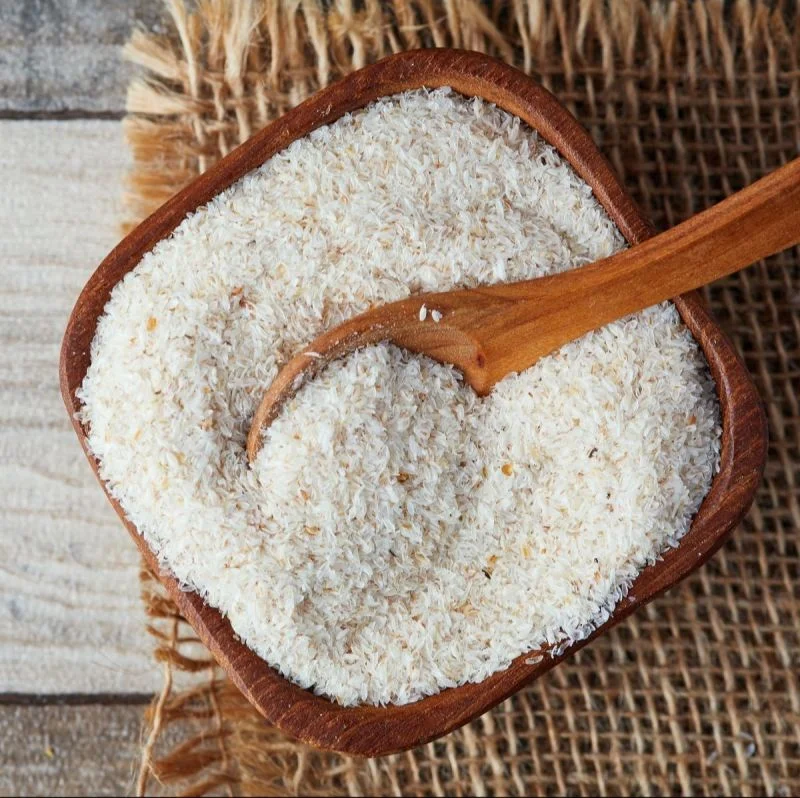
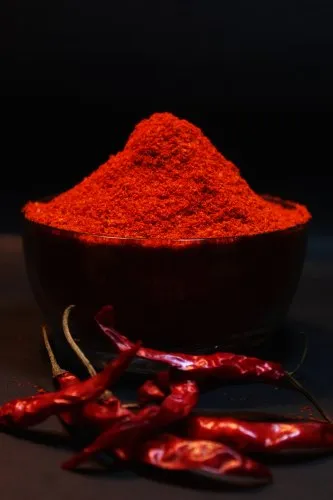
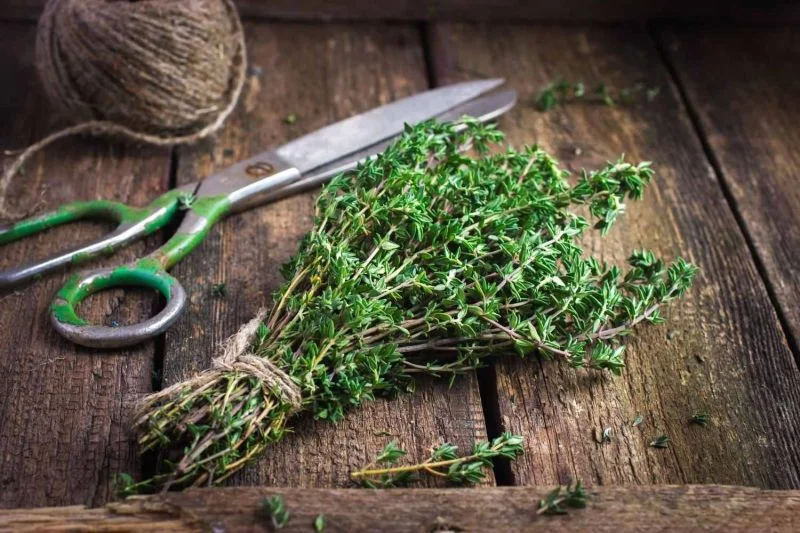
The product list includes specific entries like Onion White, Nasik Red Onion Seed, Onion Shallot Seeds, Veg‑Bel Pepper (yellow and red), Capsicums Coloured Chilly Peppers, and Fresh Avocado Fruit (Persea americana) with its HS code. Herbal and dried botanical items such as Dried Senna Flower, Dried Chamomile Flowers, Dried Parijat Leaves, Kaunch Beej Black, Dried Vasambu and Dry Hibiscus are also present. The apparel side covers Plain Short, Shorts, Piping Short, T‑shirt variants, Shelina Plain T‑shirt, Lycra T‑shirt, Button Pant and Joggers Pant, confirming the breadth of the 93 SKUs.
Product Range and Specialties of T.S. Classique
The fresh produce segment follows typical Indian export standards for vegetables and fruits. Onions (HS 0703) are usually graded by size (small, medium, large) and moisture content below 12 %. Capsicums (HS 0704) are sorted into colour grades and firmness levels, with a common export size of 5 - 9 cm length. Avocado fruit under HS 0804.40 is commonly shipped in 20 ft refrigerated containers, with flesh firmness measured at 5 - 8 kg cm⁻¹ and total soluble solids around 8‑10 % for export quality. Herbs such as mint, coriander and dried flower products are generally dried to moisture levels under 10 % and tested for pesticide residues according to Codex limits.
The apparel items are typical cotton‑blend or polyester garments. Plain shorts and T‑shirts are frequently produced in fabric weights of 150‑180 gsm for casual wear, while Lycra‑blended shirts may contain 5‑10 % elastane for stretch. Standard size labeling follows the Indian and international size charts (XS‑XL) and garments are usually packed in poly‑bag units of 50 - 100 pieces per carton for bulk shipment. Quality checks often include seam strength (minimum 8 N) and colourfastness tests (A‑rating) before export.
Trade and Export Information - T.S. Classique
India ranks among the top exporters of fresh herbs, vegetables and fruits to the Middle East, the European Union and Southeast Asian markets. The HS code families present in the catalogue - 0703 for onions, 0704 for capsicums, 0804 for avocado and 0909 for dried herbs - are routinely inspected by the importing country’s phytosanitary authorities. Common certifications requested by buyers include a Phytosanitary Certificate, ISO 22000 or HACCP compliance for food safety, and for organic‑type herbs, a National Organic Program (NOP) or EU organic certificate may be required. Apparel exports from India typically target the United States, EU and GCC regions, with buyers often asking for Oeko‑Tex Standard 100, ISO 9001 and compliance with REACH chemical restrictions. Standard logistics involve FOB or CIF terms, with fresh produce shipped in refrigerated containers (30 °C ± 2 °C for capsicum, 5 °C ± 1 °C for avocado) and garments in standard dry containers, each container holding 20‑40 ft units depending on volume.
Exporters from India generally prepare export documentation that includes a commercial invoice, packing list, certificate of origin, and where applicable, a fumigation certificate for dried botanicals. For fresh produce, a pre‑shipment inspection report and a certificate of analysis for pesticide residues are standard. The supplier’s target markets are not listed, so buyers should verify the typical import regulations of their destination country before placing orders.
Sourcing from T.S. Classique - Buyer Guidance
When sourcing fresh vegetables or fruits from T.S. Classique, request a recent Phytosanitary Certificate, a laboratory analysis report covering moisture, sugar content and pesticide residues, and a sample of the packing material to confirm container suitability. Verify that the HS code on the commercial invoice matches the product (e.g., 0804.40 for avocado) and that the packing list states the net weight and volume per container, usually expressed in kilograms per 20 ft container (approximately 12‑14 t for bulk vegetables).
Frequently Asked Questions About T.S. Classique
What HS codes are associated with the fresh produce listed by T.S. Classique?
Onion varieties fall under HS 0703, capsicums under HS 0704, and the Avocado Fruit entry is recorded with HS 0804.40. Dried herbs and botanical items generally use HS 0909.
Which certifications should a buyer ask for when purchasing herbs or dried flowers?
Buyers should request a Phytosanitary Certificate, a recent pesticide residue analysis, and, if organic claims are made, an organic certification such as EU organic or NOP.
How are the apparel items like shorts and T‑shirts typically packaged for export?
Garments are usually packed in poly‑bag units of 50‑100 pieces per carton, with cartons stacked on pallets. Each 20 ft container can hold roughly 1,200‑1,500 pieces depending on garment thickness.
What quality parameters are common for fresh capsicum exports?
Capsicums are graded by colour uniformity, firmness (minimum 5 kg cm⁻¹), length (5‑9 cm) and moisture content below 85 %. A standard pesticide residue test against Codex limits is also required.
Is a sample required before placing a bulk order for fresh ginger?
Yes, buyers typically request a 5‑kg sample to assess freshness, moisture level (usually under 12 %) and compliance with any required pesticide limits before confirming a full shipment.
What documentation is needed for importing the dried Senna Flower?
Importers should obtain a commercial invoice, packing list, certificate of origin, Phytosanitary Certificate and a laboratory report confirming that moisture content is below 10 % and that pesticide residues meet the destination country’s standards.




 , India