Agriculture›
 Apparel and fashion accessories›
 Construction & real estate›💡Electronic & Electrical›🍎Food & Beverages›🛋️Home furnishing & supplies›⚗️Industrial goods & chemical›🪨Minerals & metals›📦Miscellaneous›Agriculture›Apparel and fashion accessories›Construction & real estate›💡Electronic & Electrical›🍎Food & Beverages›🛋️Home furnishing & supplies›⚗️Industrial goods & chemical›🪨Minerals & metals›📦Miscellaneous›
Surya Shobha Product Catalog
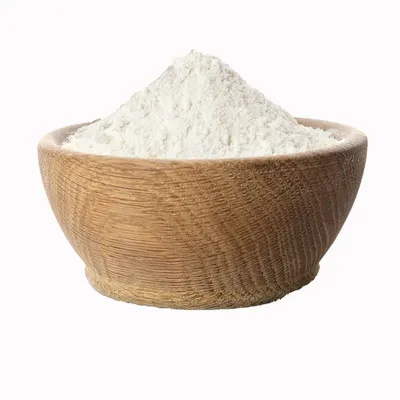
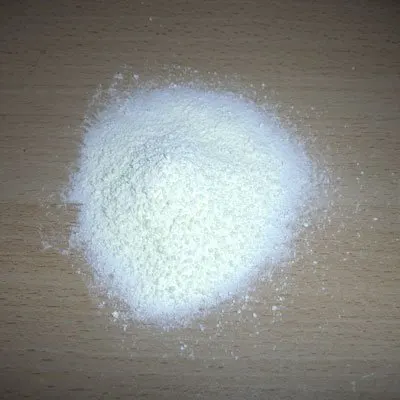
About Surya Shobha - Coconut Water & Coconut Milk Supplier in India
India is the origin of Surya Shobha, which currently lists five distinct coconut‑derived products in its catalogue. The supplier focuses on coconut milk and by‑products, covering both conventional and organic variants. Its product portfolio is grouped under the categories Coconut Water & Coconut Milk, Coconut By‑Products, and Coconut Sugar. The listed items are aligned with standard HS chapter 20 headings for coconut preparations. Surya Shobha’s catalogue does not include any additional product lines beyond the five items.
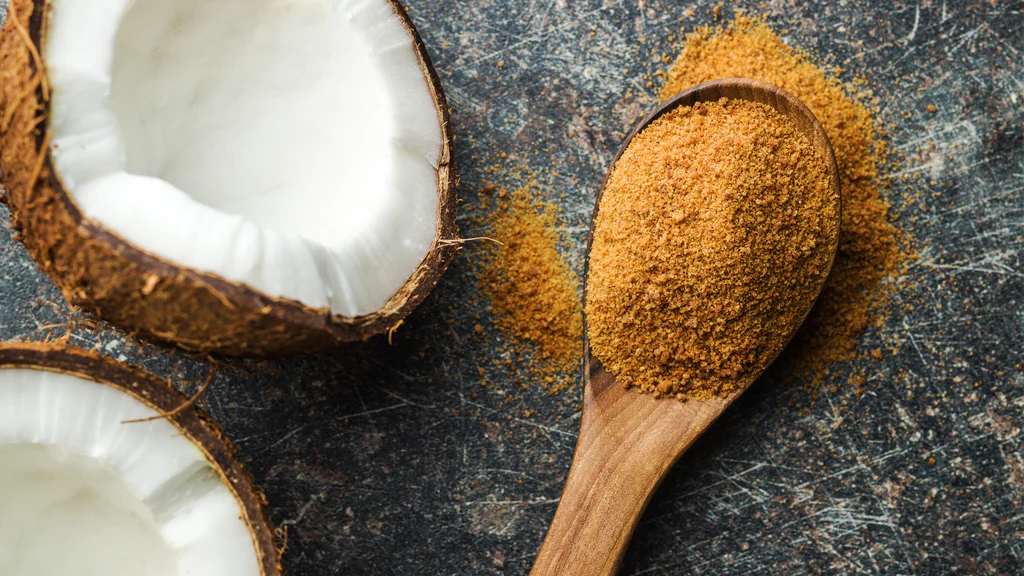
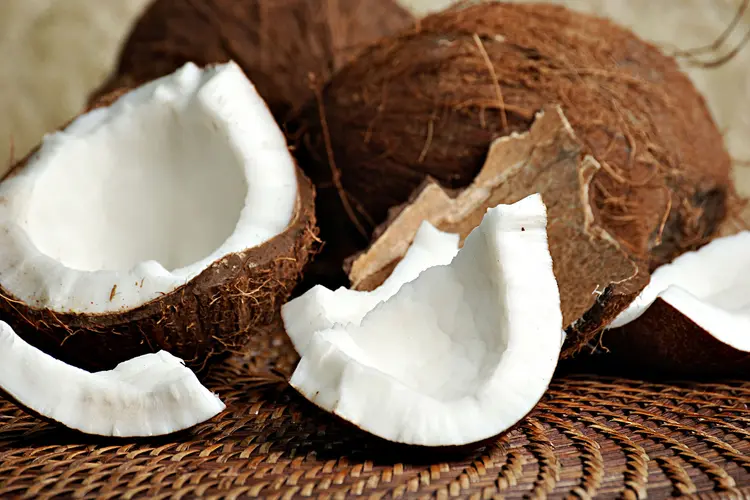
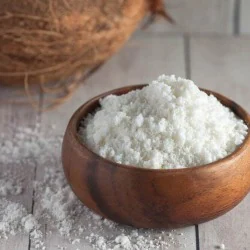
The five items are Coconut Milk Powder, Desiccated Coconut Powder, Organic Coconut Milk Powder, Grated Coconut & Coconut Flakes, and Organic Coconut Sugar. These products fall under the HS 2008 family for coconut milk preparations and HS 1701 for coconut sugar, as commonly classified by customs authorities. The supplier provides both conventional and certified organic versions where indicated. No further specifications such as packaging size or grade are detailed in the supplied facts.
Product Range and Specialties of Surya Shobha
Coconut Milk Powder is typically offered in grade A with a fat content of 20‑25 % and a protein level around 8‑10 %. Standard specifications require moisture below 5 % and a solubility of at least 90 % in water. Desiccated Coconut Powder generally targets a moisture content of 5‑6 % and a particle size of 0.5‑1 mm, suitable for bakery and confectionery applications. Organic variants follow the same technical limits but must also meet the relevant organic standards (USDA‑Organic, EU‑Organic). Grated Coconut & Coconut Flakes are usually supplied with a moisture range of 4‑6 % and a minimum oil content of 60 %, while Organic Coconut Sugar is a low‑glycemic sweetener with a sucrose purity of 95‑99 % and a typical granule size of 0.3‑0.5 mm. Buyers often receive these products in multilayer polyethylene bags or bulk containers sized for 20‑ft or 40‑ft shipping.
Frequently Asked Questions About Surya Shobha
What product categories does Surya Shobha offer?
Surya Shobha lists five coconut‑derived items: Coconut Milk Powder, Desiccated Coconut Powder, Organic Coconut Milk Powder, Grated Coconut & Coconut Flakes, and Organic Coconut Sugar. These fall under the broader categories Coconut Water & Coconut Milk, Coconut By‑Products, and Coconut Sugar.
Which HS codes are applicable to the products?
The coconut milk powders are generally classified under HS 2008.99 (coconut milk powder, not elsewhere specified), while desiccated coconut and grated flakes fall under HS 2008.31 (coconut, dried). Organic coconut sugar is typically recorded under HS 1701 (sugar). Exact codes should be confirmed with the supplier at the time of order.
Are organic certifications available for the organic lines?
The catalogue indicates organic status for the Coconut Milk Powder and Coconut Sugar, but no specific certification documents are listed. Buyers should request the relevant organic certificate (e.g., USDA‑Organic or EU‑Organic) before finalising a purchase.
What standard quality parameters should buyers check?
For coconut milk powders, typical parameters include moisture ≤ 5 %, fat 20‑25 %, protein 8‑10 % and solubility ≥ 90 %. Desiccated coconut and grated flakes usually require moisture 4‑6 % and oil content ≥ 60 %. Organic coconut sugar should show sucrose purity ≥ 95 % and moisture ≤ 5 %.
What packaging formats are commonly used?
Powdered coconut products are commonly packed in multilayer polyethylene bags with nitrogen flushing, sized for 20‑ft or 40‑ft container loads (approximately 18 tonnes per 20‑ft box). Coconut sugar is often supplied in bulk bags of 25 kg or 1‑ton jumbo bags, sealed to prevent moisture ingress.
 India
Related Suppliers & Products
Explore similar suppliers, related products and trending categories