Agriculture›
 Apparel and fashion accessories›
 Construction & real estate›💡Electronic & Electrical›🍎Food & Beverages›🛋️Home furnishing & supplies›⚗️Industrial goods & chemical›🪨Minerals & metals›📦Miscellaneous›Agriculture›Apparel and fashion accessories›Construction & real estate›💡Electronic & Electrical›🍎Food & Beverages›🛋️Home furnishing & supplies›⚗️Industrial goods & chemical›🪨Minerals & metals›📦Miscellaneous›
Surshobhi Enterprise Product Catalog
About Surshobhi Enterprise - Hygiene Products Supplier in India
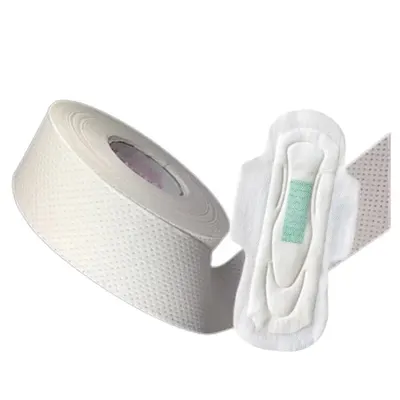
Surshobhi Enterprise operates out of India and currently lists 22 distinct products in its online catalogue. The catalogue is split between two broad groups: hygiene products, represented by a series of sanitary napkin models, and a variety of dry legumes including pigeon peas, green gram, chick peas, several types of azuki and kidney beans, as well as soy and Mwitemania beans. Where HS codes are supplied, the legume items fall under chapter 0713 (e.g., Azuki Beans - 0713.39, Red Azuki Beans - 0713.90, Mwitemania Beans - 0713.39). The sanitary napkin line is identified only by model numbers without HS classification in the supplied data.
The product mix shows a focus on consumable food items that are commonly exported from India, alongside a sizeable selection of disposable feminine hygiene products. All listed legume entries are described as organic or non‑GMO, and the sanitary napkin models are presented in a range of designations (FDF12A, FA08, FF20, etc.) suggesting variations in size or absorbency. No additional corporate metrics such as founding year or employee count are provided.
Product Range and Specialties of Surshobhi Enterprise
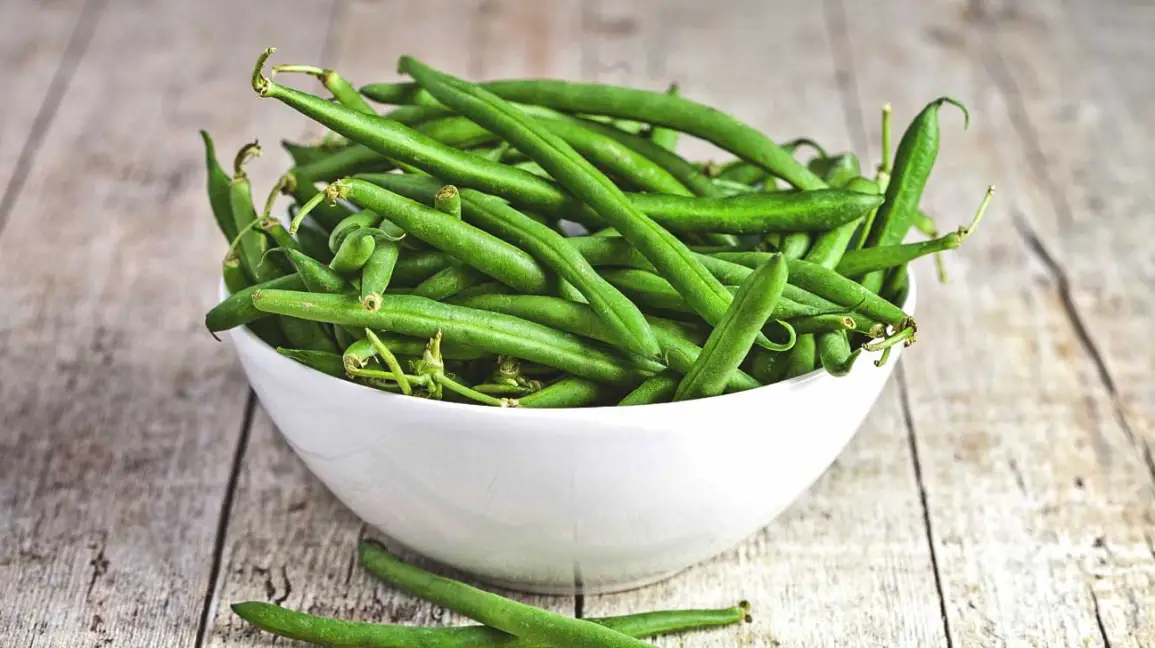
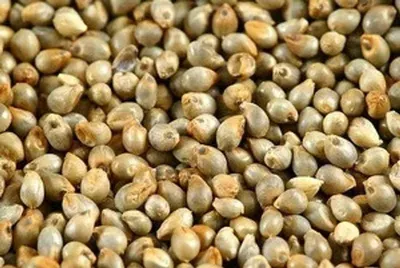
The legume segment includes pigeon peas (white), green gram, chick peas, azuki beans (both white and red), kidney beans (including a red variant), soy beans, and Mwitemania beans. In the Indian export market, these beans are typically graded by size (e.g., 12 mm + or 12 mm - ), moisture content below 12 %, and foreign matter under 2 %. Organic certifications such as NOP or India’s National Programme for Organic Production are common for the “organic” label noted in the catalogue.
The sanitary napkin portfolio lists more than a dozen model codes, which in the broader industry are differentiated by core absorbent material (cotton, rayon, super‑absorbent polymer), length (standard 180 mm to extended 210 mm), and absorbency rating measured in millilitres (e.g., 10 ml to 30 ml). Buyers usually look for compliance with ISO 13485 for medical devices, Indian BIS standards for sanitary products, and any relevant skin‑safety certifications.
Frequently Asked Questions About Surshobhi Enterprise
What HS codes are associated with Surshobhi Enterprise’s legume products?
The catalogue provides HS code 0713.39 for both the Organic Azuki Beans and Mwitemania Beans, and HS code 0713.90 for the Organic Red Azuki Beans. Other legume items fall under the broader HS 0713 chapter for dried beans and peas.
Are the beans listed as organic or non‑GMO?
The facts specify that the Azuki Beans and Red Azuki Beans are organic and non‑GMO. Other beans are described without explicit certification, so buyers should request organic or non‑GMO verification if required.
What certifications should a buyer request for the beans?
Buyers typically request a phytosanitary certificate, a certificate of origin, and any organic certification (e.g., NOP or India’s organic program). A recent lab analysis confirming moisture <12 % and foreign matter <2 % is also standard.
Which standards are relevant for the sanitary napkin models?
Sanitary napkins are generally subject to ISO 13485 for medical devices, Indian BIS specifications for feminine hygiene, and REACH safety data requirements for the EU market. Buyers should ask for compliance documents for these standards.
What is a typical packaging format for the beans?
Indian legume exporters commonly use 25 kg polypropylene bags or 1 ton bulk sacks, which are then loaded into 20‑ft or 40‑ft containers for sea freight.
 India
Related Suppliers & Products
Explore similar suppliers, related products and trending categories