Star Industries — Supplier
About Star Industries - Uniforms Supplier in Pakistan
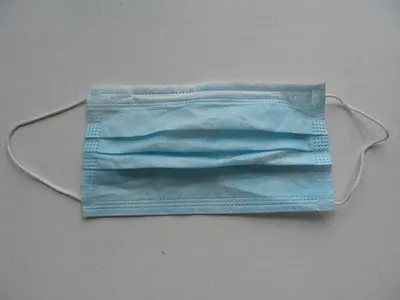
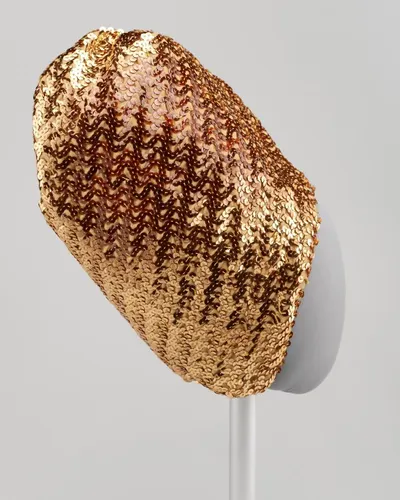
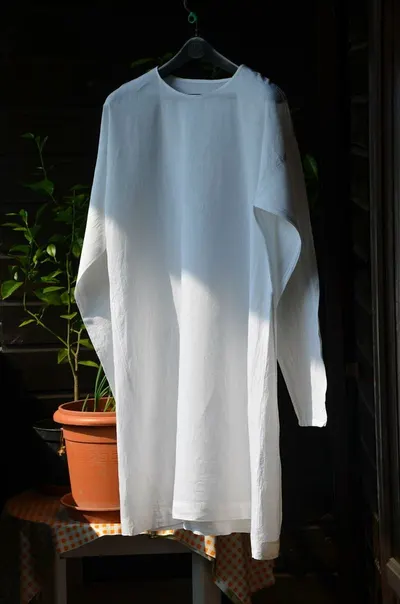
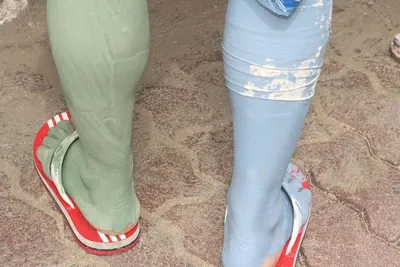
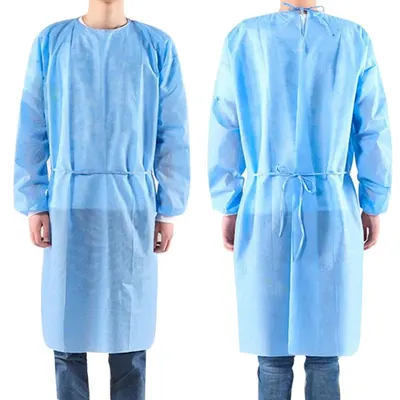
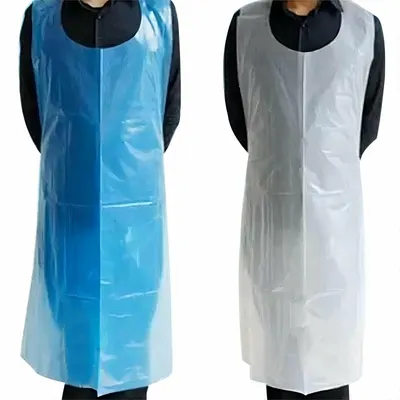
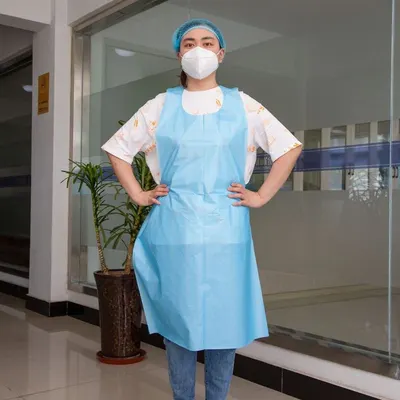
Star Industries is located in the Punjab province of Pakistan and currently lists seven active products in its catalogue. The company’s catalogue covers items classified under uniform and medical disposable categories, including boiler suits, disposable pant shirts, disposable aprons, laminated gowns, shoe leggings, hood caps and bouffant caps. Two of the listed items carry specific HS codes: the Disposable Apron is recorded under HS code 6210.10 and is made from polypropylene spunbond non‑woven fabric, while the Bouffant Cap is recorded under HS code 9018.90 and uses spunbond polypropylene non‑woven material. The remaining products are described without HS codes but fall within the same HS chapters for protective clothing and medical textiles.
The product set targets users who require single‑use protective apparel in healthcare, laboratory and industrial environments. Materials such as polypropylene spunbond non‑woven fabric typically provide a basis weight between 30 g/m² and 80 g/m² and meet standards for barrier performance and fluid resistance. The boiler suit and disposable pant shirt are generally supplied in sizes ranging from S to XXL and are packaged in bulk cartons suitable for container loading. The disposable apron, laminated gown and shoe leggings are often shipped in polyethylene‑lined packs to preserve sterility. The hood and bouffant caps are designed to meet head‑cover standards for cleanroom or surgical settings.
Product Range and Specialties of Star Industries
Star Industries’ catalogue includes both garment‑type and head‑cover products made from polypropylene spunbond non‑woven fabric. In the global market, disposable aprons under HS 6210.10 are typically produced with a melt‑blown layer to achieve a hydro‑head of 10 mm and a tear strength of 10 N/15 mm, while bouffant caps under HS 9018.90 are commonly supplied with a minimum thread count of 100 threads per inch to meet cleanroom class 100 requirements. Standard specifications for medical clothing such as boiler suits and laminated gowns often reference ASTM F2403 for fluid barrier performance and ISO 22609 for bacterial filtration efficiency. Buyers frequently request details on GSM (grams per square metre), breathability (air permeability in cm³/s·cm²), and the presence of antimicrobial treatments.
Trade and Export Information - Star Industries
Pakistan is a recognized exporter of non‑woven protective textiles, with the Punjab region hosting several manufacturing clusters that serve markets in the Middle East, North Africa and parts of Europe. HS chapter 62 (apparel and clothing accessories) and chapter 90 (medical instruments) are the primary tariff lines for the products listed by Star Industries, and shipments are commonly arranged on 20‑ft or 40‑ft containers using CIF or FOB terms. Importing countries often require certificates such as ISO 13485 for medical devices, CE conformity for European markets, and FDA 510(k) clearance for the United States, although these certifications must be verified for each product batch. Packaging typically involves sealed polyethylene bags within corrugated cartons, with moisture barriers and bar‑code labeling to satisfy customs and quarantine inspections.
Sourcing from Star Industries - Buyer Guidance
When sourcing disposable protective apparel from Star Industries, buyers should request a product data sheet that lists material composition, GSM, tear strength, hydro‑head and any antimicrobial treatment. Sample orders of at least one full size set are standard practice to verify fit, barrier performance and packaging integrity before confirming larger volumes. Buyers should also obtain third‑party test reports for ASTM F2403 or ISO 22609 compliance, as well as a copy of the supplier’s export declaration and any relevant certificates of conformity requested by the destination country. Verifying the HS code on the commercial invoice and confirming that the packaging meets ISO 11607 standards for sterile barrier systems can reduce clearance delays.
Frequently Asked Questions About Star Industries
What material is used for the disposable apron listed by Star Industries?
The disposable apron is made from polypropylene spunbond non‑woven fabric, which is recorded under HS code 6210.10. This material provides a typical basis weight of 40‑70 g/m² and meets fluid resistance standards for medical use.
Which HS codes apply to the head‑cover products in the catalogue?
The Bouffant Cap is assigned HS code 9018.90, indicating a medical head‑cover classification. The disposable hood cap is not listed with a specific HS code but is generally covered by HS chapter 90 for medical protective equipment.
What standard tests are typically required for the boiler suit and laminated gown?
Buyers usually ask for compliance with ASTM F2403 for fluid barrier performance and ISO 22609 for bacterial filtration efficiency. These results should be provided by an accredited laboratory in a test report attached to the commercial invoice.
How are the products typically packaged for export?
Protective garments are commonly packed in sealed polyethylene bags placed inside corrugated cartons, with bar‑code labeling for traceability. Moisture‑barrier liners are added to meet quarantine and customs requirements.
What certifications should a buyer request before importing these items?
Buyers should request copies of ISO 13485 or ISO 9001 quality system certificates, a CE Declaration of Conformity for European markets, and any FDA registration documents if the goods are destined for the United States. These documents verify that the products meet the regulatory expectations of the target market.
What are the typical minimum order quantities and lead times for these disposable items?
Suppliers often set a minimum order of one full container load, roughly 5 000‑10 000 pieces per style, or a batch of 1 000 pieces for smaller orders. Lead times typically range from 30 to 45 days after sample approval and final order confirmation.
Which regions most frequently import Pakistani non‑woven medical textiles?
The Middle East, North Africa and European Union countries are the main import destinations for Pakistani non‑woven medical textiles. Demand is driven by hospitals, laboratories and clean‑room facilities that require single‑use protective apparel.




 , Pakistan