SKMF India — Verified Supplier
About SKMF India - Herbs Supplier in India
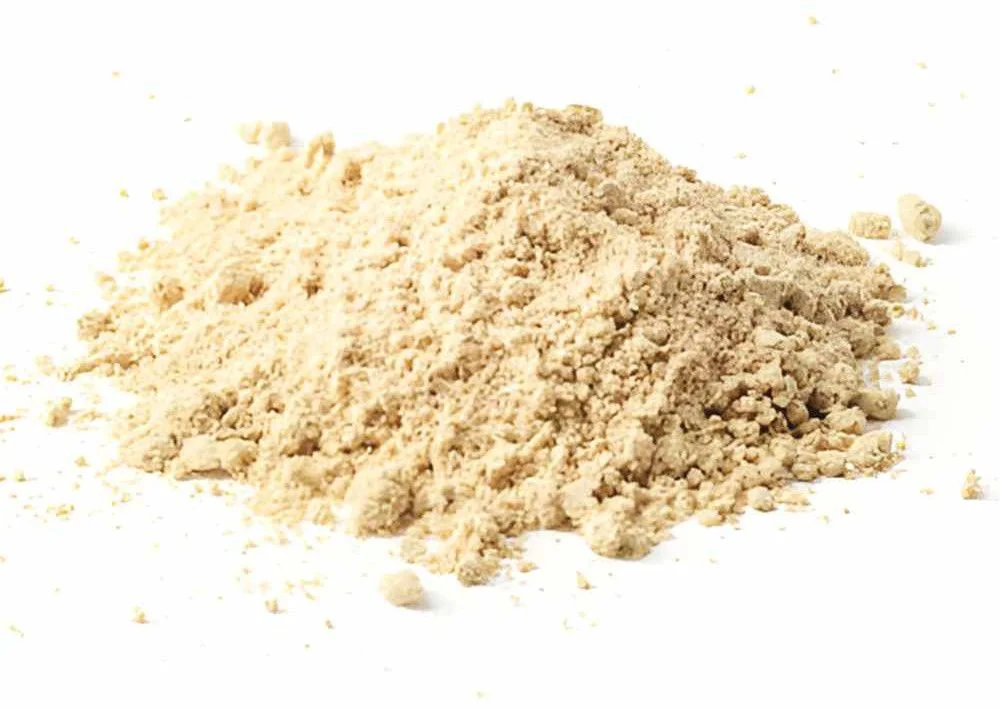
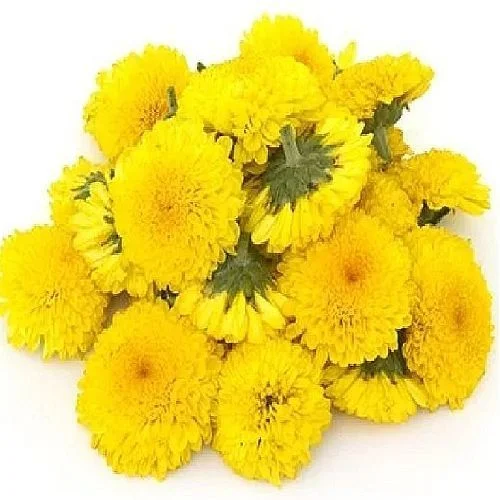
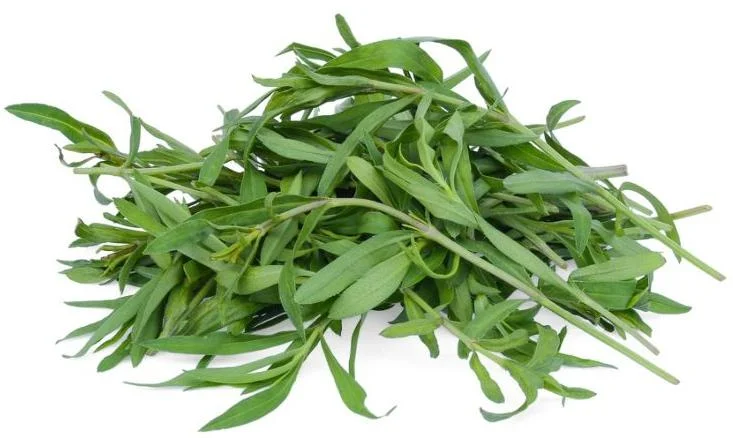
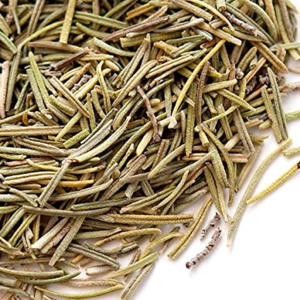
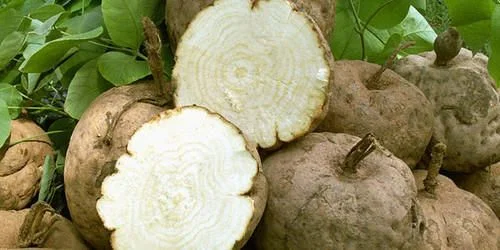
India is the origin country for SKMF India, which currently lists 16 active products across its catalogue. The supplier’s portfolio spans herbs, herbal extracts, honey, turmeric, basil leaf, betel nut, black cardamom and fresh flowers. Products are presented under broad categories such as Herbs and Herbal Extracts, with individual items like Tulasi, Giloy and Ashwagandha listed. The catalogue includes both raw plant materials and processed forms such as dried nuts and flower buds. Each entry aligns with the relevant HS code families used in international trade.
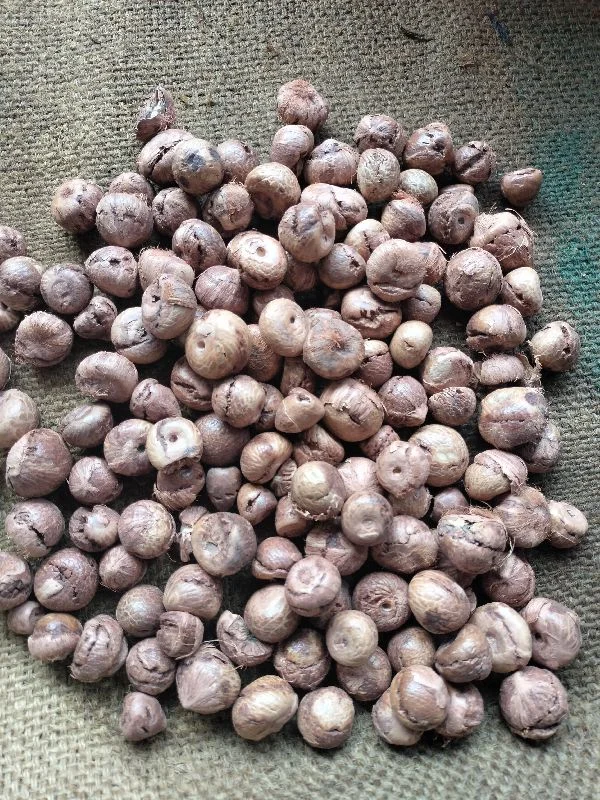
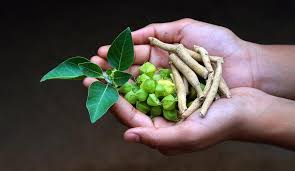
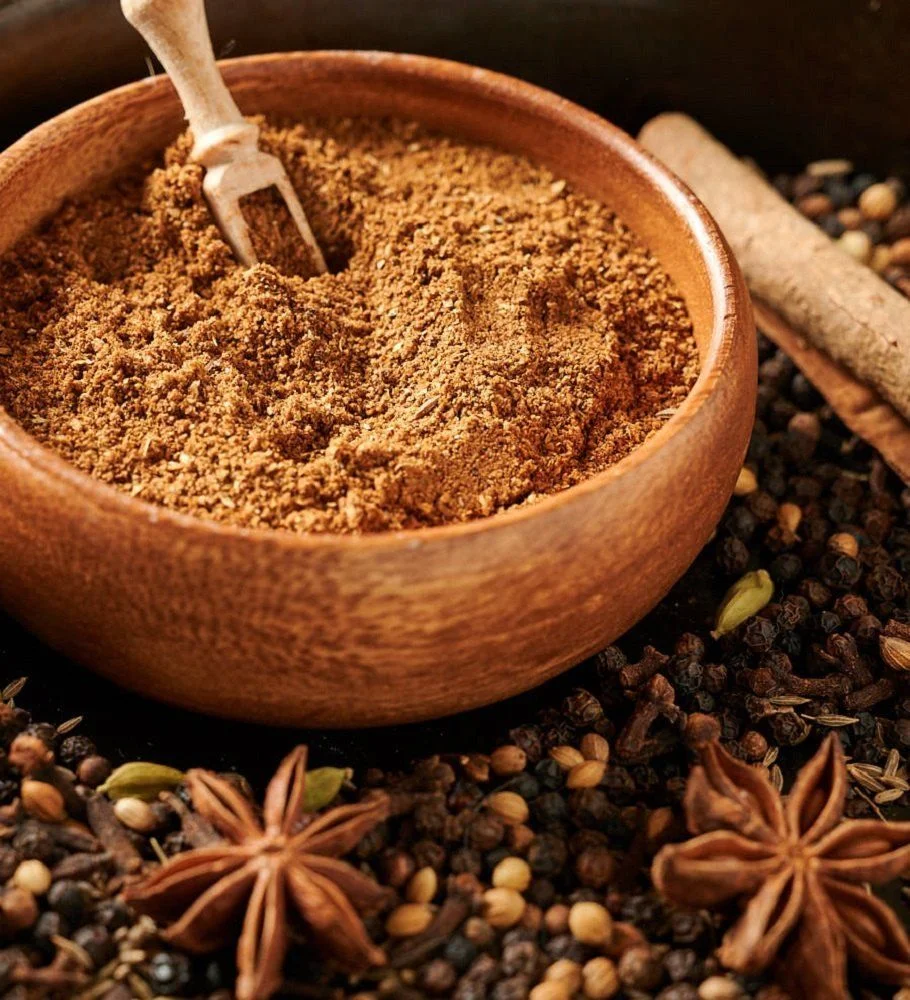
The detailed catalogue records Honey, Turmeric, Tulasi, Giloy, Betel Nut, Sarpgandha, Musali Safed, Elaichi Chhoti, Laung Flower Bud, Ashwagandha, Satavar, Mulethi, Silagit, Saunf fruit, Guggul and Pippali chhal. Betel Nut is the only product supplied with an explicit HS code, 0803.00, classifying it as dried Areca nut (Areca catechu). Other items fall under typical HS chapters for herbs (1302), spices (0905), and honey (0409). The supplier’s active product count of 16 reflects a focused range rather than a broad commodity list. No additional certifications are listed in the provided facts.
Product Range and Specialties of SKMF India
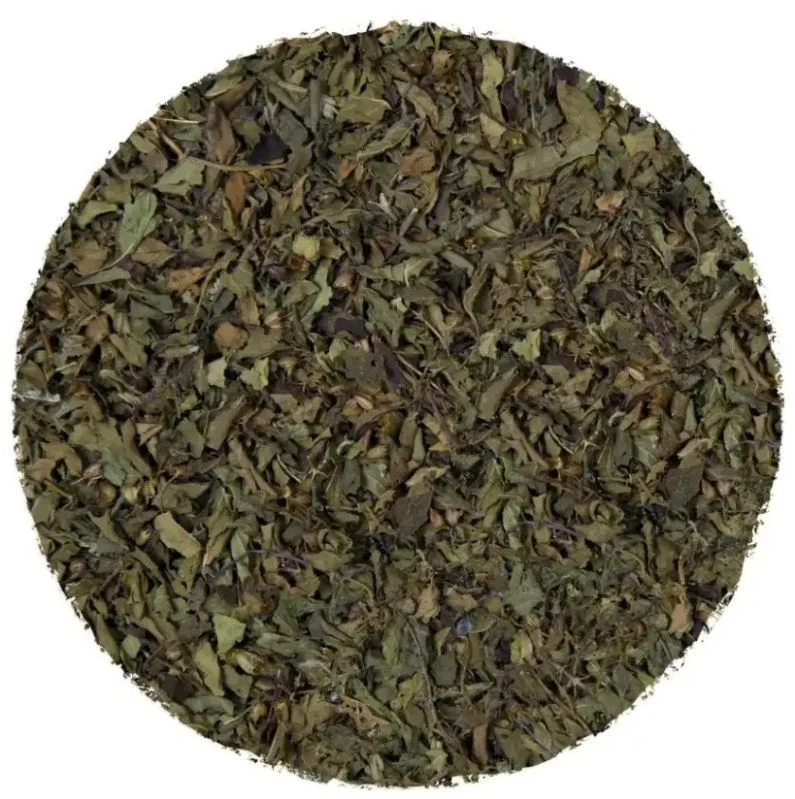
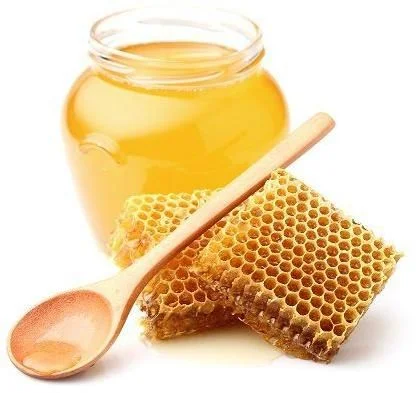
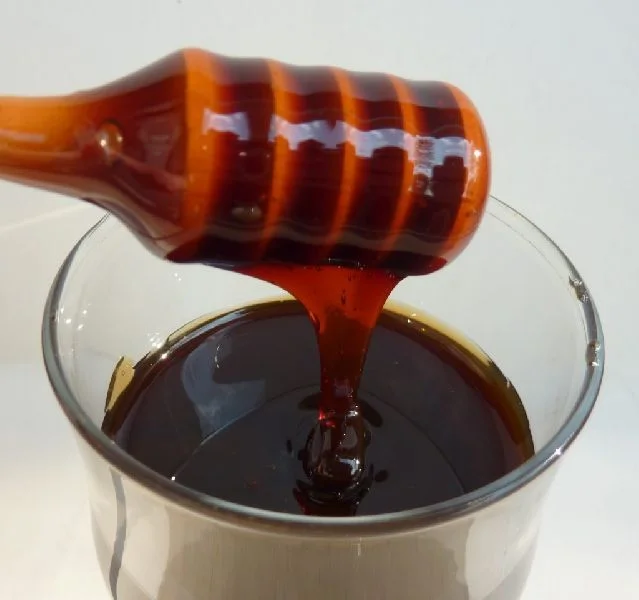
SKMF India’s catalogue includes raw honey, which in the global market is commonly graded by ICUMSA standards, with ICUMSA 45 representing a high‑purity grade and moisture limits of 18 % or less. Turmeric supplied from India is typically evaluated for curcumin content (3‑5 % minimum) and conforms to ISO 3632 colour specifications, while dried herbs such as Tulasi, Giloy and Ashwagandha are usually measured by leaf moisture (10‑12 %) and particle size ranging from 0.5 mm to 2 mm. Betel Nut shipments are generally classified by size grade (e.g., 12 mm × 6 mm) and moisture content below 12 % to meet import standards.
Trade and Export Information - SKMF India
India ranks among the top exporters of culinary herbs, medicinal plants and natural sweeteners, supplying the European Union, United States, Middle East and Southeast Asian markets. Honey and turmeric from India are frequently shipped under HS 0409.00 and 0905.20 respectively, with container loads ranging from 20‑ft (≈12 t) to 40‑ft (≈24 t) depending on packaging. Betel Nut under HS 0803.00 is primarily directed to markets in Bangladesh, Pakistan and the Gulf Cooperation Council, where demand for dried Areca nut remains strong.
Importers commonly require phytosanitary certificates, FSSAI registration, and quality certifications such as ISO 22000 or HACCP for food‑grade products. Organic claims must be backed by accredited organic certification, and heavy‑metal or pesticide residue reports are standard for herbal extracts. Typical shipping terms include FOB Indian ports with subsequent CIF delivery to destination ports, using wooden crates for bulk herbs and sealed food‑grade containers for honey.
Sourcing from SKMF India - Buyer Guidance
Buyers should request a current FSSAI license, phytosanitary certificate and, where applicable, ISO 22000 or HACCP audit reports before confirming an order. For honey, a laboratory analysis confirming ICUMSA grade, moisture level and absence of antibiotics is standard, while turmeric samples are evaluated for curcumin percentage, ash content and microbial limits. Minimum order quantities often start at 500 kg for bulk dried herbs and 200 kg for honey, with lead times of 30‑45 days after receipt of a pro‑forma invoice. Verify packaging details - honey is usually supplied in 25 kg food‑grade drums or 500 g glass jars, and herbs are packed in multi‑layer polyethylene bags of 25 kg each.
Frequently Asked Questions About SKMF India
What HS codes apply to SKMF India’s products?
The only HS code listed in the catalogue is 0803.00 for Betel Nut (dried Areca nut). Other items fall under typical HS chapters such as 0409 for honey, 0905 for spices and 1302 for dried herbs, which are used by import authorities.
Which quality certifications should I ask for?
Request the supplier’s current FSSAI registration and a phytosanitary certificate for all food‑grade items. Additionally, ask for any ISO 22000 or HACCP audit reports, and an accredited organic certificate if an organic claim is made.
What are the typical packaging formats?
Honey is commonly packed in 25 kg food‑grade drums or 500 g glass jars for retail. Dried herbs and spices are usually shipped in 25 kg multi‑layer polyethylene bags, while Betel Nut is bulk‑shipped in 20‑ft containers on wooden pallets.
What are common minimum order quantities?
Bulk dried herbs generally have a minimum order quantity of 500 kg per shipment. Honey orders typically start at 200 kg, and Betel Nut shipments often begin with one 20‑ft container, roughly 12 t of product.
Which laboratory tests are standard for these products?
Honey is tested for ICUMSA grade, moisture content and antibiotic residues. Turmeric is analyzed for curcumin content, ash and moisture, while herbs are examined for pesticide residues, heavy‑metal levels and microbial limits such as total plate count ≤10⁴ CFU/g.
What incoterms are typically used for shipments from India?
Exporters frequently quote FOB Indian ports, allowing buyers to arrange CIF or DDP terms to their destination. This approach provides flexibility for customs clearance and inland transportation by the buyer.
How long does production and shipment usually take?
Lead times are typically 30‑45 days after payment confirmation and issuance of a pro‑forma invoice. Additional time may be required for container loading and customs clearance at the destination port.




 , India